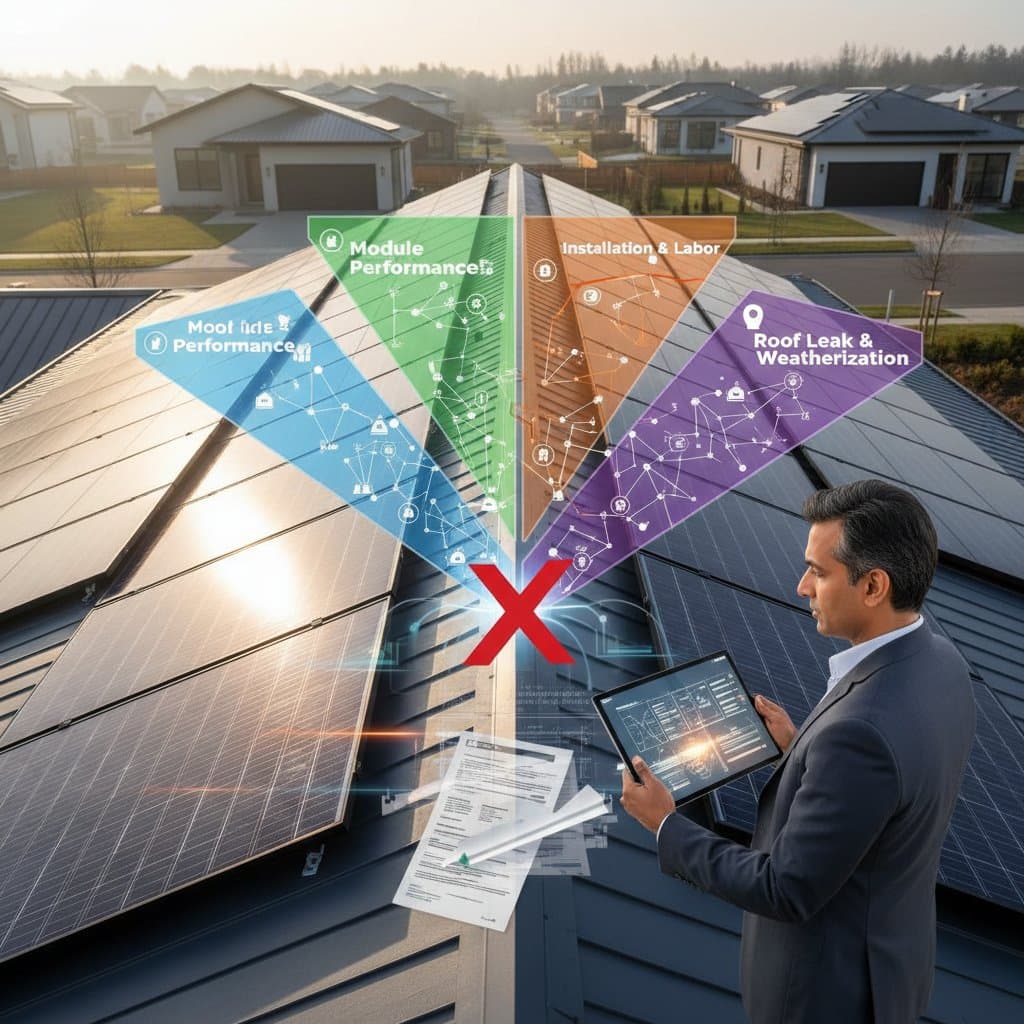
Solar Roof Warranties: Understanding the Four Key Policies
Homeowners considering a solar roof upgrade in 2026 face a complex landscape of warranties. These protections often divide into four distinct policies: materials, workmanship, performance, and system integration. Each layer serves a specific purpose, yet they interact in ways that demand careful review. This article breaks down these policies, highlights potential pitfalls, and provides steps to safeguard your investment.
Integrated solar roofs combine photovoltaic technology with traditional roofing materials, promising energy savings and durability. However, manufacturers structure warranties to cover different aspects separately. Misalignment between these policies can lead to denied claims and unexpected repair costs. By examining each policy closely, homeowners gain the tools to navigate contracts effectively.
The Four Core Warranty Policies Explained
Solar roof warranties typically separate into four policies, each with unique terms and conditions.
-
Materials Warranty: This policy protects the physical components, such as solar shingles, flashing, and mounting hardware. Coverage often spans 10 to 25 years, guaranteeing against defects like cracking or degradation. Review the fine print for exclusions, including environmental damage from hail or high winds.
-
Workmanship Warranty: Focused on installation quality, this covers labor errors for 5 to 10 years. It addresses issues like improper sealing or alignment that lead to leaks. Manufacturers require certified installers to activate this protection, emphasizing the importance of professional involvement.
-
Performance Warranty: This guarantees energy output levels over time, often for 20 to 30 years. It ensures the system produces at least 80 percent of rated capacity after 25 years. Factors like shading or inverter efficiency influence claims under this policy.
-
System Integration Warranty: Covering interactions between solar, roofing, and electrical elements, this policy addresses compatibility issues. It may last 10 to 15 years and voids if unauthorized modifications occur. Coordination between roofers and electricians proves essential here.
These policies overlap but do not always align in duration or scope. For instance, a materials defect might trigger workmanship coverage only if installation meets standards. Homeowners should request a combined summary from installers to visualize interactions.
Common Pitfalls That Void Warranties
Overlooked details during installation or maintenance frequently invalidate coverage. Awareness of these traps allows proactive avoidance.
-
Brand Incompatibility: Combining solar shingles from one manufacturer with inverters or flashing from another risks voiding multiple policies. Always obtain written compatibility statements.
-
Post-Installation Modifications: Adding roof penetrations, such as vents or antennas, can compromise leak protection under the materials and workmanship policies. Seek pre-approval for any changes.
-
Unauthorized Electrical Additions: Integrating batteries or EV chargers without certification may terminate performance and integration warranties. Consult manufacturers early in planning.
-
Inadequate Documentation: Lacking photos, serial numbers, or inspection reports hinders claim processing. Maintain a comprehensive digital archive from day one.
-
Non-Certified Labor: General contractors without solar-specific training often fail to meet workmanship standards. Verify certifications through manufacturer directories.
These issues arise in up to 30 percent of claims, according to industry reports. Addressing them upfront minimizes financial exposure.
Step-by-Step Guide to Securing Warranty Protection
Follow this structured process to ensure all policies remain intact throughout the system's life.
-
Verify Component Compatibility: Contact solar and roofing manufacturers for formal approval of your selected combination. Document responses to support future claims.
-
Obtain Written Warranties: Insist on individual documents for each policy, detailing coverage periods, exclusions, and claim procedures. Compare terms across providers.
-
Assess Transferability: Confirm that warranties transfer to new owners upon home sale. Some policies require notification within 30 days of transfer.
-
Document Every Installation Phase: Capture photographs of key steps, including mounting and wiring. Store serial numbers and invoices securely.
-
Arrange Professional Inspections: Schedule a certified inspector's review post-installation. Many policies mandate this within 90 days.
-
Complete System Registration: Submit registration forms promptly, often within 30 days of activation. Late submissions void performance guarantees.
-
Establish Maintenance Records: Log all cleaning, inspections, and repairs. Adherence to manufacturer guidelines sustains long-term coverage.
Missed steps, such as delayed registration, account for numerous denied claims. Integrate this process into your project timeline for seamless execution.
Key Mistakes to Sidestep
Even experienced homeowners encounter errors that undermine warranties. Steer clear of these common oversights.
-
Overlooking Policy Fragmentation: Do not assume a single document covers all aspects. Review at least four separate agreements.
-
Isolated Contractor Coordination: Ensure roofers, electricians, and solar technicians align on specifications. A unified project plan prevents discrepancies.
-
Neglecting Code Adherence: Local building codes influence warranty validity. Hire inspectors to confirm grounding, breaker sizing, and structural compliance.
-
Dismissing Minor Issues: Small leaks or discoloration signal potential problems. Address them immediately to avoid classification as non-covered wear.
-
Improper Cleaning Methods: Avoid high-pressure washers, which damage protective coatings. Use soft brushes and manufacturer-recommended solutions.
By anticipating these mistakes, homeowners preserve warranty value and system reliability.
Deciding Between Professional Installation and DIY Efforts
Solar roof projects demand specialized expertise, limiting DIY feasibility. Apply this decision framework to choose wisely.
-
Evaluate Skill Level: Proceed with DIY only if you hold licenses in roofing and electrical work, plus solar-specific training. Otherwise, engage professionals.
-
Assess Safety Hazards: Tasks involving heights, live wires, or heavy lifting require certified handling. Prioritize fall protection and circuit de-energization.
-
Check Equipment Needs: Standard tools suffice for basic maintenance, but installations need torque wrenches, multimeters, and sealant applicators.
DIY suits routine tasks like panel cleaning or output monitoring via apps. For core installation, wiring, or repairs, professional services ensure compliance and safety.
Pre-Installation Readiness Checklist
Prepare thoroughly to avoid delays and disputes.
| Category | Requirements |
|---|---|
| Tools Required | Sturdy ladder, safety harness, torque wrench, digital multimeter |
| Skills Required | Proficiency in roof layout, electrical wiring, and sealant application |
| Safety Gear | Durable gloves, full fall arrest system, protective eyewear |
| Permits Needed | Building permit, electrical permit, structural engineering approval |
| Preparation Tasks | Strip existing roof, inspect framing integrity, upgrade service panel if necessary |
| Site Considerations | Ensure dry weather, unobstructed access for equipment like lifts or scaffolding |
Completing this checklist streamlines the project and upholds warranty conditions.
Finalizing Your Solar Roof Investment
With warranties properly aligned and documentation in place, your 2026 solar roof upgrade positions you for decades of reliable performance. This preparation not only protects against financial risks but also maximizes energy returns. Consult multiple providers, review contracts meticulously, and engage certified experts to transform potential challenges into lasting benefits.