Introduction to Evolving Wildfire Insurance Standards
Wildfire risks pose significant threats to homeowners in vulnerable areas. Insurance providers increasingly enforce stricter criteria for coverage, including higher premiums and mandatory evidence of risk-reduction efforts. The 2026 regulations will standardize these measures, requiring documented proof of fire-resistant features and property maintenance to qualify for policies.
This analysis outlines preparation strategies for homeowners. It examines financial implications, common policy pitfalls, and step-by-step compliance methods. Readers will gain tools to evaluate options, minimize costs, and preserve both property and financial security.
Financial Structure of Wildfire-Adjusted Home Insurance
Insurance costs in wildfire-prone zones follow a tiered system driven by risk assessments and compliance levels. Homeowners benefit from understanding these elements to select appropriate coverage without overpaying.
Typical Cost Breakdown
| Coverage Level | Monthly Cost | Service Fee | Coverage Limits | Key Exclusions |
|---|---|---|---|---|
| Basic Plan | $150 to $250 | $75 | Up to $300,000 dwelling | Excludes detached structures without mitigation |
| Enhanced Plan | $250 to $450 | $100 | Up to $500,000 dwelling | Excludes vegetation within restricted zones |
| Comprehensive Plan | $450 to $700 | $125 | Up to $750,000 dwelling | Excludes unapproved materials or uninspected areas |
Deductibles for wildfire claims typically range from 1 to 5 percent of the dwelling limit. Policies may also set seasonal aggregate payout caps, limiting total reimbursements across incidents.
Depreciation provisions further influence claims. Full replacement cost coverage applies only if mitigation standards are verified. Non-compliant properties receive actual cash value payouts, often 20 to 50 percent lower after accounting for wear.
Coverage Limitations and Exclusions
Wildfire policies offer essential safeguards but include targeted exclusions that demand careful review. These provisions protect insurers from preventable losses while highlighting homeowner responsibilities.
Key exclusions encompass:
- Pre-existing damage from prior fires or smoke that remains unrepaired at policy inception
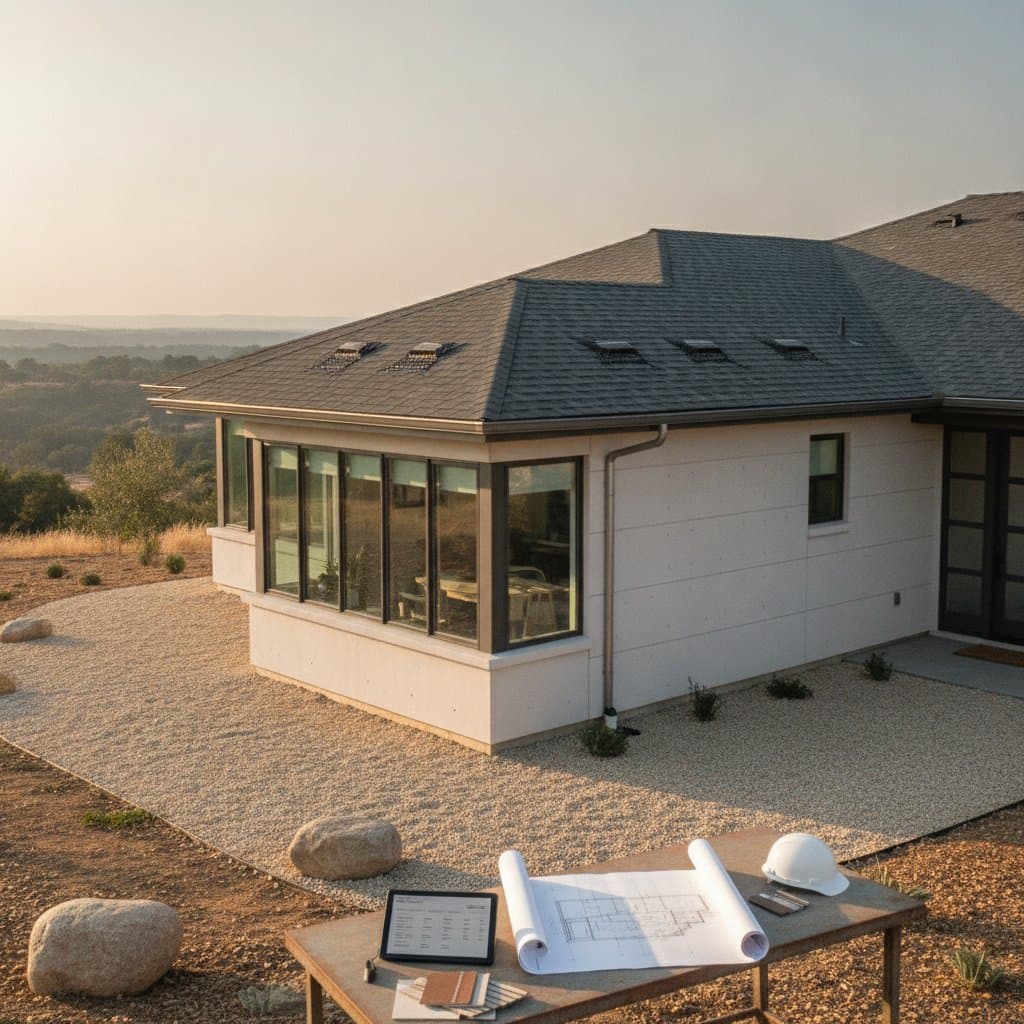
- Unapproved materials, including untreated wood shakes for roofing or non-ignition-resistant vinyl siding
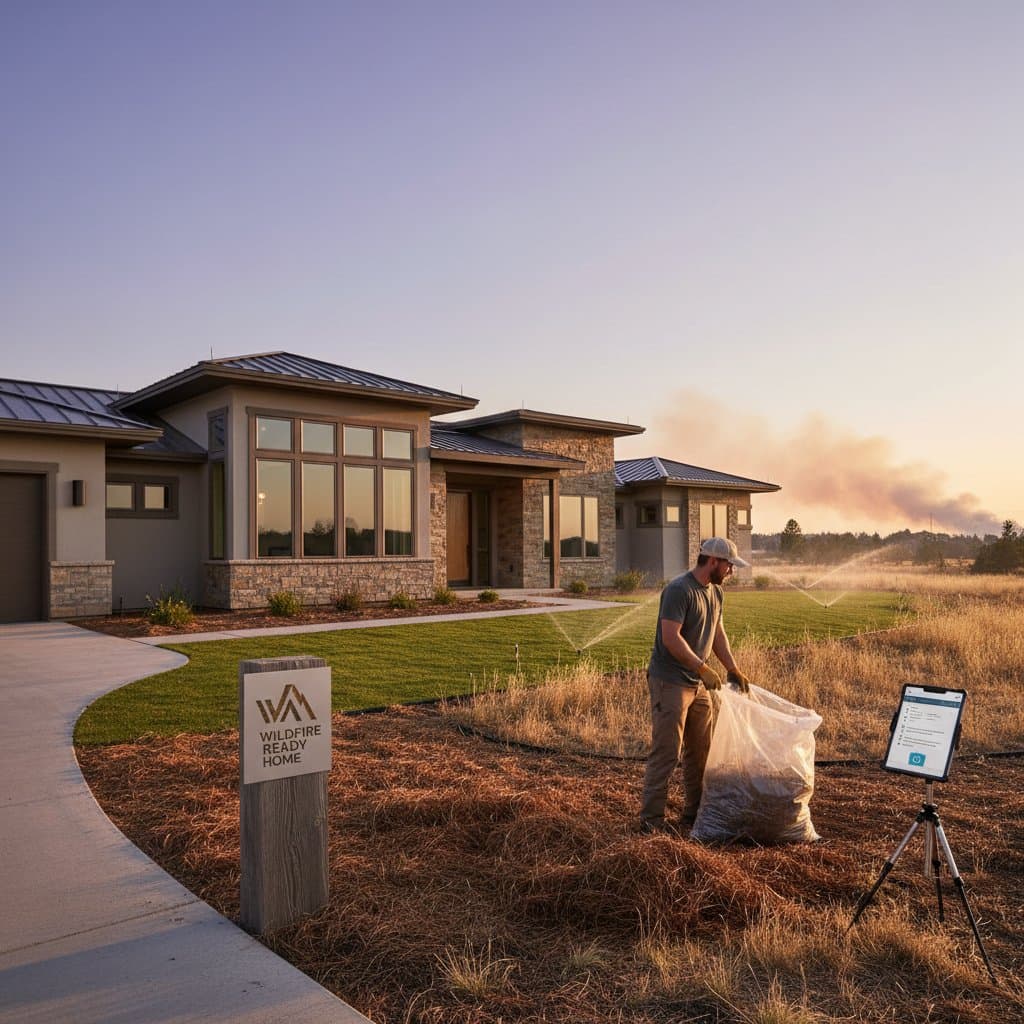
- Neglected vegetation, such as overgrown shrubs or trees encroaching on 5- to 100-foot defensible space zones
- Detached structures, like garages or outbuildings, lacking ember-resistant upgrades
- Conflicts with municipal codes that override insurer-specific hardening requirements
Claims denials often stem from unsealed ember entry points, such as attic vents, or inadequate vegetation clearance. Even insured properties face rejection without supporting evidence like inspection photos or contractor reports. Proactive documentation mitigates these risks effectively.
Building a Compliance Decision Framework
Homeowners facing these regulations can use a systematic process to evaluate and implement changes. This approach integrates risk evaluation with cost-benefit analysis for confident decision-making.
- Assess risk exposure: Consult local fire hazard severity maps to determine your property's zone rating, from moderate to very high.
- Review insurance criteria: Contact providers for detailed compliance checklists, including required materials and inspection protocols.
- Estimate retrofit costs: Secure bids from certified contractors for upgrades like Class A fire-rated roofing, metal mesh screens on vents, and professional landscape clearing.
- Compare financial options: Calculate retrofit investments against projected premium discounts, which can reach 15 to 30 percent for full compliance.
- Evaluate provider reliability: Examine state insurance department records for denial rates and customer satisfaction scores.
Applying this framework simplifies navigation of regulatory demands. It ensures decisions align with both immediate budgets and long-term protection goals.
Steering Clear of Documentation and Retrofit Errors
Coverage lapses frequently result from overlooked paperwork rather than outright non-compliance. Homeowners should compile comprehensive files, including dated receipts for pruning services, before-and-after photos of cleared perimeters, and certifications from fire safety experts.
Partial improvements present another challenge. For instance, upgrading vents to ember-resistant models while keeping flammable eaves may fail to meet holistic standards. Insurers evaluate properties as integrated systems, demanding simultaneous adherence across all elements.
Individual assessments override community efforts. A compliant neighborhood does not exempt a single home from scrutiny based on its unique building materials or landscaping. Regular self-audits against insurer guidelines prevent such oversights.
Securing Long-Term Property Resilience
These wildfire rules emphasize personal accountability in high-risk ownership. Embracing them through targeted enhancements yields dual advantages in safety and economics.
Properties fortified with non-combustible siding, sealed ignition zones, and year-round vegetation control exhibit lower loss potential. Such preparations not only sustain insurance access but also curb escalating premiums that could strain household finances.
Optimal practices involve ongoing vigilance. Schedule annual professional inspections, sustain defensible space with seasonal maintenance, and scrutinize policy renewals for emerging requirements. This disciplined routine fortifies assets against threats while upholding coverage continuity.
Through rigorous planning, precise record management, and adaptive strategies, homeowners transform regulatory challenges into opportunities for enduring security. The outcome extends beyond mere compliance to foster stability and confidence in an unpredictable environment.