Defensible Space: Your Barrier Against Wildfire Spread
Wildfire threats intensify across various landscapes, placing greater responsibility on property owners in vulnerable areas. Defensible space emerges as a proven method to safeguard homes and residents by creating controlled zones that interrupt fire progression. This approach integrates deliberate landscaping choices, durable material selections, and regular upkeep practices to minimize ember ignition and heat exposure risks. Homeowners who implement defensible space shift from reactive measures to proactive defense, enhancing both immediate safety and enduring property resilience.
Defining Defensible Space and Its Core Principles
Defensible space refers to the buffered zone surrounding a structure, engineered to delay or halt wildfire advancement toward buildings. Firefighters benefit from these areas through improved access and reduced operational hazards, while embers and flames encounter barriers that prevent direct contact. Far from mere lawn maintenance, defensible space demands precise zoning strategies, vigilant monitoring, and strict compliance with regional fire regulations.
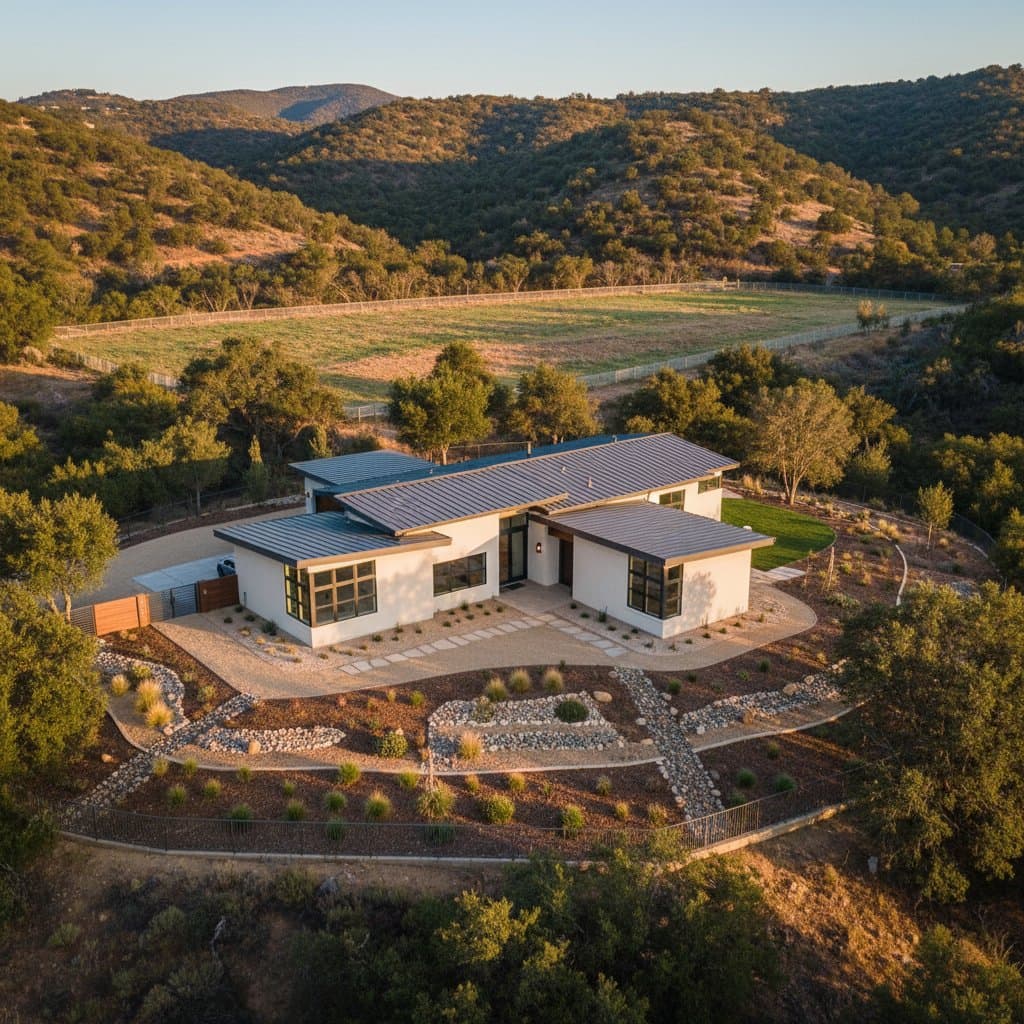
Authorities classify defensible space into three primary zones radiating from the home. Zone 1 encompasses the closest perimeter, usually 0 to 5 feet, where all flammable items like plants, mulch, and debris receive complete removal or replacement with noncombustible alternatives. Zone 2 spans 5 to 30 feet outward, emphasizing fuel reduction through spaced plantings and low-growing species that limit fire ladder formation. Zone 3 extends to 100 feet or the property boundary, promoting vegetation thinning to curb rapid fire spread across larger areas.
Planning Finances for Defensible Space Implementation
Establishing defensible space entails upfront investments in labor, supplies, and modifications, alongside sustained annual expenditures. Homeowners benefit from categorizing these costs to forecast budgets accurately and identify potential offsets.
Initial setup expenses cover vegetation clearance, soil adjustments, and basic installations, ranging from $500 for small lots to $5,000 or more for extensive properties with dense growth. Upgrading home features to fire-resistant options, including Class A-rated roofs or ignition-resistant siding, adds $3,000 to $20,000 depending on scope and materials chosen. Recurring maintenance involves professional services for pruning and debris management, typically $100 to $300 per visit or $1,000 yearly for comprehensive plans.
Insurance carriers frequently reward defensible space efforts with premium reductions of 5 to 15 percent upon certification. Certain policies mandate these improvements for coverage eligibility in fire-prone regions, turning compliance into a financial safeguard. Over five years, such measures often recoup costs through avoided repairs and enhanced policy terms, positioning defensible space as a strategic asset rather than a mere expense.
Building Defensible Space: A Phased Approach
Projects unfold in deliberate stages to maximize durability and regulatory alignment. Each phase builds upon the previous, ensuring comprehensive coverage without overlooked vulnerabilities.
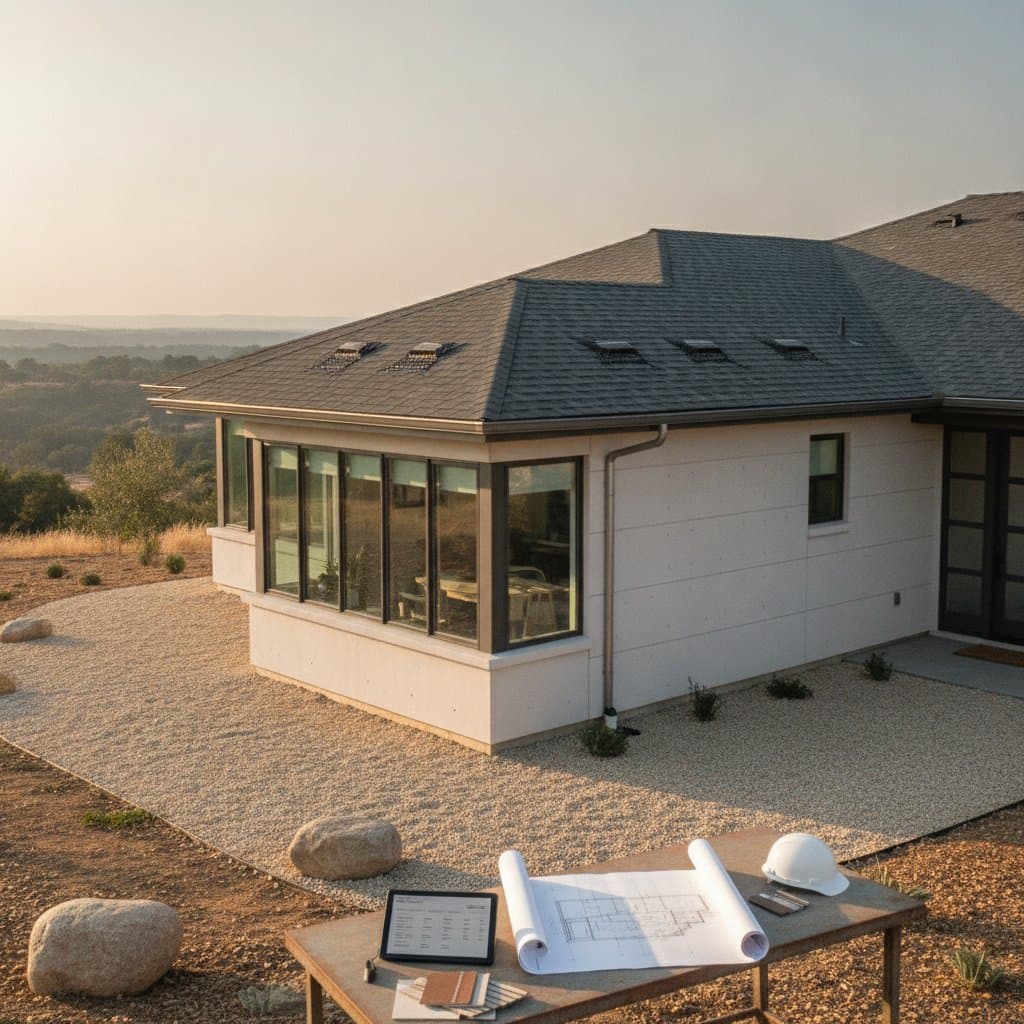
Begin with a thorough site evaluation conducted by fire specialists or extension services, mapping hazards like overgrown shrubs, steep gradients, and prevailing winds that accelerate fire behavior. Develop a zoning blueprint using site measurements, specifying plant removals, irrigation placements, and hardscape integrations like gravel paths to break fuel continuity.
Proceed to execution by clearing Zone 1 entirely of combustibles, installing ember screens on vents, and enclosing eaves with metal mesh. In Zones 2 and 3, thin trees to maintain 10-foot gaps between crowns, opt for succulents or native grasses under 18 inches tall, and apply rock mulches instead of wood-based ones. Modify adjacent structures, such as replacing wooden fences with fiber-cement panels or elevating decks to eliminate understory fuels.
Finalize with third-party verification from local fire departments, securing permits and certificates that validate adherence to standards like those from the International Wildland-Urban Interface Code. Document all changes with photographs and receipts to support insurance audits. Transition to maintenance by scheduling quarterly reviews to address regrowth and seasonal debris accumulation.
Recognizing Defensible Space Boundaries and Constraints
While effective, defensible space operates within defined limits influenced by environmental variables. Awareness of these factors guides realistic planning and complementary protections.
Intense winds propel embers over distances exceeding 100 feet, bypassing zones to infiltrate roof spaces or accumulate near foundations. Materials labeled fire-resistant may still falter after years of exposure, necessitating biennial assessments for integrity. Steep terrains amplify uphill fire velocities by up to four times, demanding expanded clearances of 150 feet or more in such locations.
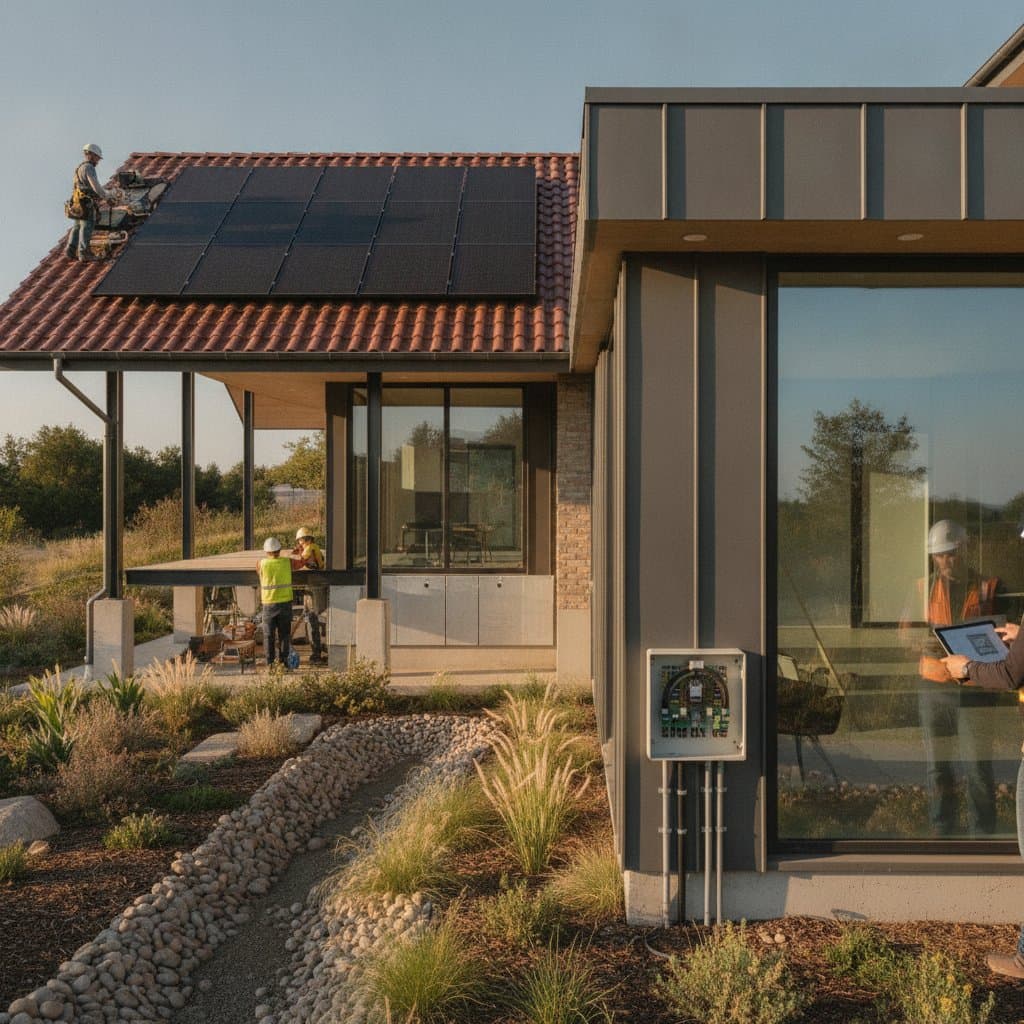
Neighboring unmanaged lots introduce cross-property threats, where unchecked fuels radiate heat or launch spot fires. To counter these, integrate auxiliary defenses like double-pane windows, attic ventilation blocks, and automated drip irrigation tied to weather sensors. These enhancements extend defensible space efficacy without overhauling the primary system.
Extending Financial Benefits Over Time
Beyond initial outlays, defensible space influences broader economic outcomes for property stewardship. Strategic accounting reveals returns that justify ongoing commitment.
Premium discounts from insurers accumulate to thousands annually, particularly in high-risk zones where rates otherwise escalate. Damage prevention averts catastrophic losses, with average wildfire claims surpassing $200,000 per incident. Market analyses show resilient properties appreciate 5 to 10 percent higher at sale, appealing to buyers prioritizing safety certifications.
Account for equipment depreciation, such as pruning tools lasting three to five years at $200 replacement cost, and irrigation components requiring annual servicing. Construct a five-year projection incorporating these elements to track net gains, reinforcing defensible space as an appreciating investment.
Choosing and Vetting Defensible Space Professionals
Reliable expertise ensures projects meet exacting standards without cost overruns. Homeowners secure optimal results by scrutinizing provider qualifications thoroughly.
Seek contractors certified in wildfire mitigation, holding current licenses and liability coverage exceeding $1 million. Gather at least three bids detailing phased timelines, material sourcing, and waste disposal methods, with total estimates under 10 percent variance. Prioritize firms offering post-installation warranties of one to two years and references from similar local projects.
Examine contract language for clarity on change orders, payment milestones tied to inspections, and penalties for delays. Avoid low bids lacking itemized breakdowns, as they often signal shortcuts in debris hauling or code verifications. Established providers maintain transparent records and adapt plans to site-specific needs, fostering trust through consistent communication.
Decoding Maintenance Contract Details
Service agreements outline ongoing support but vary in scope and stipulations. Careful review uncovers value alignments and potential pitfalls.| Plan Type | Estimated Monthly Fee | Visit Charges | Included Services | Notable Restrictions |
|-----------|-----------------------|---------------|-------------------|----------------------|
| Standard | $150 to $250 | $50 to $100 per extra call | Basic pruning, leaf clearance, vent checks | No structural repairs or irrigation overhauls |
| Advanced | $300 to $500 | Included in fee | Full zoning audits, minor plant replacements, seasonal deep cleans | Excludes extreme weather responses or large-scale clearings |Clauses frequently limit liability for acts of nature and mandate client-provided access during visits. Additional charges apply for after-hours services or material sourcing beyond standard supplies. Negotiate inclusions like digital progress reports to streamline oversight and resolve issues promptly.
Fulfilling Maintenance Duties for Sustained Protection
Vigilant routines preserve defensible space integrity against natural reversion. Structured schedules minimize effort while upholding insurance compliance.
Perform monthly sweeps of roofs, gutters, and foundations to eliminate leaf litter and pine needles that harbor embers. Every three months, mow grasses to 4 inches maximum, test sprinkler coverage for even distribution, and inspect fences for dry rot. Annually, hire arborists to limb trees at least 6 feet above ground and reapply gravel in mulched areas.
Document adherence with timestamped images and logs, essential for validating claims post-event. Lapsed maintenance invites policy denials, as carriers scrutinize evidence of neglect. Pair personal efforts with professional reinforcements to achieve layered defense without overwhelming daily routines.
Verifying Work Quality and Longevity
Post-completion evaluations confirm adherence to design and codes, safeguarding investments. Homeowners actively participate to enforce accountability.
Conduct walkthroughs noting clearance distances, material installations, and debris absence before approving payments. Engage independent inspectors for unbiased reports on zone compliance and vulnerability gaps. Pursue official certifications from fire agencies, which bolster legal protections and market appeal.
Cultivate partnerships with maintenance teams for biannual performance reviews, adjusting for vegetation shifts or material wear. This oversight cycle sustains effectiveness, adapting to evolving threats like drier climates or invasive species. Consistent quality checks transform defensible space from static setup to dynamic shield.
Integrating Defensible Space into Broader Resilience Strategies
Tailor defensible space to your property's distinct features, from soil types to exposure patterns, for optimal impact. Balance fiscal planning with safety imperatives to yield enduring safeguards. This integrated method not only curbs fire risks but elevates overall living security, empowering informed stewardship in wildfire country.