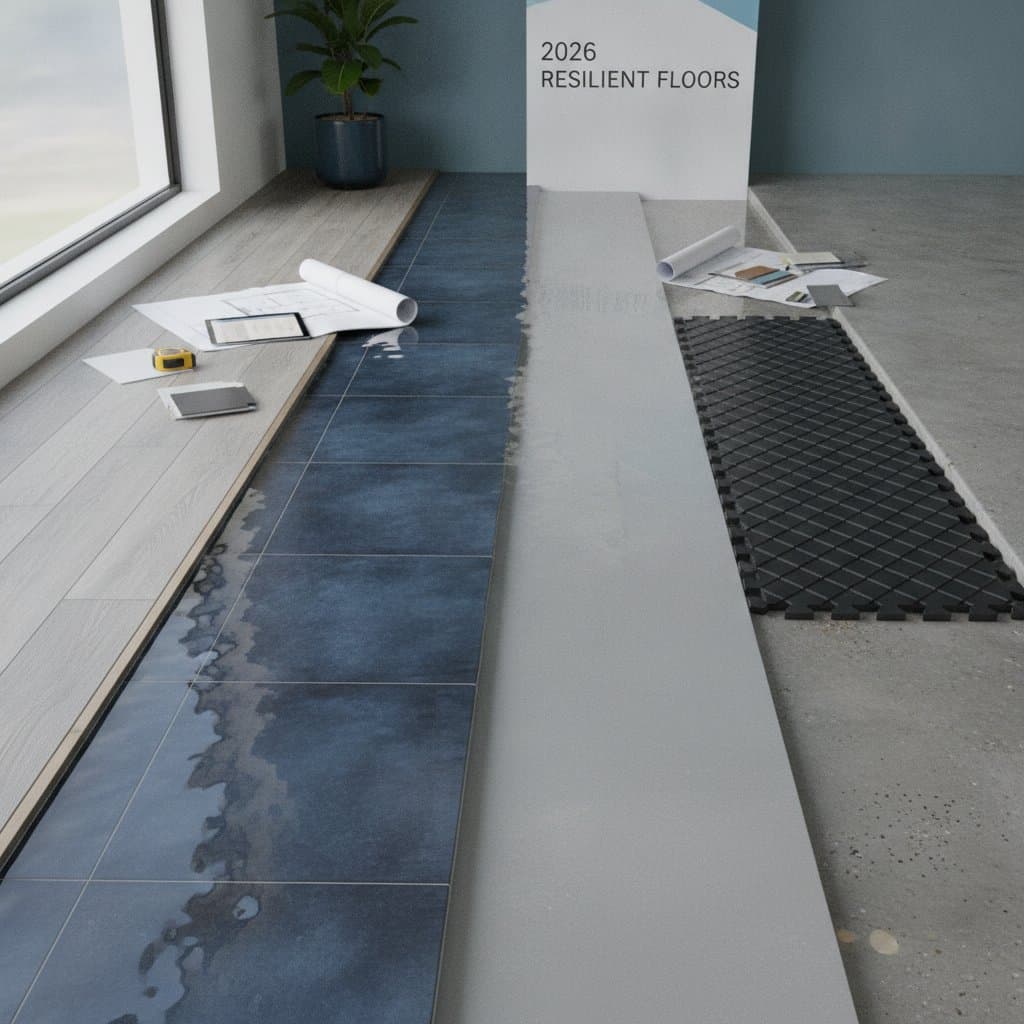
Flood-Resistant Flooring Costs and Options
Flood-resistant flooring protects homes from water damage while offering durable surfaces suited to basements, entryways, and other moisture-prone areas. Installed costs range from 3 to 18 dollars per square foot in 2026 depending on material type, site preparation, and labor choices.
Comparing Installation Approaches
Luxury Vinyl and Rubber Tiles
Homeowners with beginner to intermediate skills can complete these floors in one weekend for a medium-sized room. Use knee pads, gloves, and a utility knife fitted with fresh blades. Stop and consult a professional if the subfloor shows uneven areas or existing dampness that requires leveling or a moisture barrier.
Tile or Epoxy Floors
Advanced skill levels are necessary for tile or epoxy applications that take two to four days plus curing time. Wear a respirator and maintain strong ventilation when working with epoxy. Engage a licensed installer for large spaces, uneven slabs, or projects that involve electrical grounding or integrated drains.
Sealed Concrete
Intermediate skill levels suffice for cleaning and coating concrete in one to two days. Protect eyes and respiratory systems during acid etching or solvent application. Professional help reduces the chance of improper sealing that allows future water intrusion.
DIY projects reduce labor expenses by 20 to 50 percent yet raise the risk of leaks when seals or underlayments are not installed correctly.
Care Routines and Expected Lifespan
Luxury vinyl performs for 10 to 20 years when swept and damp-mopped on a regular schedule. Damaged planks can be lifted and replaced individually. Tile surfaces endure 30 years or longer when grout is resealed every few years. Epoxy coatings last 10 to 15 years and benefit from a new topcoat once the surface begins to dull. Rubber flooring remains serviceable for about 10 years with mild soap cleaning that avoids harsh solvents. Sealed concrete lasts for decades when a fresh sealer is applied every few years.
Dry any flooded area promptly with fans and dehumidifiers to keep mold from developing under baseboards or beneath underlayment.
Common Questions
Can flood-resistant flooring be installed over wood subfloors?
Only when a complete moisture barrier is added and the wood remains structurally sound. Water that reaches the subfloor can still cause hidden damage.
Do these floors withstand complete submersion?
Tile, epoxy, and sealed concrete tolerate standing water without issue. Vinyl and rubber resist moisture yet may separate at the edges during prolonged exposure.
Are flood-resistant floors slippery when wet?
Certain epoxy finishes become slick. Incorporate texture additives or anti-slip aggregates during installation to maintain safe footing.
How should floors be disinfected after flooding?
Apply a bleach solution or a product approved for the specific flooring type, then allow complete drying before resealing or replacing trim.
Do these materials impact indoor air quality?
Low-VOC vinyl, water-based sealers, and natural rubber generally support better air quality than older solvent-based adhesives.
Next Steps for Protection
Schedule a moisture inspection before purchasing materials. Match the flooring type to actual usage patterns rather than appearance alone. Tile, epoxy, or sealed concrete deliver extended performance in spaces that experience repeated dampness. Allocate funds for sealing details, trim work, and drying equipment so the finished floor delivers lasting value.