
Articles tagged with prevention
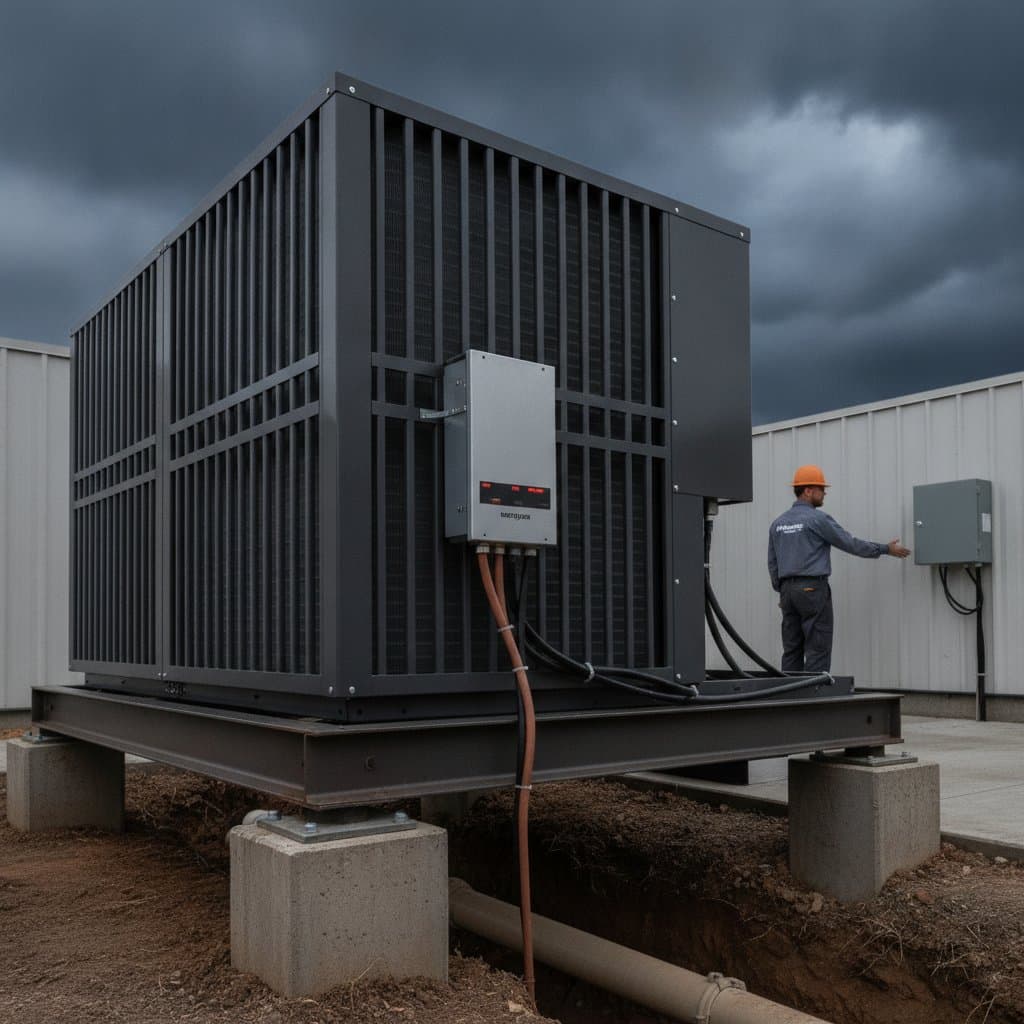
Protect your HVAC system before hurricane season strikes. Learn how to secure, elevate, and shield critical components from flooding, wind, and power surges. This guide breaks down permanent and temporary solutions, cost factors, safety codes, and post-storm recovery steps to keep your system reliable, efficient, and storm-ready year after year.

Preparing your home for future floods can cost anywhere from $22,000 to $83,000, depending on scope, materials, and site conditions. This 2026 guide explains cost factors, professional versus DIY options, and smart savings strategies to make floodproofing investments pay off through lower insurance premiums and increased property resilience.
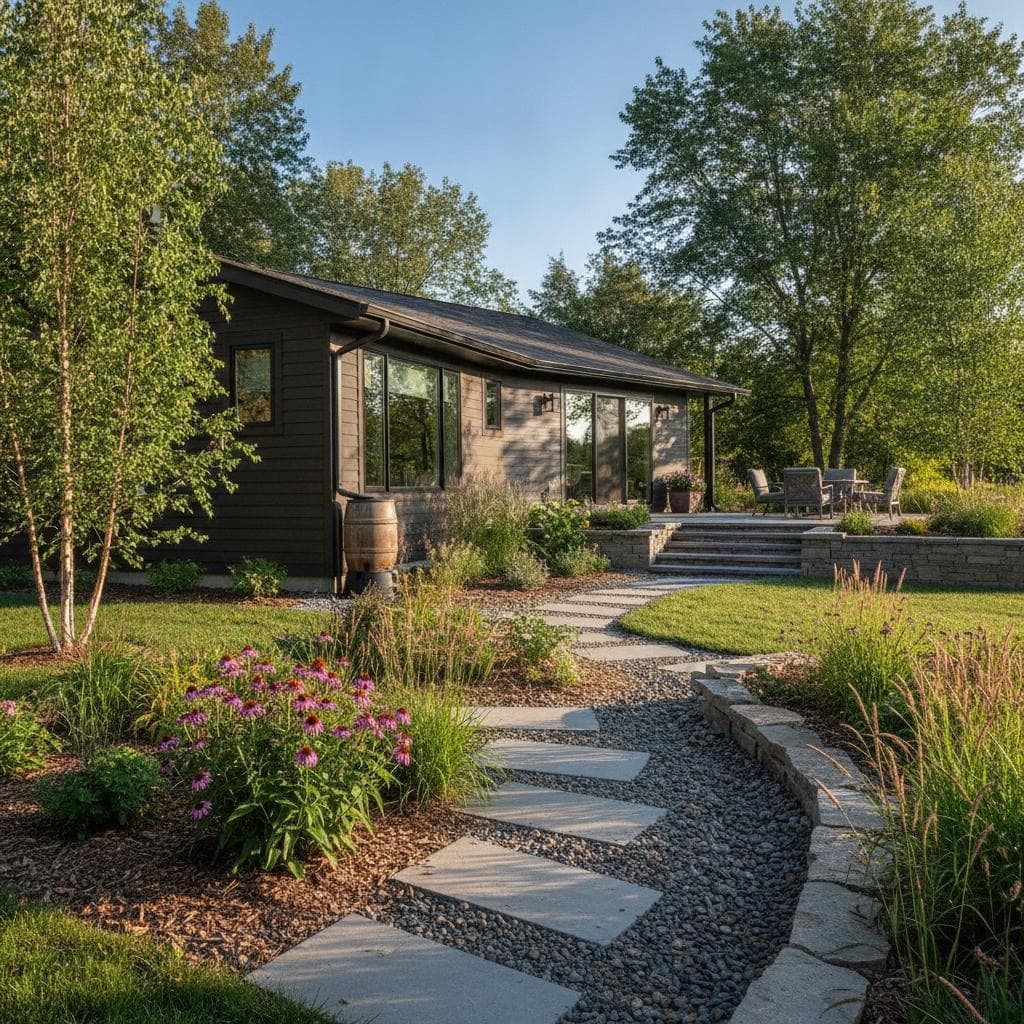
Transform your yard into a flood-resistant landscape that safeguards your home and boosts property value. Learn how design, materials, and site conditions affect costs from $3,000 to $10,000, explore eco-friendly drainage options, and see why professional planning supports sustainability and long-term resilience.

Strengthen your home against rising water with targeted 2026 upgrades. Review sump pumps, French drains, grading, and waterproofing options along with cost ranges, DIY tasks, and professional requirements. Balance protection, budget, and long term value through careful planning and maintenance.
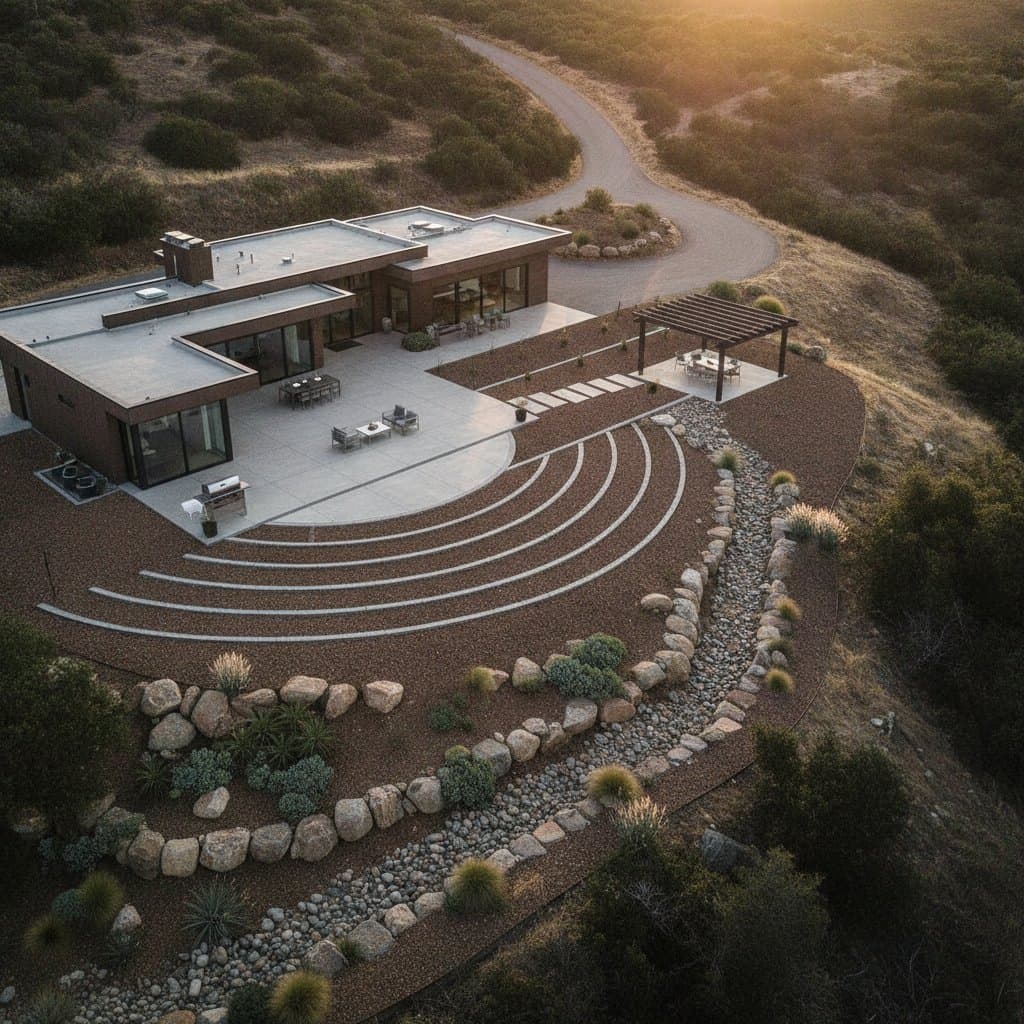
Strategic hardscaping with noncombustible materials slows flames, protects access, and lowers maintenance. Review costs, design steps, code requirements, and professional versus DIY guidance for a resilient landscape.

Rising flood risks now affect inland properties. This guide details 2026 climate upgrades that combine structural work, financial planning, and contract review to build lasting resilience.
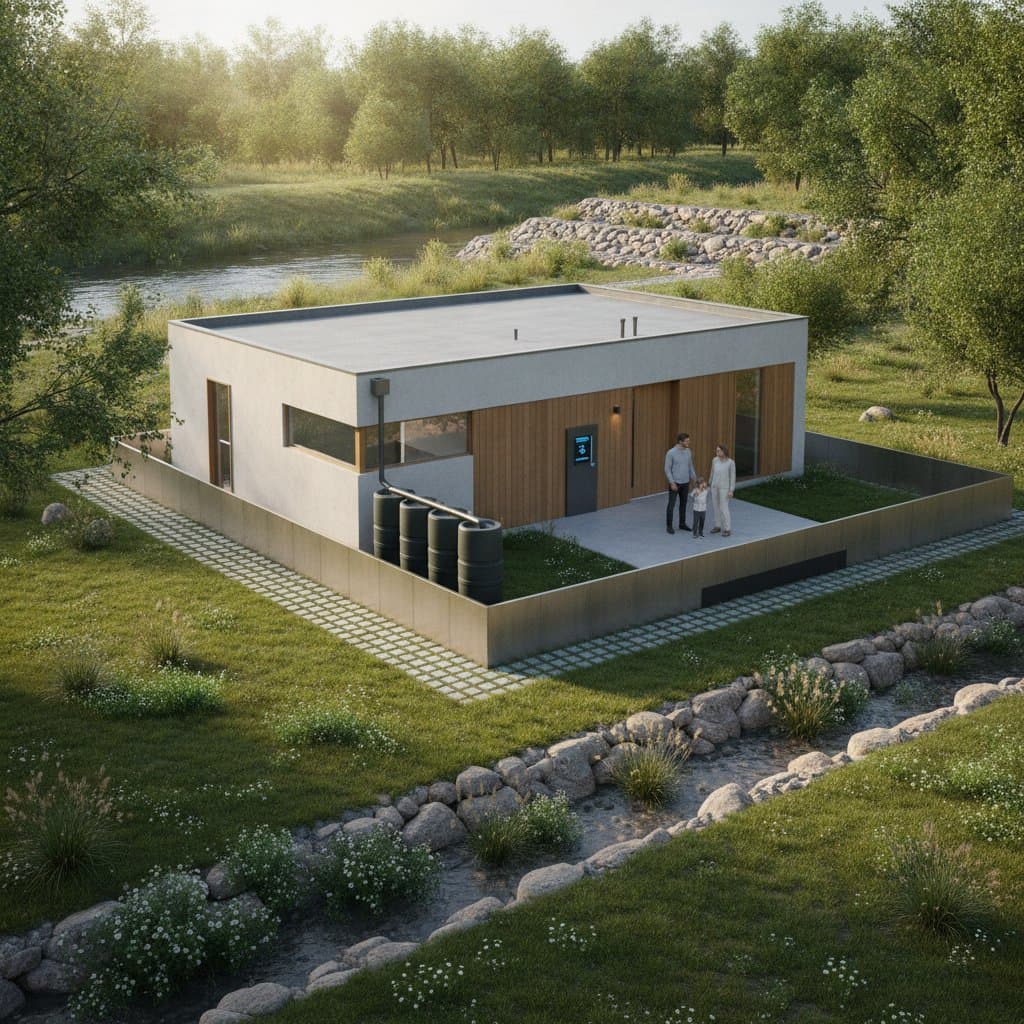
Flood prevention upgrades can cut damage risk by 80 percent while boosting property value. Costs range from $3,000 for basic systems to $22,000 for premium packages. Discover how professional installation, smart planning, and seasonal timing maximize protection and savings.
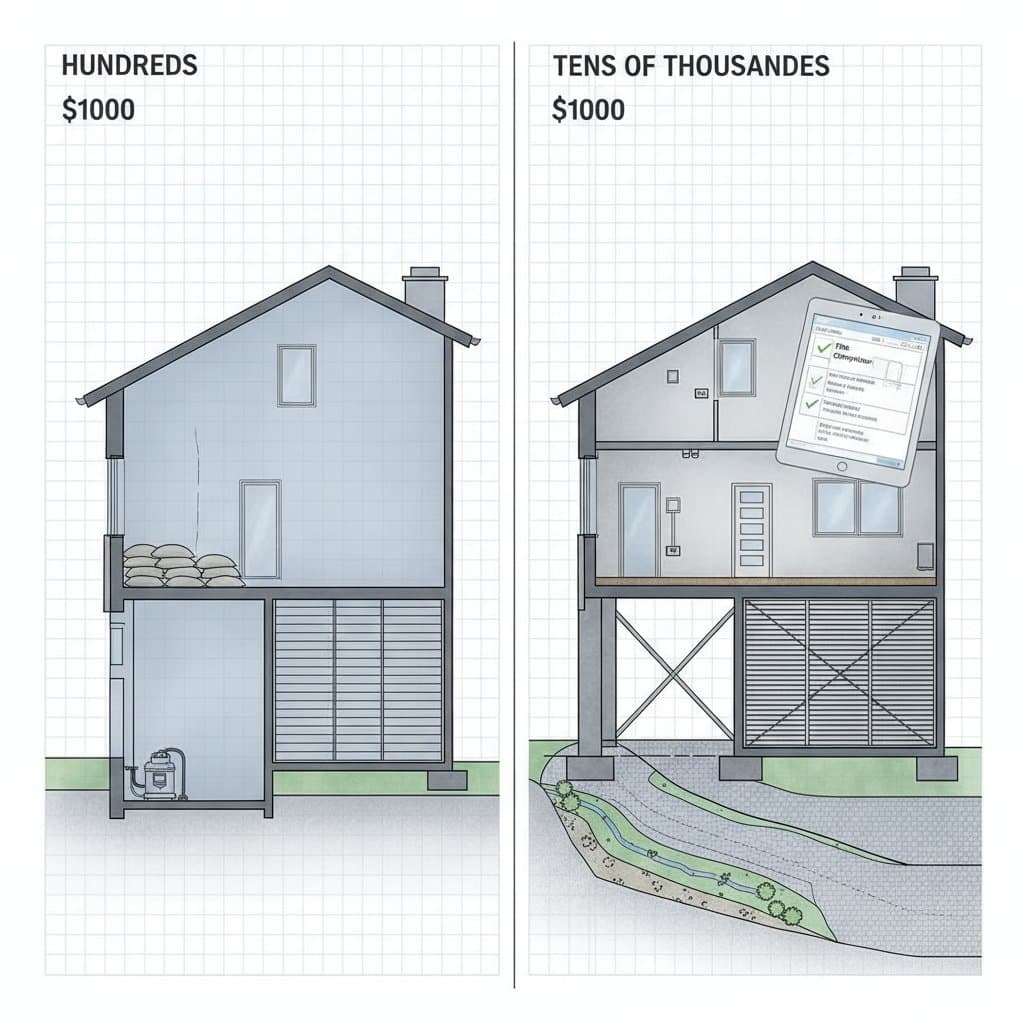
From simple crack sealing to full home elevation, flood proofing protects against rising water and costly repairs. Costs range from hundreds to tens of thousands, depending on risk and design. Learn when DIY fixes suffice, when professionals are essential, and how smart planning can lower insurance and future damage.
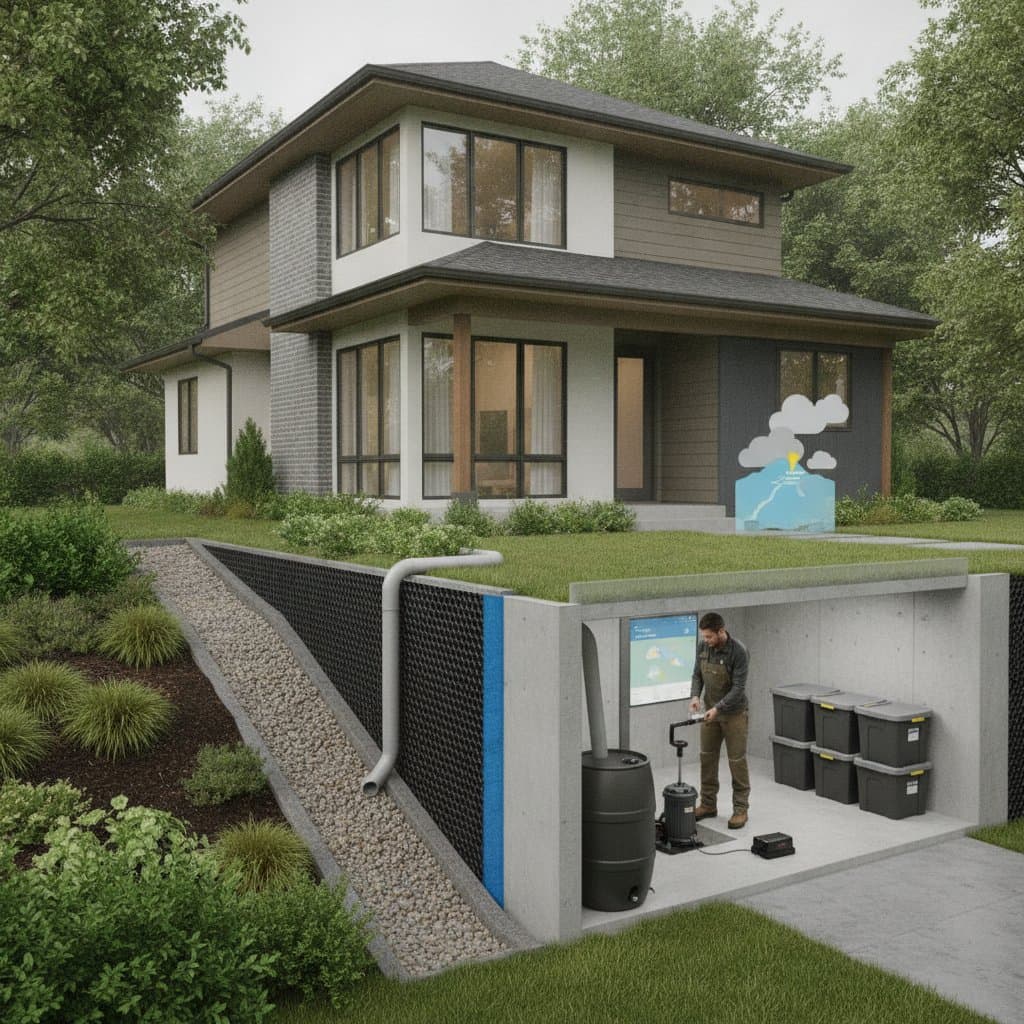
Homeowners facing rising flood risks can combine grading, drainage, and waterproofing into budget-appropriate defenses. This guide outlines realistic costs, scheduling considerations, and maintenance routines that deliver lasting protection.
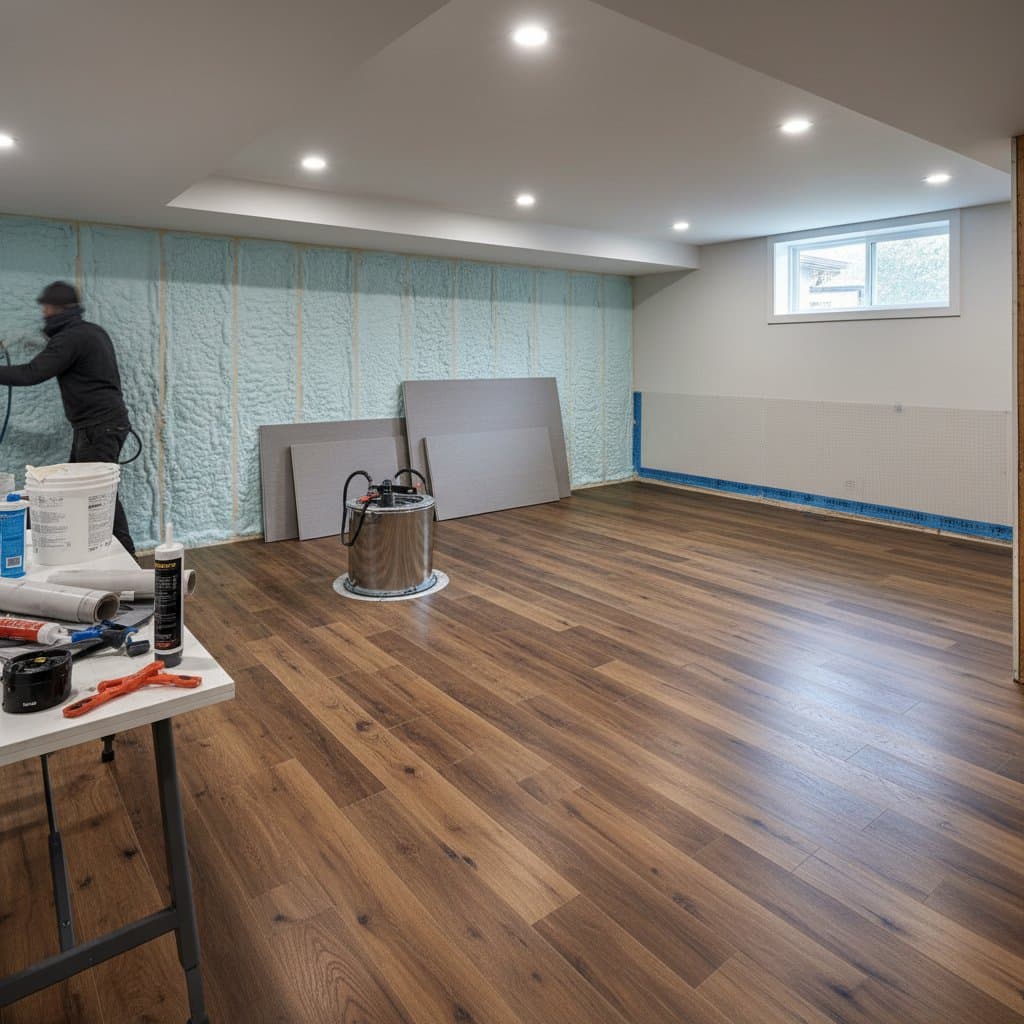
Protect your basement from flood damage with smart material choices. This guide compares flood-proof options from cement board to vinyl panels costing $6 to $35 per square foot. Learn how installation, drainage, and climate affect project costs, timelines, and maintenance.
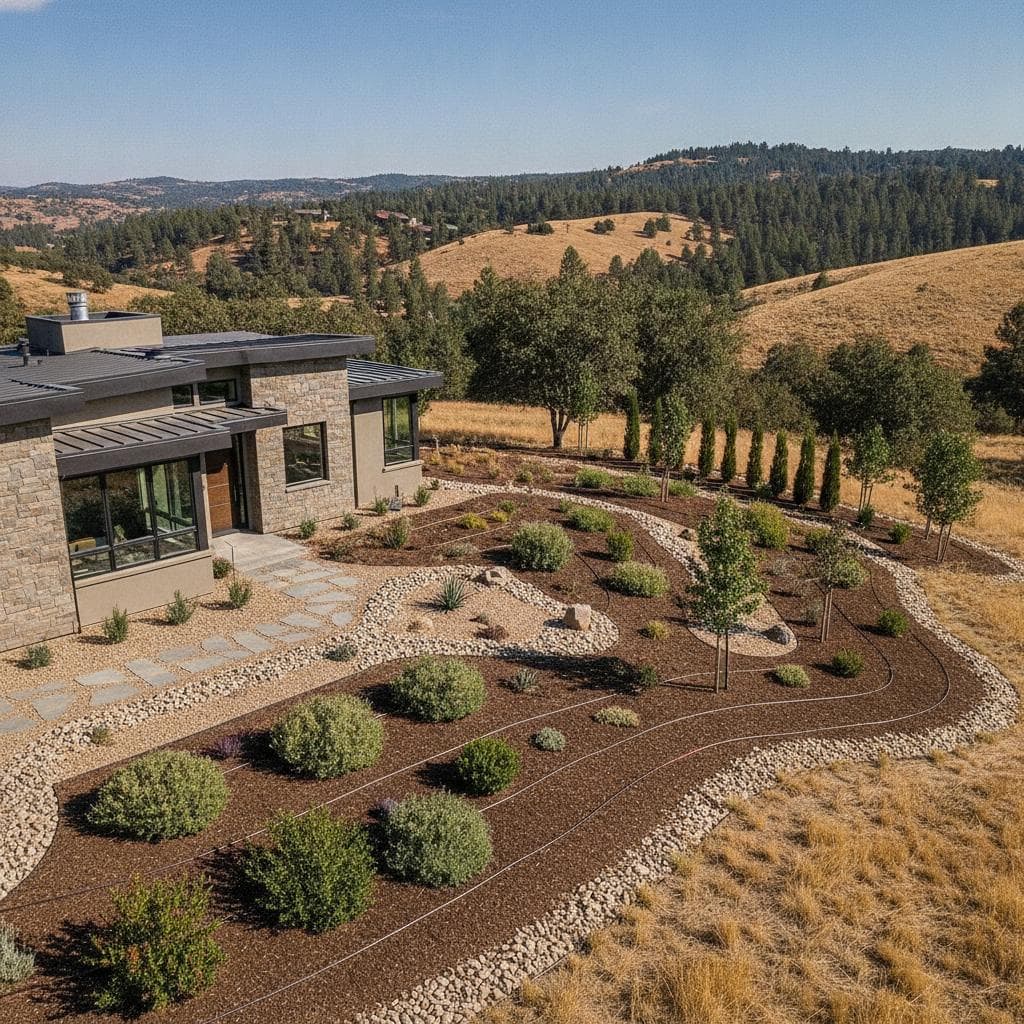
Fire-resistant landscaping creates defensible space that reduces wildfire risk by up to 80 percent. Average projects cost around 7800 dollars. Property size, materials, and terrain determine final pricing. Professional installation improves safety, curb appeal, and long-term value.
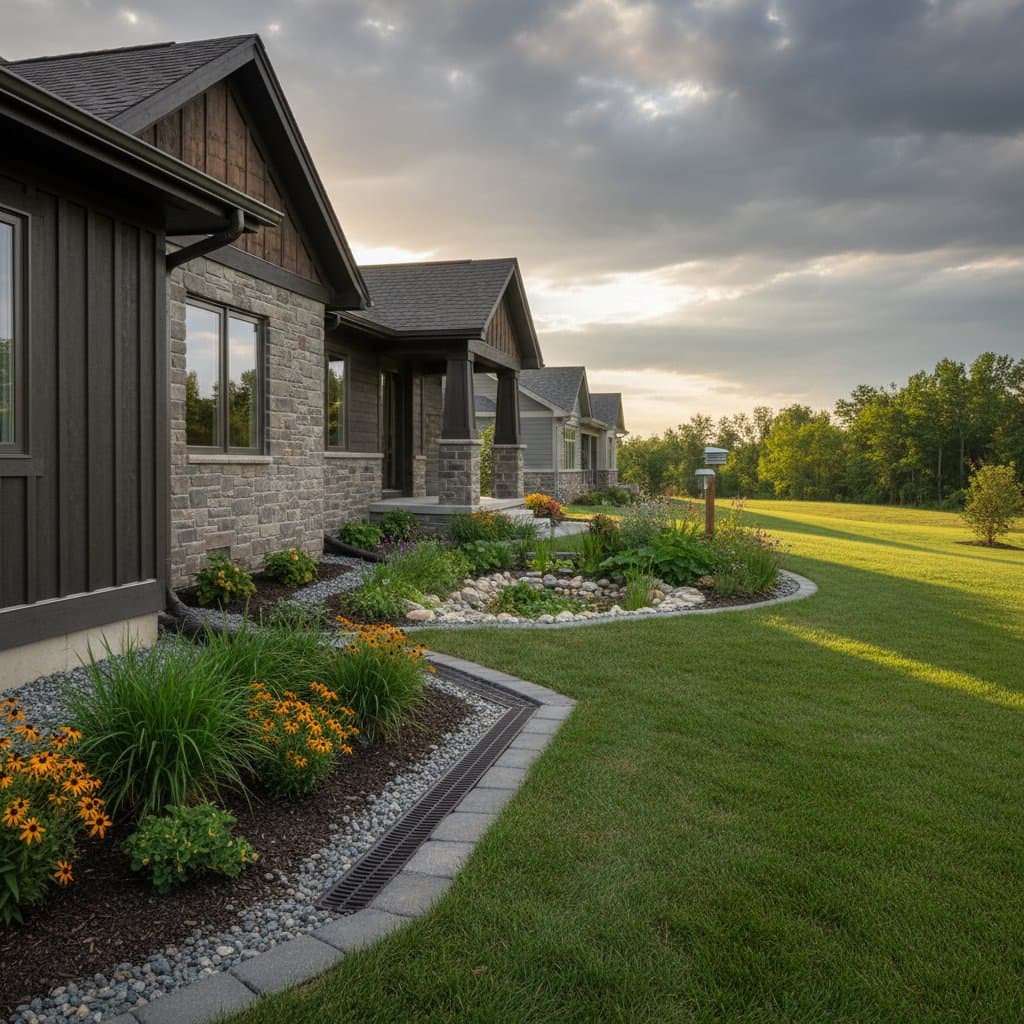
Protect your home from rising water with smart grading, sealing, and drainage solutions. Learn cost effective steps, when to call professionals, and how seasonal maintenance keeps your foundation dry.

Home warranties now fund wildfire prevention work such as inspections, vegetation clearing, and fire-resistant upgrades. This coverage bridges insurance gaps by lowering ignition risks, supporting code compliance, and potentially reducing premiums through proactive maintenance.
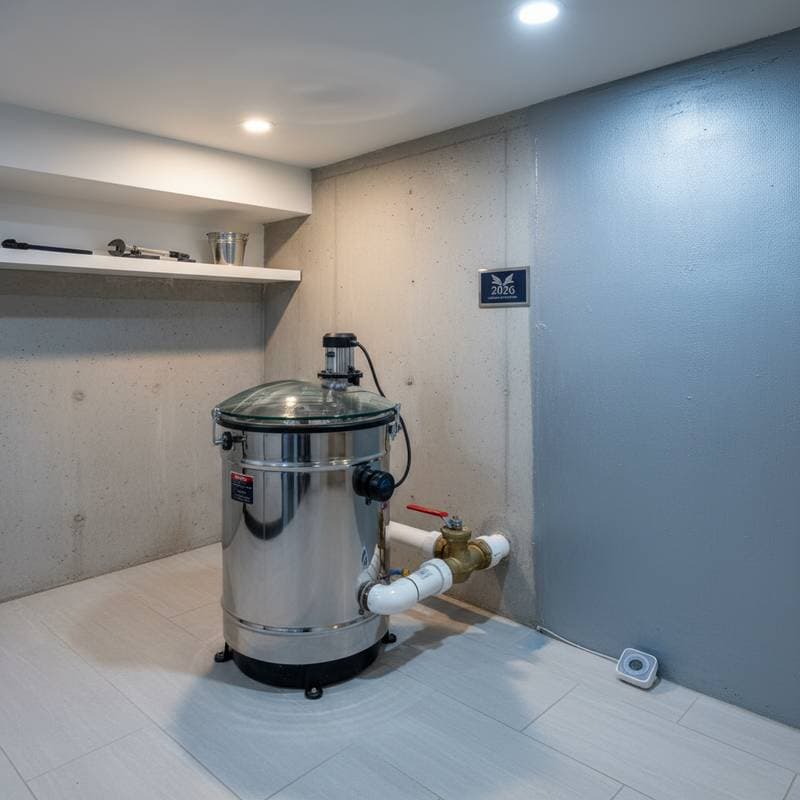
Starting in 2026, homeowners with basements must install approved flood protection systems to retain insurance coverage. Requirements include verified sump pumps, backwater valves, and waterproofing measures.
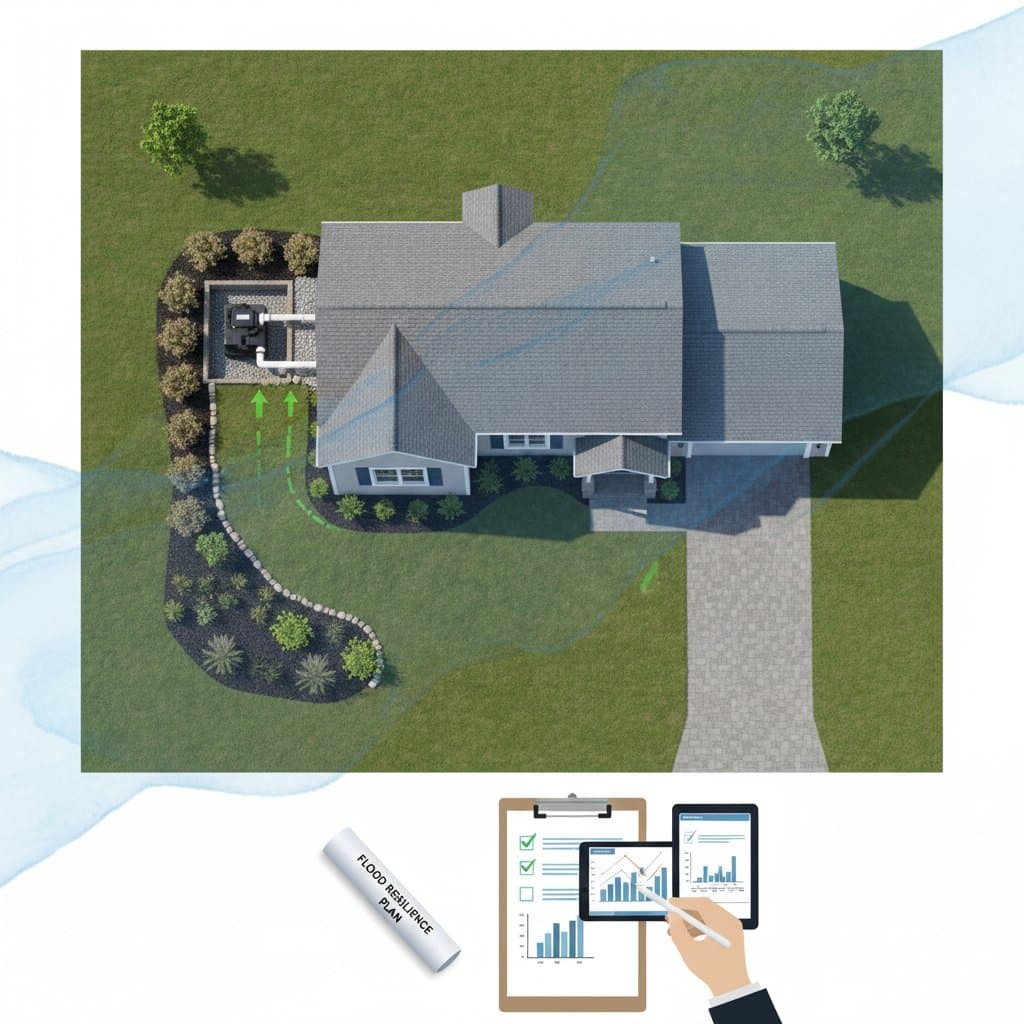
Rising flood risks demand proactive planning, smart investments, and consistent maintenance. From grading and sump pumps to landscaping and insurance, every preventive measure strengthens your home resilience and financial security. Learn how to assess risk, manage costs, and build long-term protection that keeps your property safe and its value intact.
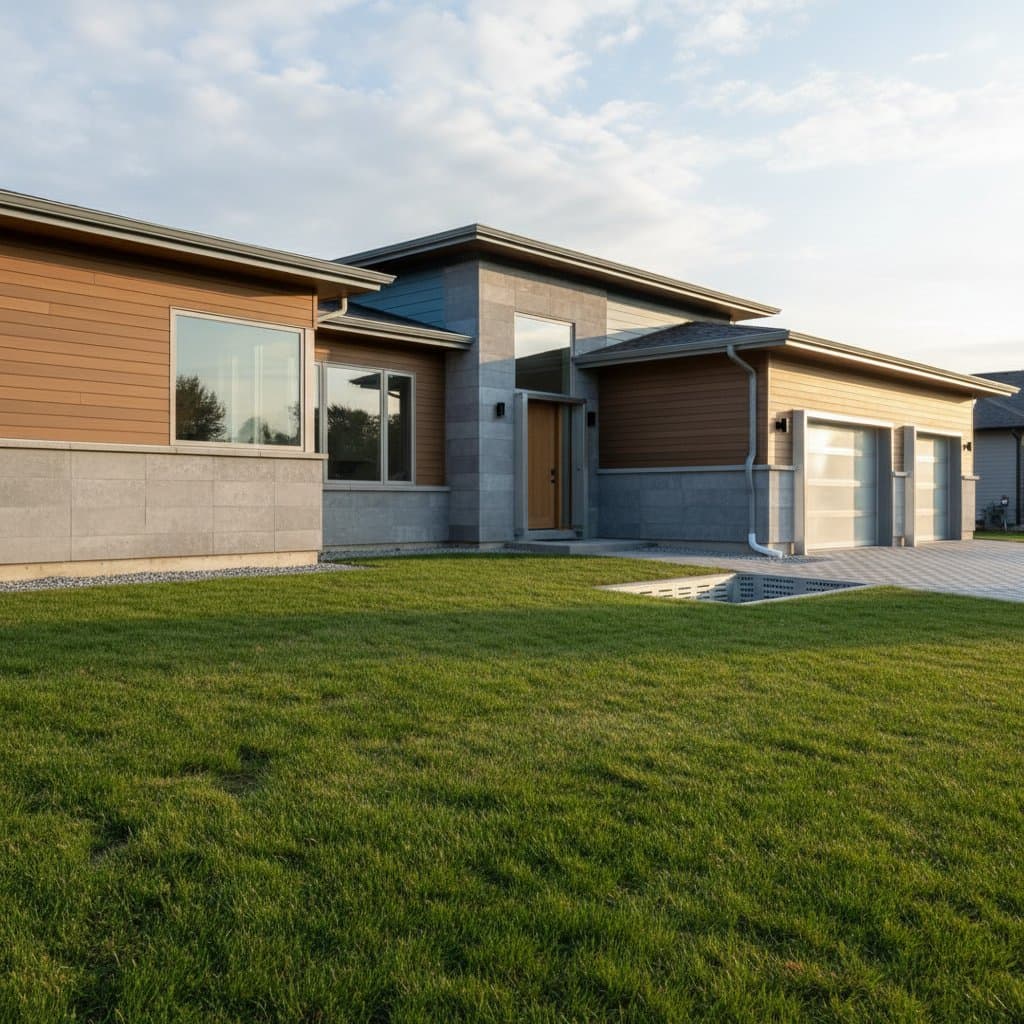
Protect your home from rising waters with flood-resilient upgrades. Learn how grading, sealing, drainage systems, and flood-rated materials safeguard structures, lower insurance costs, and speed recovery.
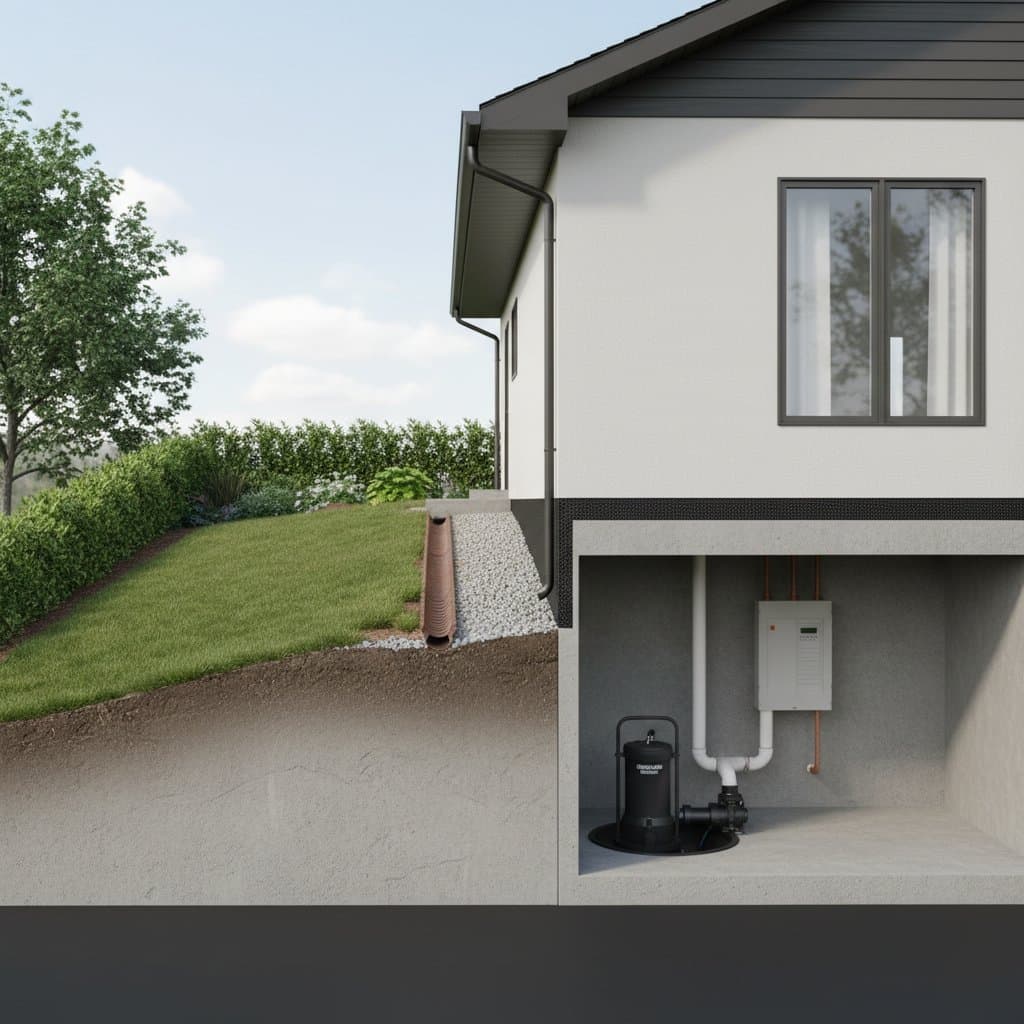
Protect your home from rising water with practical upgrades. Begin with grading and drainage improvements, then add foundation sealing, sump pumps, and elevated utilities. This guide covers costs, do it yourself options, and maintenance practices that keep properties dry and resilient.
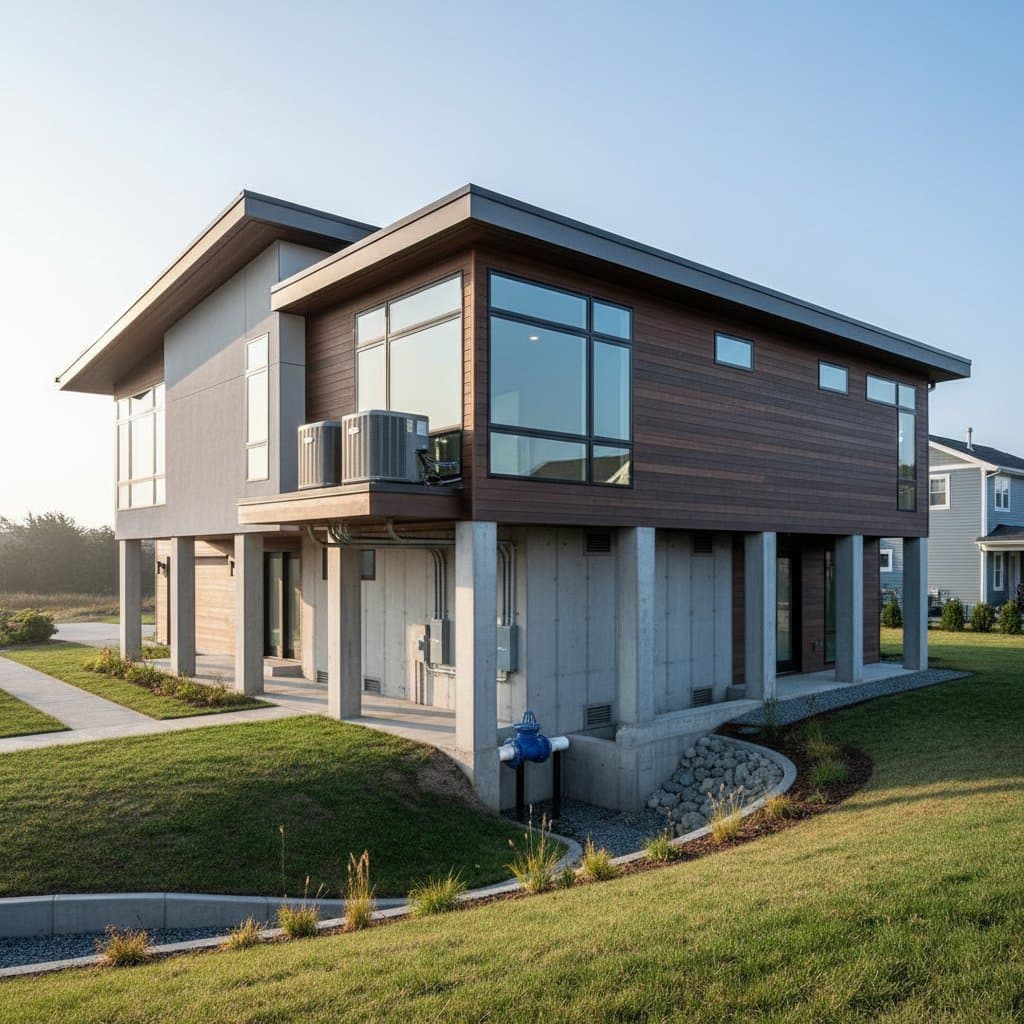
Starting in 2026, insurers in flood-prone regions will demand proof of flood-proofing measures for policy renewals. Essential upgrades include foundation sealing, utility elevation, and backflow prevention to minimize damage risks. This overview details key requirements, estimated expenses, and practical steps to ensure compliance and safeguard your property.
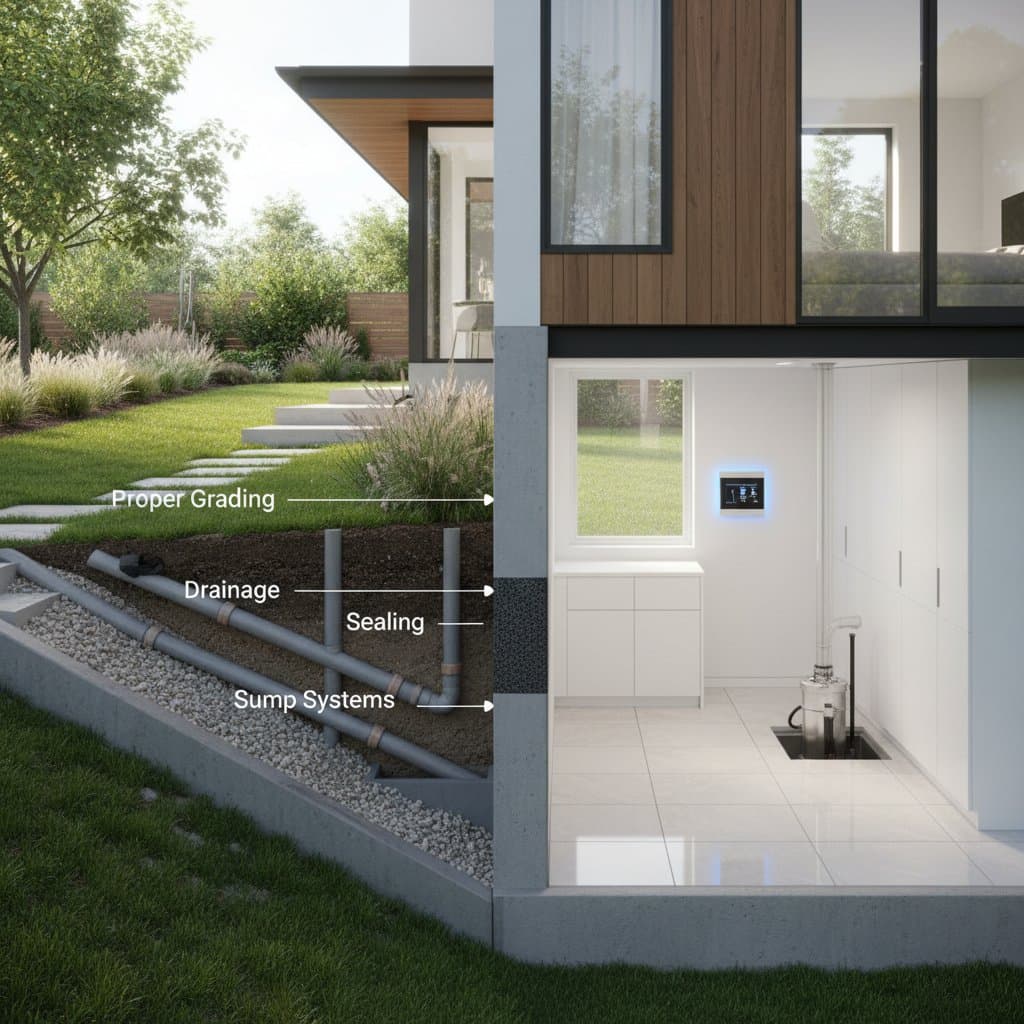
Safeguard your home against flood damage with a comprehensive three-layer prevention strategy. This approach involves deflecting water away from the foundation, defending the structure against intrusion, and discharging excess water efficiently. Gain insights into implementation costs, maintenance requirements, and professional assistance to achieve reliable protection.
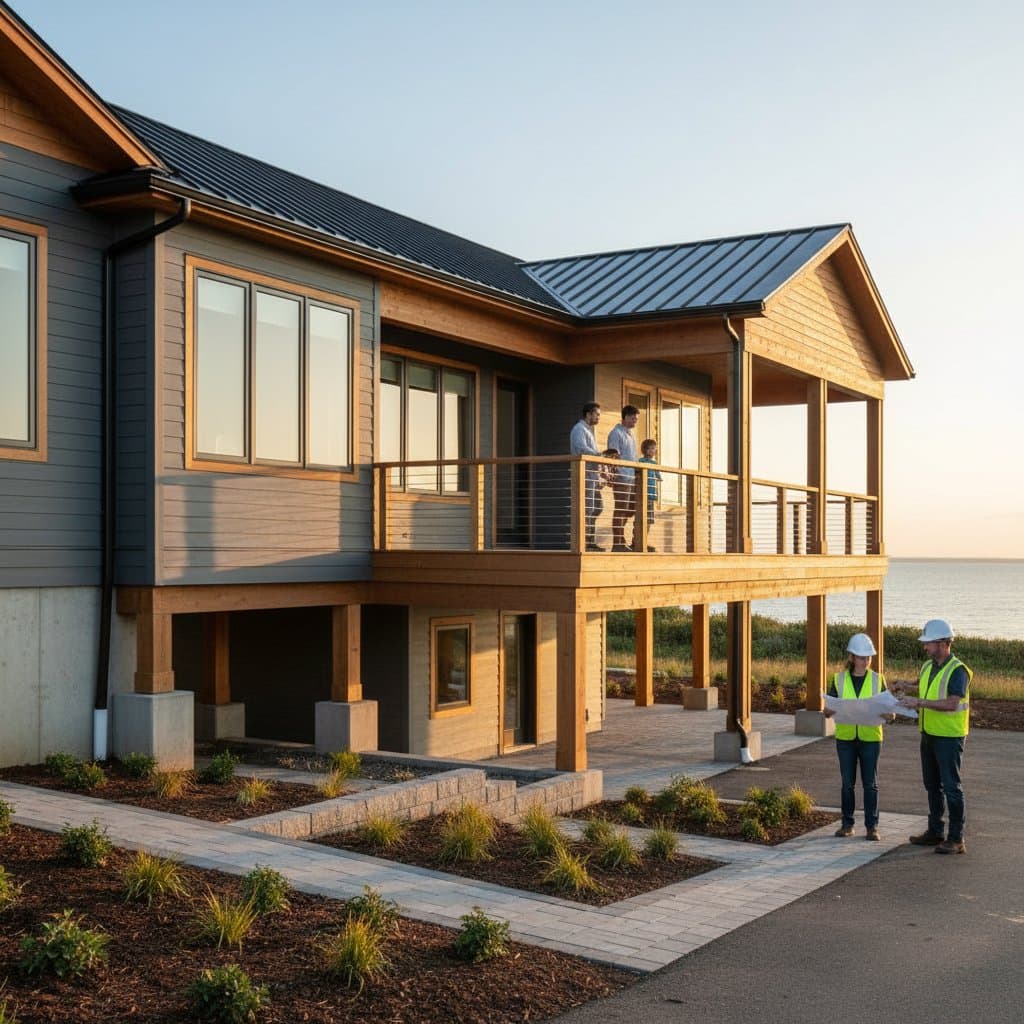
The 2026 building code revisions establish elevated standards for flood resistance by mandating raised foundations, enhanced drainage systems, and resilient building materials. Although initial implementation involves additional expenses, these measures significantly decrease future repair costs and insurance liabilities. Property owners, construction professionals, and regulatory officials should begin preparations immediately to comply with these rigorous requirements and protect communities from escalating flood dangers.