What Granny Pod and ADU Installation Actually Costs
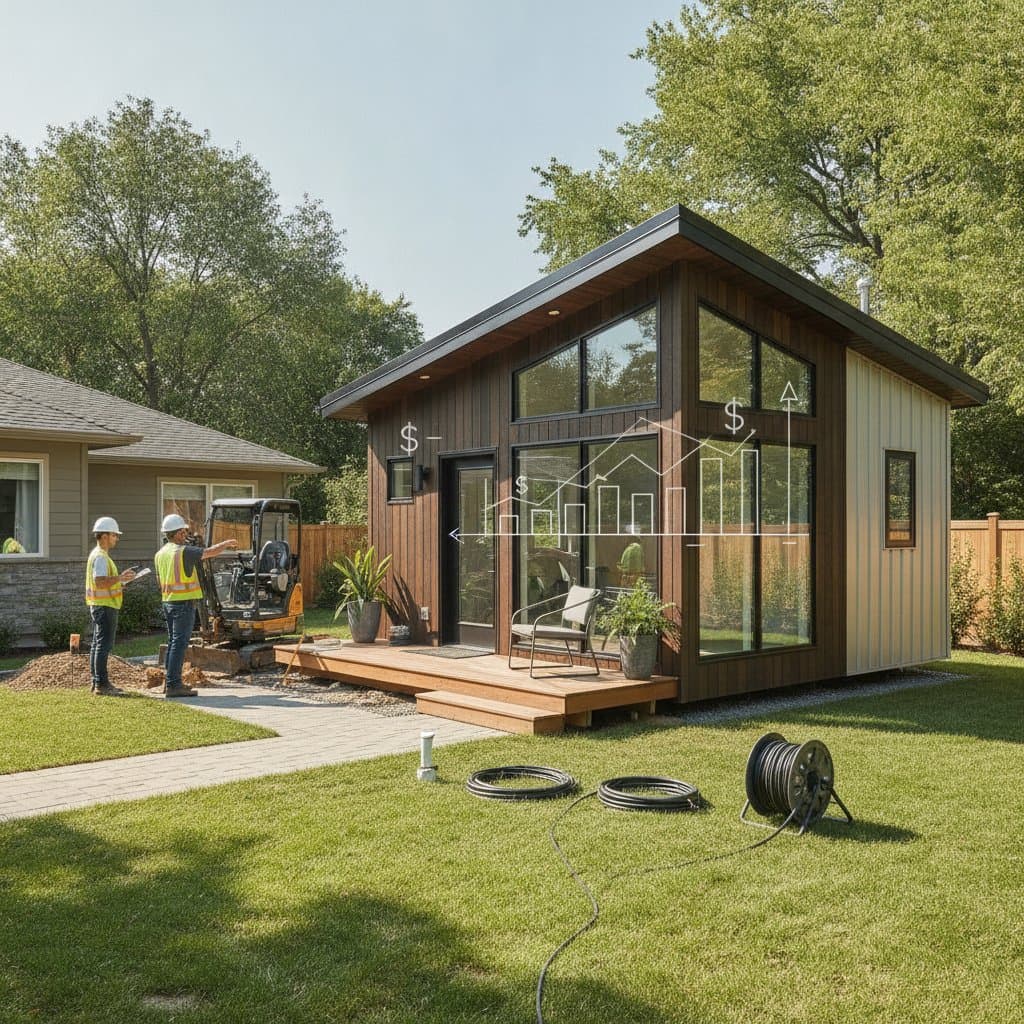
A granny pod, also known as an accessory dwelling unit, provides an independent living space on an existing property. This option suits families who seek nearby housing for relatives or who want to generate rental income. Project expenses vary based on design choices, site conditions, and local regulations.
Defining the Structure
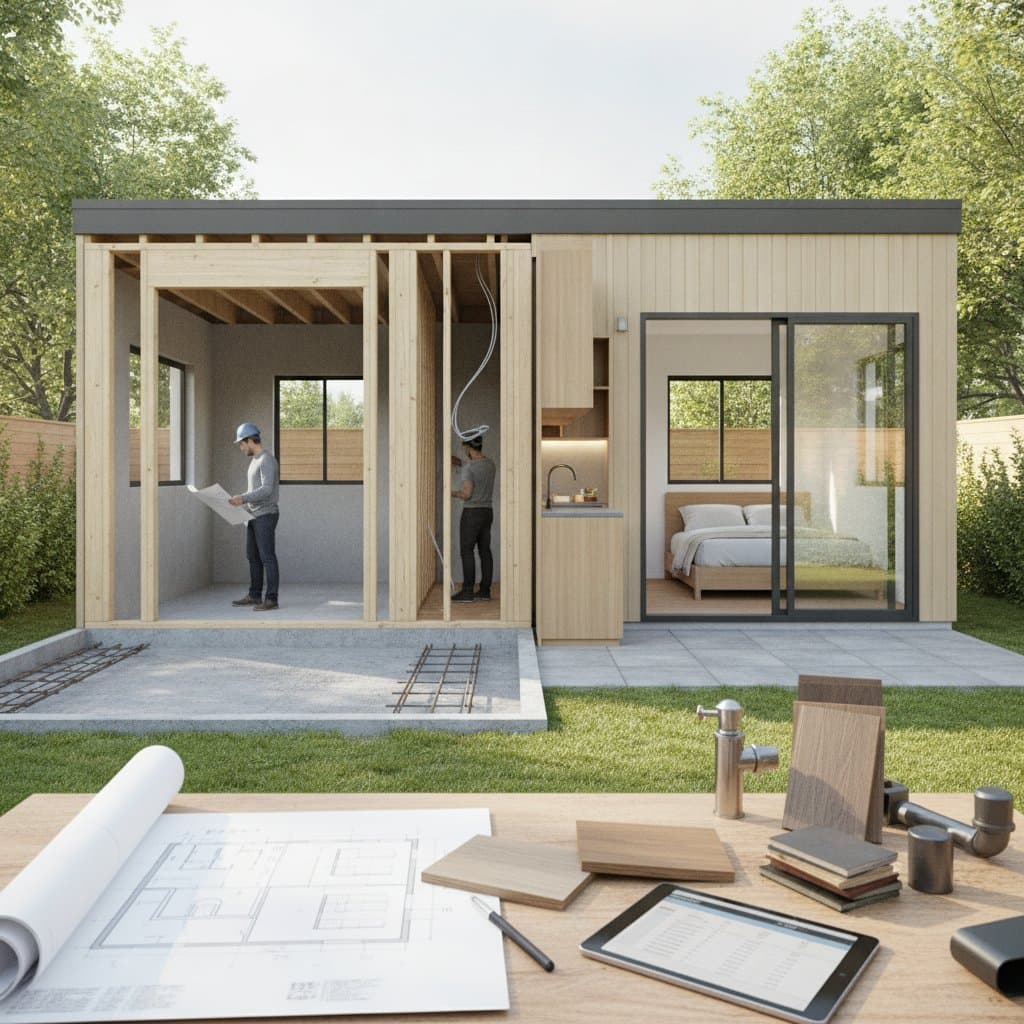
A granny pod functions as a self contained unit with its own kitchen, bathroom, and utilities. Builders may deliver these spaces as prefabricated modules or construct them on site. Both approaches must comply with local zoning rules that govern size, setbacks, and connections to existing infrastructure.
Situations That Justify Construction
Homeowners often pursue this project under specific conditions.
- An aging family member requires accessible living quarters close to caregivers.
- Property owners seek additional income through long term rentals.
- Local codes permit ADUs and the addition can increase overall property value.
- Extra private space is needed for guests or a home office.
Lots that already contain adequate utility access and level ground reduce preparation expenses.
Breakdown of Installation Expenses
Costs accumulate across several distinct phases. The following table presents typical ranges for a unit between 400 and 500 square feet.
| Line Item | Typical Range | Notes and Variables |
|---|---|---|
| Site preparation | $5,000 to $20,000 | Grading, excavation, and driveway access |
| Foundation | $10,000 to $30,000 | Slab on grade or crawl space options |
| Structure and shell | $40,000 to $120,000 | Prefabricated units cost less than fully custom builds |
| Interior systems | $15,000 to $50,000 | Plumbing, electrical, and HVAC installation |
| Finishes and fixtures | $10,000 to $40,000 | Cabinetry, flooring, and lighting selections |
| Permits and fees | $3,000 to $10,000 | Vary by municipality and review process |
| Utility hookups | $5,000 to $25,000 | Distance to existing lines affects this total |
A median project reaches approximately $150,000. Prefabricated units placed on flat sites with nearby utilities fall toward the lower end. Custom designs that include extensive site work or specialized finishes push totals higher.
Compliance and Safety Requirements
Every installation must satisfy building codes and safety standards.
- Protective equipment is required during all site activities.
- Electrical and plumbing installations require inspection before walls are closed.
- Foundations and framing need approved permits prior to construction.
- Fire separation measures are mandatory between the main residence and the new unit.
Failure to obtain permits can prevent future property sales or refinancing.
Climate and Location Influences
Regional conditions shape material choices and construction methods.
- Cold climates benefit from insulated slabs and high performance windows.
- Hot and humid zones require moisture resistant siding and ample roof ventilation.
- Arid regions perform better with reflective roofing to limit heat absorption.
- Coastal areas need corrosion resistant hardware and impact rated openings.
Winter construction in frost prone areas adds expenses for temporary heating and foundation protection.
Common Questions
What is the smallest legal ADU size?
Most jurisdictions set minimum sizes between 200 and 400 square feet.
Can the unit be rented to tenants?
Rental use is permitted when zoning allows and parking requirements are met.
Are separate utility meters necessary?
Separate meters are optional yet simplify billing between the main home and the ADU.
Does the addition increase property value?
Value rises in markets where rental demand remains strong.
Can a prefabricated unit be relocated later?
Units placed on permanent foundations cannot be moved without significant effort.
Are accessibility modifications required?
Wider doorways, zero step entries, and curbless showers are recommended even when not mandated.
Preparing for Construction
Begin by confirming zoning allowances through the local planning department. Next, obtain detailed proposals from at least three qualified builders that itemize every cost category. Incorporate permit fees and utility extensions into the overall budget from the outset. A documented plan supports timely approvals and produces a durable living space that meets family needs.