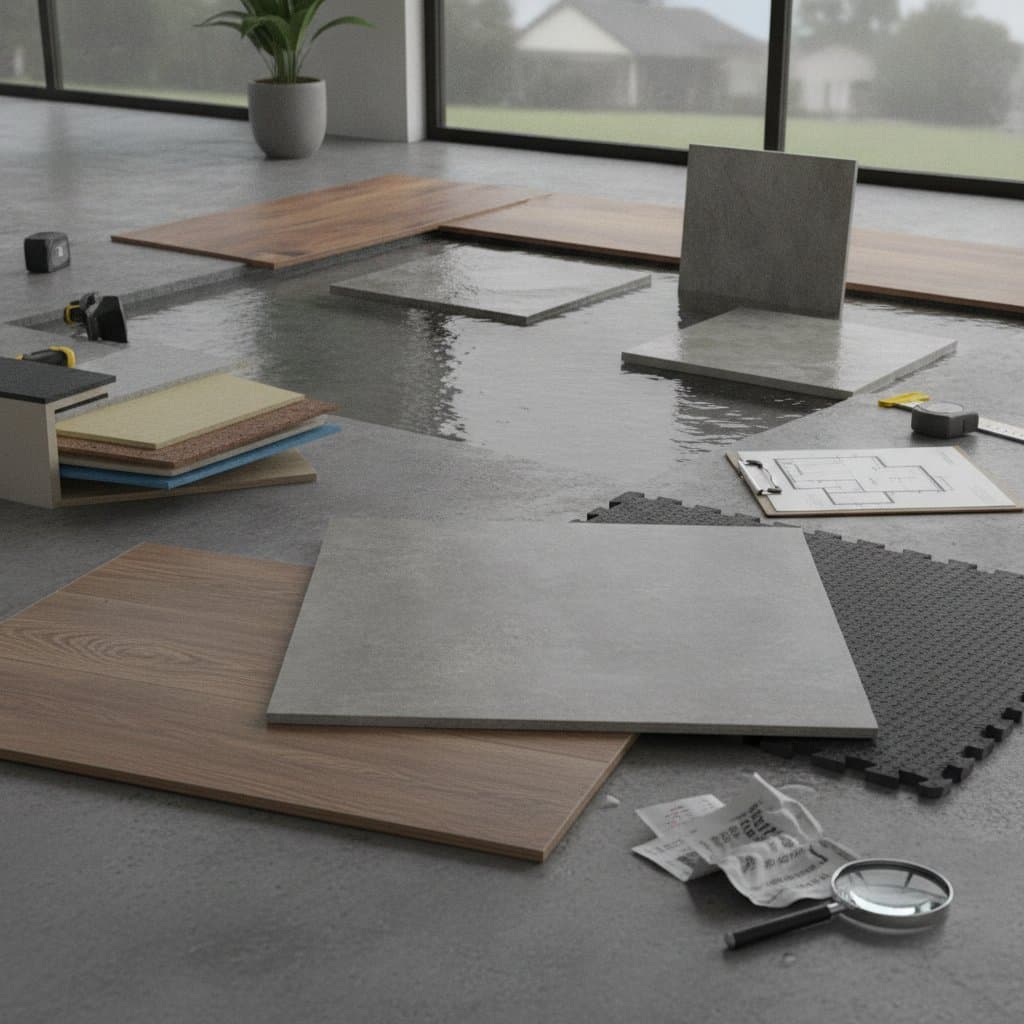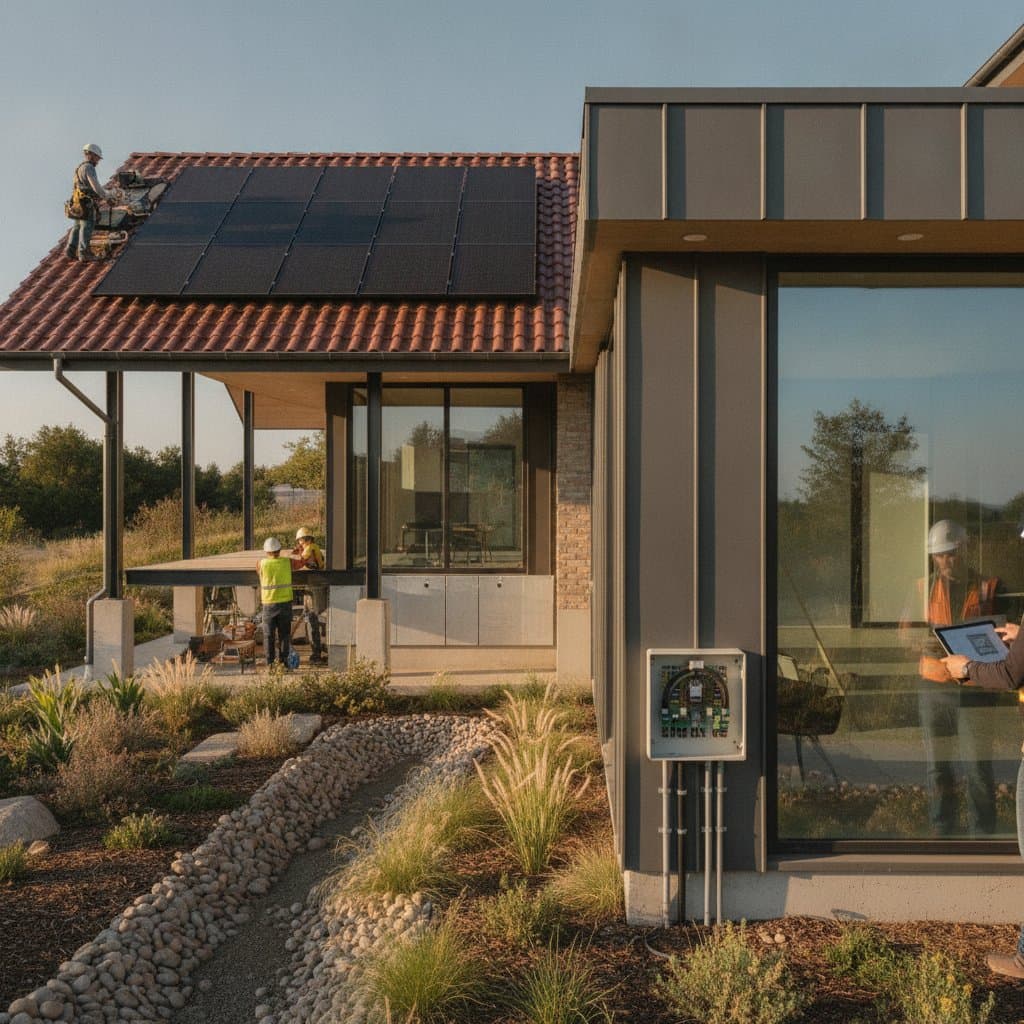
Flood Proofing Costs and Returns in 2026
Initial Assessment
- Flood proofing expenses range from basic sealants to complete home elevation.
- Returns depend on local flood risk levels, insurance reductions, and property resale potential.
- Begin with a formal risk evaluation before committing to large investments.
Advantages and Limitations
Advantages
- Reduces flood damage along with associated repair expenses.
- Supports lower insurance premiums in qualifying cases.
- Increases market value for properties in flood zones.
- Enhances occupant safety during severe weather.
Limitations
- Major projects require significant initial funding.
- Certain approaches demand permits and official inspections.
- Extreme events may exceed protection capacity.
- Ongoing maintenance is necessary for continued performance.
Basic Flood Proofing Process
Required Tools and Materials
- Hydraulic cement for crack repair.
- Masonry waterproofing paint for foundation surfaces.
- Sump pump equipped with battery backup.
- Check valves for all plumbing lines.
- Sandbags or modular flood barriers for temporary defense.
Time and Skill Requirements
- Completion typically fits within one weekend for sealing and testing phases.
- Intermediate skill level suffices for most tasks.
Process Steps
-
Inspect and Prepare
Walk the building perimeter after rainfall. Identify wet spots, foundation cracks, or areas of standing water. Mark each location for targeted treatment. -
Seal and Patch
Apply hydraulic cement to all visible cracks. Coat foundation walls with waterproof paint. Allow full curing before any water testing occurs. -
Install a Sump Pump
Position the unit at the lowest basement point. Route discharge lines to release water at least 10 feet from the foundation. -
Add Backflow Prevention
Install check valves on floor drains and the main sewer line. These devices block reverse flow during high water events. -
Test and Monitor
Activate the system after rainfall or via hose simulation. Confirm proper water movement and replace any faulty seals. -
Clean and Store Equipment
Dry all tools thoroughly. Place spare barriers in accessible locations for rapid deployment.
DIY Suitability Versus Professional Service
Appropriate for DIY
- Sealing minor cracks under one quarter inch wide.
- Installing plug in sump pumps.
- Adding check valves and temporary barriers.
Professional Requirement
- Structural cracks exceed one quarter inch in width.
- Water intrusion occurs through walls or slab joints.
- Foundation regrading or elevation becomes necessary.
Professional Distinctions
Certified contractors perform elevation surveys, design engineered drainage systems, and ensure compliance with local floodplain regulations. They also supply warranties and documentation required for insurance claims.
Ongoing Maintenance
Schedule
- Conduct inspections twice annually and immediately after major storms.
Specific Tasks
- Test sump pumps on a monthly basis.
- Examine seals for signs of peeling or deterioration.
- Clear gutters and downspouts regularly.
- Maintain ground slope of at least six inches over ten feet away from the foundation.
Results
Regular attention prevents minor issues from developing into significant water damage.
Protection Alternatives
Dry Floodproofing
This method suits masonry structures. It relies on coatings and removable shields to prevent water entry. Initial costs remain lower than elevation, though upkeep is essential.
Wet Floodproofing
Water is allowed into noncritical spaces such as crawl areas while equipment receives protection. The approach works well for older homes where complete sealing proves difficult.
Elevation
The structure is raised above the base flood level. Although expensive, this option delivers extended protection and possible insurance discounts.
Common Questions
Does flood proofing influence insurance rates?
Many providers reduce premiums once certified mitigation measures receive verification.
Is complete basement sealing possible?
Groundwater can still enter through joints or undetected cracks, so risk reduction rather than total elimination represents the realistic goal.
Are permits necessary?
Local building codes often require permits for foundation or drainage modifications.
Implementation Priorities
Obtain a current flood risk map followed by a professional home inspection. Initial measures such as sealing and drainage improvements frequently produce quick financial returns. Properties in high risk zones benefit most from contractor evaluations that identify high impact upgrades.