How Much Does Flood-Resistant Flooring Cost?
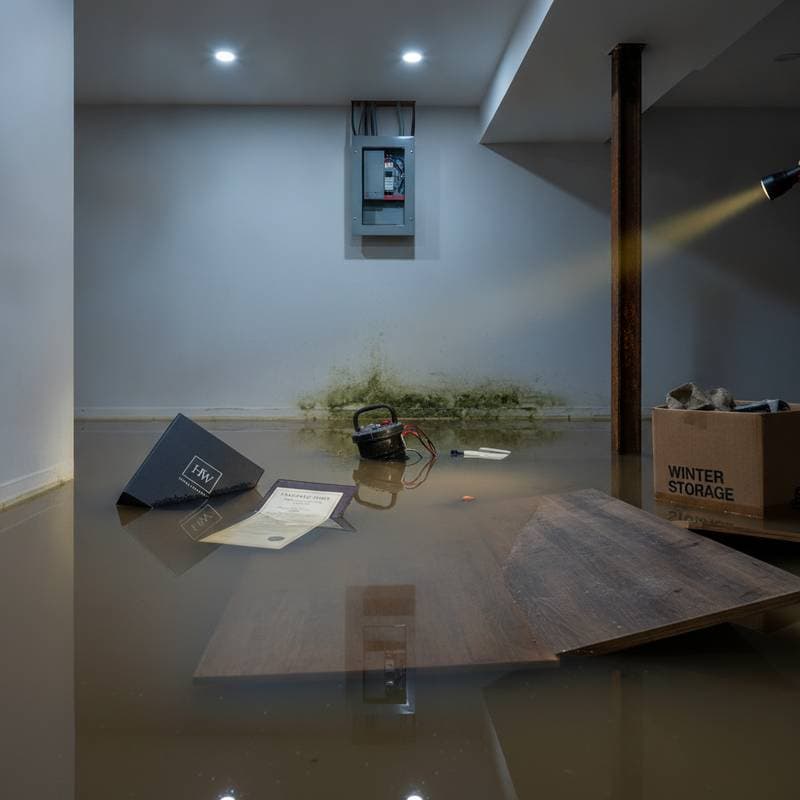
Flood-resistant flooring protects homes from water damage while enhancing long-term durability. Professional installation typically costs between $4 and $14 per square foot. Most homeowners pay around $8 per square foot for mid-range materials such as vinyl plank or ceramic tile.
Three main factors determine total cost. These include material type, extent of waterproofing, and labor complexity during installation. Regional moisture levels and subfloor conditions also influence pricing. Properly installed flood-resistant flooring can reduce post-flood repair costs by up to 70 percent compared to conventional materials.
Primary Pricing Structure
Flood-resistant flooring prices vary widely depending on materials and installation complexity. The national average cost is around $8 per square foot, including labor and materials. Entry-level projects start near $4 per square foot, while premium installations can exceed $14 per square foot.
- 25th percentile (budget installs): $4 to $6 per sq ft
- 50th percentile (standard installs): $7 to $9 per sq ft
- 75th percentile (premium installs): $10 to $14 per sq ft
Most contractors have a minimum service charge of about $500 to $800 to cover travel, setup, and disposal. Regional costs in coastal or high-rainfall areas can run 10 to 15 percent higher due to moisture barrier requirements.
Size and Scope Factor
Project size directly affects cost efficiency. A 200-square-foot basement with luxury vinyl tile could cost $1,600. A 1,000-square-foot renovation using ceramic tile might reach $9,000. Each additional 100 square feet typically adds $700 to $900, depending on the selected material.
Contractors recommend applying waterproof underlayments in larger projects to enhance durability and reduce future maintenance.
Material and Quality Tiers
Entry-level options include vinyl sheet flooring at $4 to $6 per sq ft with a lifespan of 10 to 15 years. Rubber tile costs $5 to $7 per sq ft and works well in garages and basements.
Mid-range options feature luxury vinyl plank at $7 to $9 per sq ft. Ceramic tile runs $8 to $10 per sq ft and offers easy sanitation after water exposure.
Premium options include porcelain tile at $10 to $14 per sq ft. Epoxy flooring systems cost $12 to $15 per sq ft installed and create a seamless waterproof surface.
Complexity and Location Variables
Installation complexity can add 15 to 30 percent to total costs. Removing existing flooring, leveling subfloors, or working around plumbing increases labor time. Homes in flood-prone regions experience higher labor costs due to stricter building codes.
Contractors in those areas often use vapor-sealing membranes or moisture-cure adhesives to meet compliance. This adds $1 to $2 per square foot.
Service Types and Comprehensive Pricing
A standard flood-resistant flooring package includes material supply, subfloor cleaning and minor leveling, moisture barrier application, and professional installation. This package typically costs $6 to $9 per square foot and takes one to three days for a mid-sized room.
Premium services include advanced underlayment systems, seamless waterproof transitions between rooms, and baseboard sealing. Expect to pay $10 to $15 per square foot, a 20 to 40 percent premium over standard installation.
Add-On Services
| Add-On Service | Average Cost | Savings in Bundles | Recommended Use |
|---|---|---|---|
| Subfloor sealing | $1.50 per sq ft | 10% off when bundled | High-moisture basements |
| Vapor barrier installation | $1.25 per sq ft | 5% off | All flood-prone rooms |
| Drainage mat system | $2.50 per sq ft | 8% off | Below-grade spaces |
| Mold-resistant coating | $0.75 per sq ft | 10% off | Post-flood renovations |
Professional vs. DIY Installation
DIY installation can reduce costs but requires precision and proper tools. Materials such as luxury vinyl plank or rubber tile are more DIY-friendly. A typical DIY project costs $1,800 to $2,400 for a small basement.
Hiring a certified installer ensures warranty coverage, precise sealing, and long-term durability. Professionals save 12 to 20 hours of labor time and deliver consistent results. The break-even point between DIY and professional installation usually occurs around 400 square feet.
Actionable Cost-Saving Strategies
Schedule off-peak installations. Contractors often offer 10 to 15 percent discounts during slower winter months. Get multiple quotes. Comparing at least three estimates can lower costs by up to 20 percent.
Buy materials directly. Purchasing flooring and underlayment from wholesalers can reduce material expenses by 25 percent. Prepare your space. Removing old flooring and clearing furniture before installation can save $1 to $2 per square foot in labor.
Maximizing Long-Term Value
Investing in flood-resistant flooring protects both property and budget over time. Homeowners gain reduced repair needs, improved durability, and stronger resale appeal in vulnerable areas. Proper selection and installation deliver measurable returns through lower insurance claims and sustained performance.