Current Cost Overview
Wildfire protection upgrades for a typical home carry an average price near 25000 dollars in 2026. Total expenses range from 10000 dollars for targeted retrofits to 60000 dollars for full exterior replacement. Homeowners gain both reduced ignition risk and stronger resale appeal when they select Class A rated components.
- Fire resistant fencing runs 60 to 120 dollars per linear foot.
- Foundation vent upgrades cost between 500 and 1200 dollars.
Primary Cost Influences
Project scope determines the largest share of the budget. Complete roof and siding work exceeds the price of isolated vent or landscape improvements. Material selection also shifts totals. Premium metal roofing or upgraded composite decking adds 20 to 40 percent compared with standard options.
Site access and terrain further affect pricing. Steep roofs or narrow lots increase labor by as much as 25 percent. Seasonal demand raises bids another 10 to 15 percent during peak summer months. Custom details such as nonstandard window sizes extend fabrication time and final invoices.
Owner Performed Work Versus Professional Services
Homeowners can complete several low risk tasks without outside help. Clearing brush and dead vegetation within 30 feet of the structure reduces fuel load. Regular gutter cleaning and removal of stored combustibles near walls also limit ember ignition points. Preformed ember screens for vents install with basic hand tools.
Professional crews handle structural replacements that require permits and code compliance. Roof and siding installation demands proper underlayment and flashing to maintain fire ratings. Window and door upgrades need precise sealing to block heat and moisture. Electrical or sprinkler additions require licensed trades to satisfy local inspection standards.
Safety considerations remain essential during any exterior project. Workers must use fall protection on roofs and respiratory equipment when cutting cement board. Local building codes in wildfire zones dictate acceptable materials and methods. Improper installation may cancel manufacturer warranties or fail final inspection.
Budget Friendly Approaches
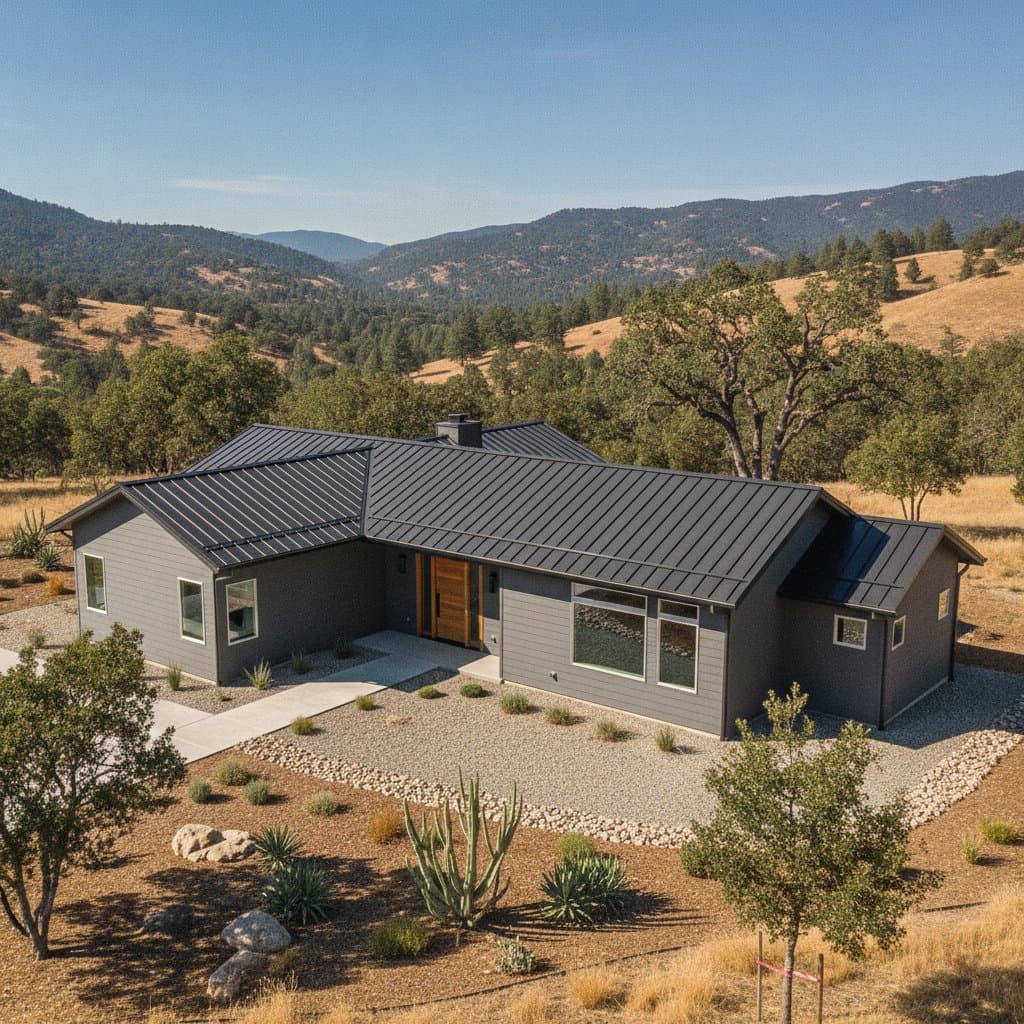
Prioritize roofs, vents, and decks first because these surfaces receive the highest ember exposure. Mid grade fiber cement siding and metal roofing deliver decades of service with limited maintenance. Scheduling siding and window work together reduces repeated labor mobilization. Off season scheduling in late fall or early spring frequently yields lower contractor rates. Obtaining three separate written estimates allows direct comparison of scope and pricing.
Contractor Selection Process
Verify that any contractor holds a current state license, liability insurance, and documented experience with wildfire retrofits. Request written confirmation that all specified materials carry Class A or noncombustible listings. Examine physical samples of siding and roofing for thickness and coating quality before signing agreements. Structure payments around completed phases such as tear off, installation, and final inspection. Conduct a final walkthrough to confirm that vents, soffits, and flashing are fully sealed.
Owner Tool Requirements for Limited Tasks
Basic equipment includes a ladder rated for the roof height, a circular saw fitted with a carbide blade, and a cordless drill with appropriate bits. Safety items comprise goggles, gloves, and a dust mask. Landscape work requires a long handled rake and pruning saw.
Project Duration and Milestones
Custom windows or metal roofing typically require two to four weeks for delivery. On site work for siding or roof replacement spans three to ten days. Required inspections occur at framing, fire rating verification, and final exterior review stages.
Ongoing Care and Service Life
Fiber cement siding maintains structural integrity for 30 to 50 years when repainted every 15 years. Metal roofs often reach 40 to 70 years with minimal intervention. Decks and vents benefit from annual checks for corrosion or physical damage. Vegetation management requires seasonal trimming and debris removal after strong winds.
Early signs of wear such as peeling paint, displaced flashing, or warped vents create potential ember pathways. Prompt repair prevents larger issues.
Sustaining Property Value
Documented wildfire resistant upgrades frequently qualify for insurance premium reductions. Maintain organized records of material specifications, receipts, and inspection reports. Annual verification of seals and clearance zones preserves both protection levels and market appeal.