Creating Defensible Space Through Hardscaping
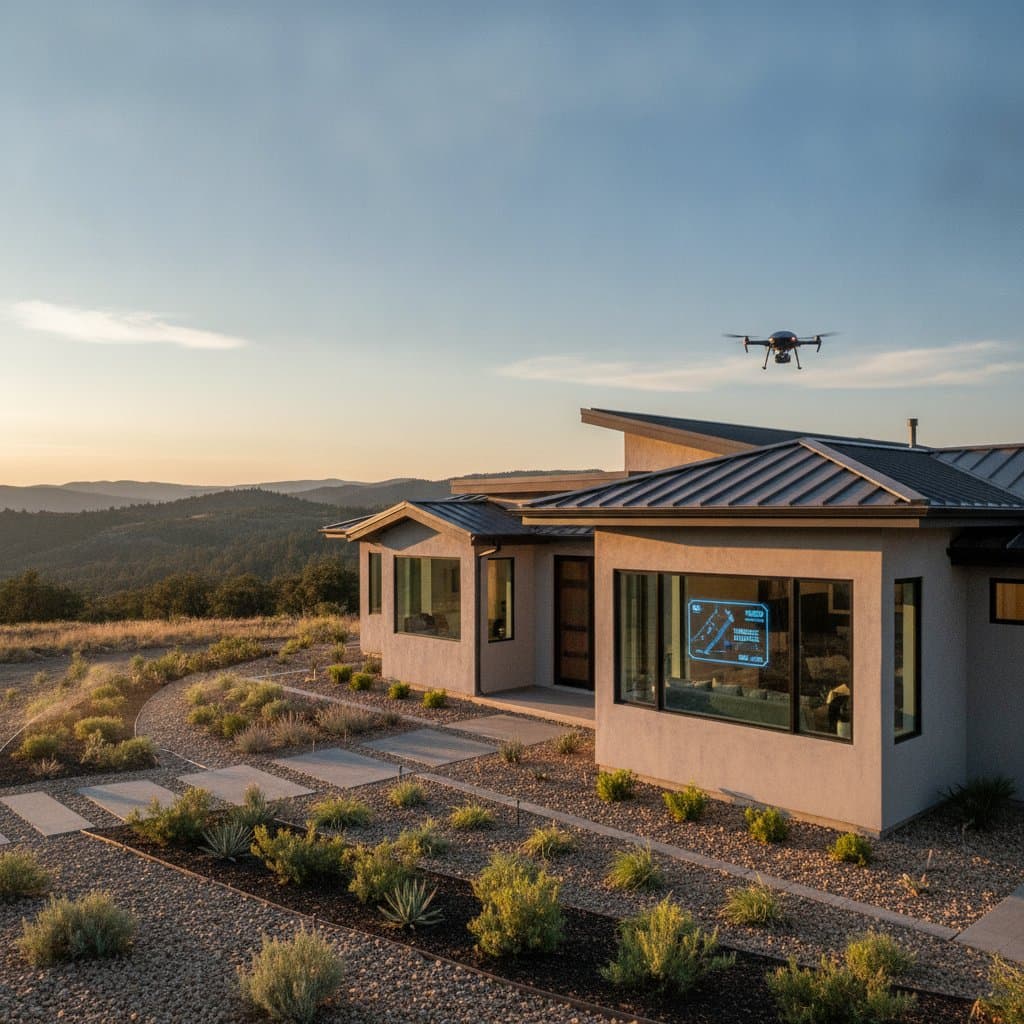
Homeowners in fire-prone regions reduce risk when they turn landscape design into a safety system. Hardscaping relies on noncombustible materials such as stone, gravel, and concrete to form the first line of defense around a structure. This approach slows fire advance, protects access routes, and gives firefighters a safer zone for operations.
Role of Hardscaping in Fire Defense
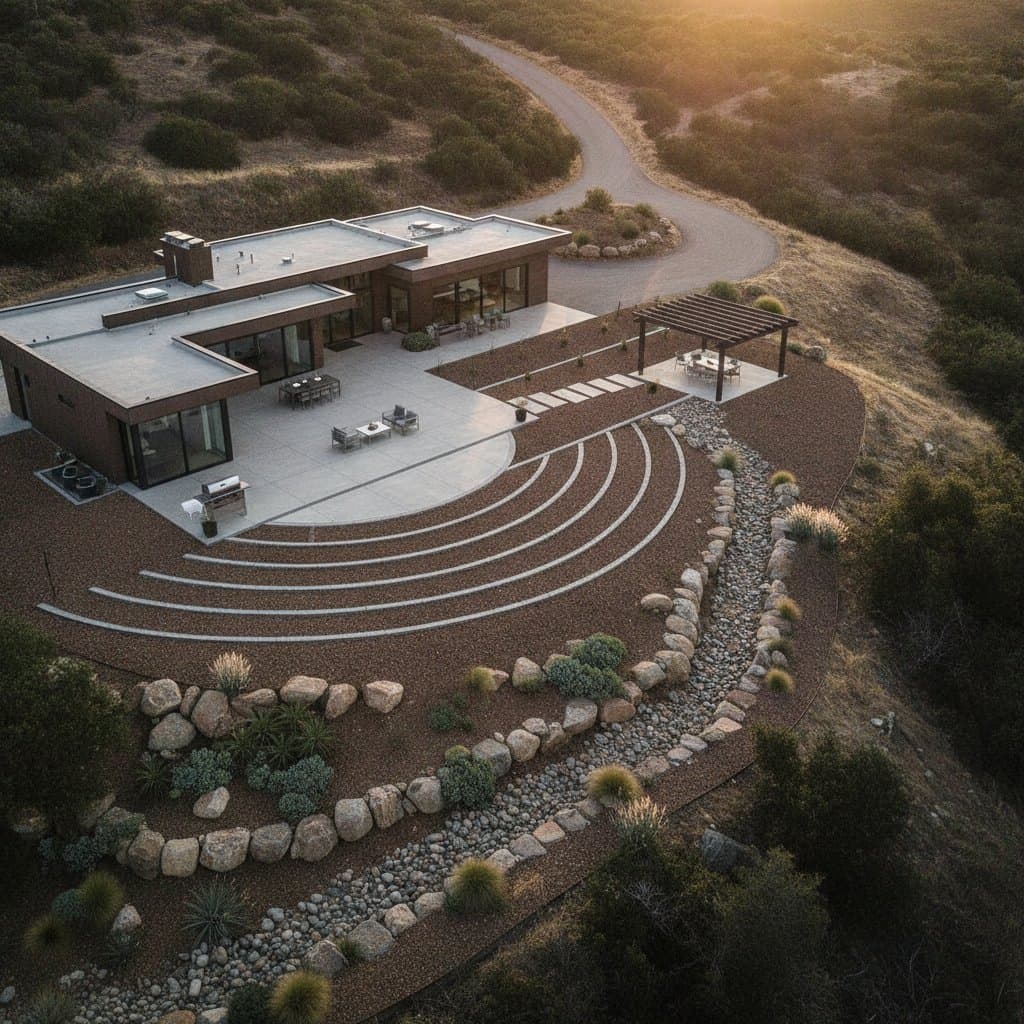
Hardscaping interrupts fuel paths that carry flames toward a home. It replaces flammable vegetation with surfaces that resist ignition. Apply these techniques during new construction, yard remodeling, or defensible-space upgrades. The strategy works best inside the first 30 feet of the house, where radiant heat and embers cause most losses.
Advantages, Limitations, and Ideal Conditions
Hardscaping delivers several practical benefits. It creates noncombustible buffer zones, reduces irrigation demand, adds usable outdoor space, and requires little upkeep after installation. Potential drawbacks include higher initial expense than planting alone, drainage problems that lead to runoff or erosion, and reflective heat from bare stone that can raise nearby temperatures.
Sloped lots, dry climates, and properties bordered by brush or forest gain the greatest protection from these installations.
Cost Ranges and Primary Factors
Material choice, labor complexity, and site access determine final expense. Flagstone patios and concrete paths cost more than gravel or decomposed granite. Retaining walls and terraces increase structural labor.
| Scope item | Material cost range | Labor cost range | Total range | Notes on drivers |
|---|---|---|---|---|
| Gravel or crushed rock surface | $1 to $3 per sq. ft. | $2 to $4 per sq. ft. | $3 to $7 per sq. ft. | Depth, compacting, edging |
| Concrete pad or walkway | $2 to $4 per sq. ft. | $4 to $6 per sq. ft. | $6 to $10 per sq. ft. | Finish quality, slope control |
| Retaining wall (block or stone) | $10 to $20 per sq. ft. | $15 to $30 per sq. ft. | $25 to $50 per sq. ft. | Height, drainage, access |
| Decorative rock mulch bed | $1 to $2 per sq. ft. | $1 to $2 per sq. ft. | $2 to $4 per sq. ft. | Material delivery, weed barrier |
Installation Sequence
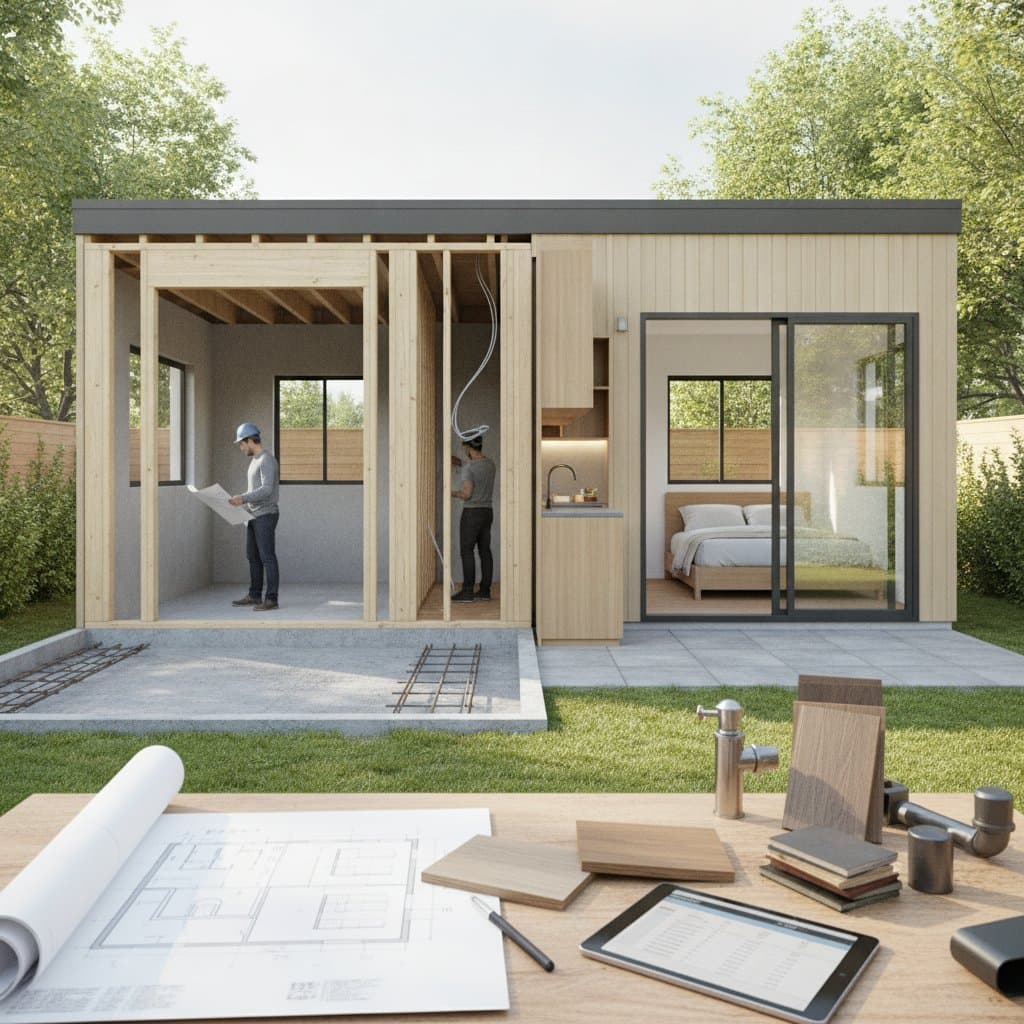
Assemble safety gear that includes gloves, a dust mask, safety glasses, and steel-toe boots. Follow these steps in order.
- Map the zero-to-five-foot zone around the structure and limit it to hard surfaces or irrigated plants in noncombustible containers.
- Extend the five-to-thirty-foot zone with gravel paths, stone patios, or retaining walls that break fuel continuity.
- Grade soil to slope away from the house at a minimum five percent for proper drainage.
- Compact base layers before placing pavers or concrete to prevent future shifting.
- Install metal or stone edging to contain gravel and lower long-term maintenance.
- Use nonsparking tools when cutting or grinding metal features.
Permits, Codes, and Safety Requirements
Local fire codes set required defensible-space distances. Some jurisdictions mandate inspection before occupancy. Concrete work and retaining walls taller than three feet often need permits or engineer review. Avoid bark mulch, wood edging, and plastic weed barriers because these materials can melt or ignite. Keep egress routes clear for fire crews and vehicles.
Common Errors to Prevent
Select gravel that stays in place rather than fine material that shifts or blows away. Prevent heat traps by avoiding dark rock directly beside windows. Address drainage during design to avoid erosion or foundation damage. Control weeds in gravel areas so they do not reintroduce fuel.
Ongoing Care and Service Life
Inspect gravel and paver joints twice each year. Refill or compact low spots as needed. Remove leaves and debris that collect near the structure. Rinse stone surfaces to limit dust accumulation. Replace landscape fabric every ten years if it degrades. Concrete and masonry elements last several decades with routine attention.
Check compaction and slope after the first rainfall. Clear organic debris and verify drainage flow each season. Regrade gravel and examine retaining walls annually. Apply non-slip sealers when resurfacing concrete.
Decision Framework for Professional Help
Apply these rules when choosing between do-it-yourself work and professional installation. Gravel paths and small patios suit experienced homeowners. Hire specialists for projects near gas lines or on steep slopes. Rent compactors or masonry saws only when you feel confident operating the equipment.
Sustained Protection and Property Value
Strategic hardscaping delivers lasting defense while improving outdoor usability. Regular upkeep preserves both safety performance and visual appeal for decades.