Full 2026 Cost Breakdown for Granny Pod Installation
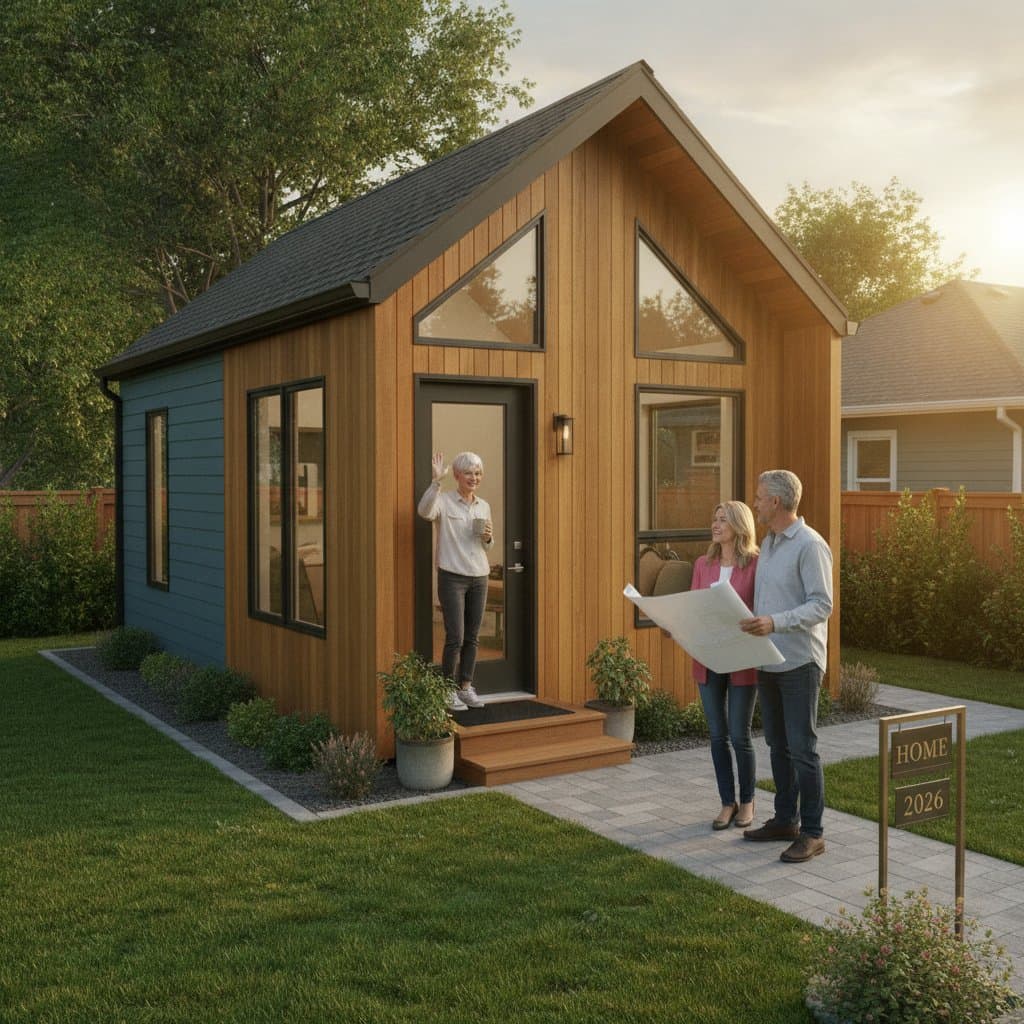
Creating a private, comfortable space for aging parents or extended family members has led many homeowners to explore granny pods. These small backyard cottages provide independence with proximity. They often become a smarter alternative to assisted living or major home additions.
A granny pod is a compact, fully equipped dwelling placed on your property. It includes sleeping, bathing, and cooking areas. The cost of installing one varies widely depending on size, finish level, and local regulations.
Key Factors That Affect Cost
- Foundation choice such as slab, crawl space, or pier system
- Prefab versus custom build
- Utility connections for water, sewer, power, and internet
- Accessibility features including ramps, grab bars, and wider doors
- Finishes and fixtures from basic to luxury levels
- Local building codes and permits
- Site preparation for grading, tree removal, and driveway access
- Labor rates in your region
Each of these elements can shift your total cost by tens of thousands of dollars. Understanding them early helps set a realistic budget.
Detailed Cost Breakdown
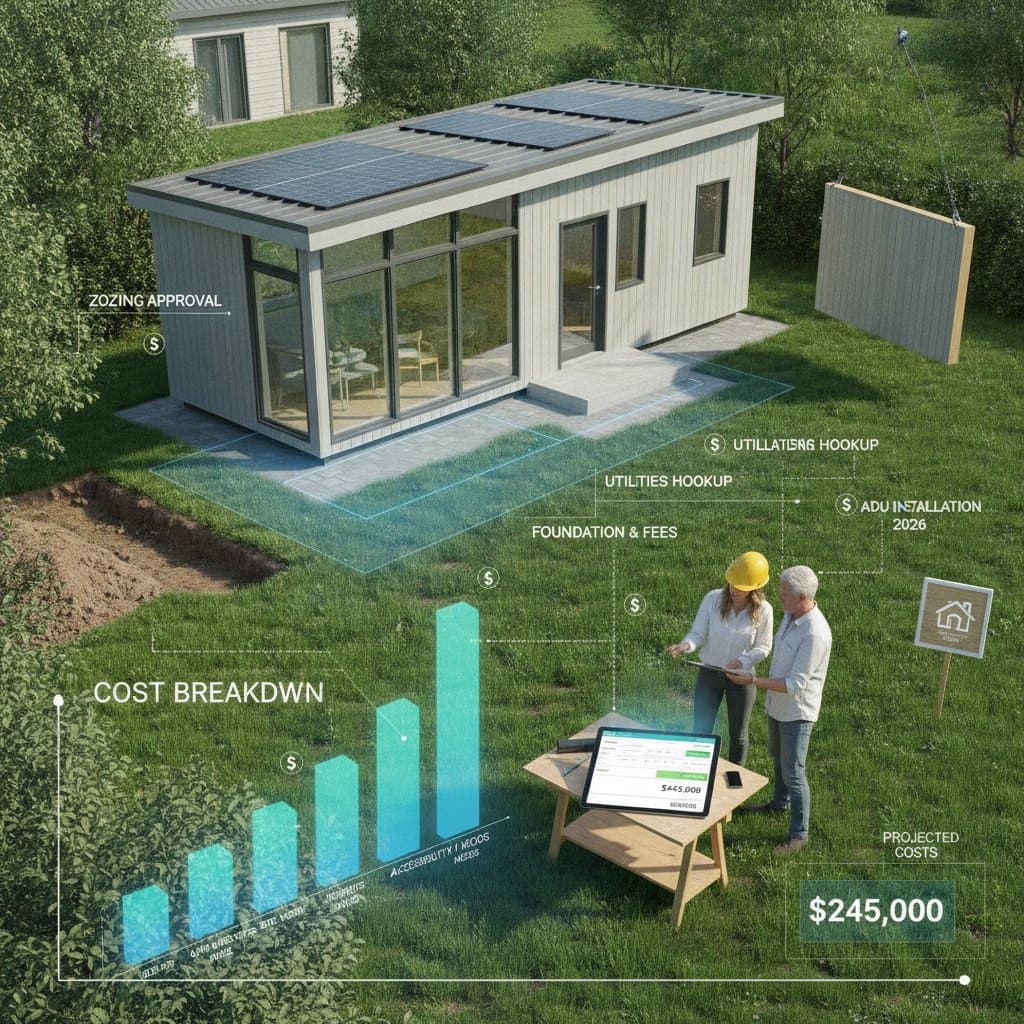
A full granny pod project includes several stages. Here is how costs usually distribute across them.
Design and Permitting
This stage covers architectural drawings, engineering, and permit applications. Costs range from 5000 to 15000 dollars. Some prefab companies include standard plans. Custom designs add extra fees. Expect higher costs in communities with strict zoning or environmental review.
Site Preparation
Clearing vegetation, grading, and creating access for equipment are required before construction starts. Costs range from 4000 to 20000 dollars. Urban lots with tight access or sloped terrain increase costs. Adding gravel driveways or retaining walls will push this higher.
Foundation and Structure
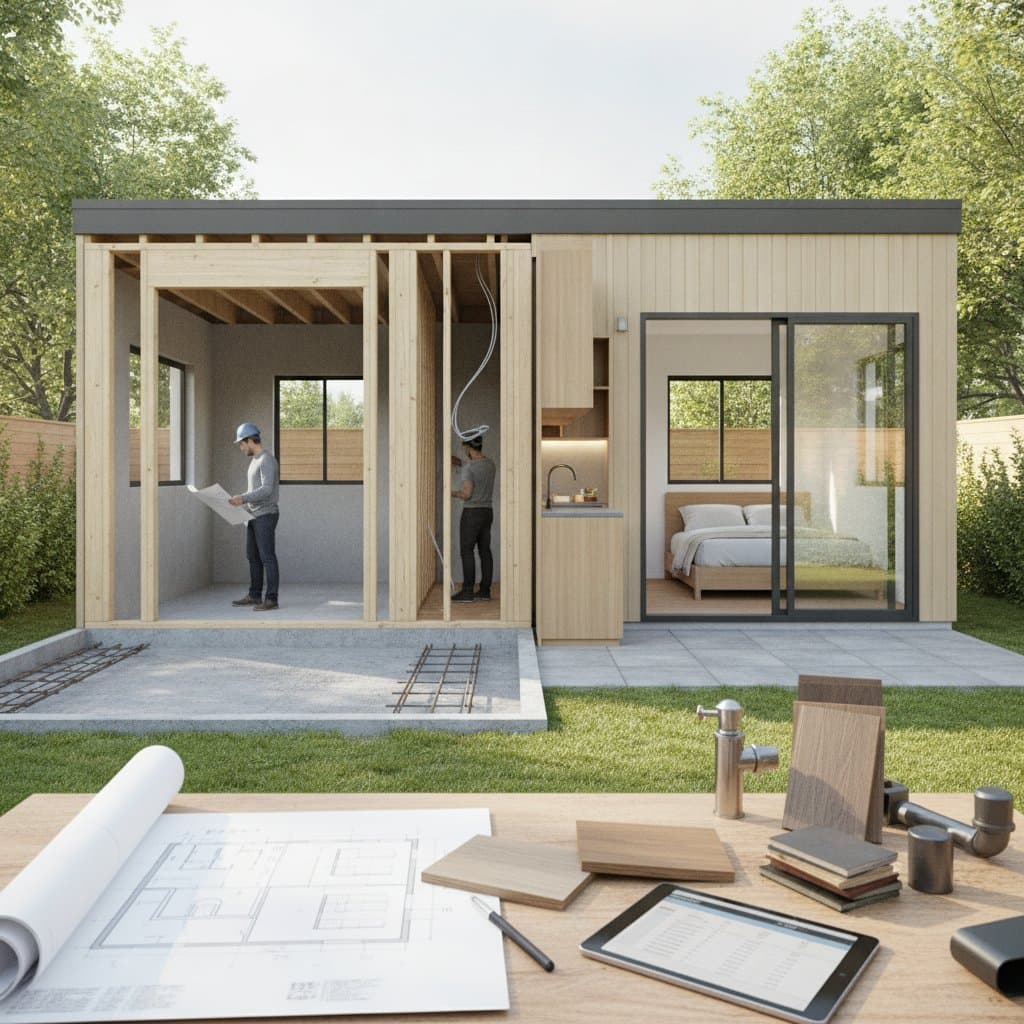
A concrete slab is the most common base. Piers or crawl spaces suit flood prone areas or sites that need underfloor access. Costs range from 25000 to 70000 dollars. The building shell, framing, and roofing make up the bulk of this cost.
Interior Finishing
This includes insulation, drywall, flooring, cabinets, and fixtures. Costs range from 30000 to 90000 dollars. Vinyl plank flooring and laminate counters keep costs lower. Hardwood floors, tile showers, and quartz counters raise the budget. Choose materials that balance comfort with low maintenance.
Plumbing, Electrical, and HVAC
Connecting power, water, and sewer lines is a major expense. Costs range from 15000 to 35000 dollars. A mini split heat pump provides efficient heating and cooling in small spaces. If you are far from main utilities, allow for trenching or new septic systems.
Accessibility Upgrades
Ramps, grab bars, lever handles, and roll in showers make the space safe for older residents. Costs range from 2000 to 10000 dollars. These features work best when built in from the start rather than added later.
Exterior and Landscaping
Walkways, decks, lighting, and plantings complete the project. Costs range from 5000 to 25000 dollars. Simple gravel paths and native plantings cost less than poured concrete patios or irrigation systems.
Timeline and Sequence
- Research and planning takes 2 to 4 weeks to confirm zoning and set a budget.
- Design and permitting takes 4 to 8 weeks depending on local review.
- Site preparation takes 1 to 3 weeks for clearing and foundation setup.
- Construction or delivery takes 6 to 12 weeks for prefab units and 12 to 20 weeks for custom builds.
- Final inspections and move in takes 1 to 2 weeks for occupancy clearance.
Delays often come from utility coordination or permit backlogs. Ordering materials early and confirming site access helps keep the project on track.
Materials and Tools Checklist
Common materials include pressure treated lumber or steel framing, a concrete or pier foundation system, insulation rated R 15 to R 30 depending on zone, vinyl or fiber cement siding, asphalt shingles or standing seam metal roofing, a mini split HVAC unit, LED lighting fixtures, vinyl plank flooring, and low flow plumbing fixtures.
Tools for light DIY work include a circular saw and drill driver set, a level and chalk line, paint rollers and brushes, a caulking gun, a stud finder, and safety gear such as gloves, goggles, and a respirator.
Regional and Climate Considerations
Cold climates require higher insulation levels, heated floors, and triple pane windows. Hot and humid areas need moisture barriers and dehumidification. Seismic zones call for reinforced foundations and tie down systems. Coastal regions benefit from corrosion resistant fasteners and fiber cement siding.
Always check local accessory dwelling unit ordinances. Some areas require the owner to live on site or limit rental use.
Common Questions
Many homeowners ask whether they can rent out a granny pod later. Zoning often allows accessory dwelling units for rental use. Always verify local occupancy rules before planning income use.
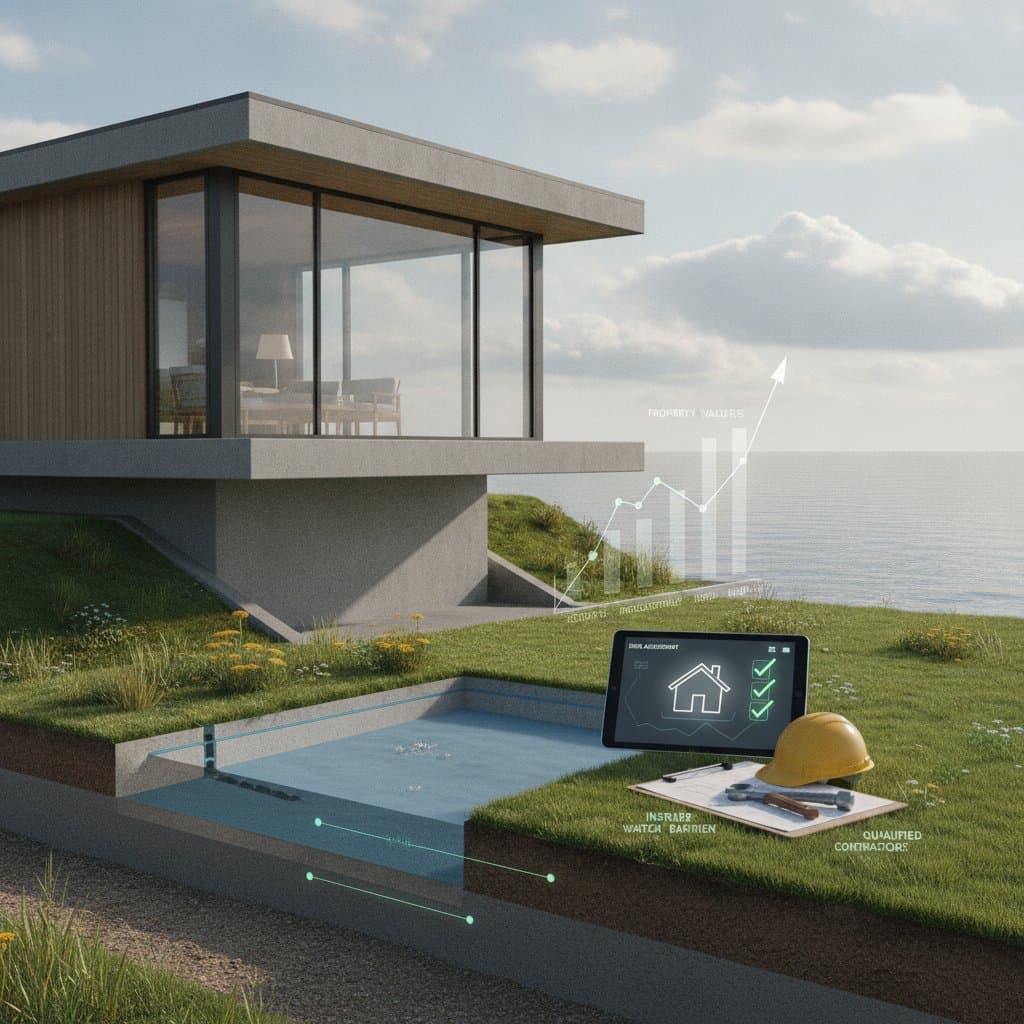
A granny pod will increase property value. The increase often equals 50 to 70 percent of construction cost. Buyers value flexible space for family, guests, or rental income.
Prefab pods are usually cheaper than building from scratch. They are faster and more predictable but limit customization. Site built pods cost more yet integrate better with the main home.
Most setups share water and power lines with the main home. Some areas require separate meters for rental use.
Planning Your Installation
Start by confirming local zoning rules and obtaining multiple bids from licensed builders. Schedule utility assessments early to avoid later delays. Select finishes that match your long term maintenance goals. This approach delivers a safe and comfortable space that adds lasting value to your property.