How Much Does Flood-Resistant Flooring Cost in 2026?
Flood-resistant flooring protects homes from long-term water damage and reduces repair expenses. Professional installation costs between $4 and $18 per square foot. Most homeowners pay around $9 per square foot for complete projects that include materials and labor.
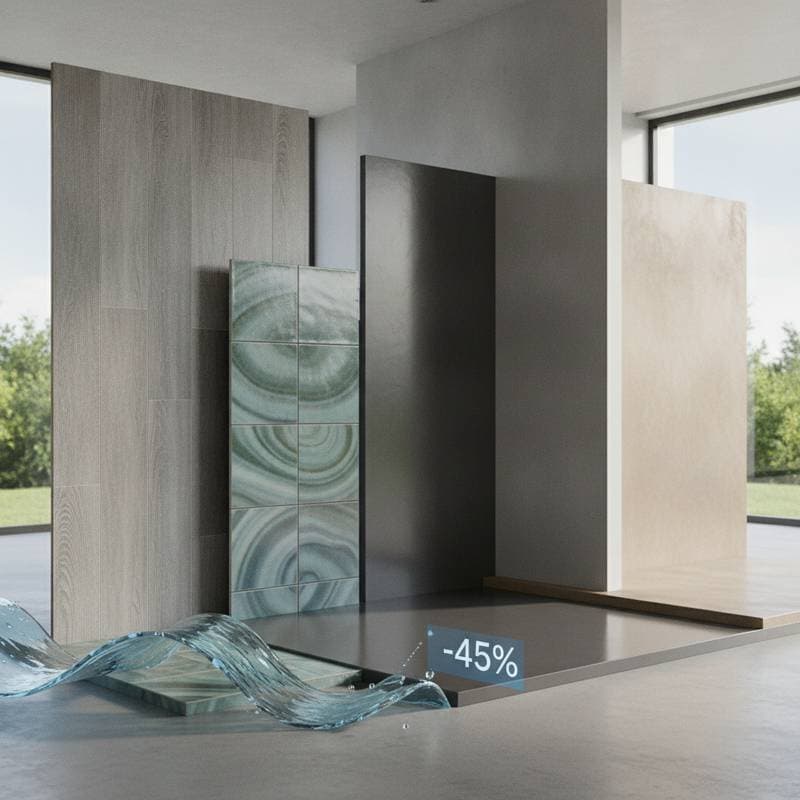
Three main elements shape the final price. These include the chosen material, the complexity of the installation, and the condition of the subfloor. Regional labor rates add further variation. Proper water-resistant flooring can lower post-flood restoration expenses by up to 45 percent.
Primary Pricing Structure
Material type sets the baseline cost. Vinyl plank averages $4 to $8 per square foot. Ceramic or porcelain tile ranges from $7 to $15 per square foot. Epoxy and sealed concrete fall between $6 and $18 per square foot. Contractors often apply a minimum service fee of $250 to $500 for areas smaller than 150 square feet.
Homeowners at the lower end spend about $5 per square foot. Midrange projects average $9 per square foot. Premium work exceeds $15 per square foot. Coastal and urban markets can add up to 20 percent due to higher demand.
Size and Scope Factors
Room size affects the per-square-foot rate. Areas under 200 square feet carry higher unit prices because of setup time and material waste. Each additional 100 square feet adds $400 to $900. A 1,000-square-foot basement finished with luxury vinyl plank totals roughly $8,500. The same space with waterproof tile reaches about $13,000.
Projects larger than 800 square feet frequently receive volume discounts of up to 10 percent on both materials and labor.
Material and Quality Tiers
Entry-level options use standard sheet vinyl or basic ceramic tile priced at $3 to $6 per square foot. These surfaces handle surface moisture yet may allow subfloor seepage. Expected lifespan runs 10 to 15 years.
Mid-range selections include luxury vinyl plank, porcelain tile, and sealed concrete at $7 to $12 per square foot. Commercial-grade products carry lifetime warranties against water damage and suit kitchens, basements, and laundry rooms.
Premium systems combine epoxy coatings, natural stone with resin sealants, or hybrid waterproof assemblies at $13 to $18 per square foot. These installations can increase resale value by up to 6 percent.
Complexity Variables
Irregular layouts, stairs, or damaged subfloors raise labor costs by 15 to 25 percent. Waterproofing membranes and leveling compounds add $1 to $3 per square foot. Older homes may need extra subfloor reinforcement or moisture barriers.
Service Packages
A basic package covers removal of old flooring, subfloor cleaning and sealing, vinyl or ceramic installation, and standard caulking. Prices range from $4 to $9 per square foot and require two to three days for a medium room.
A premium package uses high-end epoxy or porcelain, full moisture barriers, mold-resistant underlayment, and perimeter sealing. It costs $12 to $18 per square foot and includes warranties up to 25 years.
Common add-ons include subfloor vapor barriers at $1.50 to $3 per square foot, waterproof baseboard trim at $2 to $4 per linear foot, and dehumidifier integration from $500 to $1,200. Bundling multiple services with one contractor reduces the total by 10 to 15 percent.
Professional versus DIY Comparison
A DIY vinyl plank project requires material at $2 to $5 per square foot, underlayment and sealant at $1 per square foot, and tools either purchased for $150 or rented for $40 per day. Total DIY expense lands between $3 and $6 per square foot, yet the work demands 20 to 30 hours for a 300-square-foot space.
Professional crews supply precision tools, tested adhesives, and moisture detection equipment. Warranties cover both materials and labor. Although upfront costs run 40 to 60 percent higher, professional work typically lasts twice as long as average DIY results in flood-prone areas.
Cost-Saving Approaches
Schedule work during late winter or early spring to reduce labor rates by about 10 percent. Obtain itemized quotes from three or more contractors. Cash payment or midweek timing can secure small discounts. Purchasing materials from factory outlets lowers costs by up to 20 percent.
Homeowners can clear rooms, remove baseboards, and complete minor subfloor cleaning to save $0.50 to $1 per square foot in labor.
Planning Your Installation
Select materials according to expected moisture exposure and desired lifespan. Compare package options against long-term maintenance needs. Secure multiple quotes early to lock in favorable pricing and availability.