
Articles tagged with defensible
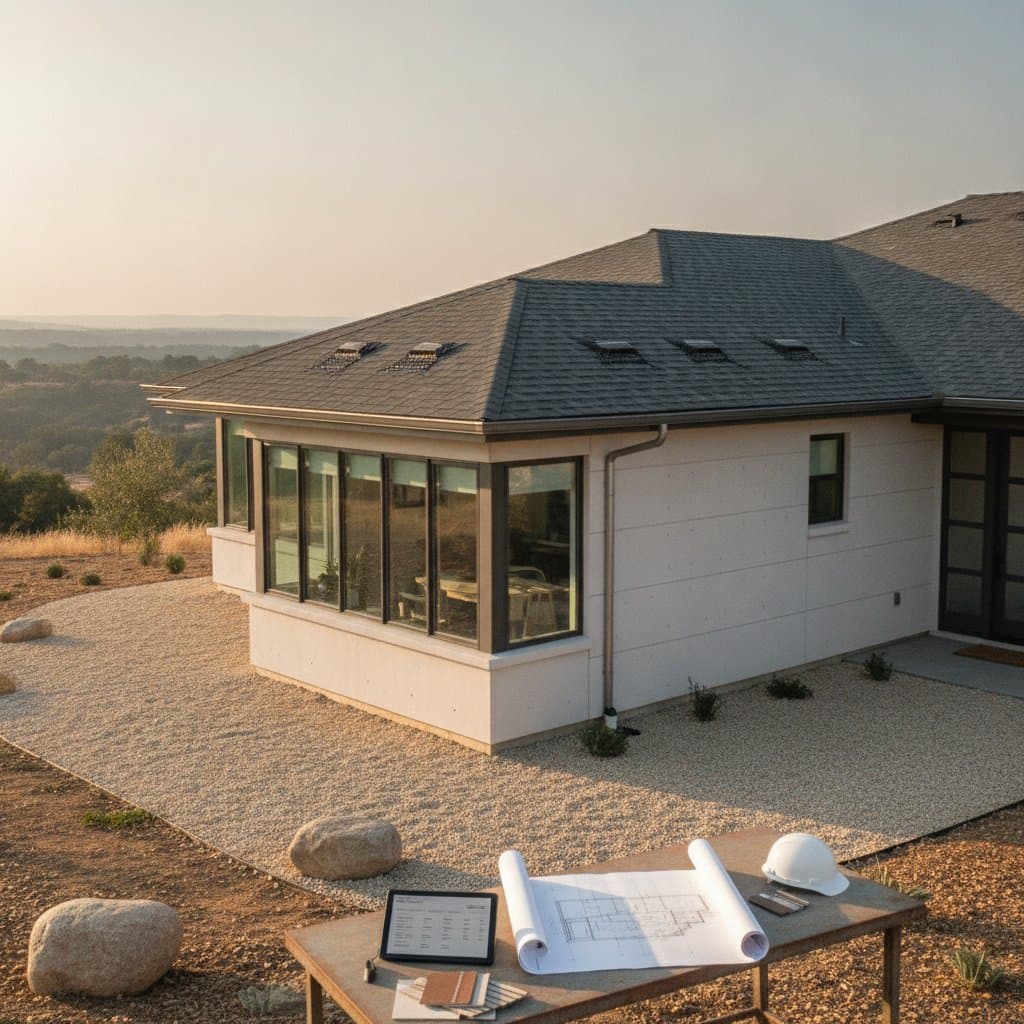
Wildfire protection begins with ember defense: Class A roofing, resistant vents, tempered windows, durable siding, clean gutters, and a fuel-free five-foot perimeter. Costs range from hundreds for maintenance to $100,000-plus for comprehensive upgrades. Prioritize exposed areas, compare detailed contractor bids, follow local codes, and maintain defensible space before fire season arrives.
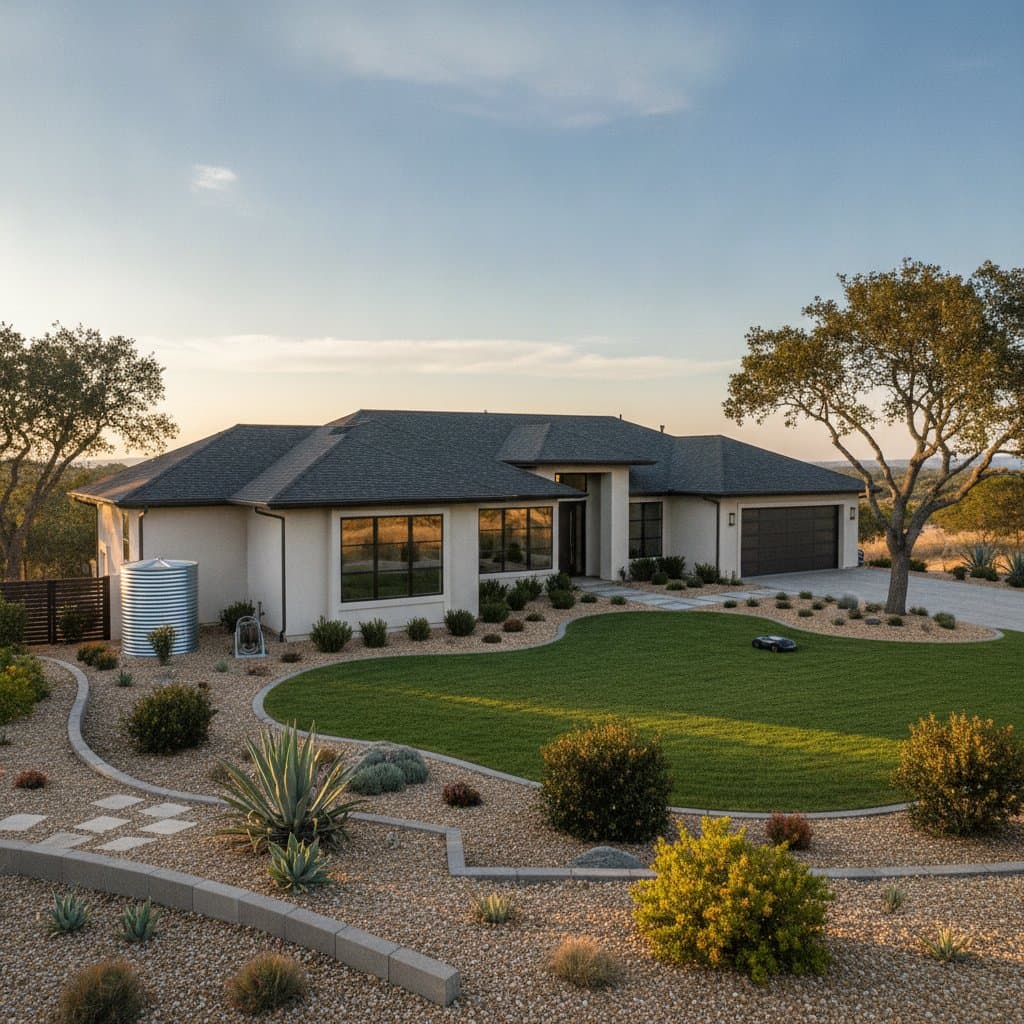
Protecting your home from wildfire starts with smart upgrades that balance safety and cost. From Class A roofing and tempered windows to defensible landscaping and reliable water access, each improvement strengthens resilience. Strategic planning, quality materials, and regular maintenance together create a layered defense that safeguards property and financial stability.
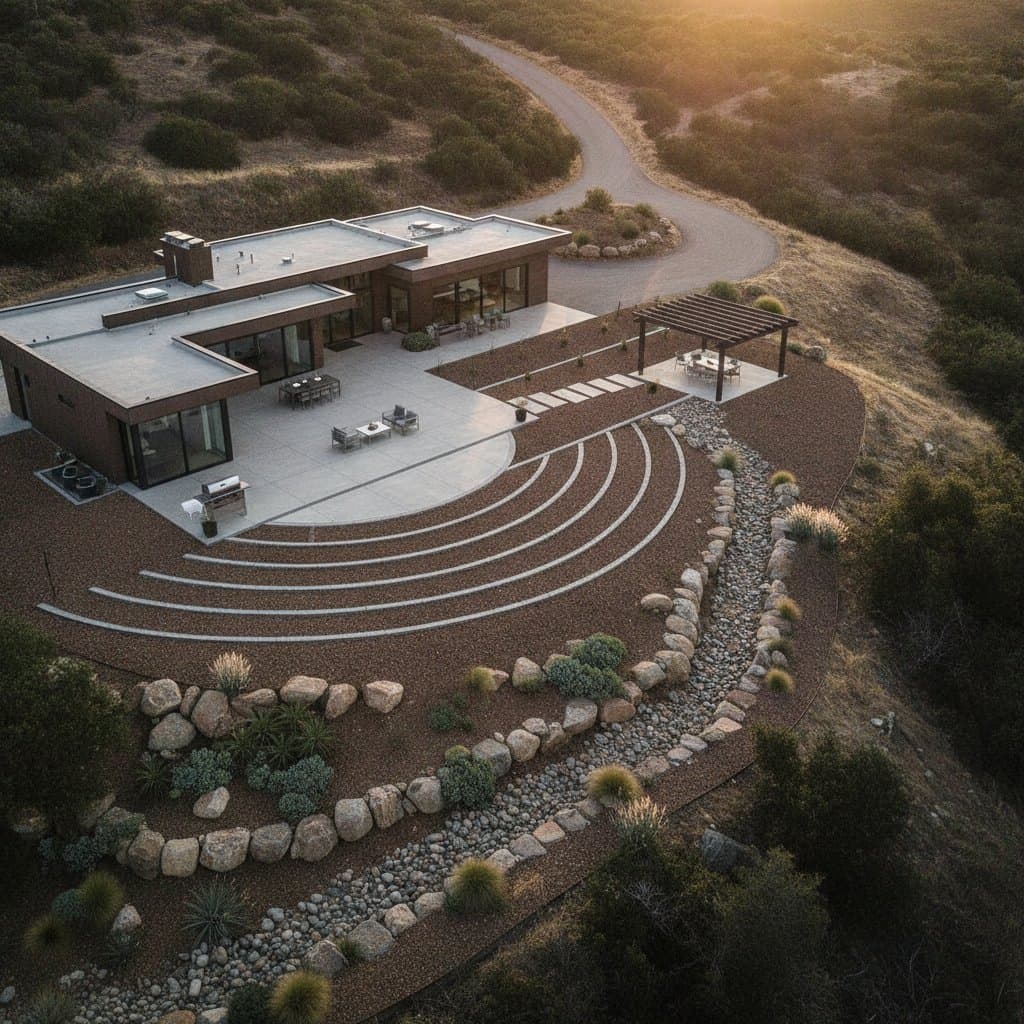
Strategic hardscaping with noncombustible materials slows flames, protects access, and lowers maintenance. Review costs, design steps, code requirements, and professional versus DIY guidance for a resilient landscape.
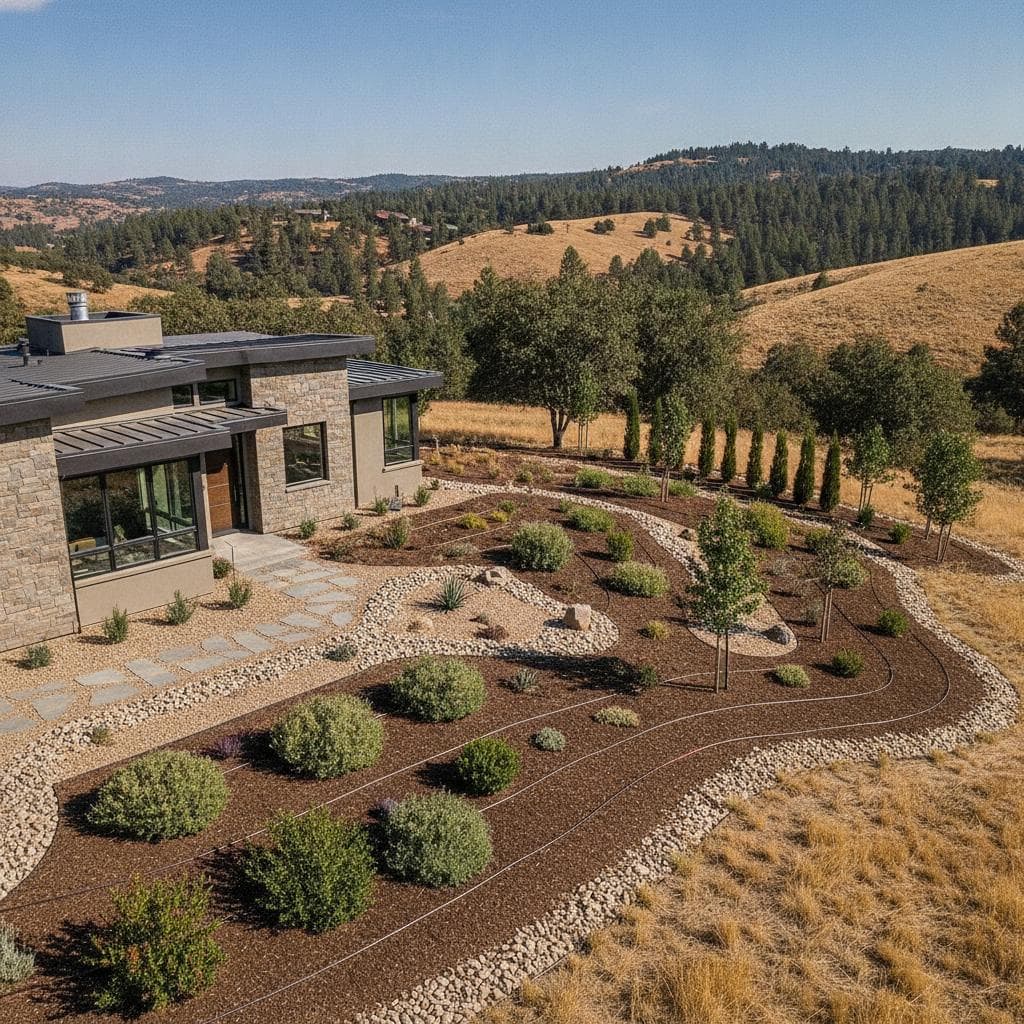
Fire-resistant landscaping creates defensible space that reduces wildfire risk by up to 80 percent. Average projects cost around 7800 dollars. Property size, materials, and terrain determine final pricing. Professional installation improves safety, curb appeal, and long-term value.
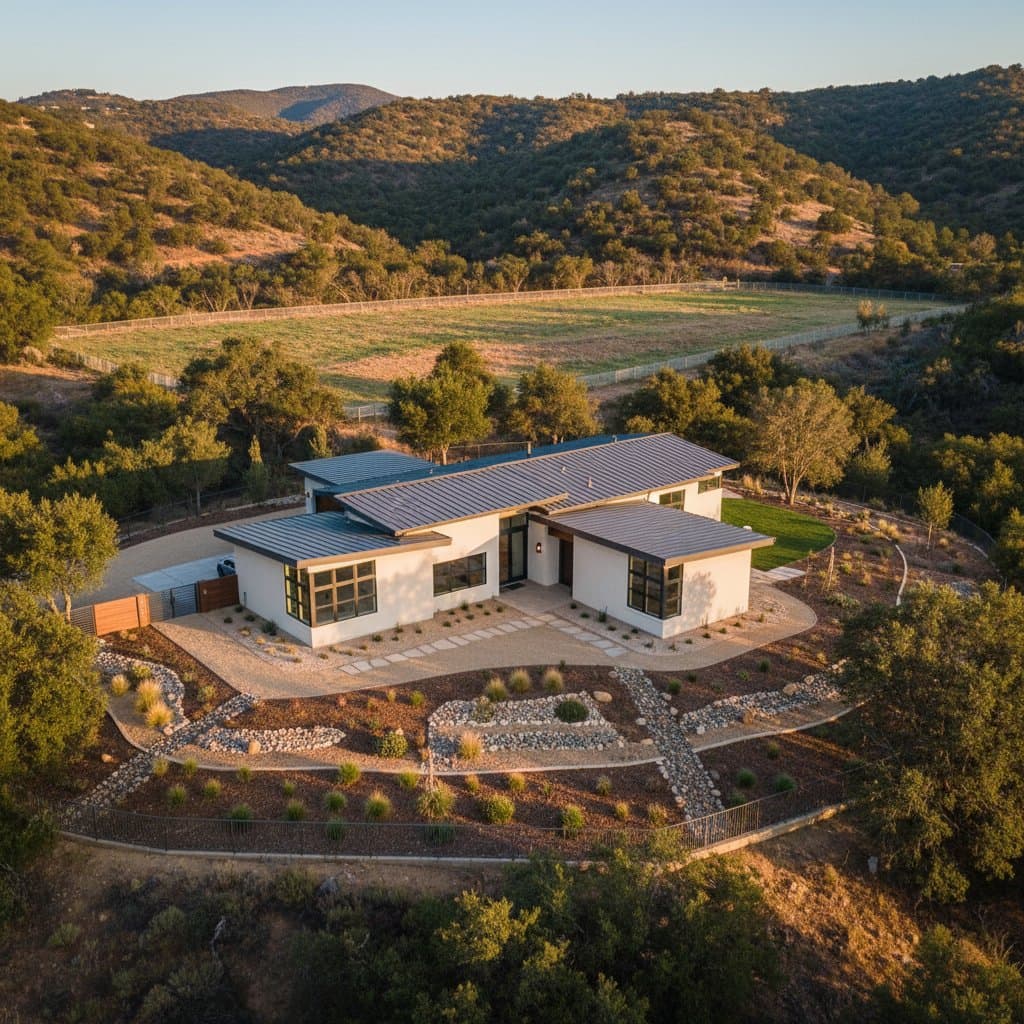
Defensible space elevates wildfire defense through targeted zoning, resilient materials, and rigorous upkeep. Homeowners reduce ignition threats and bolster asset protection with this comprehensive approach, including cost breakdowns and step-by-step guidance for effective implementation.

Rising wildfire threats influence home design trends for 2026. This comprehensive guide details fire-resistant materials, associated cost estimates, and a structured approach to defense planning. Discover key upgrades such as metal roofs, fiber cement siding, and ember-resistant vents that provide superior protection, comply with Wildland Urban Interface standards, maintain insurance coverage, and strengthen property resilience amid escalating wildfire dangers.
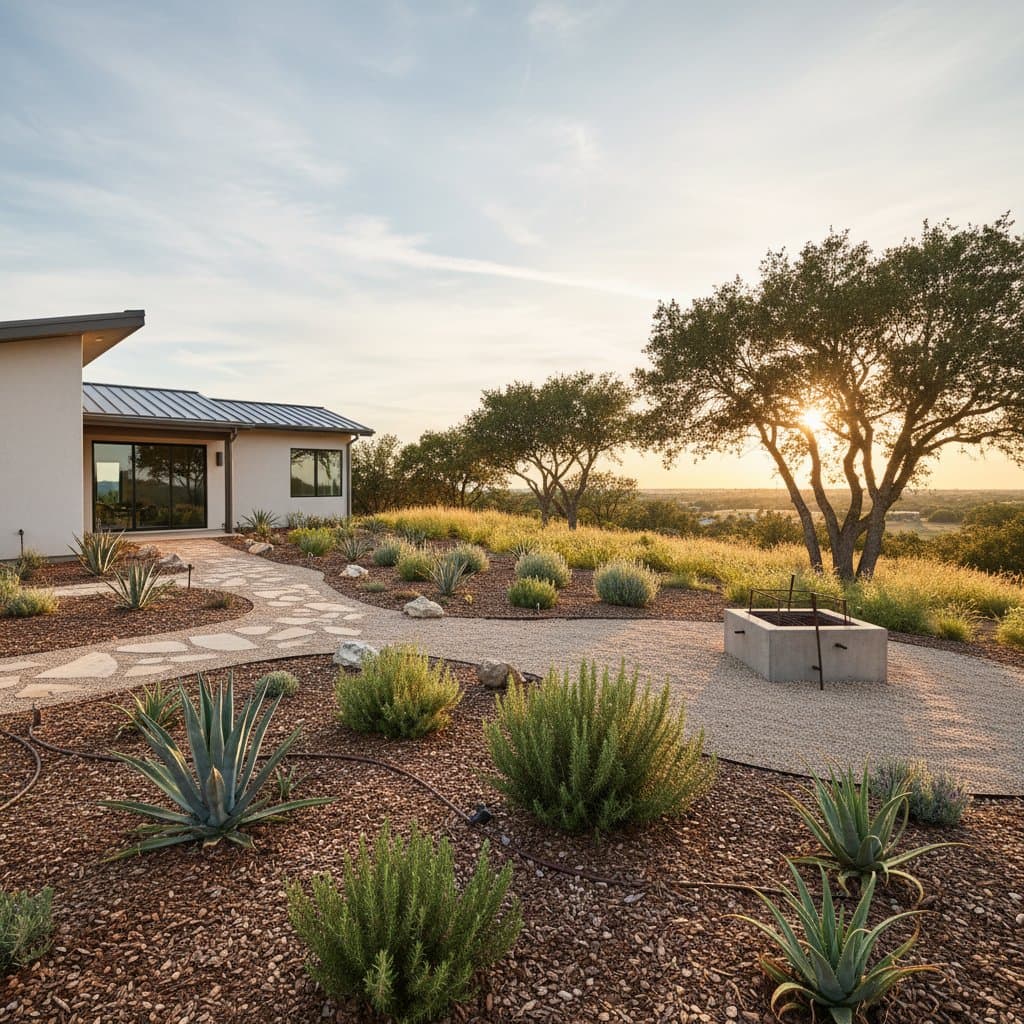
Safeguard your home and finances with effective wildfire-resistant landscaping. Explore strategic plant choices, proper spacing, and straightforward DIY enhancements that minimize fire risks and ongoing expenses. Gain insights on engaging professionals, selecting appropriate materials, and implementing maintenance routines to maintain a secure, eco-friendly, and insurer-approved landscape.
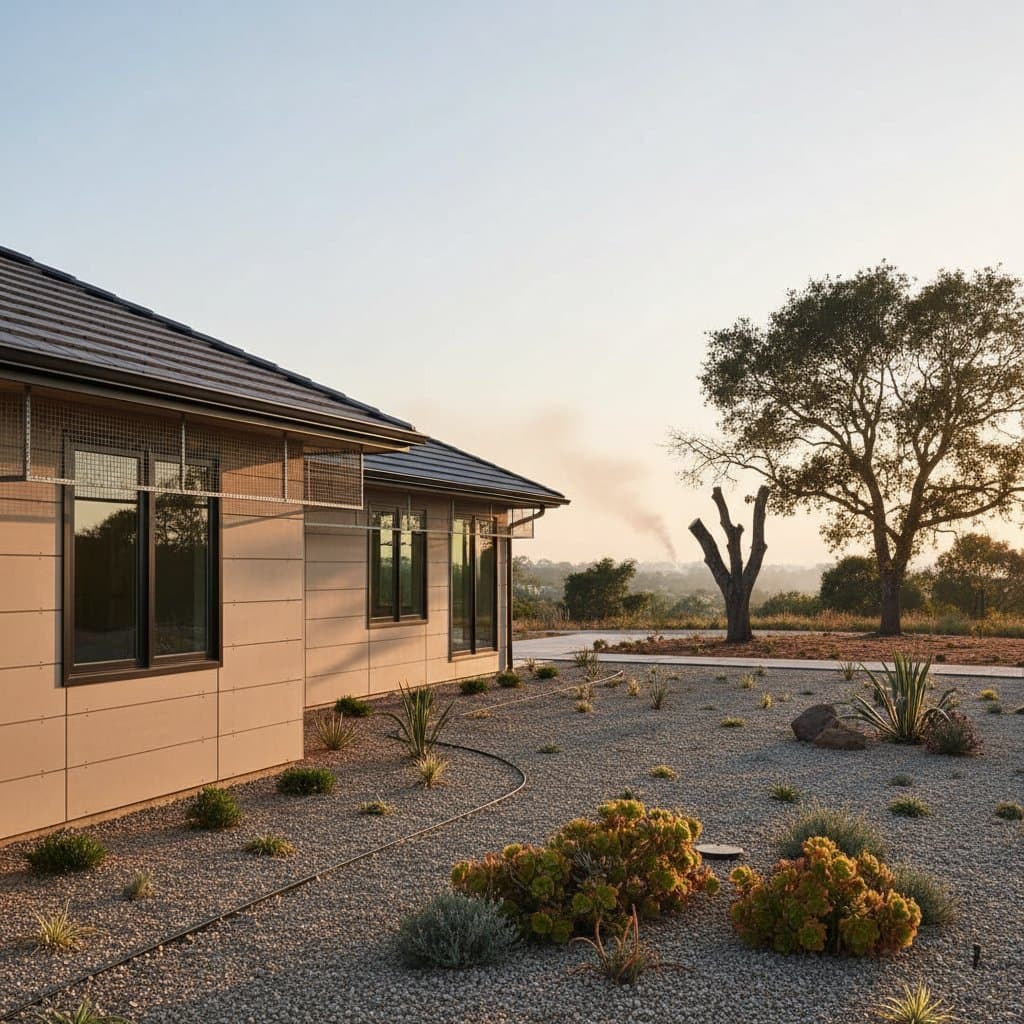
Fortify your home against wildfires using fire-resistant upgrades like Class A roofing, metal-screened vents, and cleared defensible spaces. This guide details essential improvements, associated costs, and maintenance routines to ensure enduring safety as fire seasons intensify.
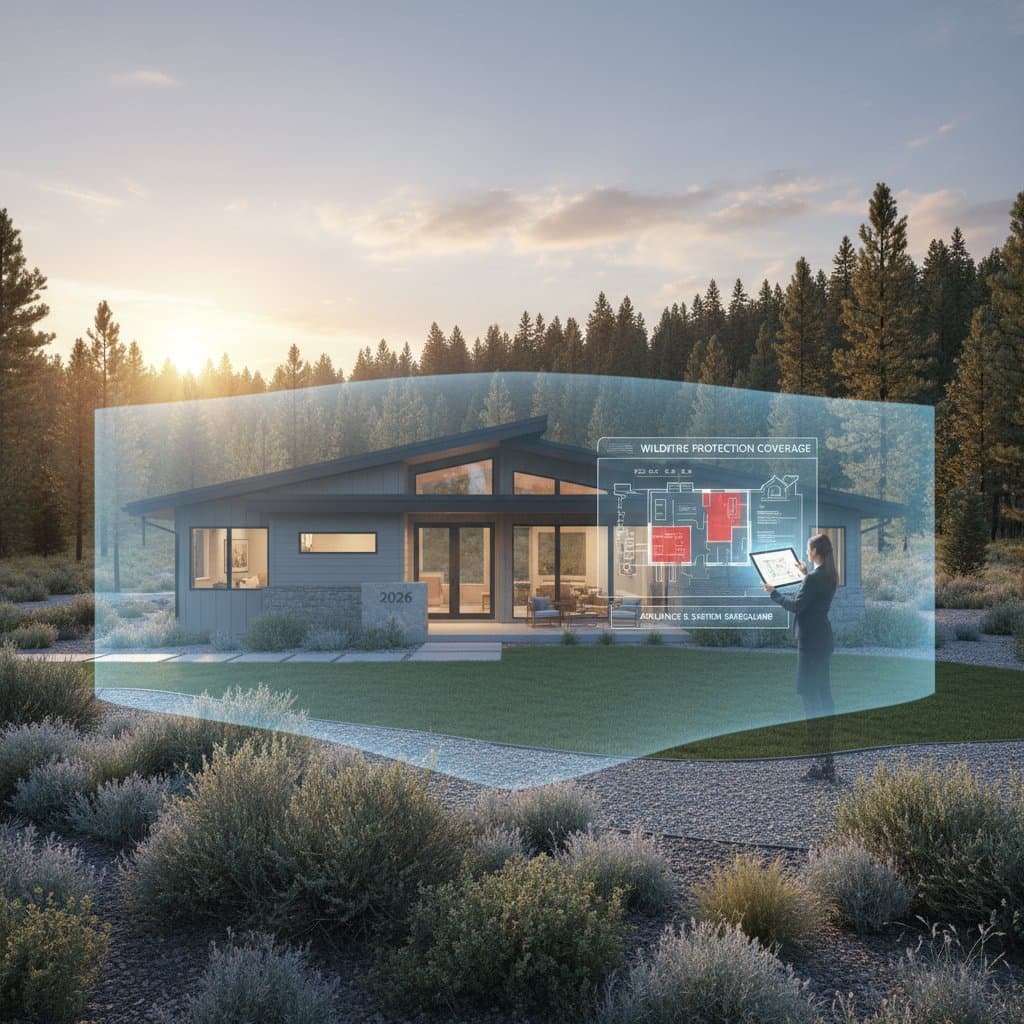
Home warranties with wildfire add-ons address key limitations in standard policies by covering repairs to systems and materials impacted by fire or smoke. As wildfire dangers intensify across regions, homeowners benefit from grasping coverage details, potential exclusions, and necessary inspections to sidestep unexpected costs and facilitate swift recovery after an incident.
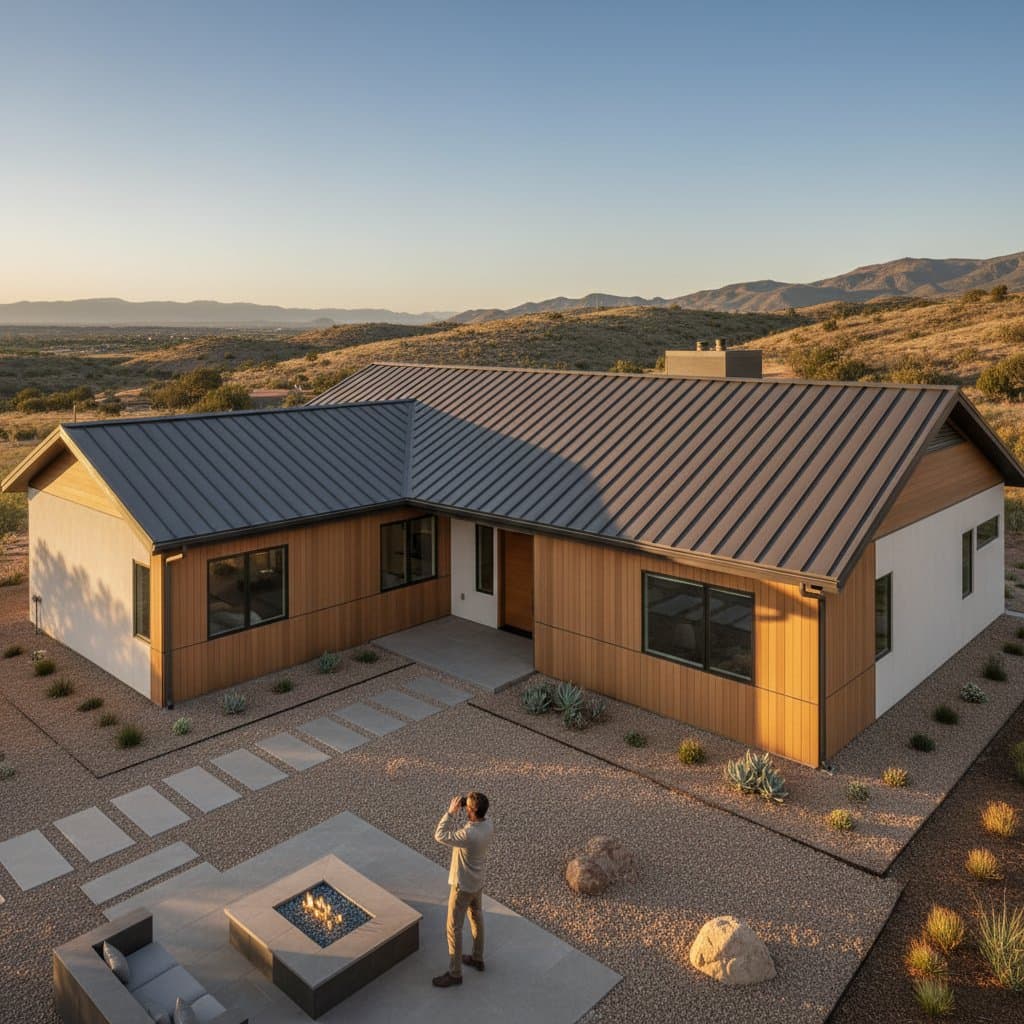
In 2026, fireproofing your home ranges from $1,500 to $25,000 and delivers enhanced safety, potential insurance discounts, and increased resale appeal. Prioritize roofs, vents, siding, and defensible space through DIY efforts or professional installations. Select durable materials and commit to regular upkeep for effective wildfire defense and lasting security.
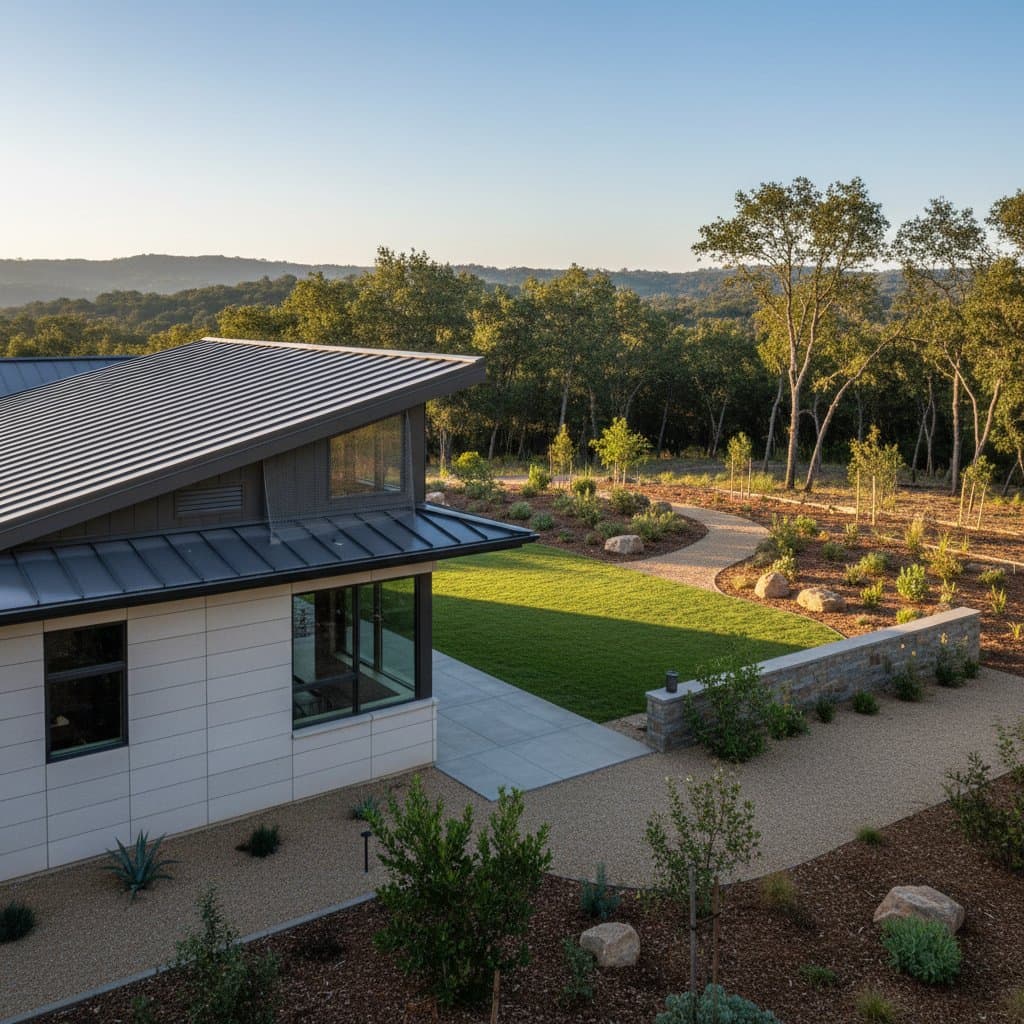
In 2026, wildfire resilience demands a three-tier strategy beyond basic fireproofing. This includes structural hardening, attachment protections, and perimeter clearances to minimize ignition, align with WUI standards, and safeguard properties against evolving threats. Discover practical steps, costs, and tips for implementation.
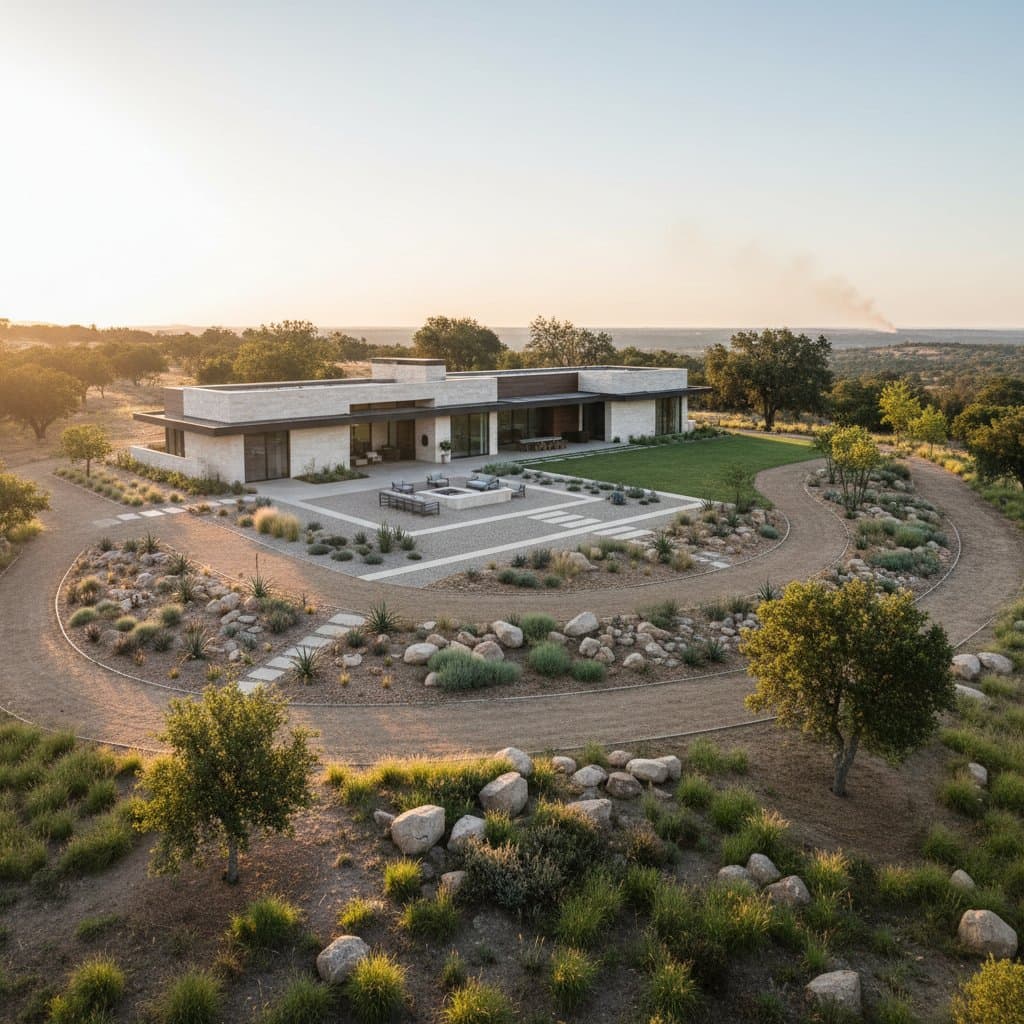
Enhance your home's wildfire resistance through strategic landscaping that creates defensible space. This guide explains how to design three essential zones, select low-flammability plants, and perform regular maintenance to reduce fire risks, comply with regulations, and support firefighting efforts effectively.
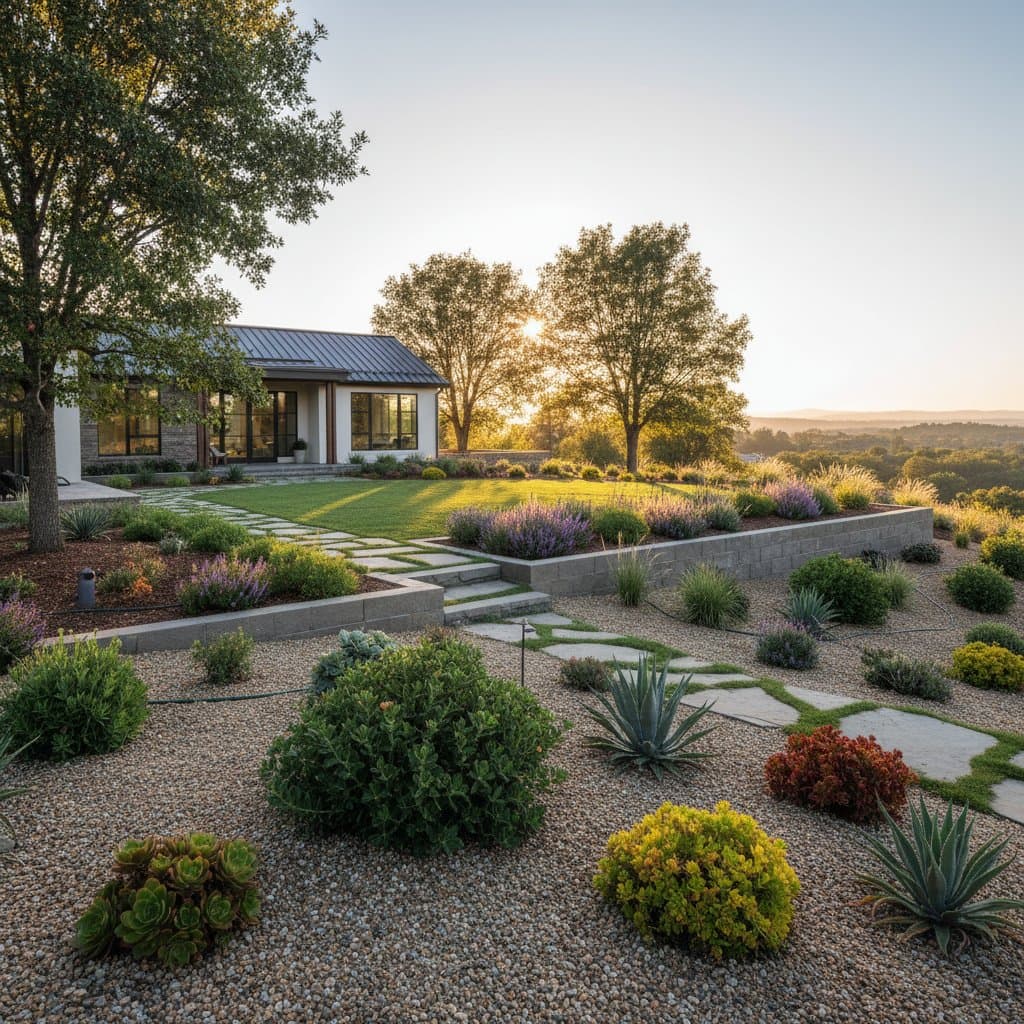
In 2026, wildfire-resistant landscaping typically costs $4,500 to $18,000, depending on treated area size, materials, and project scope. These investments create defensible space, reduce fire risk by up to 80 percent, and enhance aesthetics while increasing property value through sustainable design.
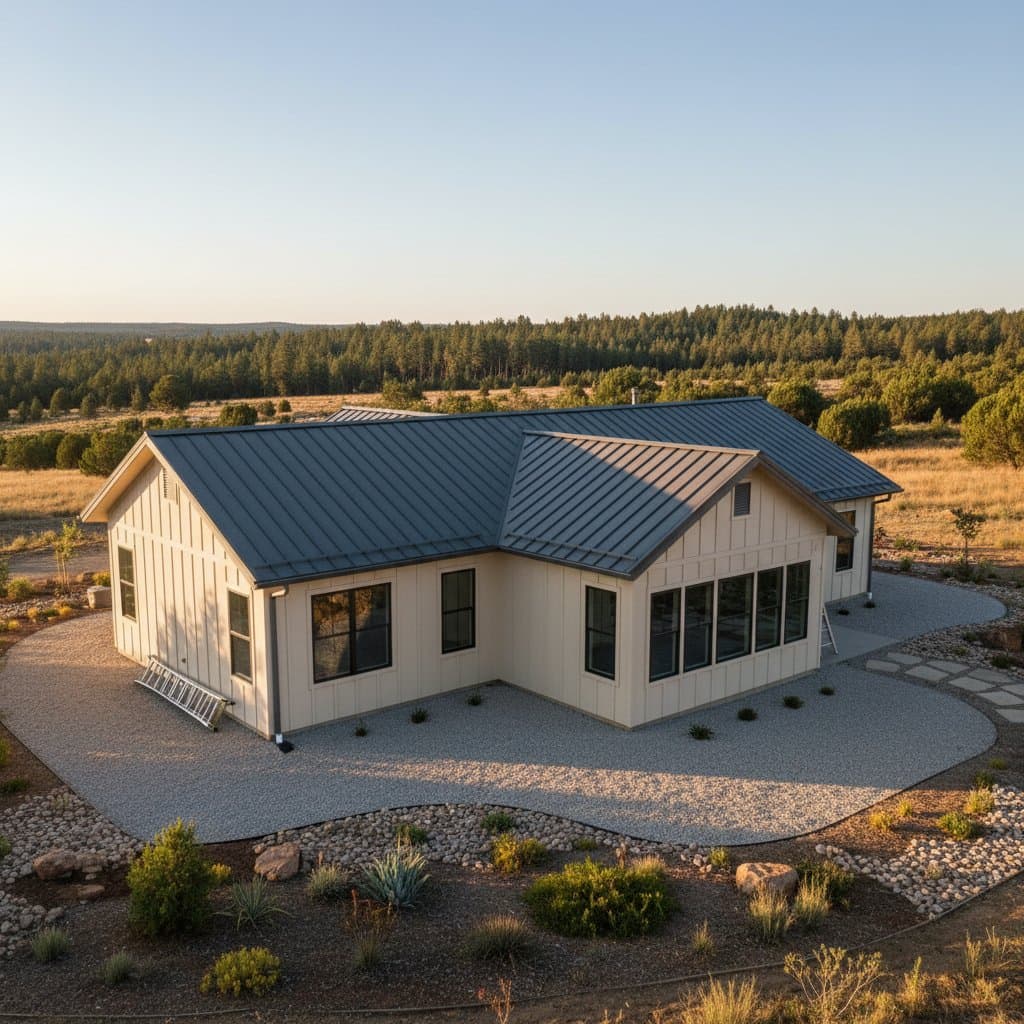
In wildfire-prone regions, selecting fire-resistant materials safeguards homes, ensures insurance eligibility, and adheres to evolving building standards. This comprehensive guide details effective products, their expenses, and secure installation methods. From Class A roofing to ember-resistant vents, discover strategies to achieve code compliance, decrease insurance rates, and improve property resilience while balancing budget and safety.
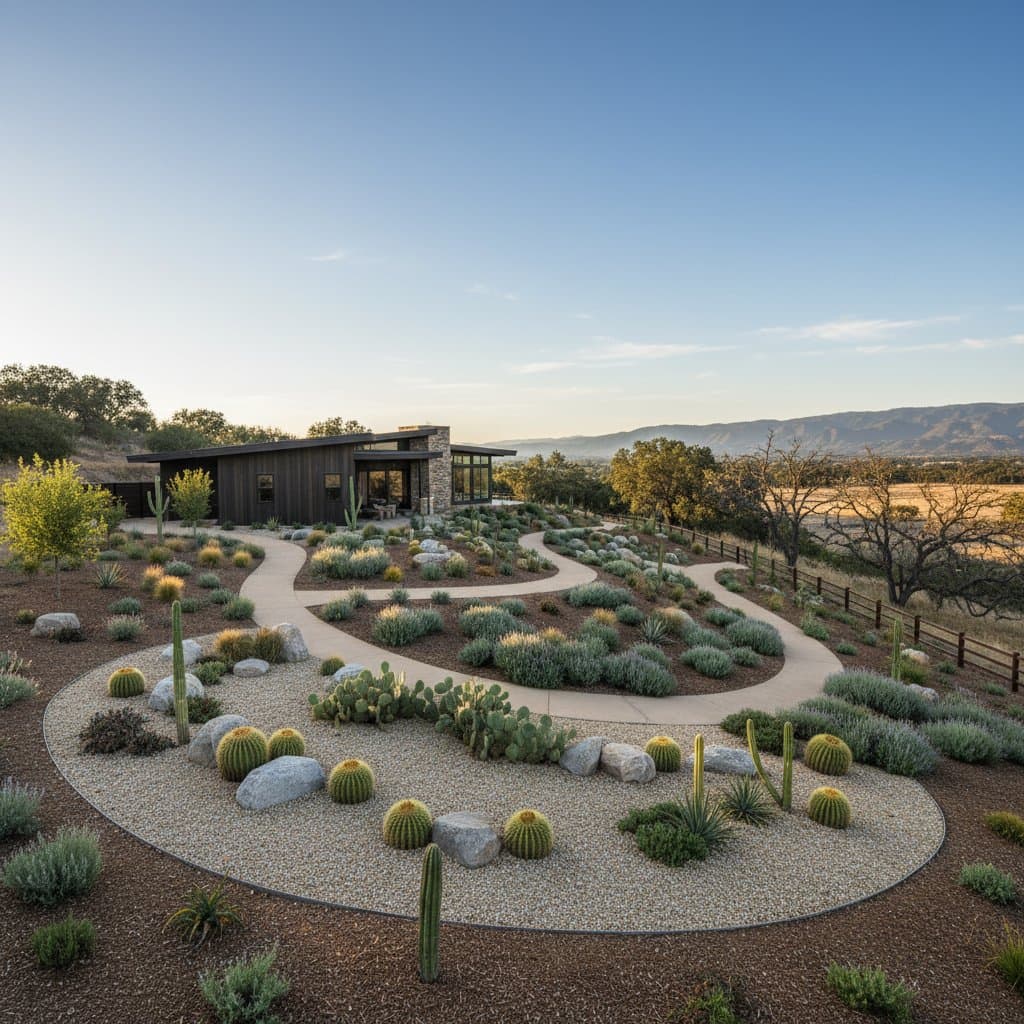
Enhance home safety in wildfire zones through strategic use of fire-resistant plants. These moisture-rich species slow fire spread, demand minimal upkeep, and blend beauty with protection. Discover recommended varieties, budgeting insights, and maintenance essentials to build a durable barrier against flames.
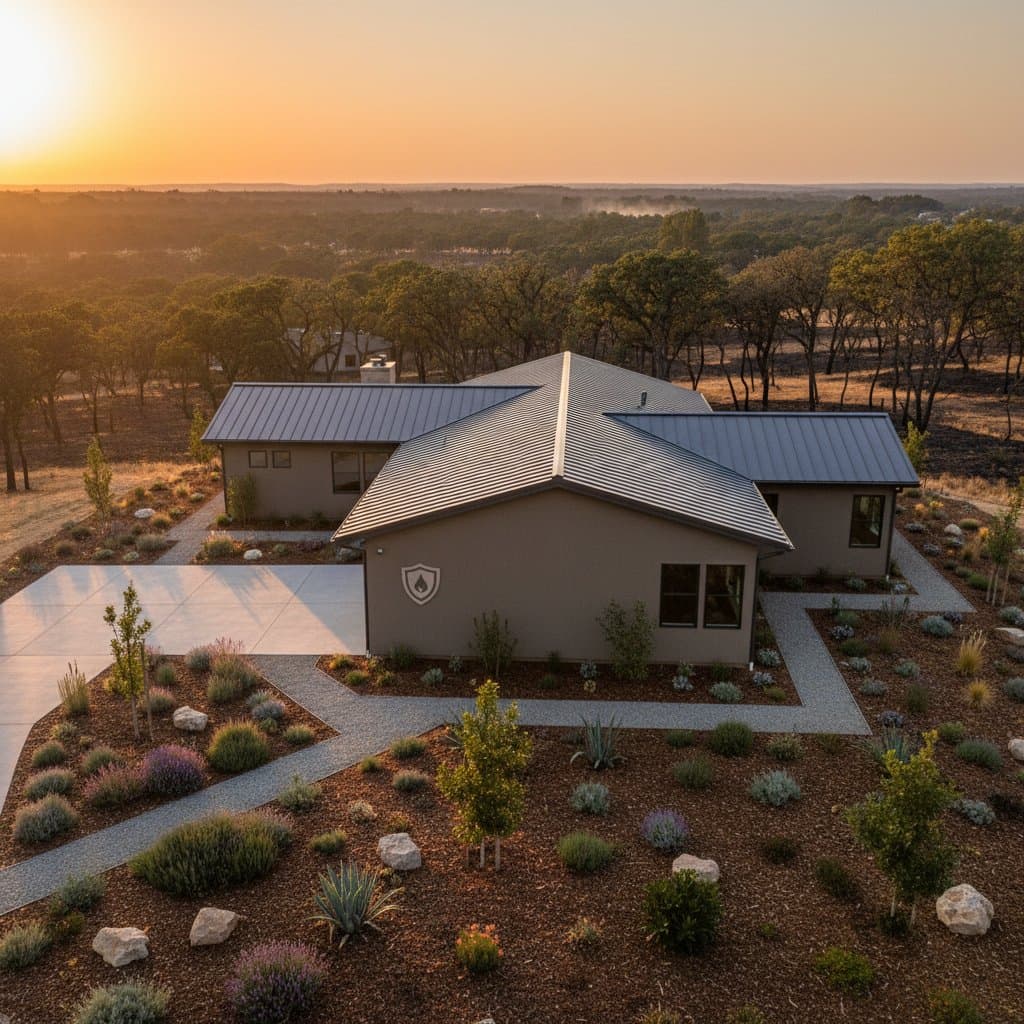
Wildfire home protection averages $7,800, ranging $2,000-$15,000, and reduces ignition risk by 75% with potential 25% insurance savings. Learn DIY options, professional packages, cost factors, and strategies to protect your property and finances effectively.
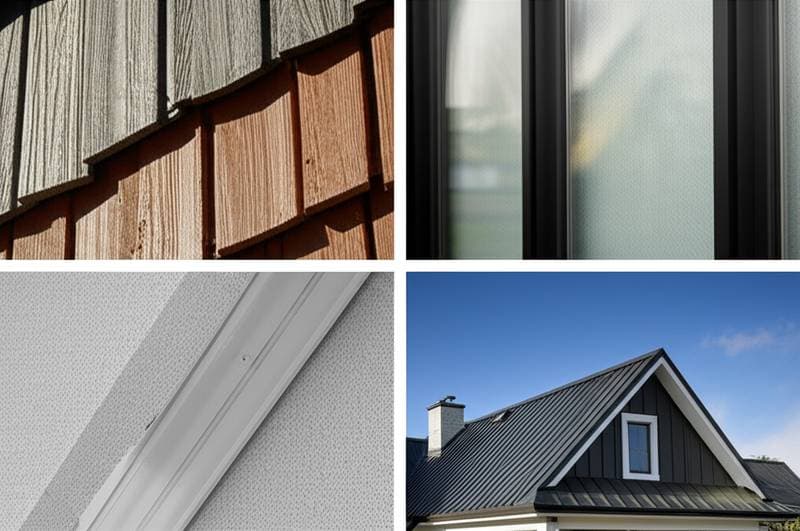
Examine 2025's leading wildfire-resistant materials, including fiber-cement siding, metal roofing, tempered glass windows, and ember-proof vents. Gain insights into realistic costs, return on investment, and effective savings approaches for retrofitting or rebuilding in fire-vulnerable zones. Determine which modifications suit DIY efforts and which require professional expertise, while optimizing for safety, durability, and affordability.
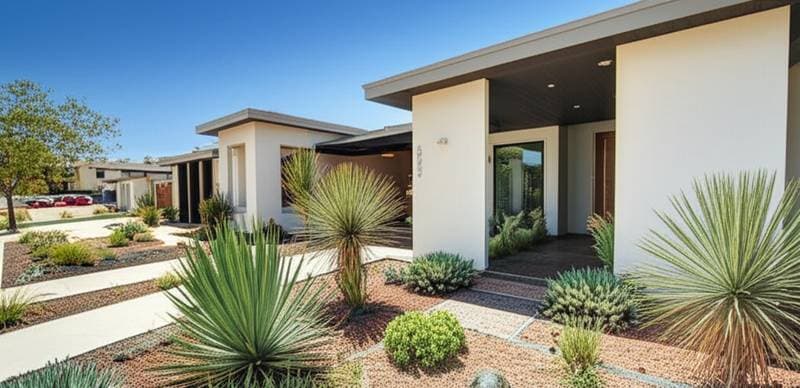
Convert your outdoor space into a resilient, eco-friendly retreat. Fire-resistant, drought-tolerant yards in 2025 range from $5 to $25 per square foot to install, delivering substantial reductions in water expenses, minimized wildfire threats, and enhanced aesthetic appeal. Discover practical approaches involving strategic zoning, native species selection, and efficient watering systems to establish protective barriers around your property in water-scarce regions.
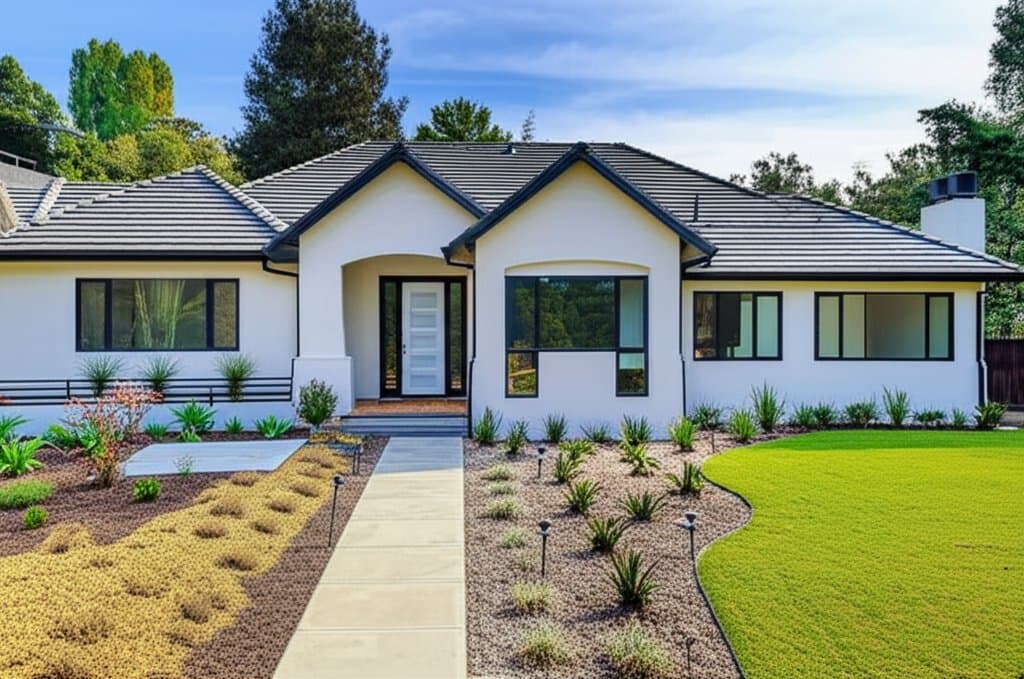
Fire-resistant home modifications elevate resale value, decrease insurance expenses, and enhance protection. Key elements such as Class A roofing, ember-resistant vents, and defensible space provide substantial returns and align with insurer incentives. Discover essential improvements for optimal safety, cost savings, and regulatory adherence in wildfire-vulnerable zones.