Understanding Granny Pod Expenses in 2026
Granny pods provide a practical solution for families seeking independent living arrangements near relatives. These backyard structures range in price from 90000 dollars to 250000 dollars for installations planned in 2026. Costs vary based on specific choices in size, materials, and site preparation.
Primary Factors That Shape Total Expenses
Several elements determine the final investment required. Square footage directly influences material quantities and labor hours. Larger units demand more extensive foundations and utility connections.
Design complexity adds another layer. Simple rectangular layouts cost less than those with multiple rooms or specialized accessibility features. Material selections such as wood framing versus steel construction create noticeable differences in both upfront prices and long term durability.
Utility integration requires careful planning. Connections for electricity, plumbing, and heating or cooling systems often represent 15 to 25 percent of the overall budget. Sites without existing access points incur higher expenses for trenching and permits.
Prefabricated Units Versus Custom Construction
Prefabricated granny pods offer faster timelines and lower base prices. Manufacturers deliver completed modules that require only site assembly and utility hookups. This approach typically reduces project duration to four to eight weeks.
Custom builds provide greater flexibility in layout and finishes. Owners work with architects and contractors to match specific needs. These projects extend from three to nine months and command premiums of 30 to 60 percent over prefabricated alternatives.
Detailed Cost Breakdown
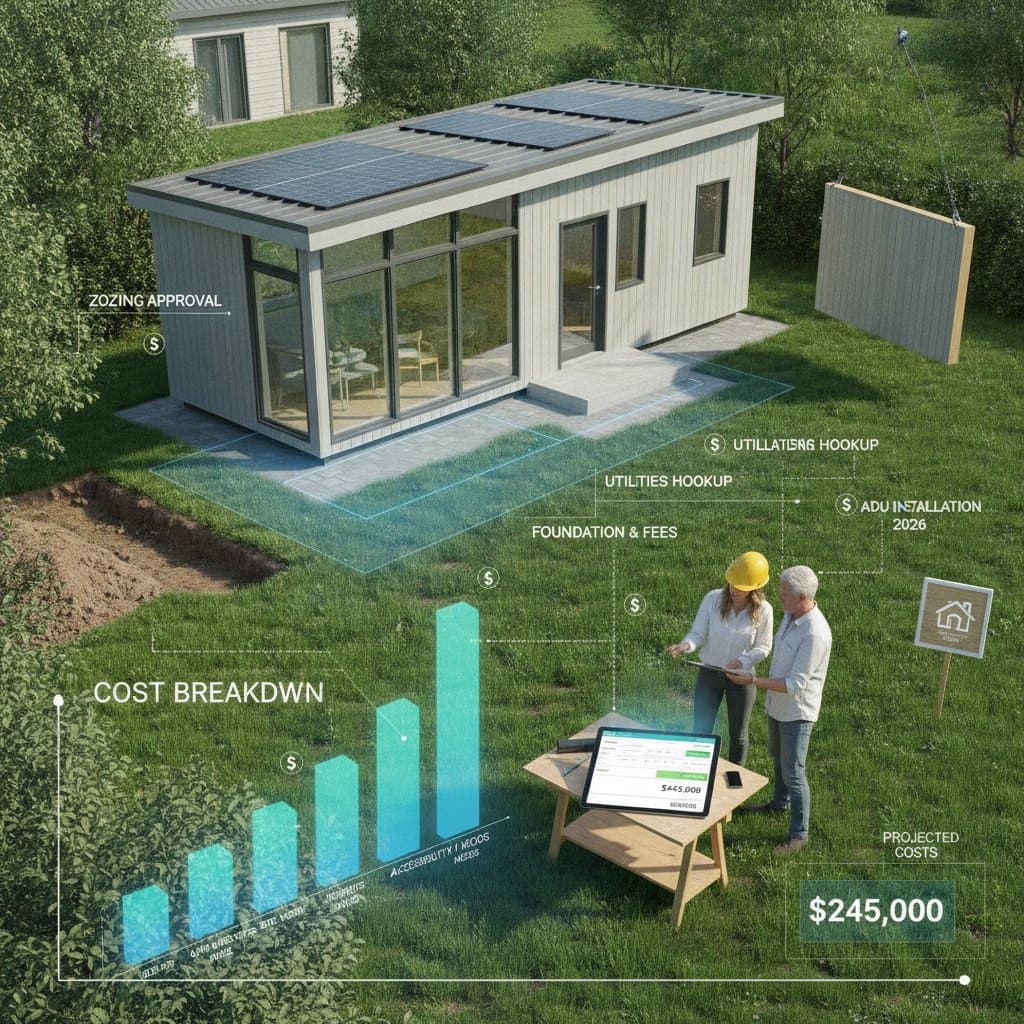
- Foundation and site work: 15000 to 40000 dollars
- Structural shell and roofing: 35000 to 90000 dollars
- Interior finishes and fixtures: 20000 to 55000 dollars
- Utility connections and systems: 10000 to 35000 dollars
- Permits, design fees, and contingencies: 10000 to 30000 dollars
These ranges assume standard residential zoning and moderate soil conditions. Unusual site challenges such as steep slopes or poor drainage increase the foundation category substantially.
Project Timeline Considerations
Early coordination with local building departments prevents delays. Permit review periods range from two to eight weeks depending on jurisdiction. Scheduling utility providers in advance ensures connections align with construction milestones.
Weather conditions affect exterior work. Planning installations during drier months minimizes weather related interruptions. Owners should allocate additional weeks for final inspections and any required corrections.
Planning Steps for Successful Outcomes
Assess family requirements before selecting size and features. Consider future mobility needs and potential resale value. Obtain multiple bids from licensed builders experienced in accessory dwelling units.
Review zoning regulations thoroughly. Some municipalities limit total square footage or require specific setbacks from property lines. Confirm all restrictions prior to design finalization.
Establish a clear payment schedule tied to project phases. This structure protects both parties and maintains steady progress. Reserve 10 percent of the budget for unforeseen adjustments.
Maximizing Value in Your Installation
Energy efficient features reduce ongoing operational costs. Proper insulation, high performance windows, and efficient heating systems deliver measurable savings over time. These choices also support qualification for available incentive programs.
Quality construction protects the investment. Selecting durable exterior materials and reliable systems minimizes maintenance demands. Families gain both immediate utility and lasting property enhancement through thoughtful planning.