AI Home Warranties for Smart Systems in 2026
Homeowners now manage both traditional mechanical systems and intelligent digital platforms that control lighting, security, and energy use. The growth of artificial intelligence in home automation has produced new warranty products designed to protect this connected environment. Systematic analysis, financial scrutiny, and consumer protection awareness help homeowners understand how these products operate.
Scope of Coverage
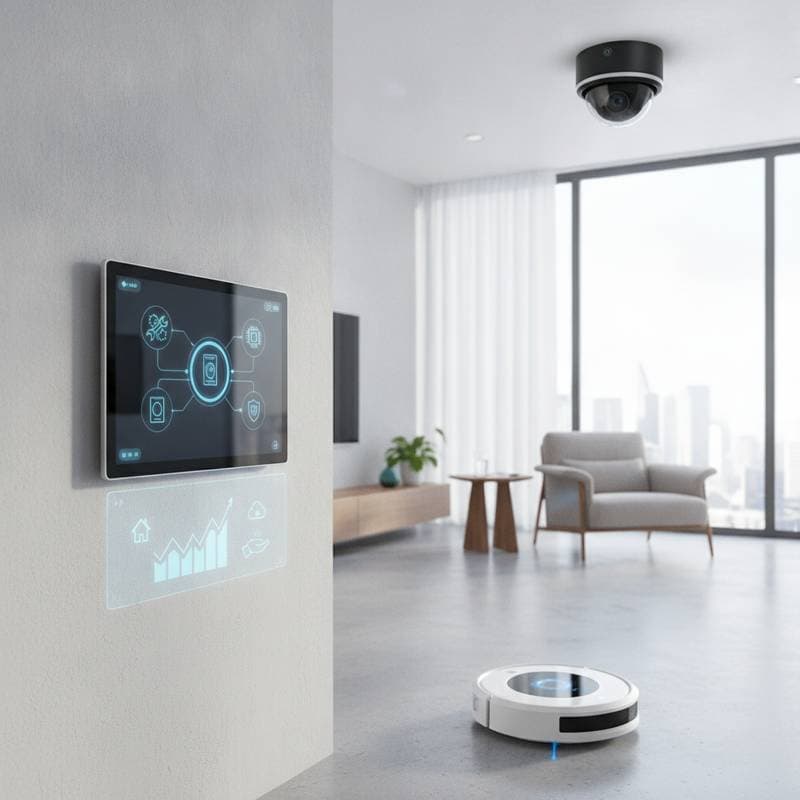
An AI home warranty addresses interconnected devices, sensors, and control systems that use machine learning to manage household functions. Typical inclusions cover smart thermostats, automated locks, security cameras, energy management hubs, and learning appliances. Some policies extend to software components such as predictive maintenance algorithms and cloud-based monitoring subscriptions.
Traditional home warranties address mechanical breakdowns. AI-based warranties must also handle digital issues, glitches in algorithmic updates, and connectivity failures. This dual nature creates broader yet more complex coverage, with many contracts separating physical device repairs from digital service interruptions.
Cost Structure
Monthly premiums for AI home warranties range from 50 to 90 dollars, with service call fees between 75 and 125 dollars. Higher-tier plans add remote diagnostics and cloud storage for system logs. Providers may charge separate subscription fees for continuous monitoring or predictive analytics.
A typical coverage comparison appears below.
- Basic Plan: 50 to 60 dollars monthly, 75 dollar service fee, up to 500 dollars per incident, software updates excluded.
- Standard Plan: 65 to 80 dollars monthly, 100 dollar service fee, up to 1,000 dollars per incident, third-party device issues excluded.
- Premium Plan: 85 to 90 dollars monthly, 125 dollar service fee, up to 2,000 dollars per incident, data privacy and cloud failures excluded.
Aggregate payout limits and per-device caps often appear in the fine print. Depreciation adjustments for older smart devices can further reduce reimbursement amounts.
Claim Process
- The homeowner starts a claim through an app or online portal that collects diagnostic data from connected devices.
- The provider reviews sensor logs and AI error reports to identify whether the fault originates in hardware, software, or user settings.
- A technician or automated tool authorizes repair or replacement, sometimes requiring remote verification first.
- A certified technician completes repairs and recalibrates the system, or remote updates address digital issues.
- The homeowner confirms restoration through the connected app, with some plans including short-term performance tracking afterward.
Data access and privacy permissions require attention at every stage.
Common Exclusions
- Software subscriptions that expire without renewal.
- Devices modified outside manufacturer specifications.
- Cybersecurity breaches or unauthorized network access.
- Third-party integrations not supported by the warranty provider.
- Losses caused by user error or disconnected sensors.
Providers may deny claims when homeowners skip firmware updates or recommended maintenance schedules.
Financial Considerations
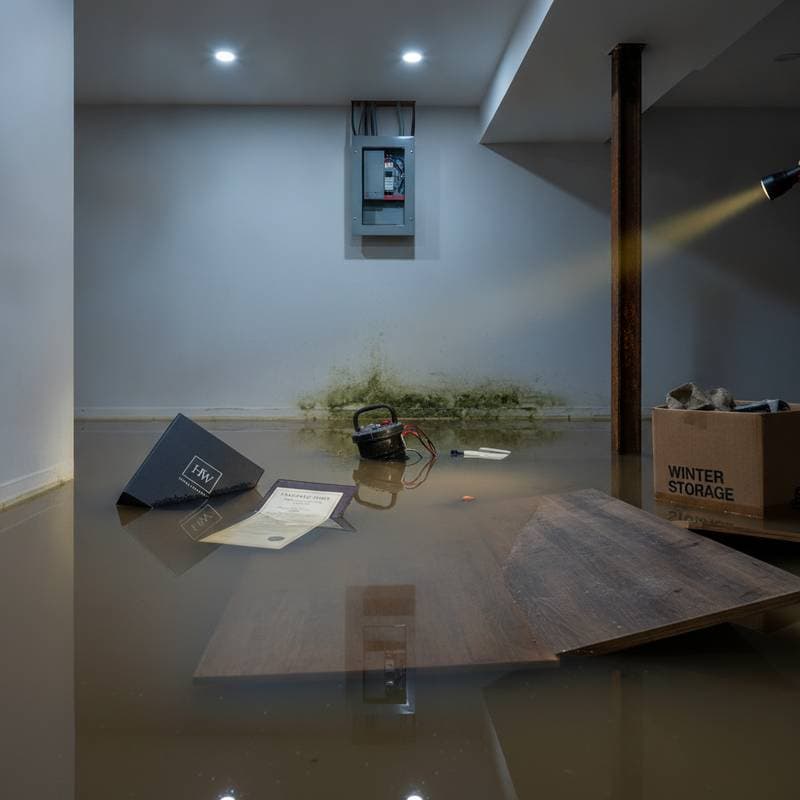
Total ownership costs include data fees, replacement expenses for unsupported devices, and potential downtime. A failed smart water sensor, for example, can cause property damage that falls outside the warranty and requires homeowners insurance instead.
Depreciation clauses reimburse only a percentage of replacement costs for devices older than two years. Annual claim caps near 5,000 dollars can leave gaps for households with multiple connected systems.
Provider Evaluation
- Confirm licensing and experience in both home warranty services and software maintenance.
- Request sample contracts to examine exclusions and payout limits.
- Compare service response times and technician availability in the local area.
- Verify integration lists to confirm device eligibility.
- Review complaint data on claim denials and billing disputes.
Partnerships between warranty companies and smart home manufacturers can improve compatibility yet may restrict future device choices.
Risk Reduction Steps
Maintain independent records of system performance, including device logs and update histories, to support claims. Confirm that the provider restricts use of household analytics for marketing purposes. Review arbitration clauses before purchase, because many contracts limit legal recourse in disputes.
Contract Language
Terms such as predictive failure detection and smart coverage optimization can conceal limitations. Predictive detection functions only when systems remain online and transmit continuous data. Connection failures may cause temporary loss of coverage.
Final Selection Guidance
Warranties that combine hardware and software protection can safeguard connected homes when selected with careful review of terms and costs.