Solar Roof Costs and ROI Breakdown for 2026 Homes
Installing a solar roof replaces standard roofing materials while producing electricity. This approach combines energy production with improved home appearance. The initial expense exceeds that of conventional panels or shingles. Clear details on pricing factors and investment returns support informed decisions about suitability for specific homes and budgets.
Expect to invest between 40000 and 80000 dollars for a complete solar roof on a typical residence. Actual payback periods vary with local electricity prices, available sunlight, and applicable incentives.
Comparing Available Systems
Three primary options exist for homeowners. Each carries distinct costs along with advantages and limitations.
- Tesla Solar Roof ranges from 20 to 35 dollars per square foot. It offers an integrated appearance. Lead times remain extended and certified installers are fewer in number.
- CertainTeed Solar Shingles cost between 15 and 25 dollars per square foot. These integrate with existing asphalt roofs and include solid warranty coverage. Power output per area is lower than some alternatives.
- Traditional solar panels installed on an existing roof run from 2.50 to 4 dollars per watt. Upfront expense stays lower and service access is straightforward. The visible profile is bulkier and roof penetrations are required.
Select integrated shingles when roof replacement and uniform appearance rank as top priorities. Choose conventional panels when the current roof remains sound and minimizing initial outlay is essential.
Calculating Returns Through Energy Savings
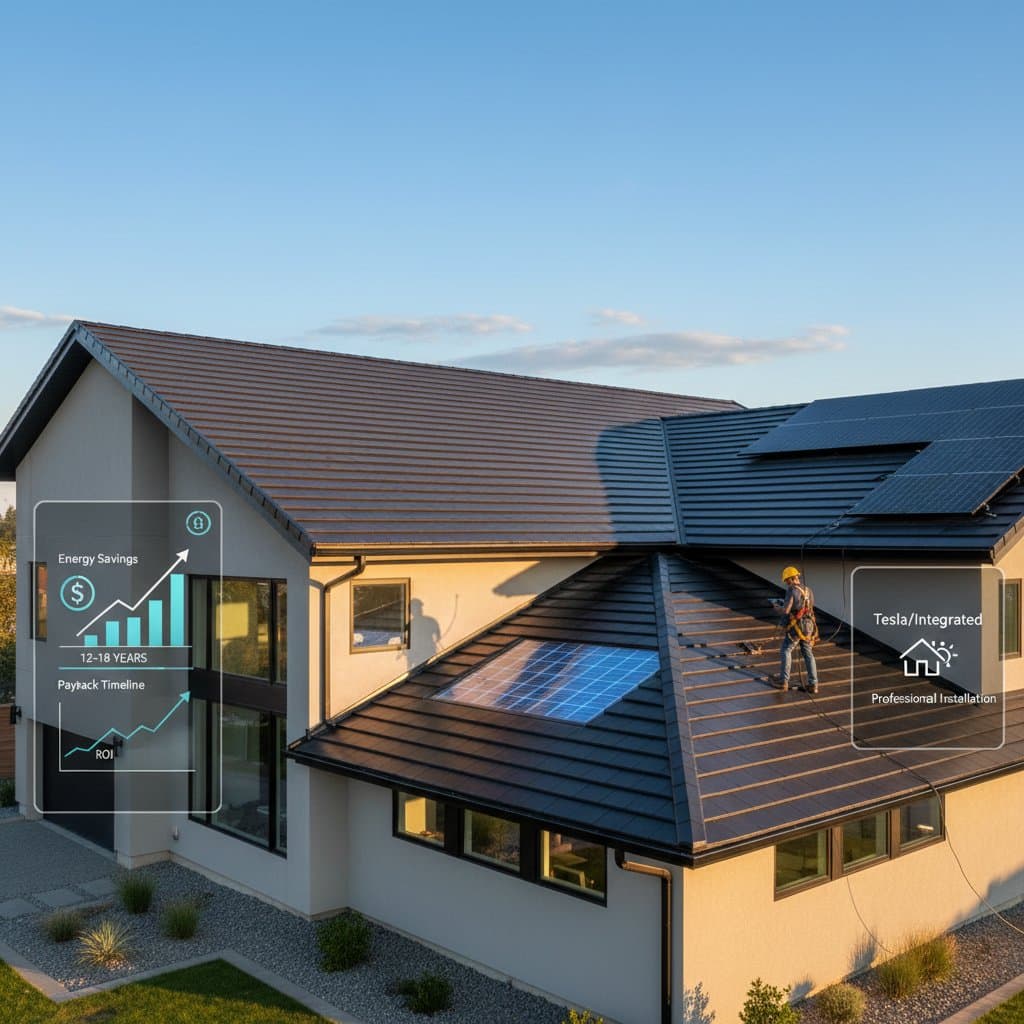
Annual electricity reductions typically reach 1000 to 2500 dollars. Break-even points generally occur within 12 to 18 years. Locations with strong sunlight and higher utility rates achieve faster returns. Property resale values often increase in regions where energy expenses are elevated.
Professional Installation Requirements
Solar roof projects require licensed contractors. Electrical connections, waterproofing details, and structural assessments fall outside typical homeowner capabilities. Certified roofing and solar teams complete the work safely and in compliance with codes. Owners can perform basic upkeep such as occasional surface cleaning and performance checks through monitoring apps.
Required Components for Installation
- Solar shingles or tiles sized to roof dimensions
- Underlayment plus flashing for weather protection
- Inverter equipment and appropriate wiring
- Safety gear including ladders and harnesses
- Conduit runs and junction boxes
- Monitoring hardware or connected applications
Ongoing Care and Expected Duration
Properly installed systems operate for 25 to 30 years. Clean surfaces twice annually using soft water and a nonabrasive tool. Review inverter output monthly. Maintain clearance around the array by managing nearby vegetation.
Climate Specific Adjustments
Snow prone areas gain from smooth glass surfaces that shed accumulation. Hotter climates require enhanced ventilation and reflective layers beneath the array. Local building departments should confirm permit rules and incentive availability prior to contract signing.
Securing Competitive Proposals
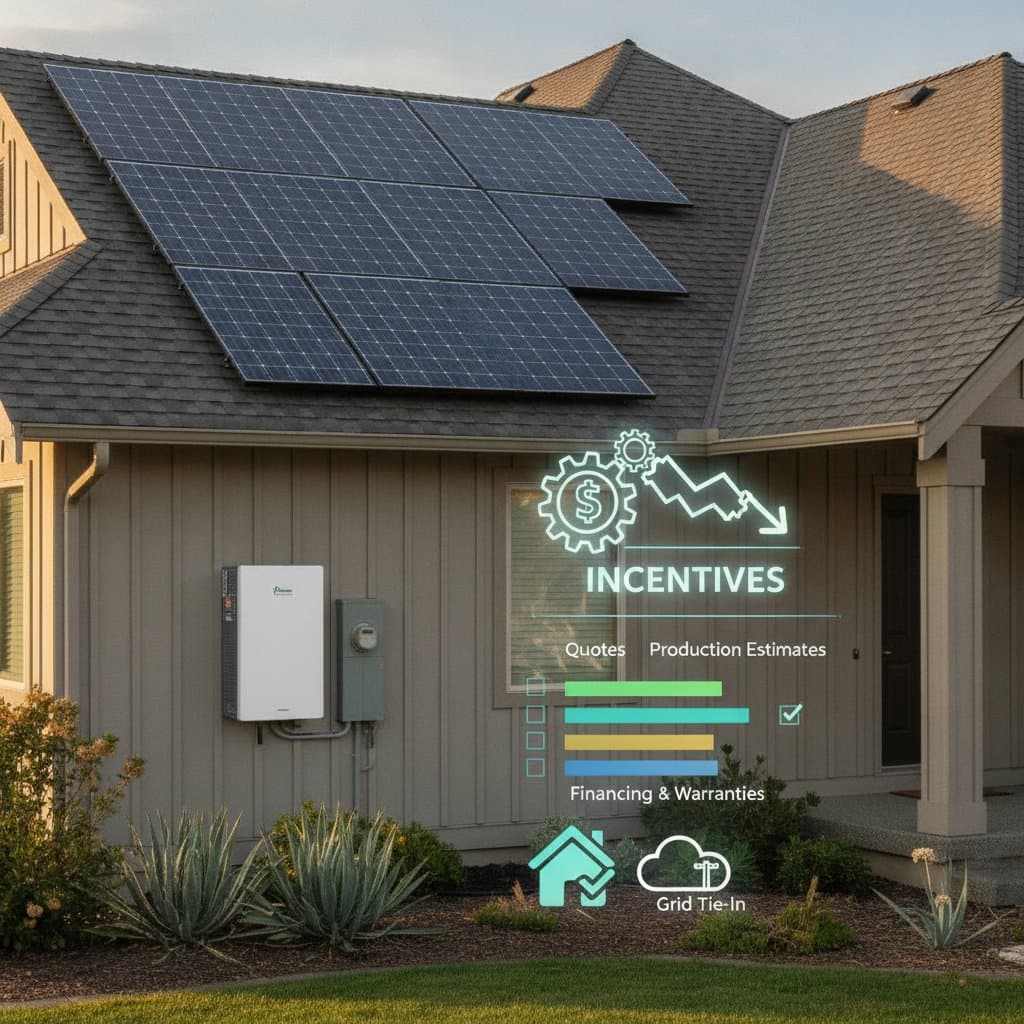
Obtain detailed estimates from three or more certified providers. Evaluate projected system production, warranty terms, and available financing structures. Request explicit cost per watt figures from each contractor to enable direct comparisons.
Final Planning Considerations
Review total project scope against household energy use and long term ownership plans. Confirm that selected materials align with both aesthetic goals and regional weather demands before proceeding.