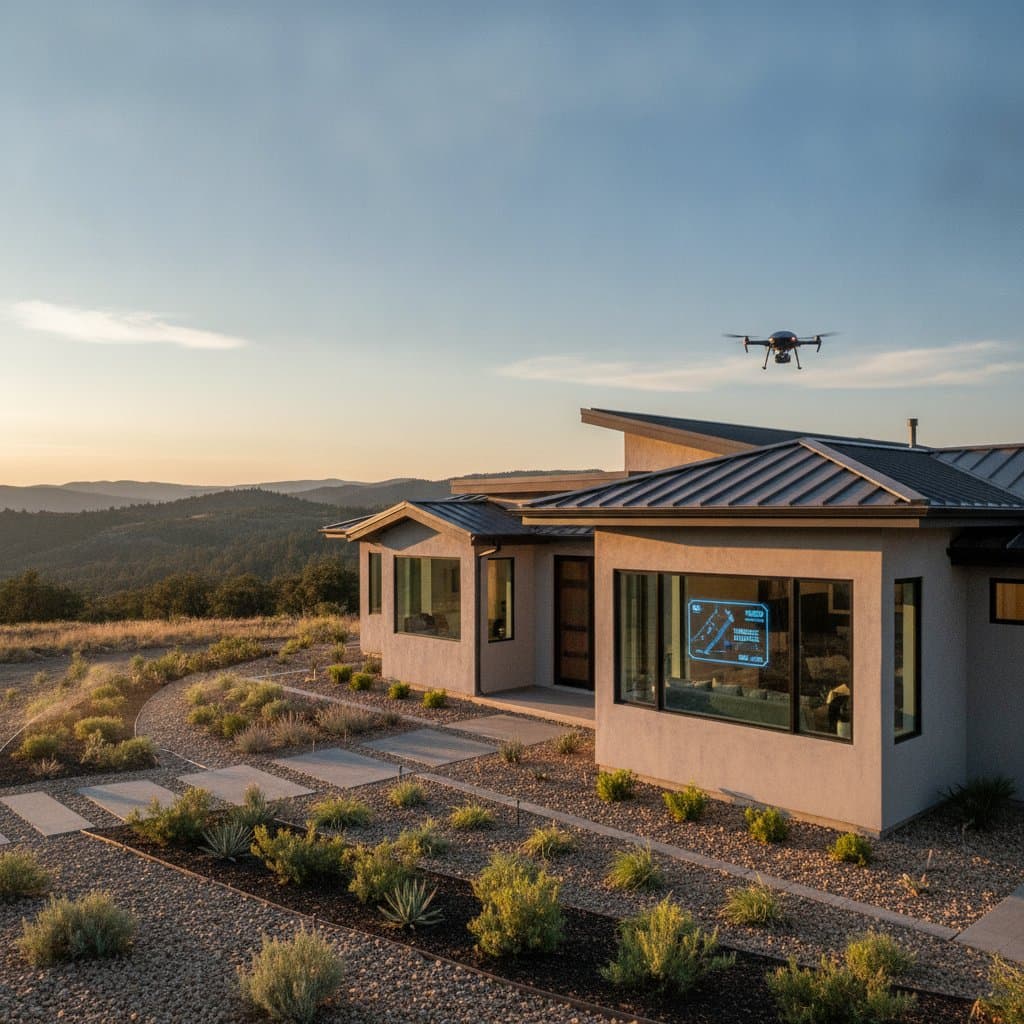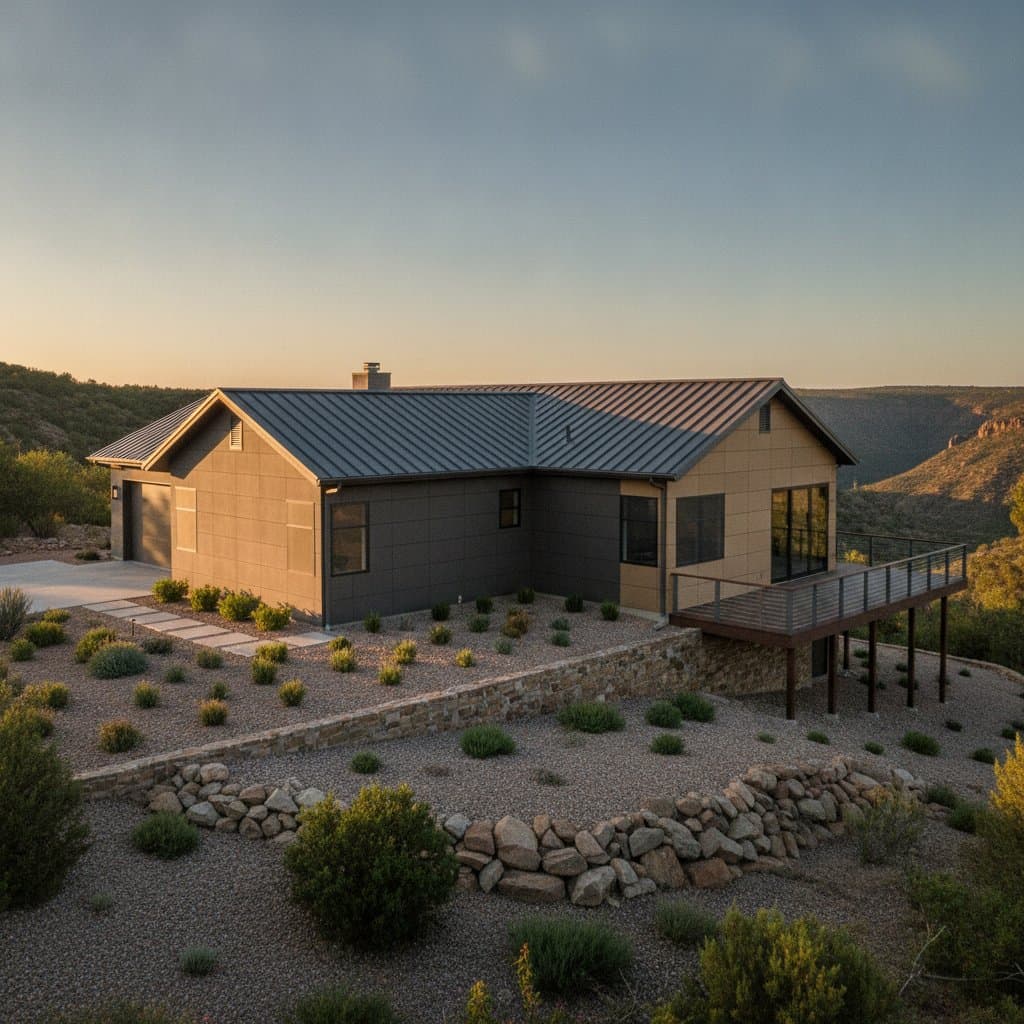
The Return on Investment for Wildfire Resistant Home Upgrades
Wildfire resistant upgrades protect your property and provide financial benefits over time. These improvements lower insurance premiums and increase resale value in high risk areas. The return depends on location and upgrade scope, yet benefits typically exceed initial expenses.
Expect costs between 5000 and 30000 dollars for a full project. Homeowners often recover 50 percent or more through savings and value gains.
Common Upgrades and Their Returns
| Upgrade | Typical Cost Range | ROI Estimate | Pros | Cons |
|---|---|---|---|---|
| Class A metal or tile roof | 12000 to 25000 dollars | 60 to 80 percent | Long lifespan, top fire rating, insurance discounts | Higher upfront cost, heavier weight |
| Fiber cement or stucco siding | 8000 to 18000 dollars | 50 to 70 percent | Non combustible, low maintenance | Labor intensive to install |
| Tempered glass windows | 700 to 1200 dollars per unit | 40 to 60 percent | Resists breakage from heat and debris | Expensive for large panes |
| Vented attic covers and ember screens | 500 to 2000 dollars | 80 to 100 percent | Inexpensive, big impact on ignition risk | Must remain clear of debris |
| Defensible space landscaping | 1500 to 5000 dollars | 100 percent or more | Protects structure and property, low maintenance if planned well | Ongoing trimming and clearing needed |
Sequence of Installation
A full exterior retrofit usually takes two to six weeks, depending on scope. Begin with an inspection to identify combustible areas such as vents, siding gaps, and decks. Replace or seal materials starting from the roof and working downward. Install ember resistant vents and screens next. Upgrade windows and doors after that step. Finish by reworking landscaping to create defensible space. Schedule work during dry, moderate weather for safer installation.
Required Materials and Tools
Materials include fiber cement panels or stucco mix, metal roofing sheets with Class A rating, ember resistant vent covers, tempered glass or dual pane windows, and non combustible deck boards or pavers. Tools consist of a circular saw with masonry blade, caulk gun and fire rated sealant, drill or driver set, personal protective equipment including gloves, goggles, and mask, plus a ladder and stable work platform.
Ongoing Care and Durability
Inspect vents, gutters, and roof edges twice each year. Remove pine needles, leaves, and debris regularly. Repaint or reseal siding every decade to maintain fire rating. Well installed materials can last 30 to 50 years with routine upkeep.
Adjustments by Region
Homes in dry, windy regions should focus on non combustible roofing and tight venting. Coastal or humid areas need corrosion resistant metals and moisture tolerant coatings. Always check local building codes for approved materials.
Steps to Begin
Start with an inspection to identify weak points. Prioritize roof and vent upgrades first, then move to siding and landscaping. Keep receipts and documentation for insurance discounts. Even modest improvements can lower vulnerability and boost long term value.