How Much Do Hurricane Windows Cost? Complete Pricing and Insurance Savings Guide
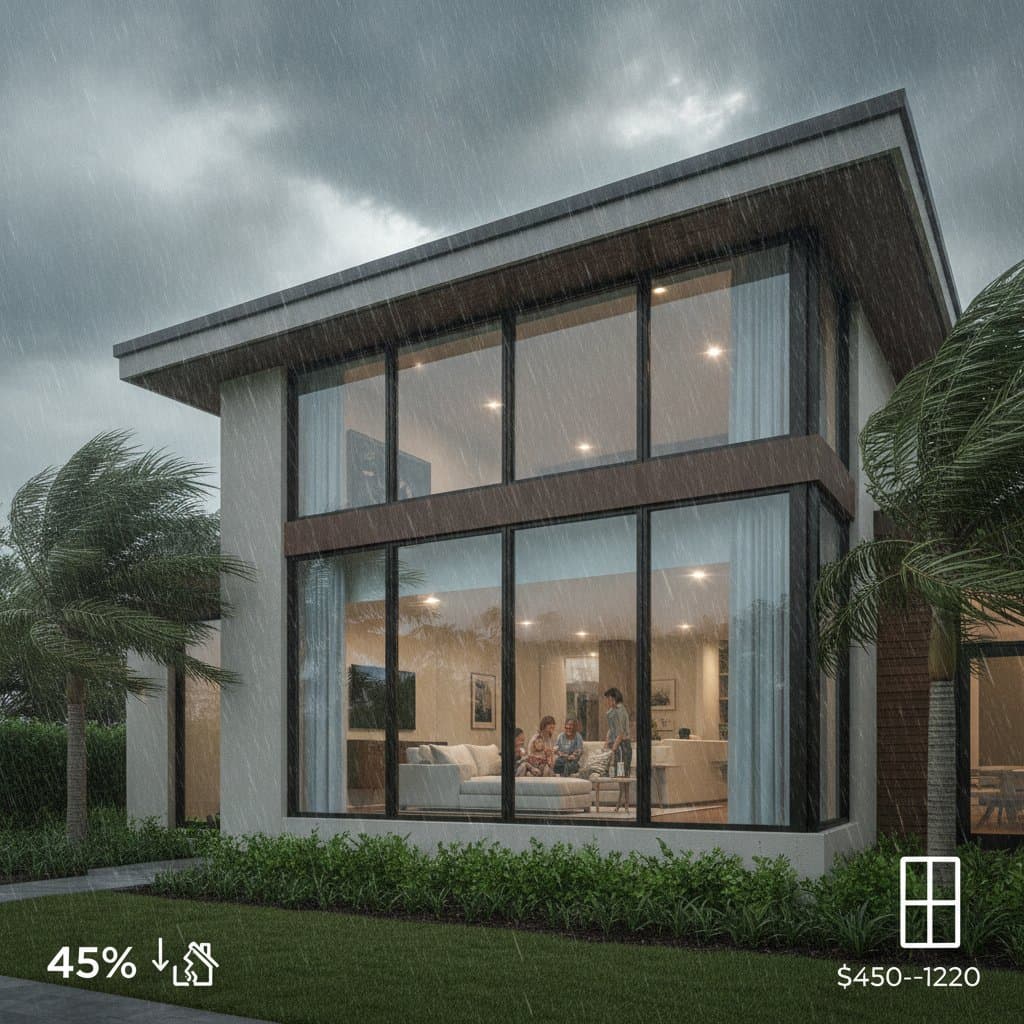
Hurricane windows protect homes from severe weather while improving energy efficiency and security. Professional installation of hurricane impact windows costs between $450 and $1,200 per window. Most homeowners pay around $750 per window for a standard project that includes materials and labor.
Three main factors influence the total cost. These include window size, glass strength, and installation complexity. Larger openings or custom shapes can raise costs by 20 percent or more. Coastal regions often see higher prices due to stricter building codes and labor demands.
Homes equipped with certified impact-resistant windows can reduce storm damage risk by up to 45 percent. Investing in hurricane windows protects property and delivers measurable savings through lower insurance premiums and improved energy efficiency. For homeowners in storm-prone areas, this upgrade often pays for itself within several years through added safety, comfort, and reduced repair expenses.
Detailed Cost Breakdown
The national average price for hurricane windows sits at about $18,000 to $25,000 for a full-home installation of 25 to 30 windows. Entry-level projects may start around $9,000, while high-end custom builds can exceed $40,000.
Size and Scope Factors
Window size directly affects total cost. Small single-hung units typically range from $450 to $650 each, while large picture windows can reach $1,200 or more. Each additional 100 square feet of glass area adds roughly $1,000 to $1,500 in material and labor expenses.
A 2,000-square-foot home with standard openings might require 20 windows and create a total project cost near $15,000. A larger 3,000-square-foot property with multiple custom shapes could cost closer to $28,000. These numbers serve as reliable benchmarks for most homeowners.
Material and Quality Tiers
Entry-level options include aluminum-framed impact windows with laminated glass. They typically cost $450 to $700 per unit and offer solid protection for moderate wind zones. The expected lifespan is about 20 years with basic maintenance.
Mid-range products often feature vinyl or composite frames with advanced coatings that improve insulation. Brands like PGT and CGI offer models priced $700 to $950 per window. These provide better energy ratings and noise reduction.
Premium-grade windows use reinforced frames, low-emissivity glass, and multi-layer protection certified for high-velocity hurricane zones. These models, offered by Andersen and Marvin, average $1,000 to $1,400 per window. Though costlier upfront, they can lower energy bills by 15 percent and often include transferable warranties lasting up to 25 years.
Complexity and Installation Variables
Installation costs vary depending on structural accessibility, existing window condition, and compliance with local building codes. Ground-level installations average $75 to $150 per window, while upper-story or hard-to-reach units can double that price.
If removal of old frames or stucco repair is required, expect an additional $200 to $500 per opening. Homes in coastal zones often need reinforced anchoring systems, adding another 5 to 10 percent to total labor costs.
Regional differences matter as well. Coastal cities like Miami or Tampa tend to have higher labor rates and stricter inspection requirements than inland areas. Regional pricing can differ by as much as 25 percent due to code variations and labor availability.
Service Types and Comprehensive Pricing
Basic or Standard Installation Package
A standard hurricane window installation typically includes measurement and design consultation, removal of existing windows, installation of new impact-rated units, sealing, caulking, and finishing, plus basic cleanup and disposal.
This service usually takes one to two days for a small home and costs between $450 and $900 per window, depending on frame type and accessibility. Homeowners who choose this package often prioritize essential protection and insurance compliance over aesthetic customization.
Premium or Comprehensive Installation Package
Premium installations include advanced features such as custom frame colors, upgraded low-E coatings, and integrated shutters or screens. Contractors may also reinforce frames with secondary sealants and provide extended warranties.
This package generally costs 20 to 35 percent more than standard service, averaging $950 to $1,250 per window. Although the upfront expense is higher, premium installations can improve home resale value by up to 7 percent and reduce energy consumption.
Add-On and Bundled Services
Homeowners often save money by bundling related improvements.
- Impact-rated patio doors: $2,500 - $4,500 with 10 percent discount when bundled
- Storm shutters: $1,200 - $3,000 with 8 percent discount when bundled
- Window tinting or UV coating: $25 - $50 per window with 5 percent discount when bundled
- Reinforced door frames: $500 - $1,000 with 6 percent discount when bundled
Scheduling multiple upgrades together reduces mobilization costs and ensures consistent energy sealing across the building envelope.
Professional vs. DIY Analysis
DIY Cost Breakdown
DIY hurricane window replacement is possible for skilled homeowners but carries notable risks. Materials alone typically cost $400 to $700 per window. Add another $50 to $100 for tools such as sealant guns, drills, and precision levels. Renting scaffolding or safety equipment may cost an additional $200 to $400.
Including time and risk, a complete DIY project may total $500 to $800 per window, only slightly less than hiring a professional. The challenge lies in achieving proper sealing and code compliance, which can void warranties if mistakes occur.
Professional Advantages
Hiring a certified installer ensures code compliance, accurate fitting, and full warranty coverage. Professionals complete most installations within one to three days, compared to several weekends for DIY attempts.
Insurance companies often require proof of licensed installation to qualify for premium discounts. Professionals also carry liability insurance, protecting homeowners from potential damage costs. The expertise premium of roughly $150 to $250 per window is justified by long-term durability and verified storm protection.
Decision Framework
Choose professional installation if your home has more than ten windows, complex architecture, or resides in a high-wind zone. DIY may be reasonable for small, single-story projects if you have construction experience. The cost of improper sealing, water infiltration, or code violations can exceed the initial savings from self-installation.
Actionable Cost-Saving Strategies
Timing Optimization
Hurricane window contractors experience off-peak pricing during winter and early spring. Booking during these months can reduce labor costs by 10 to 15 percent. Weekday installations often come with small discounts since weekend scheduling fills quickly.
Smart Shopping Tactics
Always request at least three quotes from licensed contractors. Comparing prices can save up to 18 percent. Ask about manufacturer rebates or payment incentives such as early pay discounts and zero-interest financing. Purchasing directly from authorized distributors instead of retailers can trim material costs by another 5 to 8 percent.
Preparation Actions
Homeowners can lower labor time by removing window treatments, moving furniture, and clearing exterior access areas. Completing these steps before installation can save $200 to $400 on a typical project. Communicate clearly with your contractor about timelines and material preferences to avoid costly change orders.
Market Dynamics and Considerations
Geographic Variations
Prices fluctuate by location. Urban regions along the Gulf and Atlantic coasts often carry a 15 to 25 percent premium due to higher demand and stricter codes. Rural areas may have lower prices but fewer certified installers, which can extend project timelines.
Market Timing Factors
Material supply costs occasionally rise due to storm-related demand spikes or glass manufacturing delays. Inflation in construction materials has influenced pricing trends, though competition among regional suppliers helps stabilize costs over time.
Value Indicators
Installing hurricane impact windows yields an average return on investment of 70 to 80 percent when reselling a home. Energy savings from improved insulation can lower annual utility bills by 10 to 20 percent. Reduced maintenance and storm damage prevention add further financial protection.
Selecting Hurricane Windows for Long-Term Protection
Hurricane impact windows deliver measurable protection, long-term savings, and peace of mind. They strengthen structural integrity, reduce noise, and often qualify homeowners for valuable insurance discounts.
To maximize benefits, choose certified products rated for your wind zone, compare multiple installation quotes, and time your project before peak storm season. Investing strategically in durable hurricane windows protects your home and enhances its comfort and resale value for decades to come.