Building a Flood-Safe Yard with Resilient Landscaping
A flood-safe yard protects a home from water damage and supports long-term environmental health. Professional installation of resilient landscaping for flood prevention usually costs between $3,000 and $10,000. Most homeowners spend about $6,500 on a typical project that covers grading, drainage improvements, and native plantings. Yard size, drainage complexity, and plant choices drive final expenses. Properties in low-lying areas often require extra soil stabilization.
Proper design reduces stormwater runoff by up to 70 percent according to Environmental Protection Agency data. The same measures improve groundwater recharge and soil quality. These upgrades deliver lasting property value along with environmental benefits.
Cost Factors for Flood-Resilient Landscaping
Project expenses depend on design layers and site work. A basic yard regrade with native plant buffers runs $2 to $5 per square foot. Full flood-mitigation plans that add rain gardens, permeable paving, and bioswales reach $10 to $20 per square foot. Professional minimums start near $2,000 because drainage design requires specialized equipment.
Yard Size and Project Scope
Larger lots need more planning and materials. A 2,000-square-foot yard averages $8,000. A 5,000-square-foot lot often exceeds $15,000. Each added 500 square feet brings $500 to $1,000 more depending on slope and soil. Water flow patterns change with terrain, so certified landscape architects use hydrological modeling to map movement across the site.
Material and Quality Levels
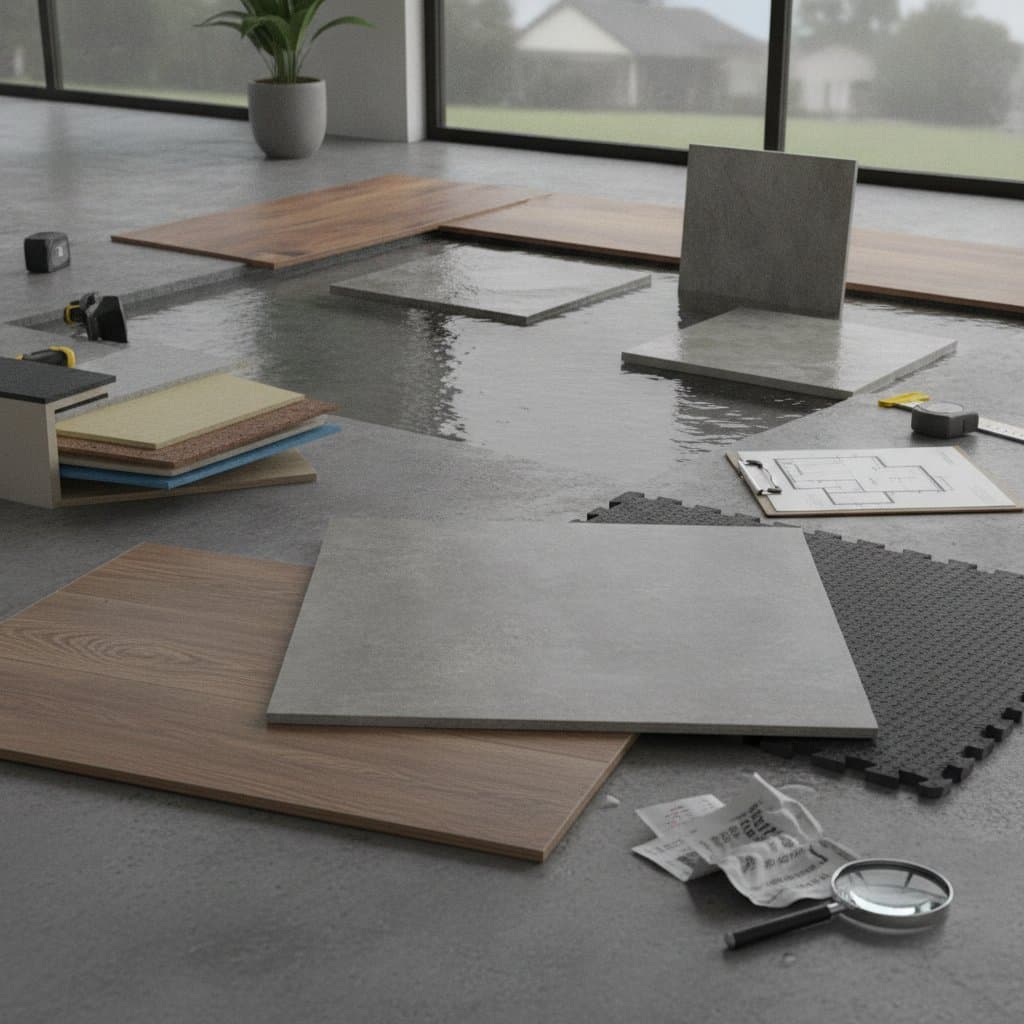
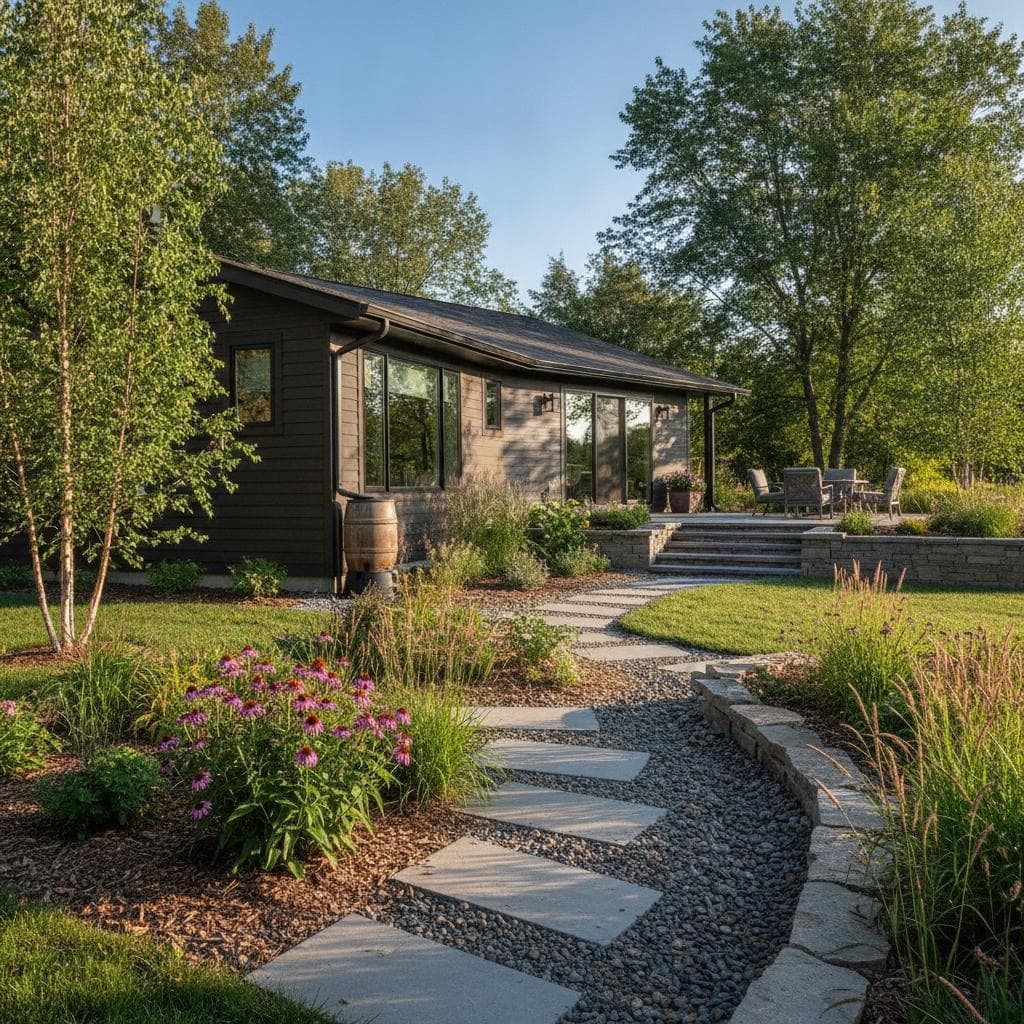
Entry-level options such as gravel trenches and small rain gardens with native grasses provide solid flood resistance at lower cost. Mid-range choices add permeable pavers, mulch basins, and shrubs like red twig dogwood or switchgrass for 15 to 30 percent more. Premium systems that include engineered bioswales, French drains, or branded eco-pavers cost up to twice as much yet offer extended warranties and higher performance.
Site Conditions and Complexity
Steep slopes, clay soils, or poor existing drainage increase excavation needs. Equipment access can raise total cost by 10 to 25 percent. Local stormwater rules may require permits or engineered plans that add $500 to $1,500. High-rainfall regions sometimes face material premiums from demand and transport.
Service Packages Available
A basic flood prevention package covers grading, topsoil work, and native plant installation. Work finishes in one or two days and costs $3,000 to $5,000. This level suits smaller yards with moderate pooling.
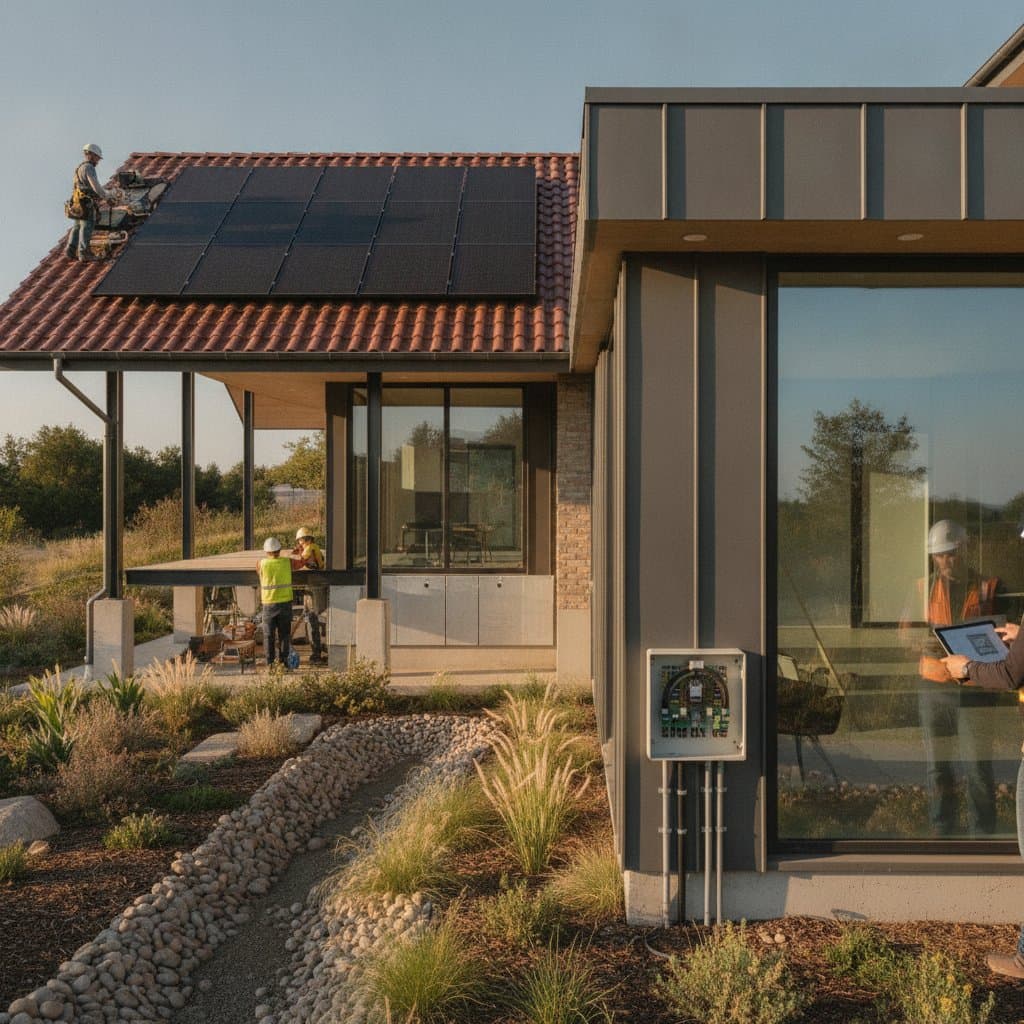
A comprehensive package adds rain gardens, subsurface drains, and permeable patios. Prices range from $8,000 to $12,000. Custom design and irrigation integration carry a 20 percent premium. Add-ons such as rain barrels ($150 to $400) or permeable walkways ($15 to $25 per square foot) can be combined for up to 10 percent savings.
Professional Installation versus DIY
DIY work appeals to skilled homeowners yet carries hidden risks. Materials for a small area may total $1,200 to $2,000. Tools add another $300 to $600. Time investment is substantial and errors in grading or compaction can worsen drainage problems.
Maintenance Practices for Long-Term Performance
Regular inspection of drains and plant health keeps systems effective. Seasonal removal of debris from rain gardens and bioswales prevents clogs. Soil amendments every few years maintain absorption capacity. These steps preserve the 70 percent runoff reduction and protect the initial investment.