Wildfire Protection Starts With These Home Upgrades
Wildfire risk has become an unavoidable consideration for many homeowners living near grasslands, forests, or dry slopes. While no property can be made entirely fireproof, systematic upgrades can reduce exposure and slow the spread of flames. Strategic planning, careful analysis of materials, and consistent maintenance together create a measurable layer of protection that safeguards property and preserves long-term financial stability.
Understanding Wildfire Defense as a System
Effective wildfire protection requires a layered defense. The concept of defensible space divides the property into zones, each with specific responsibilities. The area closest to the house focuses on noncombustible materials and sealed structures, while outer areas reduce fuel loads and improve access for firefighters.
Every upgrade should fit within this larger system. From a financial perspective, approaching upgrades as a structured investment helps homeowners manage costs and measure returns through reduced insurance premiums or avoided repair costs.
Evaluating Roof and Siding Materials
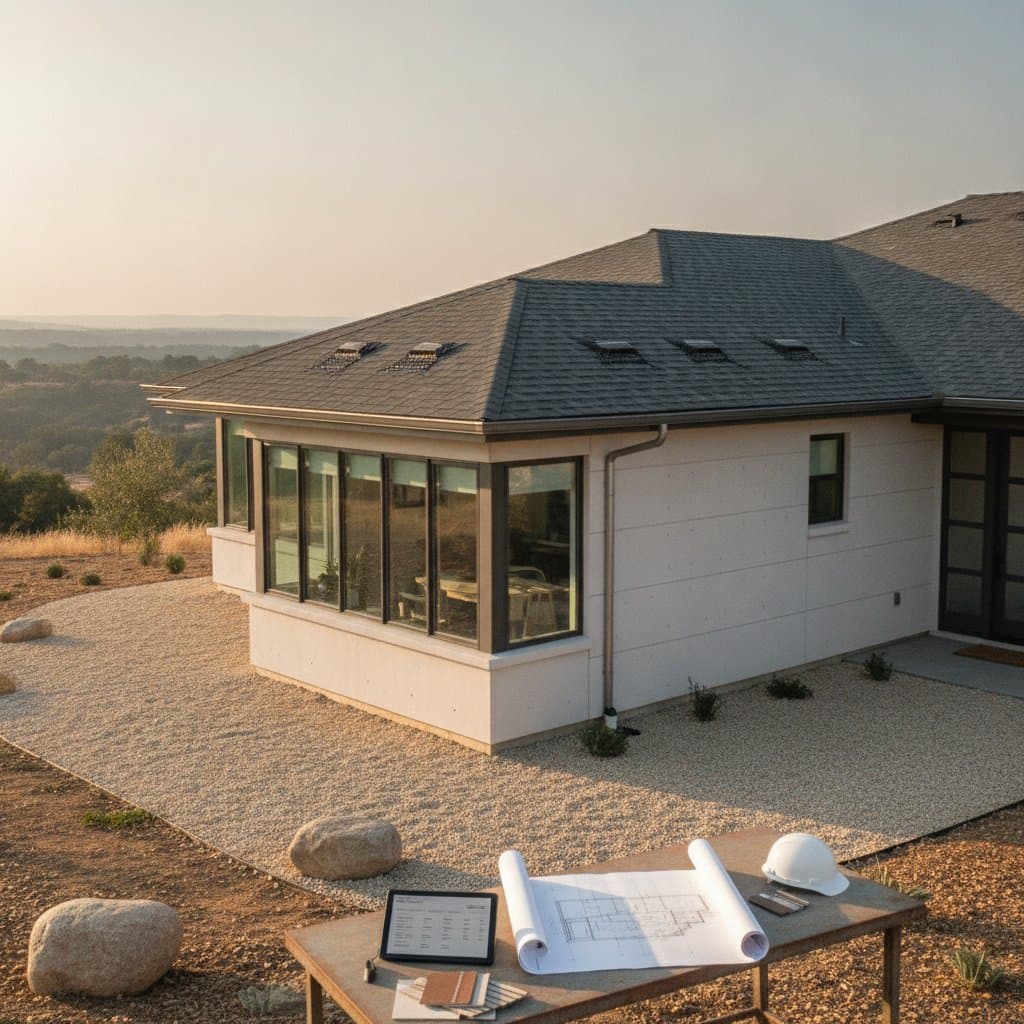
The roof is often the first point of vulnerability. Embers can travel long distances and settle on combustible surfaces, igniting homes even when main flames remain far away. Class A fire-rated roofing materials such as metal panels, clay tiles, or asphalt fiberglass shingles offer strong resistance. Homeowners should verify that underlayment and flashing are also noncombustible.
Siding materials carry equal importance. Fiber cement, stucco, and brick provide better protection than wood or vinyl. Retrofitting siding can be expensive, yet a cost-benefit review shows its financial logic because it dramatically reduces the likelihood of ignition.
Window and Vent Reinforcement
Windows commonly fail under heat exposure, allowing embers to enter living spaces. Upgrading to tempered glass and installing metal mesh screens on vents can prevent this breach. For multi-story homes, double-pane windows provide additional insulation and delay glass breakage.
Vent openings deserve particular attention. Embers often enter attics and crawl spaces through vents that lack fine screening. Stainless steel mesh with openings smaller than one-eighth inch provides effective protection at low cost compared to structural rebuilding.
Decks, Eaves, and Exterior Details
Exposed decks and eaves frequently accelerate fire spread. Many decks are built from untreated wood, which can ignite quickly when embers accumulate beneath or between boards. Homeowners can retrofit existing decks with fire-retardant coatings or replace boards with composite materials that meet fire resistance standards.
Eaves and soffits should be boxed in with metal or fiber cement panels. These small adjustments improve the house overall fire rating and strengthen insurance eligibility because they target high-risk structural gaps.
Defensible Space and Landscaping Strategy
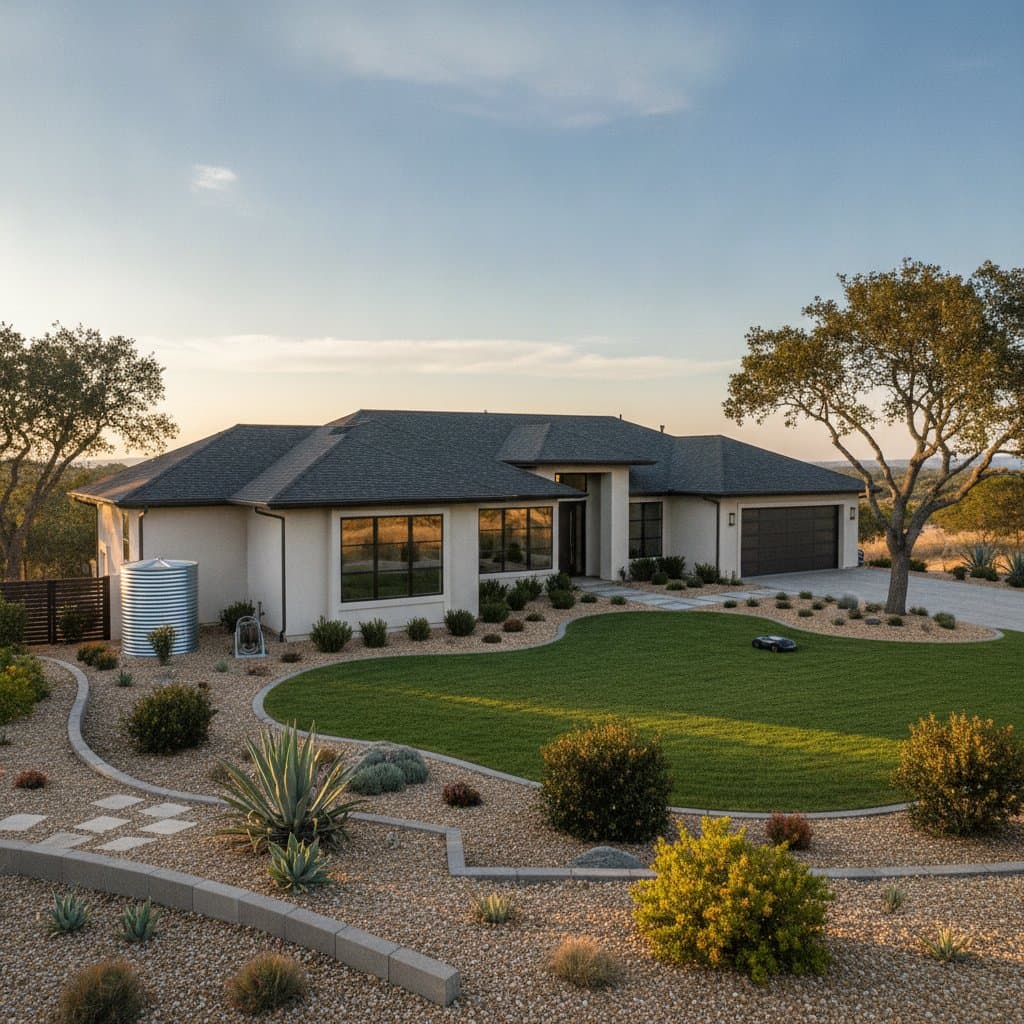
Vegetation management is essential in controlling how fire approaches a property. Creating defensible space means reducing fuel within set distances from the home. The first zone, roughly the immediate perimeter, must remain clear of flammable mulch, shrubs, or wooden structures. Gravel, stone, or concrete paths act as firebreaks that slow flame spread.
The next zone can include low-growing, well-irrigated plants spaced to prevent continuous fuel lines. Trees should be pruned so that branches do not hang over roofs or touch chimneys. Periodic trimming and leaf removal cost relatively little compared to potential property loss.
Water Access and Fire-Resistant Systems
Reliable water sources matter during wildfire threats. Installing metal or concrete water tanks, fitting outdoor spigots with fire hoses, and maintaining clear access for emergency vehicles all strengthen a home defense. Sprinkler systems designed for perimeter protection can dampen vegetation and structures when activated early.
For rural properties, backup generators ensure that water pumps and sprinklers continue functioning during power outages, a common occurrence during wildfire events. This redundancy adds another layer of resilience.
Reading the Fine Print of Insurance and Service Contracts
Insurance policies often contain critical exclusions related to wildfire damage. Some plans require proof of mitigation measures before extending coverage or paying full claims. Homeowners should review policy language regarding defensible space maintenance, material compliance, and inspection obligations.
When hiring contractors for fire-resistant work, verify licensing, insurance coverage, and written warranties. Contracts must specify material grades, installation standards, and inspection procedures to prevent disputes.
Implementing Layered Upgrades for Long-Term Resilience
Building wildfire resilience requires methodical planning rather than reaction. Homeowners who approach upgrades through a structured framework can spread expenses over time and avoid rushed decisions under threat. Begin with the most vulnerable areas such as roofs and vents, then move outward to decks, siding, and landscaping. Keep documentation of every improvement, including photos and receipts, since proof of mitigation often matters in insurance renewals.