Impact Windows for 2026 Storm Protection and Safety
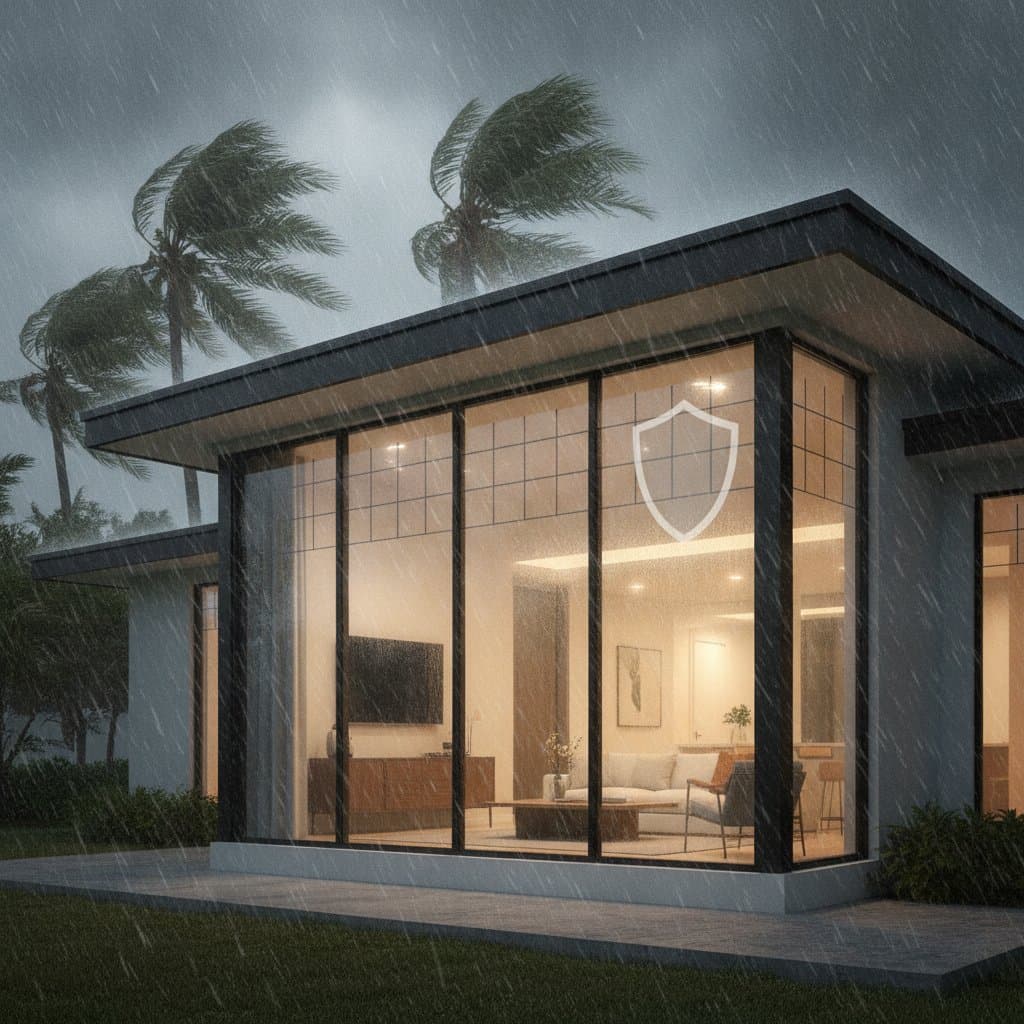
Impact windows resist flying debris, high wind pressure, and heavy rain during major storms. Homeowners in coastal and storm prone regions rely on these windows as safety systems that protect lives and property. This guide explains how impact windows work, what they cost, how to choose the right specifications, and what to expect from installation through maintenance.
Pros, Cons, and Best Fit Scenarios
Pros:
- Meet or exceed coastal building codes.
- Improve security against break ins.
- Reduce outside noise by 30 to 40 percent.
- Provide UV protection that slows furniture fading.
- Lower insurance premiums in many regions.
Cons:
- Require higher upfront cost than standard windows.
- Need strong framing and skilled installation because of heavier glass.
- Offer limited design flexibility for unusual shapes or historic homes.
Best fit:
Impact windows suit homes within 25 miles of a coast or anywhere that experiences wind speeds above 120 mph. They also benefit inland homes that require noise control or extra security.
Step by Step Installation Workflow
Always wear gloves, eye protection, and sturdy footwear. Have a helper or installer certified in glazing safety.
- Measure and order accurately. Confirm rough openings within 1/8 inch tolerance. Order impact rated frames that match the wall construction.
- Remove old units. Cut caulk lines, pry out trim, and clear debris. Avoid damaging surrounding stucco or siding.
- Inspect the substrate. Repair rot or cracked masonry. Check that sills slope outward at least 1/8 inch per foot for drainage.
- Dry fit the new frame. Confirm squareness with a 4 foot level. Shim at anchor points only.
- Seal and fasten. Apply a continuous bead of polyurethane sealant. Fasten per manufacturer specifications using corrosion resistant screws at 16 inch spacing.
- Install glass and finish trim. Set glazing tape, insert the sash, and apply interior trim. Test for operation and lock alignment.
- Inspect and document. Photograph anchor points and label stickers for warranty and permit closeout.
A professional crew can replace all windows in an average home in three to six days. DIY installation of one window can take four to six hours with two people.
Mistakes to Avoid
- Skipping a permit creates a fineable offense and invalidates insurance claims.
- Overtightening screws can warp frames and cause leaks.
- Using generic caulk fails code requirements. Only use polyurethane or approved sealants rated for structural glazing.
- Ignoring sill slope allows water intrusion that leads to hidden rot and mold.
- Failing to label photos removes proof needed for warranty or inspection sign off.
Pro Versus DIY Decision Rules
Use this quick filter before deciding who should install.
DIY if:
- Moderate carpentry skills and common tools such as a drill, level, and sealant gun are available.
- The opening is ground level and structurally sound.
- Local code allows homeowner installation.
Hire a pro if:
- The home is multi story or built of masonry.
- Permits or structural anchoring inspections are required.
- Glazing experience or helper support is lacking.
Mistakes with impact window installation can cost more than double in rework. Poor sealing or anchor placement can cause leaks, failed inspections, and compromised safety.
Readiness Checklist
- Verify local wind load requirements and impact ratings.
- Confirm frame material compatibility with existing construction.
- Schedule permit submission before ordering windows.
- Select a certified installer with documented experience.
- Prepare the site by clearing access and protecting interior finishes.
- Review warranty terms for glass, frames, and labor.
- Arrange final inspection and documentation handoff.
Quick Comparison Table for Bid Review
| Line item | Spec or scope | Contractor A | Contractor B | Contractor C | Variance notes |
|---|---|---|---|---|---|
| Window rating | ASTM E1996 Large Missile | Yes | Yes | Yes | All compliant |
| Frame type | Vinyl vs Aluminum | Vinyl | Aluminum | Aluminum | A cheaper but less rigid |
| Labor warranty | Years covered | 2 | 5 | 3 | B longest warranty |
| Sealant type | Polyurethane | Yes | Yes | No | C uses silicone, not accepted by code |
| Cleanup and disposal | Included | Yes | Yes | No | C adds disposal fee |
Next Steps for Homeowners
Compare at least three bids using the table above. Confirm that each contractor provides proof of insurance and references from recent coastal projects. Schedule installation during dry weather to protect the interior. After completion, keep all labeled photos and warranty documents in a single file for future claims or resale.