Outdoor Kitchen Costs: What You Will Really Pay
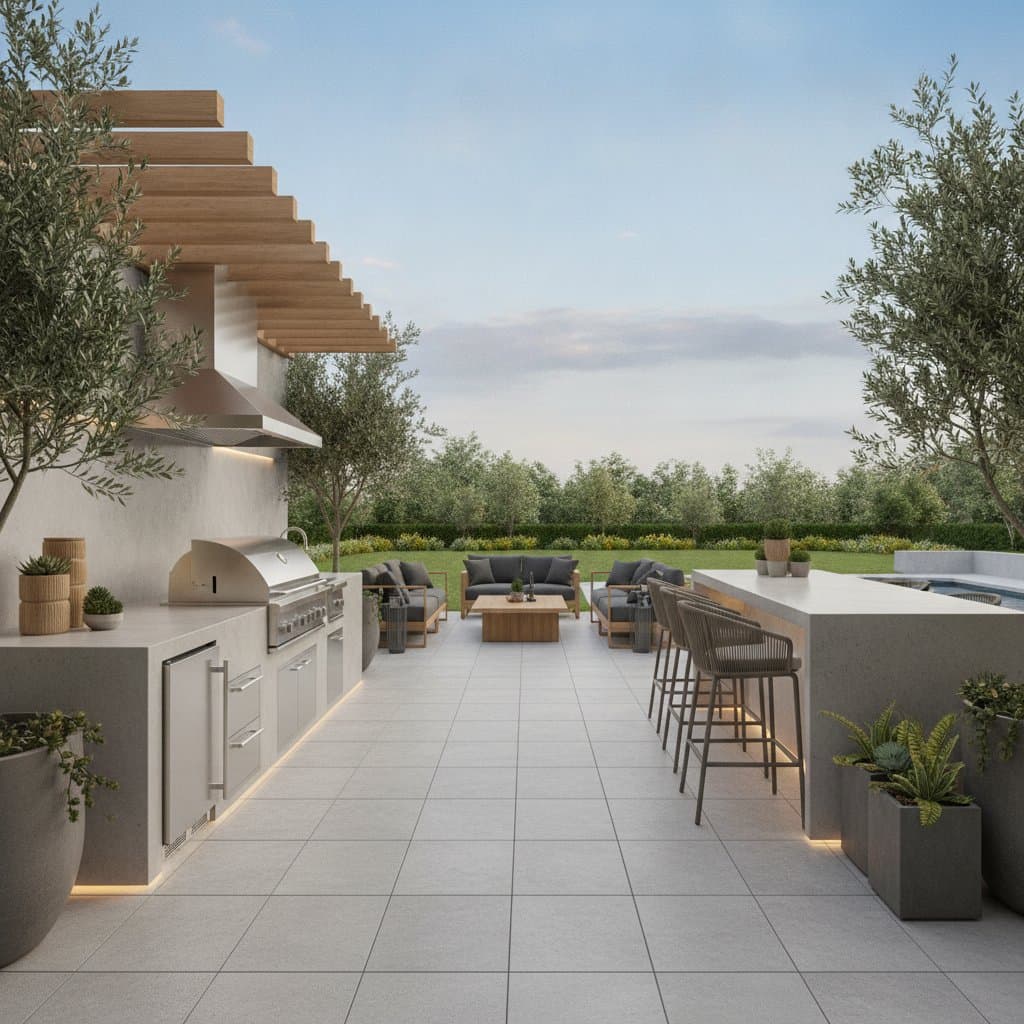
Building an outdoor kitchen adds function, value, and enjoyment to your backyard. A clear understanding of expenses supports smart planning and prevents unexpected costs.
Most homeowners spend between 8000 dollars and 25000 dollars for a complete outdoor kitchen. A basic setup with a built-in grill and counter begins near 5000 dollars. Luxury designs that include stone finishes, multiple appliances, and full utilities can exceed 50000 dollars.
Key Decisions Before You Start
- Scope and layout: Choose between a simple grill station and a full prep area that includes bar seating.
- Utilities: Arrange gas, water, and electrical connections at the planning stage.
- Materials: Select prefabricated frames, modular kits, or custom masonry construction.
- Location: Position the kitchen near the house for convenience while allowing distance to limit smoke and noise.
- Climate: Provide shelter, drainage, and freeze protection for plumbing lines.
- Budget priorities: Allocate funds first to durable materials and quality appliances.
Custom Built Kitchens
Pros:
- Fully tailored layout and finishes.
- Integration of sinks, refrigerators, lighting, and seating.
- Strong contribution to resale appeal.
Cons:
- Higher cost and longer construction time.
- Coordination among multiple trades required.
- Permits and inspections frequently necessary.
Best for: Permanent, high-use cooking and entertaining areas.
Cost Breakdown and What Drives It
| Item | Typical Range | Notes |
|---|---|---|
| Grill or cooking unit | 1000 to 5000 dollars | Gas or charcoal models, built-in or freestanding |
| Countertops | 700 to 5000 dollars | Concrete, granite, tile, or composite |
| Cabinets or storage | 500 to 3000 dollars | Stainless steel, polymer, or masonry |
| Utilities (gas, water, electric) | 1500 to 6000 dollars | Trenching, permits, and licensed labor |
| Flooring or patio base | 1000 to 4000 dollars | Pavers, stamped concrete, or stone |
| Roof, pergola, or shade | 2000 to 10000 dollars | Optional yet useful in sunny or rainy climates |
| Appliances (sink, fridge, smoker, etc.) | 1000 to 8000 dollars | Adds convenience and resale value |
Total cost varies with site preparation, material quality, and local labor rates. Urban markets and remote properties often incur higher utility expenses, while simple gas-only setups remain at the lower end of the range.
DIY vs Professional Installation
DIY friendly:
- Prefabricated island kits with a single fuel source.
- Installation of a paver base or concrete slab when basic masonry skills exist.
- Assembly of modular cabinets or counters.
Hire a pro:
- Gas, electrical, or plumbing connections.
- Structural roofing or pergola framing.
- Custom stone or stucco finishing.
Skill level ranges from intermediate to advanced. Expect 20 to 60 labor hours for a mid-range setup. Stop work and contact a licensed professional for any utility tie-in or inspection requirement.
Maintenance, Care, and Lifespan
Outdoor kitchens last 10 to 20 years with proper upkeep. Follow these care steps:
- Clean grill grates and burners after every use.
- Wipe counters with mild soap and water while avoiding harsh acids.
- Cover appliances when not in use.
- Seal natural stone or concrete counters every one to two years.
- Winterize plumbing with drain-down valves or shutoff points.
- Check gas connections for leaks at the start of each season.
High-quality stainless steel and masonry withstand weather better than painted metal or untreated wood. Replacement of parts such as igniters, valves, or refrigerator gaskets every few seasons maintains strong performance.
Can an Outdoor Kitchen Sit on a Wood Deck
Yes, provided fire-resistant materials and proper ventilation are used. Noncombustible panels must be placed under and around the grill.
Resale Value Impact
Well-built kitchens often return 50 to 70 percent of their cost in resale value, especially in warm climates.
Winter Protection Steps
Disconnect and drain water lines, shut off gas, clean all surfaces, and store removable parts indoors.
Scheduling Your Build
Begin with utility planning and permit applications. Order major appliances early to align delivery with construction phases. This sequence keeps the project on schedule and within budget.