Granny Pods Versus ADUs: Weighing Costs and Long-Term Value
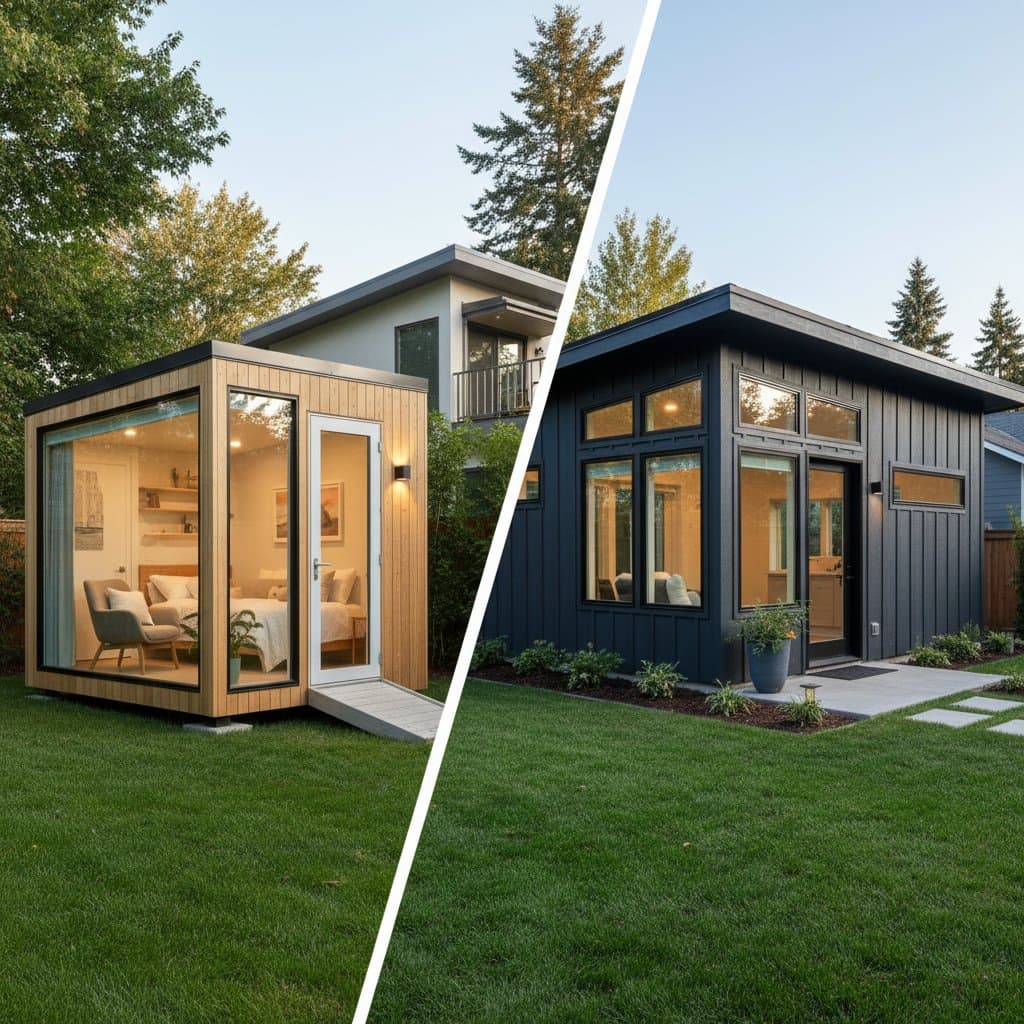
Families often seek independent living options for aging relatives that preserve privacy and proximity. Granny pods and backyard accessory dwelling units represent two distinct paths. Each option carries unique tradeoffs in upfront expense, construction speed, and future property impact.
Cost and Size Comparison
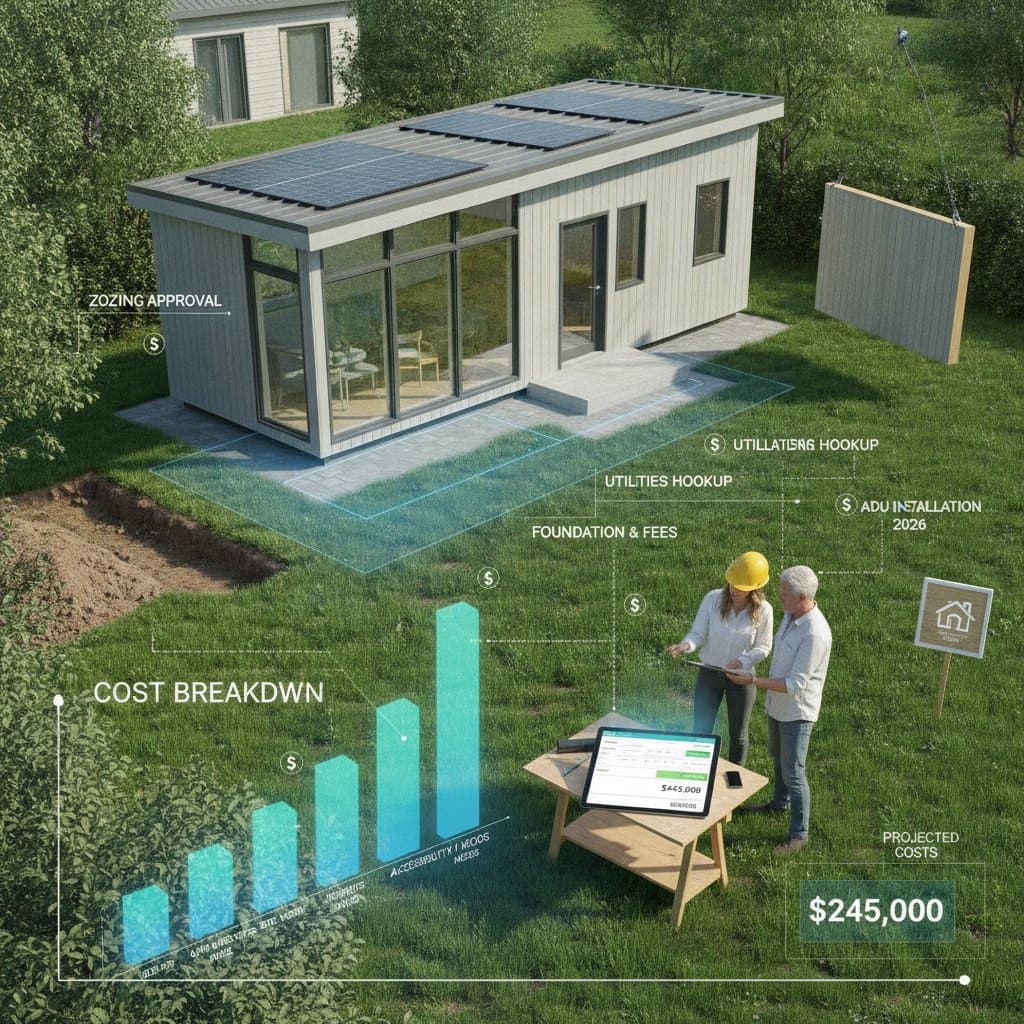
A complete granny pod typically ranges from 90,000 to 160,000 dollars for a finished unit between 250 and 400 square feet. A backyard ADU generally requires 140,000 to 250,000 dollars and spans 400 to 800 square feet. These figures cover turnkey delivery or construction, basic utilities, and code-compliant finishes.
Granny pods arrive as prefabricated modules that connect to existing electrical and plumbing lines. Backyard ADUs require full foundation work and permanent utility extensions. The smaller footprint of a granny pod reduces material needs and site disruption.
Construction Timeline and Process
Site evaluation and zoning verification form the first step in either project. Design selection and permit applications follow. Foundation preparation and utility connections come next.
Granny pod installation usually completes within six to ten weeks after permits. A backyard ADU requires three to five months of on-site construction. Early coordination with local inspectors prevents delays during final approval.
Key Decision Factors
Accessibility features such as zero-step entries and reinforced grab bars appear standard in most granny pod packages. Backyard ADUs allow full customization yet demand separate specification of aging-in-place elements. Permanent utility connections in an ADU support long-term rental use, while granny pods often remain classified as temporary structures.
Resale value differs sharply between the two. An ADU adds measurable square footage that appraisers recognize. A granny pod contributes limited equity and may require removal upon sale.
Site Preparation and Finishing Details
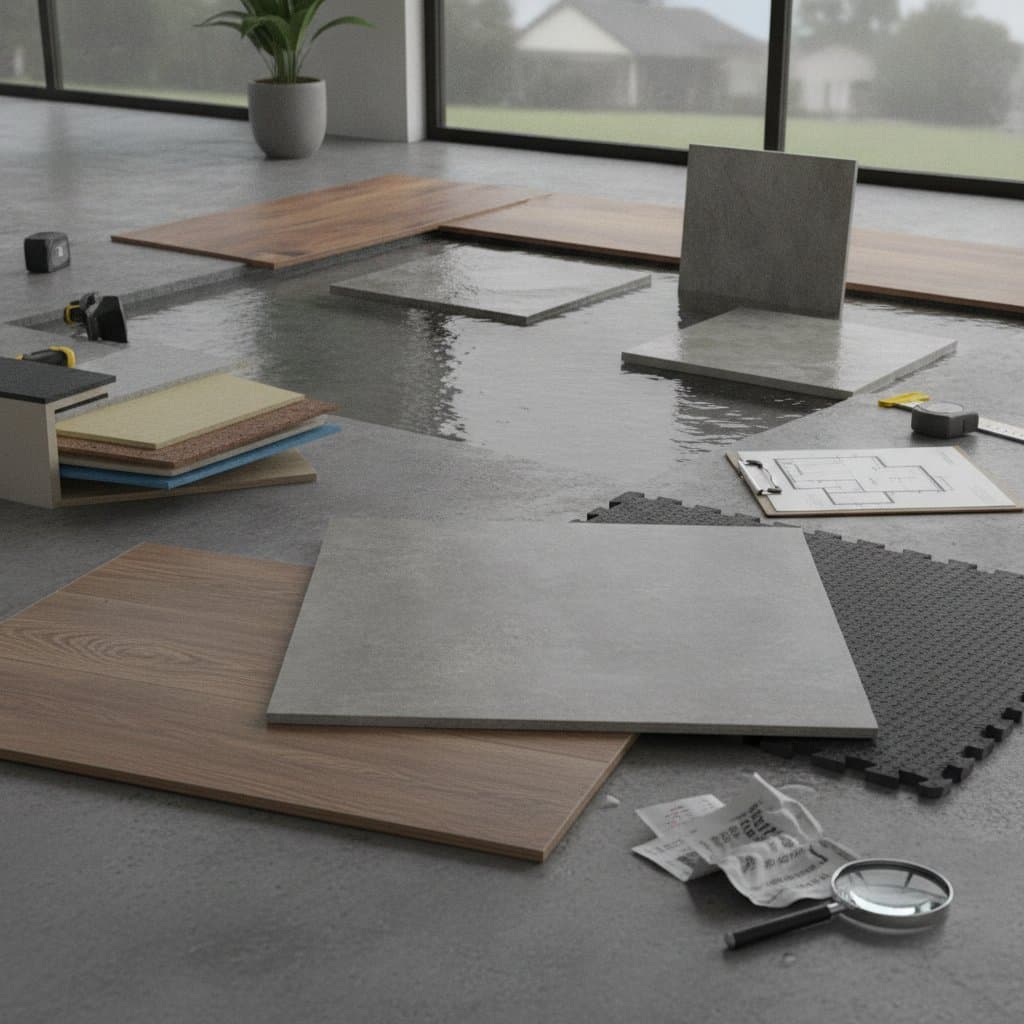
Measure the intended location with a tape measure and string line before ordering materials. Compact a gravel base and set concrete forms to create a level pad. Install slip-resistant flooring, lever-style door hardware, and motion-activated LED lighting during final finishing.
Select a high-efficiency mini-split HVAC system sized for the unit volume. Apply exterior weather sealing and positive drainage away from the foundation to protect against moisture intrusion.
Maintenance Requirements and Expected Lifespan
Inspect granny pod foundations and utility junctions annually for settling or leaks. Reapply exterior sealants every three to five years. Backyard ADUs follow standard home maintenance routines including roof inspections and siding repairs.
Both structures benefit from gutters, downspout extensions, and proper grading. With routine care a granny pod remains serviceable for 15 to 25 years. A code-built ADU can match the lifespan of the primary residence.
Climate and Regulatory Considerations
Cold regions require frost-depth footings and insulated water lines. Coastal or humid areas need enhanced ventilation and corrosion-resistant hardware. Local setback rules and occupancy limits vary by jurisdiction and should be confirmed before design begins.
Selecting the Appropriate Solution
Choose a granny pod when rapid installation and lower initial cost take priority. Select a backyard ADU when added living space, rental income, and increased property value matter most. Obtain two detailed contractor proposals and review five-year family housing needs before final commitment.