How Much Does a Drought Resistant Yard Cost
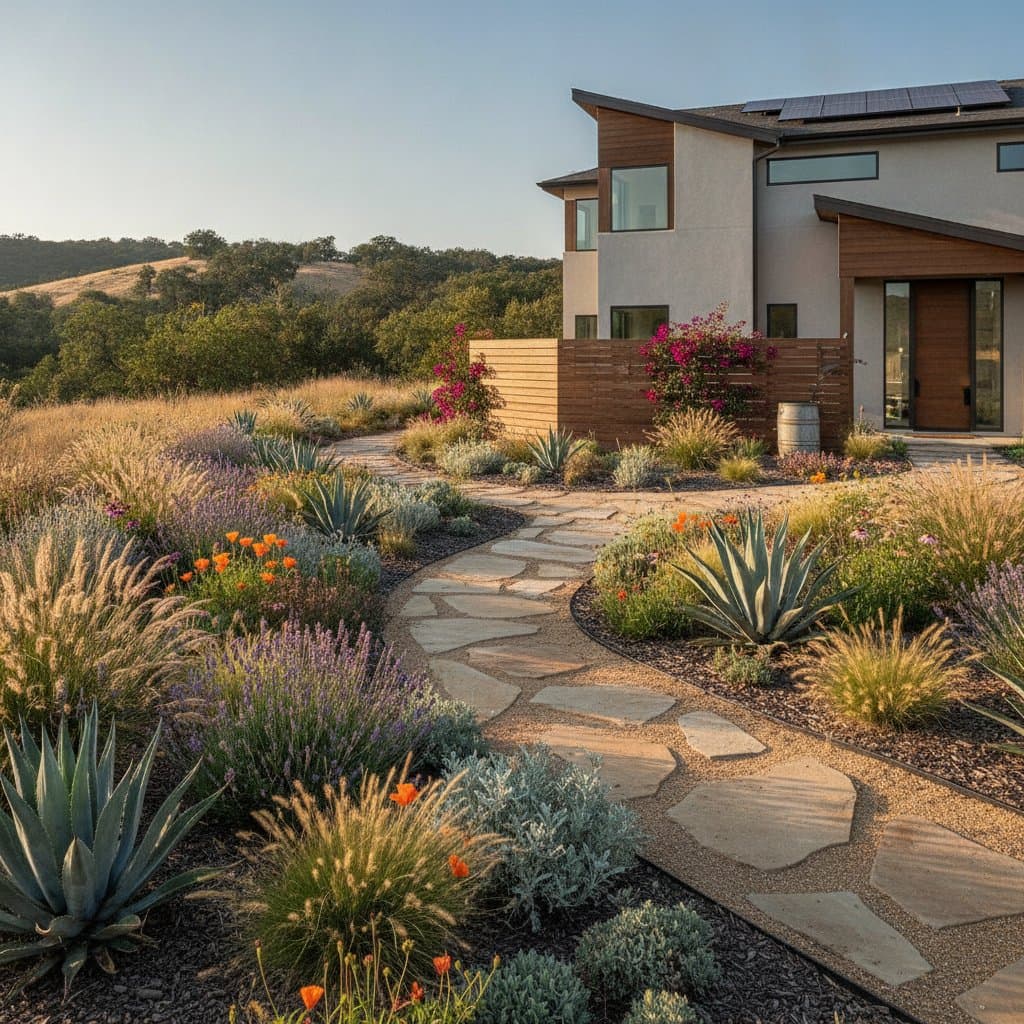
A drought resistant yard transforms outdoor spaces into sustainable landscapes. It conserves water and reduces maintenance needs. Professional installations typically range from 5000 to 18000 dollars. Most homeowners pay around 10500 dollars for a full conversion.
Three main factors shape total expenses. These include yard size, plant choices, and irrigation design. Soil conditions and local plant availability also play roles. Such conversions can reduce outdoor water use by up to 70 percent and deliver hundreds of dollars in annual savings.
Cost Breakdown by Square Foot
Contractors often charge between 5 and 20 dollars per square foot. The national average sits at 10.50 dollars. A 1000 square foot project therefore falls between 5000 and 20000 dollars. Labor accounts for 55 to 65 percent of this total.
Smaller yards carry higher per square foot rates because fixed costs spread across less area. Each extra 100 square feet adds 500 to 1200 dollars. Larger projects gain up to 15 percent efficiency through scale.
Material Quality Levels
Entry level options use mulch, gravel, and native plants such as sage or yarrow. These cost 2 to 4 dollars per square foot and last 10 to 15 years. Mid range designs add succulents and drip irrigation at 8 to 12 dollars per square foot. Premium work includes custom hardscaping and smart controllers at 15 to 25 dollars per square foot.
Complex sites with slopes or poor soil require extra grading. This adds 1000 to 3000 dollars. Limited access or local rules can raise labor by 10 to 20 percent. Prices run higher in arid regions due to demand.
Service Packages
Basic service covers site review, turf removal, soil prep, plant installation, and simple irrigation. It costs 5 to 10 dollars per square foot and finishes in three to five days. A 1000 square foot basic job averages 7500 dollars.
Premium packages add smart controllers, stone paths, and lighting. These run 15 to 25 dollars per square foot. They often return 80 to 100 percent of costs through higher property value and lower water bills.
Add on items include smart controllers at 300 to 800 dollars and rain barrels at 150 to 500 dollars. Bundling services yields 5 to 10 percent savings.
Professional Work Versus DIY
DIY materials for 1000 square feet total 1200 to 2700 dollars. This covers plants, mulch, irrigation kits, and tool rentals. The work requires 25 to 40 hours and carries risk of errors.
Professionals finish in two to four days with warranties and access to rebates of 2 to 4 dollars per square foot. Hire experts for projects over 500 square feet or those with grading needs. DIY suits beds under 200 square feet.
Ways to Lower Expenses
Schedule work in cooler months to cut labor by 10 to 15 percent. Obtain three written quotes and pay by check to avoid fees. Source mulch directly from suppliers. Complete turf removal yourself to save 500 to 1000 dollars.
Regional and Market Factors
Coastal and arid zones add a 15 to 25 percent urban premium. Material prices rise with fuel costs. Sustainable yards sell for 3 to 5 percent more and cut water use by up to 25000 gallons yearly.
Related Installations
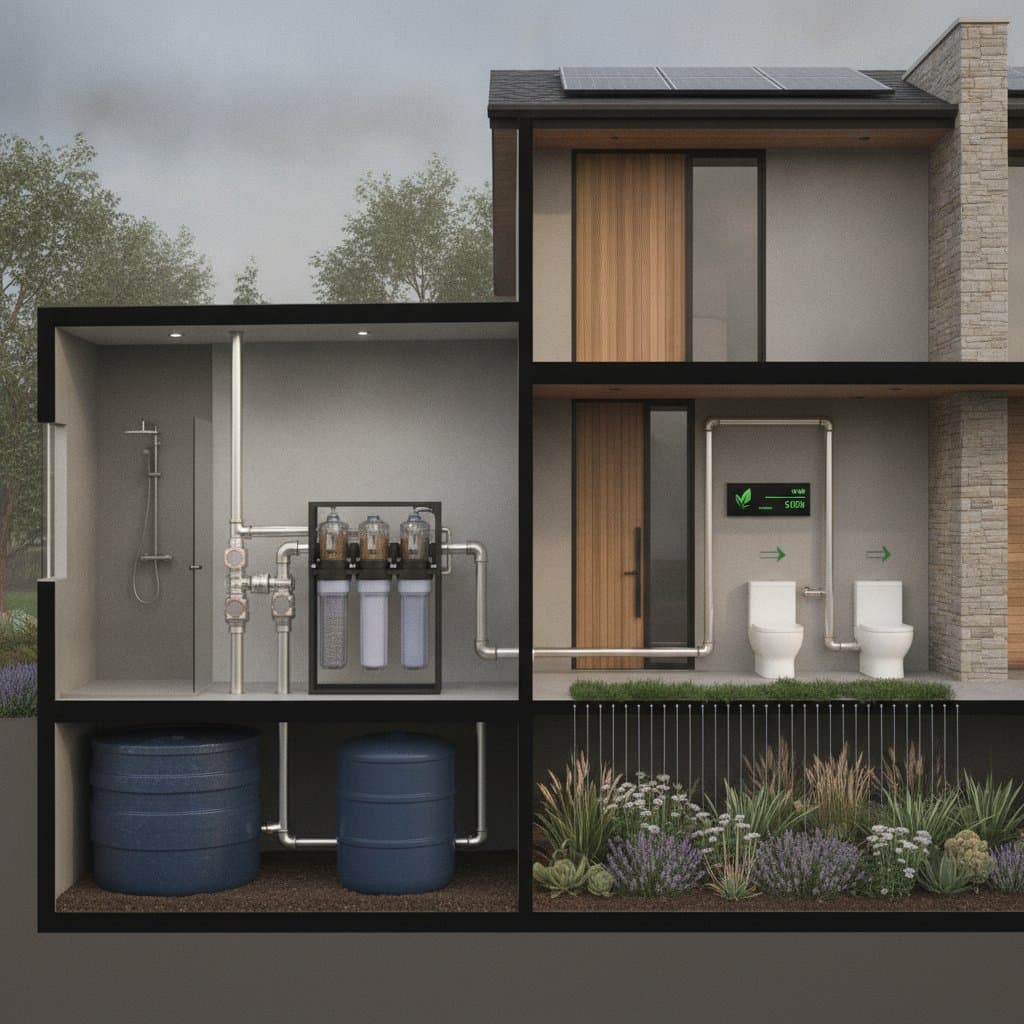
Drip irrigation systems cost 1500 to 3000 dollars. Permeable pavers run 8 to 15 dollars per square foot. Rainwater systems range from 1000 to 5000 dollars.
Keeping Long Term Value
Check emitters monthly and refresh mulch each season. Track water savings for future resale. Certified inspections maintain system efficiency. These steps protect both savings and appearance over time.