Breaking Down 2026 Home Office Soundproofing Costs
Summary Box
National average cost: $2,100
Typical range: $1,200 to $3,800
Low end: $700 for basic wall panels in a small room
High end: $6,000 for full ceiling, wall, and floor isolation
Time to complete: 2 to 5 days depending on scope
DIY or Pro: Partial DIY possible for panels; full isolation requires a professional
ROI or resale impact: Moderate; enhances comfort and appeal for remote work setups
Updated: March 2026
Cost Factors
1. Scope and Size
The dimensions of your home office directly influence the overall expense. For instance, a compact 10-by-10-foot space might require only targeted treatments like acoustic panels on one or two walls and seals around the door. In contrast, a larger room serving as a recording studio or video conference area demands comprehensive isolation across ceilings, walls, floors, and windows to block external sounds effectively.
2. Material Grade and Finish
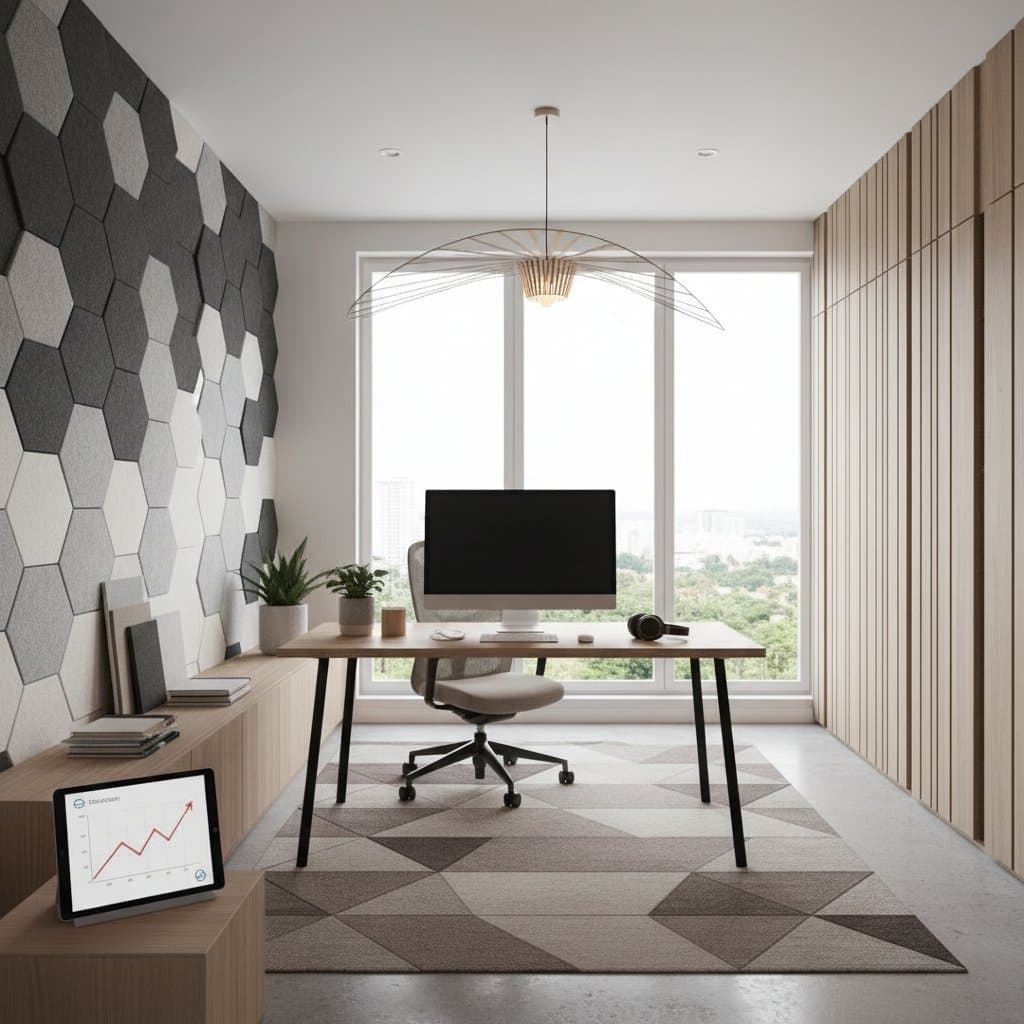
Selecting the right materials balances performance, aesthetics, and budget. Basic foam panels offer affordable absorption but may degrade quickly in humid environments. Opt for fabric-wrapped acoustic panels, which provide superior durability and a professional appearance, or premium soundproof drywall that incorporates dense gypsum layers with viscoelastic polymers to dampen vibrations and transmit less noise.
3. Site Conditions and Accessibility
The existing structure of your home plays a significant role in preparation costs. Properties with older plaster walls or uneven framing often need extensive repairs before installation, increasing labor time. Spaces in attics or basements with exposed joists allow for straightforward access, while finished ceilings, tight corners, or multi-story layouts can extend the project by several hours due to the need for specialized tools.
4. Labor Market and Season
Location and timing affect hourly rates, which typically range from $50 to $150 per worker. Urban centers with competitive renovation markets command premium prices due to demand from remote professionals. Schedule during slower seasons, such as winter, when contractors may offer flexibility and negotiate rates down by 10 to 15 percent.
5. Custom Work and Change Orders
Integrating soundproofing with other features adds complexity and cost. Elements like built-in shelves, recessed lighting fixtures, or wall-mounted monitors create penetrations in the sound barrier, each requiring additional sealing materials and labor. Plan these details upfront to avoid mid-project changes that could inflate the budget by 20 percent or more.
Strategies to Reduce Costs Effectively
Practical Substitutions
Achieve substantial savings by choosing versatile alternatives that maintain performance. Pair mid-grade acoustic panels with self-installed door sweeps and weatherstripping to cut expenses by up to 30 percent without compromising noise reduction. For flooring, select removable rugs or cork underlays over permanent carpet padding, allowing easy reversal if needed. Avoid complete wall demolition by applying a second layer of standard drywall with mass-loaded vinyl (MLV) inserted between layers for enhanced sound blocking at a fraction of rebuild costs.
Sequence and Preparation Tips
Proper sequencing ensures efficiency and longevity. Finish all electrical updates, such as adding outlets or installing new lighting, prior to sealing walls to prevent future disruptions. Apply acoustic caulk meticulously along every seam and joint before painting; overlooked gaps can reduce soundproofing effectiveness by half. Position wall outlets and switches within the same stud bay to minimize barrier interruptions and simplify wiring.
Timing and Batching Approaches
Coordinate projects to maximize value. Request off-season appointments or bundle soundproofing with related renovations, like painting or flooring, to distribute labor costs across tasks. Source materials strategically: purchase acoustic panels in bulk from regional suppliers to eliminate shipping charges, or explore reclaimed options from local salvage yards for unique, cost-effective solutions.
Comparing Quotes Thoroughly
Secure at least three detailed bids to identify the best value. Use this structured checklist to evaluate proposals:
| Quote Comparison Checklist |
|-----------------------------|--|
| Scope itemized with specifics | ✓ |
| Materials grade and brand specified | ✓ |
| Surface preparation and cleanup included | ✓ |
| Permit and disposal fees covered | ✓ |
| Warranty terms and project timeline detailed | ✓ |
| Payment schedule linked to milestones | ✓ |
Project Timeline and Scheduling
Material procurement sets the pace for your timeline. Standard acoustic panels and seals arrive within one week of ordering, while specialized items like custom soundproof drywall or MLV sheets may require two to three weeks for fabrication and delivery. On-site installation for a small office typically spans two to three days when focusing on panels and seals; full wall rebuilds extend to five days, including drying times for adhesives and caulk.
Most projects avoid formal inspections unless they involve electrical modifications or structural alterations. Allocate one additional day for thorough cleanup, which includes debris removal, surface dusting, and final touch-ups to restore the space. Factor in a buffer for unexpected delays, such as weather impacting material shipments or access issues in shared home environments.
Maintenance and Long-Term Durability
Routine Care Practices
Preserve your investment through simple upkeep. Gently vacuum fabric-covered panels monthly using a soft brush attachment to remove dust without damaging the material. Inspect door seals annually for signs of wear, such as cracks or loosening, and replace them promptly to maintain airtight barriers. Reapply acoustic caulk to joints every five to ten years, especially in areas prone to settling or humidity fluctuations, to sustain optimal performance.
Addressing Common Issues
Anticipate potential problems to extend the system's life. Panels may detach if secured only with adhesive; switch to mechanical screw mounts for reliable fixation in high-traffic areas. Temperature shifts can widen gaps around outlets or trim, allowing sound leakage; monitor these during seasonal changes and reseal as needed. Over time, carpet underlays compress and lose absorption capacity; rotate or replace them every three to five years based on usage.
Repair Options
Tackle issues early to avoid full replacements. Swap out sagging or faded panels individually rather than redoing the entire wall. During routine repainting, refresh seals around edges to restore integrity without major disassembly. If noise persists after subsequent home improvements, hire a specialist for an acoustic audit to pinpoint and seal hidden leaks efficiently.
Regional Considerations
Costs vary by geography due to material availability and labor norms. In coastal regions like California, premium materials resist moisture but elevate prices by 15 to 20 percent. Midwest areas benefit from lower labor rates, often 10 percent below national averages, while Northeast urban zones see higher demands from dense populations. Southern states may require treatments for humidity-related echoes, adding ventilation costs. Always adjust estimates based on local supplier quotes and contractor availability.
Steps to Implement Your Soundproofing Plan
Transforming your home office into a sanctuary of focus begins with targeted actions. Initiate with foundational steps like sealing drafts and installing panels for immediate noise reduction benefits. If external disturbances persist, incorporate advanced techniques such as mass-loaded barriers and decoupled framing to achieve deeper isolation. Select contractors with verified acoustic expertise, reviewing portfolios of similar home projects to ensure quality results that support sustained productivity and well-being.