Breakdown of Flood Restoration Costs for Homeowners
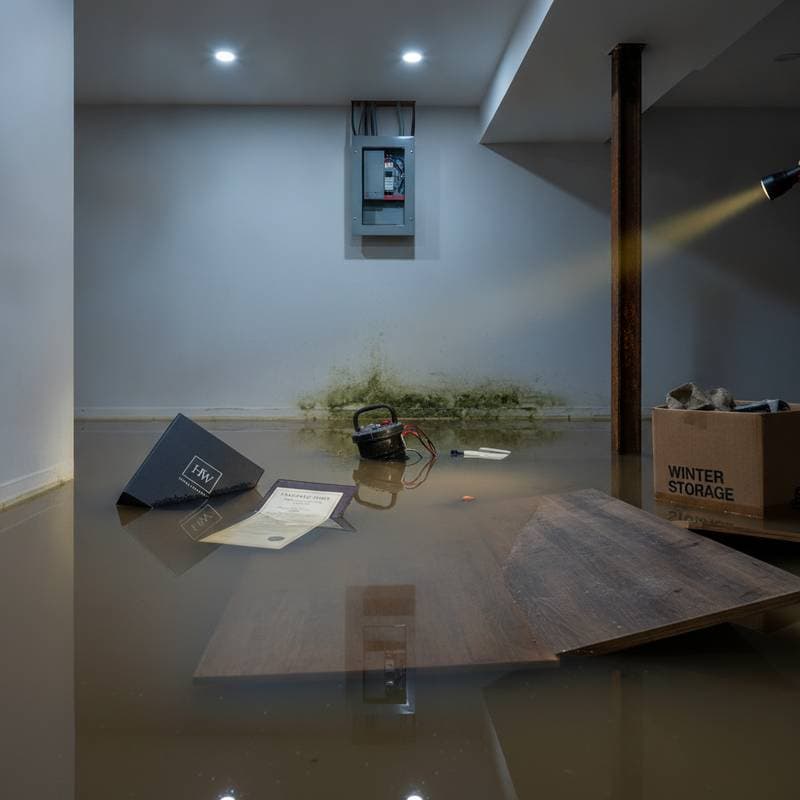
Floodwater invades homes quickly, causing floors to warp, drywall to absorb moisture, and concealed areas to foster mold growth within days. A clear grasp of flood restoration costs enables realistic planning, effective insurance claims, and preservation of your home's enduring value.
Quick answer: Total restoration costs typically range from $3,000 to $30,000 or more, influenced by water depth, affected materials, and the need for structural repairs.
Summary Box
- Average cost range: $3,000 to $30,000+
- Typical timeline: 3 days to several weeks
- Difficulty: Moderate to complex
- Key risks: Mold, structural damage, contamination, electrical hazards
Typical Cost Breakdown by Category
| Category | Average Cost Range | Notes |
|---|---|---|
| Water extraction | $500 to $3,000 | Depends on number of affected rooms and water depth |
| Drying and dehumidifying | $1,000 to $4,000 | Involves industrial fans, dehumidifiers, and monitoring |
| Cleaning and sanitation | $500 to $2,500 | Includes disinfecting surfaces and removing debris |
| Structural repairs | $2,000 to $10,000+ | Wall, floor, and framing replacement |
| Electrical and HVAC inspection | $300 to $2,000 | Required for safety and function |
| Mold remediation | $1,000 to $6,000 | Costs rise with contamination level |
| Material replacement | $1,000 to $10,000+ | Flooring, drywall, insulation, cabinetry |
These ranges apply to standard residential projects. A single-story home with minor damage often falls at the lower end, whereas extensive multi-room flooding or contaminated water can escalate expenses twofold or more.
What Affects Price the Most
Certain conditions and decisions exert the greatest impact on overall expenses.
- Type of water: Clean water incurs lower safety and disposal costs compared to gray water from appliances or black water from sewage, which demands rigorous decontamination.
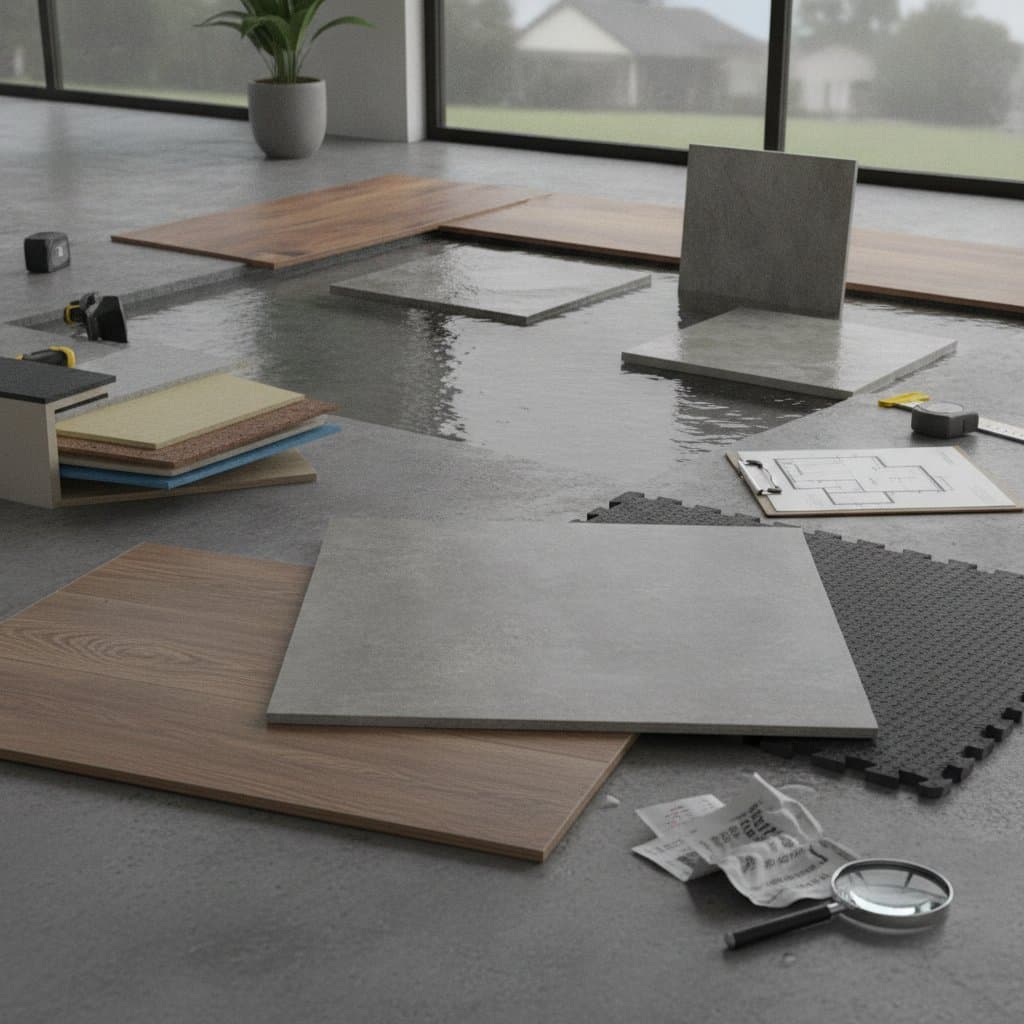
- Flooring replacement: Restoring hardwood or tile proves more expensive than replacing carpet or vinyl due to labor and material demands.
- Drywall height cut: For moderate flooding, professionals remove drywall up to one foot above the water line; severe incidents necessitate complete wall reconstruction.
- Electrical and HVAC safety: Submerged systems frequently require full replacement to ensure reliability and prevent hazards, rather than mere cleaning.
- Mold presence: Prompt intervention halts mold proliferation, potentially saving thousands in remediation fees.
DIY vs Professional Restoration
DIY Skill Level and Safety
Skill Level: Intermediate
Estimated Time: 1 to 2 weeks depending on extent
Main Tools: Wet/dry vacuum, dehumidifier, fans, moisture meter, disinfectant
Safe DIY Scope:
- Extract minor clean water spills using a wet/dry vacuum.
- Dry small, accessible areas with fans and a dehumidifier while monitoring moisture levels.
- Clean and disinfect non-porous surfaces with an EPA-approved solution.
Stop and call a pro if:
- Water originates from external sources or sewage lines.
- Walls, insulation, or electrical components become submerged.
- Mold odors emerge or materials remain damp after 48 hours.
Professional Restoration
Pro Services Include:
- 24-hour emergency water extraction to minimize initial damage.
- Industrial drying equipment with precise moisture tracking to ensure thorough dryness.
- Testing for mold and contaminants to identify hidden threats.
- Coordination of full rebuild efforts, from demolition to reconstruction.
Engaging a licensed restoration firm guarantees adherence to safety regulations and provides thorough documentation for insurance purposes. Professional intervention becomes essential when structural elements or mechanical systems face submersion, safeguarding health and maintaining warranty validity.
Maintenance and Long-Term Care
After completing repairs, diligent maintenance mitigates future risks and preserves your investment.
- Inspect drainage: Clear gutters regularly and position downspouts to divert water at least five feet from the foundation.
- Test sump pumps: Verify functionality annually and before rainy seasons to confirm reliable operation.
- Seal foundation cracks: Apply hydraulic cement or epoxy injections to close minor fissures and prevent water infiltration.
- Elevate utilities: Raise electrical outlets, appliances, and HVAC components above anticipated flood levels during renovations.
- Run dehumidifiers: Keep indoor humidity under 50 percent year-round to inhibit mold development.
Consistent inspections uncover potential issues early, minimizing the likelihood of recurring damage and future insurance claims.
Common Flood Restoration FAQs
1. Will homeowners insurance cover flood restoration?
Coverage applies only with a separate flood insurance policy or for damages from covered perils such as a burst indoor pipe. Standard policies exclude external flooding events.
2. How soon should I start cleanup?
Begin immediately once water recedes and safety assessments confirm stability. Lingering moisture beyond 24 hours promotes rapid mold formation.
3. Can wet carpet be saved?
Clean water extracted within hours allows professional salvage through deep cleaning and drying. Exposure to gray or black water requires complete disposal to avoid health risks.
4. What if mold appears after restoration?
Engage a certified mold remediation specialist without delay. Untreated mold can disseminate via HVAC ducts and within wall cavities.
5. How can I reduce future costs?
Install backflow prevention valves on sewer lines, ensure exterior grading slopes away from the foundation, and maintain detailed records of your property's condition for insurance evaluations.
Steps to Initiate Restoration
Flood restoration extends beyond drying surfaces; it encompasses safeguarding structural integrity, indoor air quality, and market value. Document all damage through photographs and videos from multiple angles. Contact your insurance provider promptly to verify coverage details and initiate the claims process. Secure at least two detailed estimates from certified restoration professionals to compare scopes and pricing.
Restoring a flooded home demands patience and foresight. Through meticulous planning and swift action, homeowners can avert excessive expenditures. Opt for comprehensive professional services or targeted DIY efforts as appropriate, followed by vigilant monitoring, adequate ventilation, and proactive maintenance to sustain a dry, healthy, and resilient living environment for years ahead.