Understanding Multi-Generational Renovations in 2026
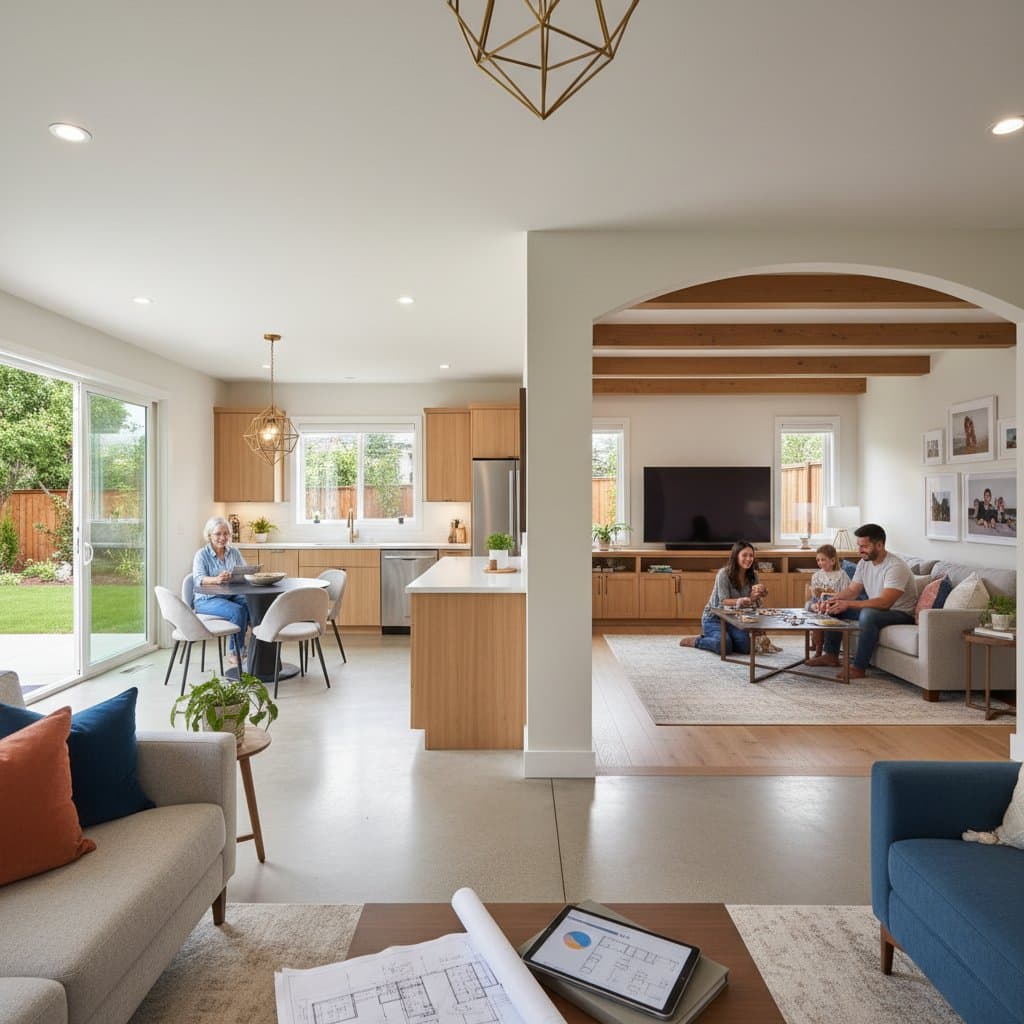
Multi-generational living arrangements gain popularity as families seek to combine households for support, cost savings, and shared experiences. In 2026, renovations to accommodate multiple generations often involve creating accessory dwelling units (ADUs), converting basements or attics into independent spaces, or reconfiguring main floors for accessibility. These projects balance immediate functionality with future adaptability, but they demand thorough planning to navigate rising material costs and evolving building codes.
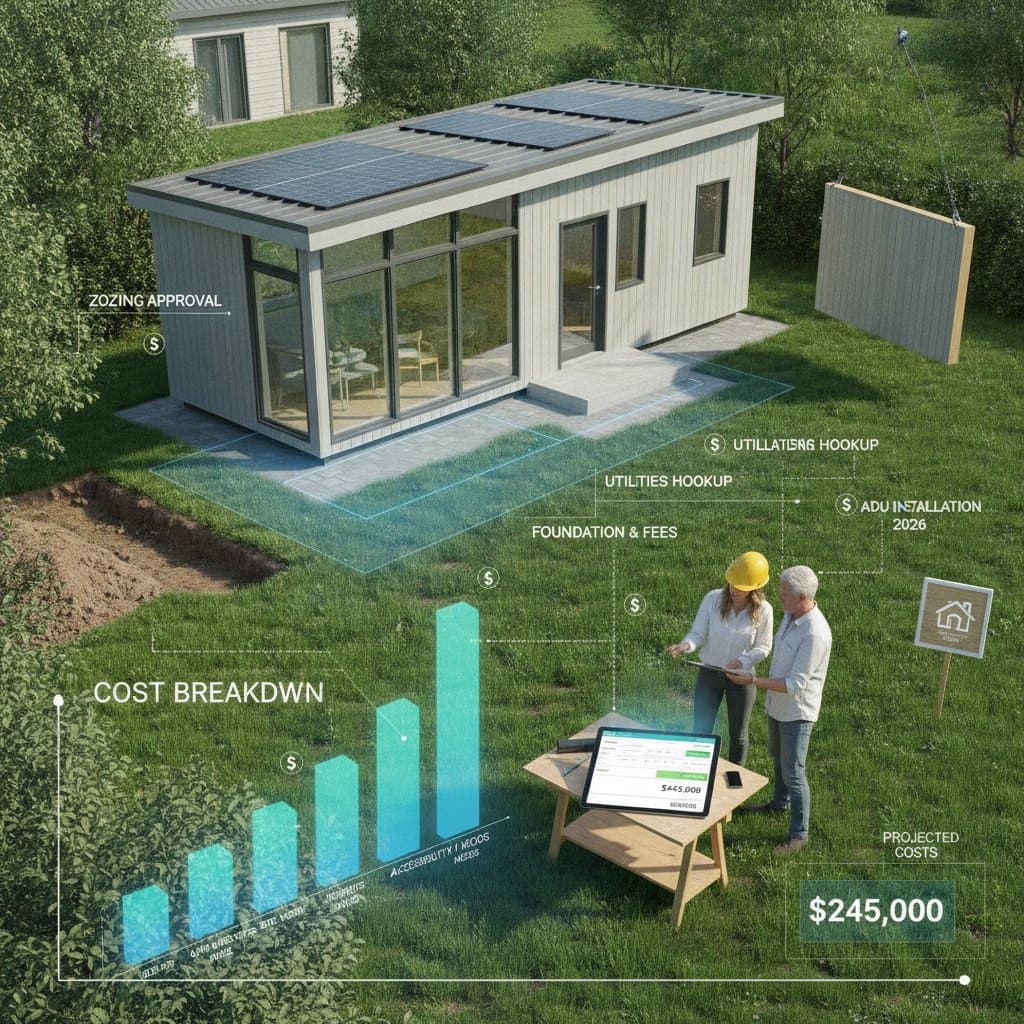
Projected costs vary by project scale, location, and customization level. A basic ADU addition might range from $100,000 to $200,000, while full-home multi-generational adaptations could exceed $300,000. Factors such as labor shortages, sustainable material preferences, and energy efficiency mandates influence these figures. Homeowners benefit from early consultations with architects to align designs with budget constraints.
Key Cost Components for 2026 Projects
Break down expenses to build a realistic financial plan. Focus on structural, mechanical, and aesthetic elements that define multi-generational spaces.
- Foundation and framing: Essential for new additions like ADUs, these works cost $20,000 to $50,000 based on soil conditions and square footage.
- Plumbing and electrical upgrades: Integrating separate utilities for independent living areas adds $15,000 to $40,000, including wiring for smart home features.
- Kitchen and bathroom installations: Duplicate facilities for privacy run $25,000 to $60,000 per unit, prioritizing durable, low-maintenance finishes.
- Accessibility modifications: Ramps, widened doorways, and elevator installations contribute $10,000 to $30,000 to promote aging-in-place options.
- Permitting and compliance: Local fees and code adherence, especially for seismic or energy standards, total $5,000 to $15,000.
Financing options include home equity loans or construction-to-permanent mortgages, with interest rates expected to stabilize around 5 to 7 percent in 2026. Compare lenders to secure favorable terms that match project timelines.
Financial Implications and Hidden Expenses
Multi-generational renovations reveal complexities beyond initial quotes. Analyze each element to anticipate total outlays.
Demolition and debris removal typically costs $1,000 to $5,000, depending on the volume and site accessibility. Families relocating temporarily during construction face housing expenses of $2,000 to $8,000 for rentals or hotels. Property insurance premiums often rise with added structures; notify providers early to adjust coverage accurately.
Ongoing maintenance for separate units, such as ADUs, includes HVAC servicing, pest management, and inspections, adding $1,000 to $3,000 annually. Allocate a contingency fund of 10 to 15 percent of the total budget. This reserve addresses surprises like utility line relocations without halting progress.
Evaluating Contractor Proposals
Choose contractors through rigorous vetting beyond price alone. Demand comprehensive proposals that detail every aspect of the work.
Proposals must include scope of work with itemized quantities and unit prices, payment schedules tied to milestones, responsibility for permits and inspections, and warranties for structural and finishing elements. Verify references, active licenses, and insurance coverage to confirm reliability.
Engage an independent construction manager or inspector for unbiased oversight. This professional tracks adherence to plans, identifies deviations early, and facilitates smooth communication among family members and the team.
Risk Mitigation Strategies
Projects spanning generations heighten emotional and monetary risks. Implement safeguards to protect all involved.
Maintain written records of discussions, approvals, and change orders for clarity. Secure builder's risk or renovation insurance against theft, vandalism, or weather events during construction. Develop contingency plans with alternative contractors and suppliers to prevent delays.
Use inspection checklists at key stages before releasing payments. After completion, compile warranties, manuals, and maintenance schedules in a central document. These practices minimize overruns and foster trust among family stakeholders.
Ensuring Quality Work
Assume nothing about workmanship; verify quality at defined intervals. Homeowners play an active role in upholding standards.
Request photographic evidence of framing, insulation, and plumbing prior to enclosing walls. Ensure subcontractors possess valid licenses and certifications for their specialties. Arrange interim inspections to verify code compliance.
Withhold 5 to 10 percent of the final payment until punch-list items receive resolution. This approach enforces accountability and catches defects before they escalate into major repairs.
Long-Term Performance and Maintenance
Treat the renovated home as a lasting asset requiring consistent care. Routine upkeep sustains functionality and value.
Conduct annual checks on roofs, gutters, and siding to prevent water damage. Schedule biannual HVAC servicing to maintain efficiency and indoor air quality. Evaluate safety elements like smoke detectors and accessibility features for regulatory alignment.
Refresh finishes and fixtures every five to seven years, particularly if spaces might convert to rentals. Such diligence ensures equitable benefits across generations, enhancing comfort and resale potential.
Building a Secure Family Legacy
Multi-generational renovations blend fiscal discipline with relational depth. Approach each choice deliberately to align with family dynamics and property objectives.
From material selections to funding strategies, prioritize decisions that deliver enduring utility. With methodical planning and oversight, these endeavors fortify bonds and secure stability for the household's future.