The Rise of Multigenerational Living
Families increasingly choose to live together across generations to manage rising housing expenses and provide mutual support. In 2026, economic pressures and shifting demographics will accelerate this trend, with projections indicating that over 20 percent of U.S. households will adopt multigenerational arrangements. Homeowners must consider how to adapt existing properties or build new ones to accommodate diverse needs while maintaining harmony.
This approach offers financial benefits, such as shared costs, but requires careful planning to ensure privacy and accessibility. Designers emphasize flexible layouts that evolve with family changes, from young children to aging relatives. Understanding these dynamics sets the foundation for successful implementations.
Key Design Options for Shared Spaces
Effective multigenerational homes balance communal areas with private retreats. Common configurations include in-law suites, attached accessory dwelling units, or full expansions with separate entrances. For instance, a ground-floor suite with its own kitchenette and bathroom supports elderly family members while preserving independence.
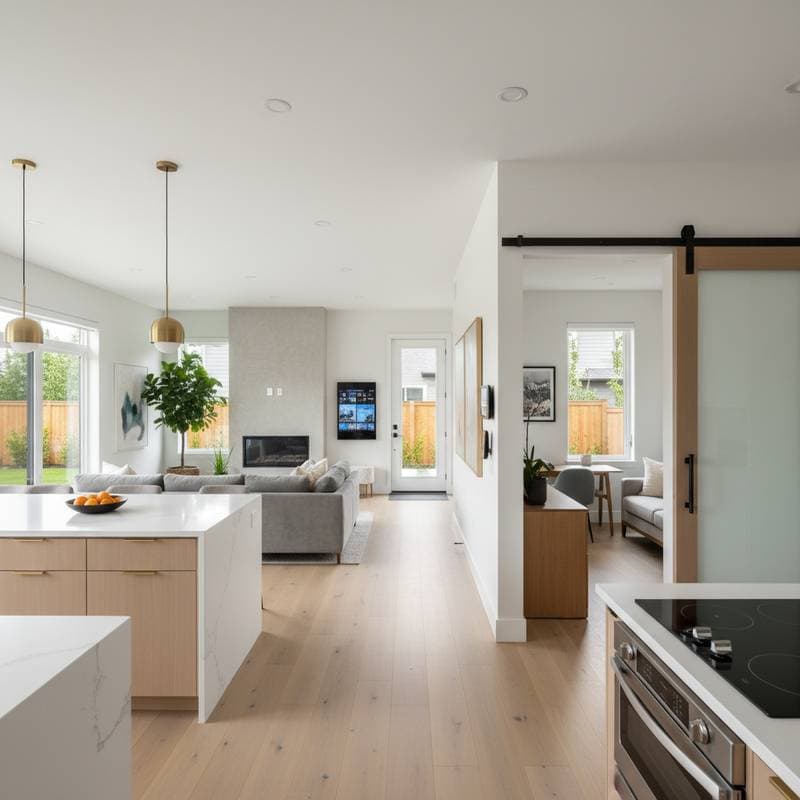
Interior adaptations focus on universal design principles, such as wide doorways and lever handles, to promote accessibility without sacrificing aesthetics. Outdoor spaces, like shared patios, encourage interaction while indoor zoning prevents overcrowding. Professionals recommend consulting architects early to align designs with long-term family goals.
Layout Variations
- Suite Additions: Convert garages or basements into self-contained units, ideal for budgets under $100,000.
- Full Expansions: Add second-story wings or modular units, suitable for larger families needing multiple bedrooms.
- Renovation Tweaks: Repurpose existing rooms with partition walls and smart storage to create semi-private zones.
These options allow customization based on property size and location, ensuring the home remains functional for all ages.
Projected Costs in 2026
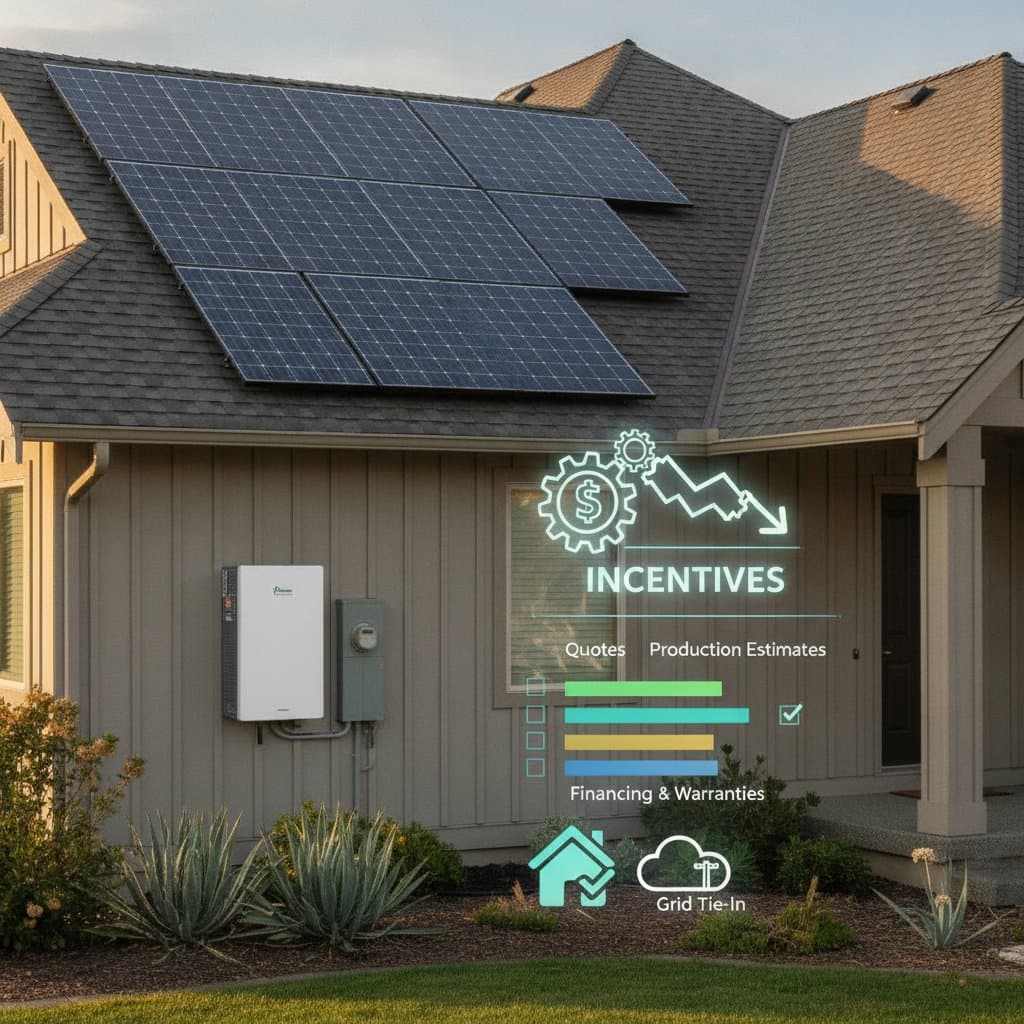
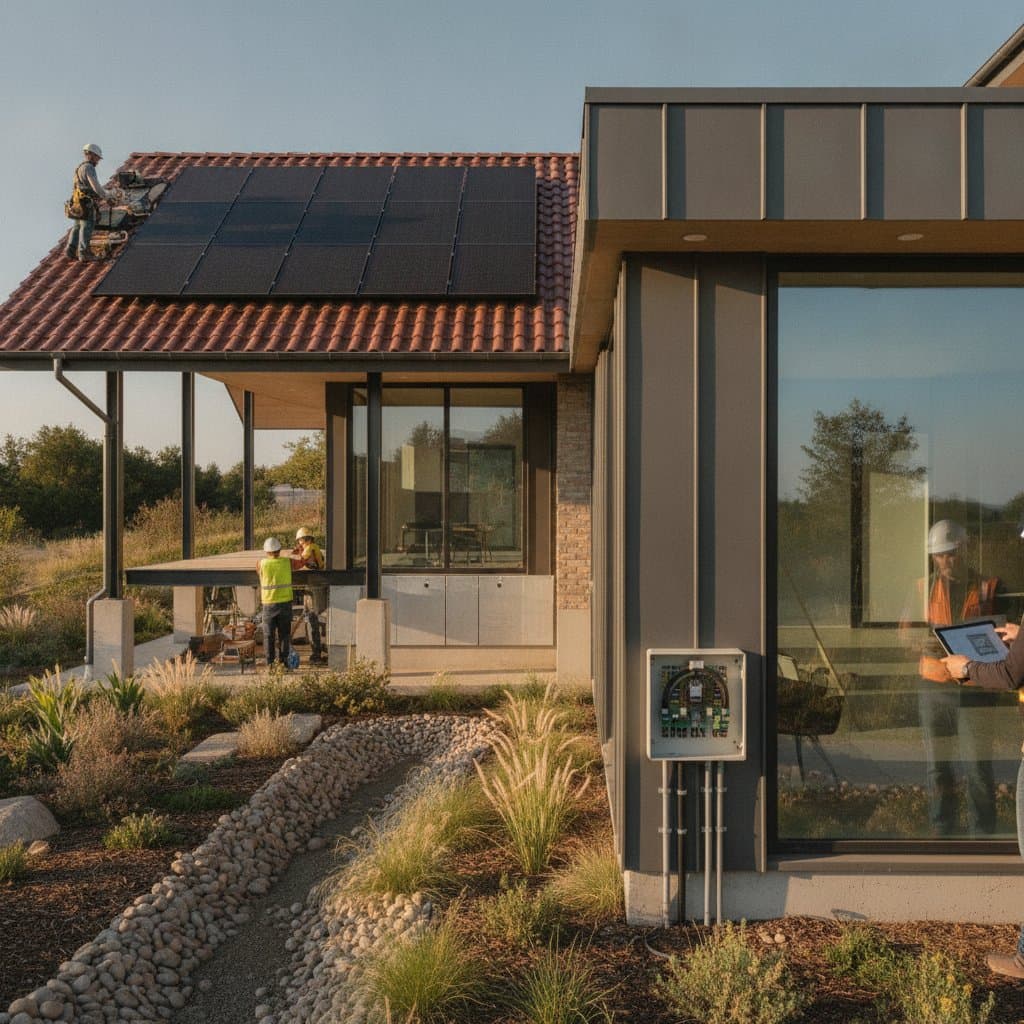
Building or renovating for multigenerational use involves variable expenses influenced by materials, labor, and regional factors. In 2026, average costs for a basic in-law suite addition will range from $80,000 to $150,000, depending on square footage and finishes. Full home expansions could exceed $250,000, incorporating energy-efficient features like solar panels to offset long-term utility bills.
Labor shortages and material inflation will push prices upward by 5 to 8 percent from current levels. Homeowners should budget an additional 10 to 15 percent for unforeseen issues, such as foundation reinforcements. Financing options, including home equity loans, become essential for managing these investments without straining household finances.
Cost Breakdown
- Permits and Planning: $5,000 to $10,000, covering architectural drawings and inspections.
- Construction Materials: $40,000 to $100,000, prioritizing durable, low-maintenance elements.
- Labor and Installation: $30,000 to $80,000, varying by contractor expertise and project complexity.
- Finishes and Appliances: $10,000 to $30,000, focusing on practical, high-quality selections.
Regional differences apply; urban areas command higher rates due to land constraints and regulatory hurdles.
Return on Investment Expectations
Investing in multigenerational features yields tangible financial returns alongside lifestyle advantages. Properties with adaptable layouts appreciate 10 to 15 percent faster than standard homes, according to market analyses. In 2026, resale values for such homes could increase by $50,000 to $100,000, driven by demand from extended families.
Energy-efficient designs reduce ongoing costs, potentially saving $2,000 annually in utilities. Tax incentives for accessibility modifications further enhance profitability. Buyers value these homes for their versatility, making them appealing in competitive markets.
Navigating Permits and Compliance
Local regulations govern multigenerational additions to ensure safety and equity. Zoning laws often require minimum setbacks and parking provisions for accessory units. In 2026, streamlined permitting processes in many states will expedite approvals, but homeowners must submit detailed plans addressing building codes for fire safety and structural integrity.
Engage licensed professionals to handle inspections and variances. Common requirements include separate metering for utilities in independent units and compliance with ADA standards. Proactive compliance avoids delays and fines, safeguarding the project's timeline and budget.
Steps to Plan Your Multigenerational Home
Start by assessing family needs through open discussions to identify priorities like caregiving access or work-from-home spaces. Next, evaluate your property's potential with a site survey, focusing on structural feasibility and expansion possibilities. Develop a budget that allocates funds across phases, from design to completion.
Secure financing and select contractors experienced in family-oriented projects. Monitor progress with regular check-ins to adjust for evolving requirements. This methodical approach minimizes disruptions and maximizes satisfaction.
Essential Planning Checklist
- Conduct family needs assessment.
- Hire an architect for preliminary sketches.
- Obtain preliminary cost estimates from multiple sources.
- Review local zoning and permitting rules.
- Plan for phased construction to manage cash flow.
- Incorporate future-proof elements like smart home technology.
Enhancing Family Bonds and Home Value
Multigenerational homes foster deeper connections while building lasting equity. By prioritizing thoughtful designs, families create environments that adapt to life's stages, from raising children to providing elder care. These investments not only strengthen relationships but also position properties for superior market performance in 2026 and beyond.
Homeowners who embrace this model report higher satisfaction and financial stability. The result is a resilient living space that supports generational harmony and appreciates over time.