How Much Does Wildfire Defense Cost in 2026
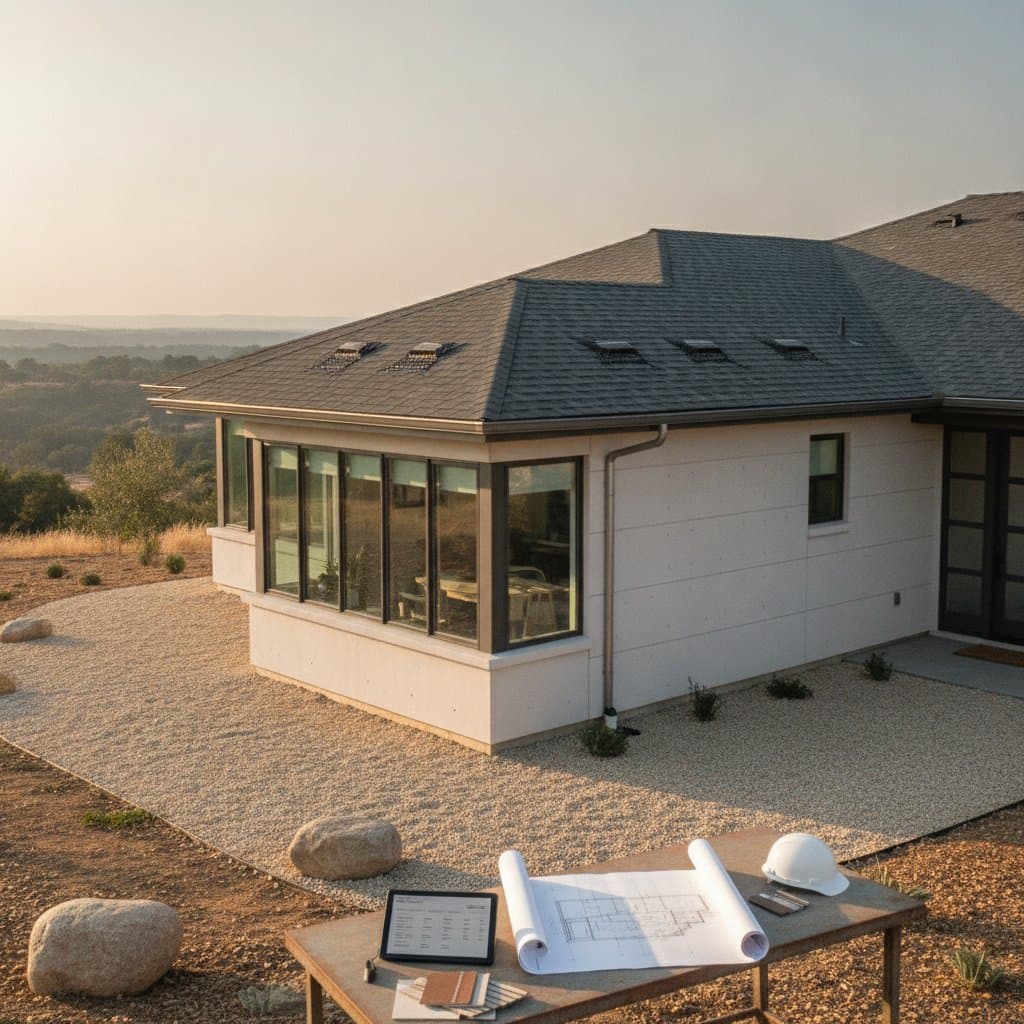
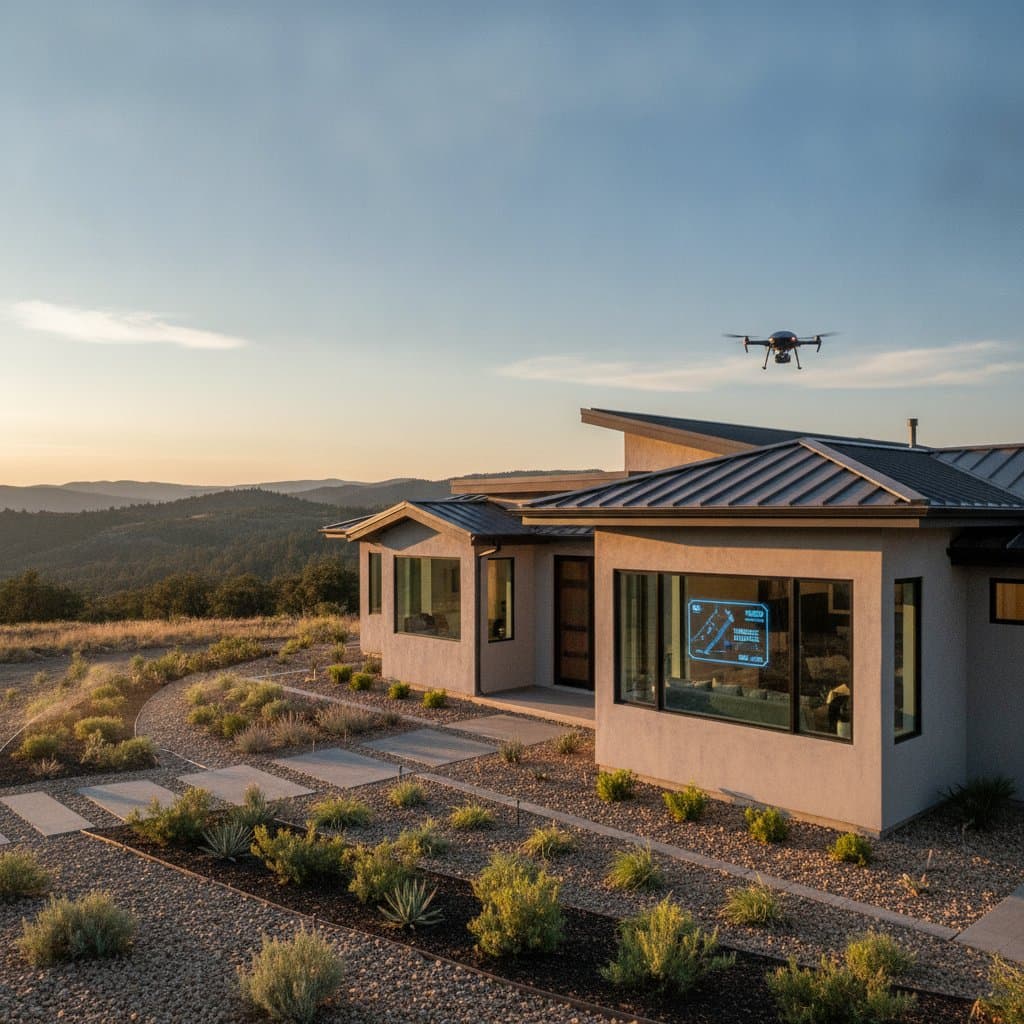
Wildfire defense zones protect homes from embers and radiant heat through layered barriers around the property. A professional system typically costs between $3,000 and $18,000. Most homeowners pay about $9,200 for a complete project that covers vegetation management, ember screening, and fire resistant landscaping.
Three main elements shape the final price. These include property size, chosen materials, and terrain complexity. Steep slopes or thick vegetation raise labor needs and equipment demands.
Homes with maintained defense zones show survival rates up to 75 percent higher during nearby fires. Proper installation also satisfies local regulations and supports insurance requirements.
Pricing Structure by Acreage
Contractors use a tiered model based on lot size and vegetation density.
- Per acre rates fall between $1,800 and $5,000.
- A minimum charge of $2,500 applies to smaller lots.
- National medians sit near $9,200, with the middle half of projects ranging from $4,000 to $15,000.
Each added half acre usually adds $1,200 to $2,000. A typical half acre suburban lot runs about $5,800. A two acre site with dense brush can reach $14,000.
Material and Quality Levels
Entry level service covers basic clearing and debris removal at roughly $1.25 per square foot. This option fits small homes or cabins.
Mid range work adds fire resistant mulch, screened vents, and metal mesh. These upgrades increase the price by 15 to 25 percent while improving ember resistance.
Premium packages include stone hardscaping, upgraded roofing, and irrigation systems. They range from $12,000 to $18,000 and often include ten year warranties along with insurance discounts.
Service Packages
A basic package handles vegetation thinning to 100 feet, roof and gutter cleaning, vent screening, and fuel reduction. It averages $3,000 to $7,000 and takes 10 to 15 hours.
A premium package adds fire resistant plants, irrigation, hardscaping, and roof upgrades. This raises the total by 35 to 50 percent to reach $10,000 to $18,000. Homeowners often recover 60 to 80 percent of the added cost through lower maintenance and better insurance terms.
Add On Options
| Service | Cost Range | Bundle Savings |
|---|---|---|
| Ember resistant vents | $400 to $900 | 10 percent |
| Fire resistant mulch | $1.50 to $2.50 per square foot | 5 percent |
| Irrigation system | $2,000 to $4,000 | 15 percent |
| Roof cleaning | $300 to $600 | 10 percent |
Bundling several items or booking in slower months can cut overall expenses by up to 12 percent.
Professional Work Versus DIY
DIY efforts require tools such as a brush cutter, chainsaw, and protective gear. Material costs average $1.75 per square foot. Total outlays run $1,000 to $3,000, yet the work demands 20 to 40 hours plus disposal fees.
Certified crews bring specialized equipment valued at $25,000 to $50,000. They finish most jobs in two days and supply code compliant documentation. The break even point for hiring help sits near $8,000 for many properties.
Ways to Reduce Expenses
Services cost 10 to 15 percent less in late winter or early spring. Midweek appointments can trim labor rates by another 5 percent. Gathering three quotes often lowers the final bill by up to 18 percent. Clearing small debris ahead of the crew saves $300 to $700.
Regional Price Patterns
Western states carry a regional multiplier of 1.3 to 1.6 because of higher demand. Urban zones in fire prone areas add 15 to 25 percent for stricter codes and disposal fees. Rural sites may cost less yet face longer wait times during peak season.
Protecting Property Value Over Time
A completed defense zone meets current codes and improves resale appeal. Regular maintenance keeps insurance eligibility intact and reduces future repair needs. Homeowners who schedule annual reviews maintain these advantages with minimal added effort.