Multigenerational Homes: Layouts and Costs for 2026
Quick Overview
- Multigenerational homes feature distinct private areas alongside communal zones to accommodate two or more generations.
- Current designs emphasize privacy, universal accessibility, and versatile living spaces.
- Conversion projects or new constructions typically range from $180 to $500 per square foot, influenced by complexity and geographic factors.
Defining Multigenerational Homes
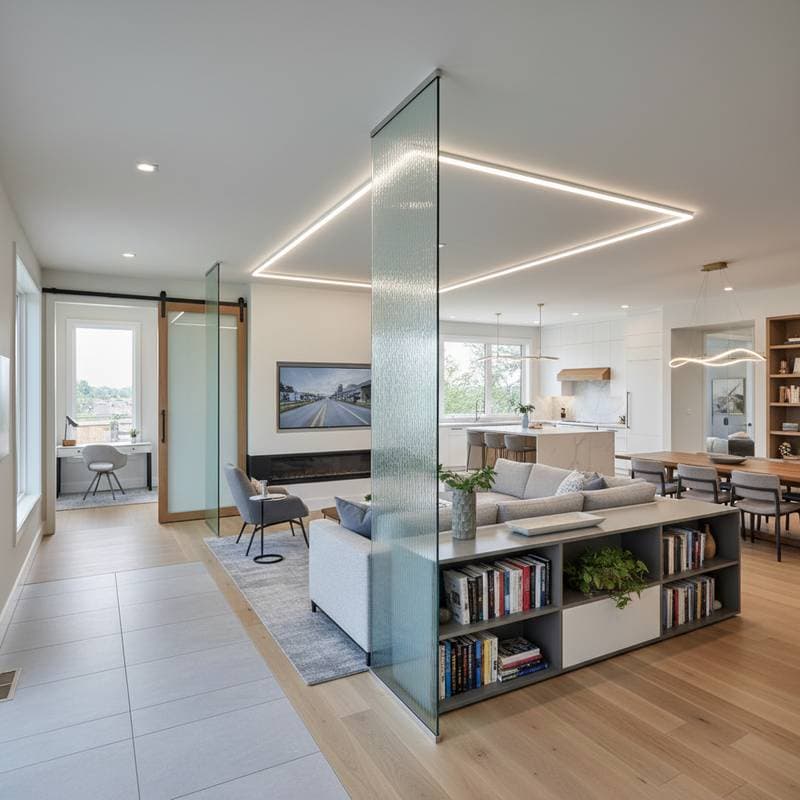
A multigenerational home consists of a single residence engineered to support multiple family units under one structure. This arrangement promotes familial bonds while preserving personal autonomy. Effective designs incorporate secluded suites, communal kitchens, and barrier-free entrances tailored to diverse life stages, from young children to aging adults.
Such homes address modern challenges like economic pressures and caregiving needs. Families benefit from integrated support systems that evolve with time. Planners must consider spatial divisions early to ensure long-term functionality.
Advantages and Challenges
Advantages
- Families share expenses related to housing, utilities, and upkeep, easing financial burdens.
- Natural caregiving emerges, such as assistance for children or seniors, reducing external dependencies.
- Intergenerational interactions strengthen emotional ties and provide a sense of security.
Challenges
- Without deliberate spatial separation, personal privacy may suffer, leading to tension.
- Increased usage accelerates wear on communal infrastructure, including plumbing and heating systems.
- Initial investments in specialized design and building elevate overall expenses.
These elements require careful evaluation to determine suitability for specific households. Balancing benefits against potential drawbacks ensures a harmonious living environment.
Ideal Scenarios and Common Pitfalls
Ideal Applications
- When adult children return to the family residence yet require independent quarters.
- For parents seeking to remain in their home during later years, supported by nearby relatives.
- To enhance property equity through the addition of an accessory dwelling unit (ADU).
Common Pitfalls
- Designs without dedicated entrances or adequate sound insulation compromise seclusion.
- Shared infrastructure proves insufficient for expanded facilities like additional kitchens or restrooms.
- Local regulations prohibit subdivided living arrangements, complicating approvals.
Assessing these factors upfront prevents costly errors. Families should consult zoning experts to align plans with legal constraints.
Step-by-Step Guide to Designing a Multigenerational Layout
Essential Tools and Resources: Graph paper or digital design applications, a precise tape measure, local zoning maps, a detailed budget spreadsheet, and official code documentation.
Estimated Timeline: Two to four weeks for initial planning and professional review.
Skill Level: Moderate, assuming familiarity with basic residential layouts.
- Identify Resident Requirements. Compile a comprehensive list of occupants, including specific needs for privacy, mobility aids, or quiet workspaces.
- Outline Functional Zones. Designate communal areas such as the main kitchen, laundry facilities, and exterior patios. Incorporate private en-suites complete with full bathrooms and compact kitchenettes where feasible.
- Evaluate Circulation Patterns. Ensure pathways avoid intrusion into personal spaces. Incorporate hallways at least 36 inches wide and threshold-free entries to support wheelchair access.
- Verify Regulatory Compliance. Confirm adherence to standards for emergency exits, fire-rated barriers, and ADU authorizations through municipal offices.
- Scale Infrastructure Appropriately. Calculate capacities for heating, ventilation, air conditioning (HVAC), water supply, and electrical distribution to accommodate heightened usage.
- Incorporate Adaptable Elements. Select features like sliding pocket doors, removable partitions, or multifunctional rooms that reconfiguration as family compositions change.
- Solicit Professional Bids. Obtain detailed proposals from contractors experienced in multigenerational projects, specifying material choices and timelines.
- Refine for Balance. Weigh trade-offs in privacy levels, financial limits, and shared amenities to produce a viable final blueprint.
This methodical approach minimizes oversights. Iterative reviews with family input refine the design for optimal satisfaction.
Breaking Down the Costs
Standard Price Range: $180 to $500 per square foot for complete builds or significant renovations.
Cost Escalators
- Independent HVAC units or dedicated plumbing runs for separate zones.
- Premium materials for noise reduction or luxurious surface treatments.
- Challenging site conditions, such as uneven ground requiring extensive foundational reinforcements.
- Jurisdictions imposing rigorous permitting processes and fees.
Cost Reducers
- Repurposing underutilized areas like basements or attached garages.
- Opting for factory-built modular extensions or pre-assembled ADUs.
- Maintaining a single centralized kitchen and laundry to streamline systems.
Choosing Replacement Over Retrofit
When current buildings fail to satisfy codes for new sanitary facilities, a full rebuild often proves more economical than piecemeal modifications. This strategy avoids repeated disruptions and ensures structural integrity.
Budgeting requires realistic projections. Consulting multiple sources provides a clearer financial picture.
Handling It Yourself Versus Professional Assistance
Suitable for DIY Efforts
- Preliminary sketches and spatial planning using free online tools.
- Cosmetic updates like painting walls or laying flooring in non-load-bearing zones.
- Fixture installations for those with verified handyman skills and safety knowledge.
Scenarios Requiring Experts
- Alterations involving load-bearing walls or foundational shifts.
- Integration of new restrooms, cooking areas, or climate control divisions.
- Situations demanding certified blueprints and on-site inspections per local mandates.
Expert Advantages
Professionals engineer robust partition systems and optimize air circulation for efficiency. Certified plumbers manage venting configurations, electricians balance circuit demands, and inspectors uphold safety protocols. These measures safeguard health, compliance, and future marketability.
Delegating complex tasks protects investments. Homeowners gain peace of mind through guaranteed workmanship.
Ongoing Maintenance Strategies
Recommended Schedule: Biannual inspections of critical components.
Key Activities: Examine HVAC filters for clogs, inspect plumbing connections for leaks, and test seals around inter-zone doors.
Expected Benefits: Consistent indoor climates, reduced utility bills, and minimized sound leakage.
Routine checks of high-traffic areas prevent escalation of issues. Establishing shared calendars for upkeep fosters cooperation and averts conflicts.
Proactive habits extend the home's lifespan. Documenting maintenance builds a record for warranty claims or resale.
Viable Alternatives
Accessory Dwelling Unit (ADU) Addition. Ideal for standalone privacy; expenses span $200 to $400 per square foot. This option enhances adaptability and income potential through leasing.
Split-Level Adaptation. Suited to hilly terrains; offers economical upgrades though accessibility remains a concern.
Duplex Configuration. Appropriate for balanced family divisions; necessitates distinct utility services and explicit zoning permissions.
Each alternative suits different priorities. Evaluate based on lot size, budget, and regulatory environment.
Frequently Asked Questions
Is Adding a Second Kitchen Permissible?
Yes, provided adequate ventilation and fire barriers are installed. Always consult local building authorities for precise guidelines.
What Dimensions Suit Most ADUs?
Standard sizes fall between 400 and 1,000 square feet, constrained by setback rules and lot coverage limits.
Will This Design Boost Property Value?
In numerous markets, flexible configurations appeal to diverse buyers, including extended families, renters, or remote workers.
Are Separate HVAC Systems Essential?
Not necessarily; properly engineered zoned systems can service multiple areas effectively.
How to Mitigate Intergenerational Noise?
Implement layered drywall, heavy solid doors, and specialized sound-absorbing materials in dividing walls.
Moving Forward with Your Project
Begin by documenting your property's dimensions and prioritizing each family member's essential features. Review municipal zoning for ADU feasibility or in-law suite allowances prior to drafting concepts. Secure at least three itemized estimates from reputable builders, highlighting per-square-foot pricing and regulatory adherence.
A thoughtfully executed multigenerational residence accommodates life's transitions seamlessly. Prioritize seclusion, ease of movement, and modular elements from the outset. Through prudent planning and fiscal awareness, you establish a sanctuary that nurtures all inhabitants securely over decades.