How Much Does Flood-Resistant Flooring Cost? A Comprehensive Pricing Guide
Flood-resistant flooring shields homes from water damage and mold while delivering enduring strength. Professional installation typically ranges from $4 to $17 per square foot, with the average at $9 per square foot for standard materials and labor. This range covers both materials and installation.
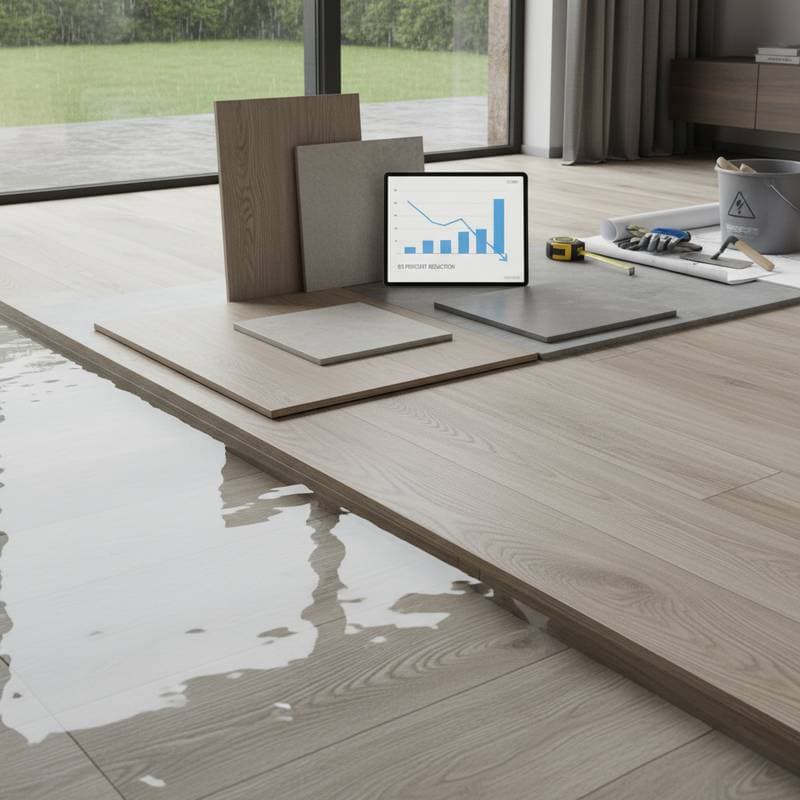
Three primary factors determine overall costs: the selected flooring material, the complexity of installation, and the total floor area. Vinyl planks, ceramic tile, and sealed concrete stand out as favored choices for their balance of cost-effectiveness and moisture resistance. Local labor rates and subfloor preparation also play roles in final pricing. High-quality flood-resistant flooring lowers post-flood repair bills by as much as 65 percent, based on findings from the Home Improvement Research Institute. Such investments preserve property worth and offer reassurance in areas prone to flooding.
Detailed Cost Breakdown
Costs fluctuate based on project type and extent. Homeowners generally allocate $2,400 to $8,500 for full installation, encompassing preparation and sealing. Basic setups start at $4 per square foot, whereas advanced waterproof systems climb to $17 per square foot.
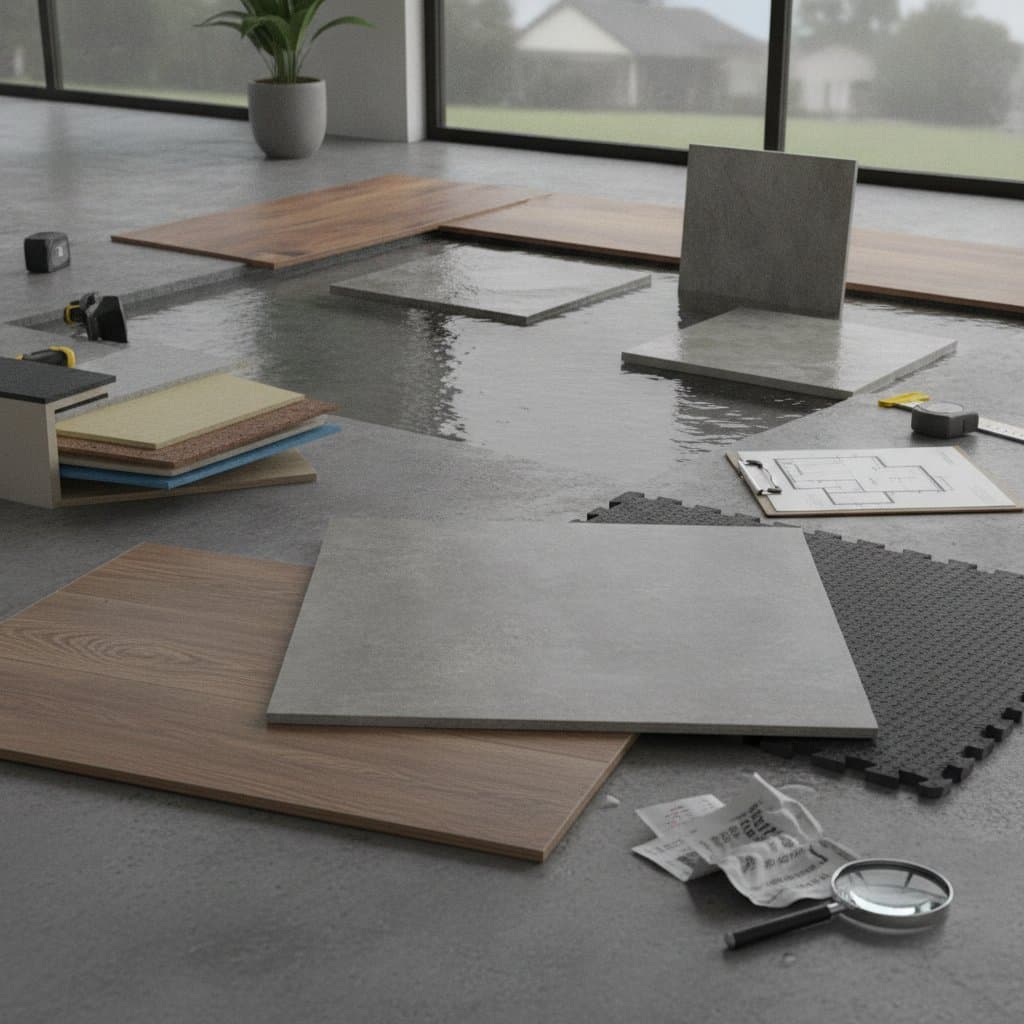
Vinyl plank flooring usually costs $4 to $7 per square foot when installed, providing extended durability and solid moisture barriers. Ceramic or porcelain tile averages $6 to $12 per square foot, varying by manufacturer and design layout. Sealed concrete runs $5 to $10 per square foot, and epoxy overlays add $2 to $4 for greater protection.
At the 25th percentile, simple waterproof vinyl jobs cost about $3.75 per square foot. The national median, or 50th percentile, aligns with $9 per square foot. Premium finishes hit the 75th percentile at $14 per square foot.
Scale affects the bottom line. Every extra 100 square feet adds $450 to $900, contingent on materials. For instance, outfitting a 500-square-foot basement with luxury vinyl planks totals around $4,500. The same area with ceramic tile averages $6,000.
Subfloor issues and access difficulties can raise expenses by 10 to 20 percent. Tasks like adding moisture barriers or addressing mold prior to installation may tack on $1.50 to $3 per square foot.
Service Types and Full Pricing Details
Standard flood-resistant flooring services incorporate moisture assessments, vapor barrier placement, and material application. These projects span one to two days and price from $4 to $9 per square foot. Suited for basements, kitchens, or utility spaces, they merge reliability with reasonable outlay.
Premium services utilize upscale materials like porcelain tile, engineered waterproof hardwood, or epoxy finishes. These options command 15 to 30 percent higher fees yet provide unmatched toughness and extended guarantees. Many such floors endure twice the duration of basic versions and elevate resale value by up to 8 percent.
Additional features encompass underlayment enhancements at $0.75 to $1.50 per square foot, baseboard sealing at $2 to $4 per linear foot, and antimicrobial treatments at $1 to $2 per square foot. Combining services frequently yields 10 to 15 percent savings compared to individual arrangements.
Professional Installation Versus DIY Approaches
DIY efforts attract those watching expenses closely, yet they carry unseen drawbacks. Materials for a 300-square-foot area average $1,200 to $1,800, featuring products like LifeProof vinyl or Pergo waterproof laminate. Acquiring or renting tools contributes $100 to $300, and completion demands 10 to 15 hours. Errors in sealing invite water intrusion, potentially inflating costs past professional levels.
Engaging licensed installers involves higher initial outlay but guarantees accurate placement, warranty validity, and effective moisture safeguards. Professionals wield tools worth $5,000 or more, streamlining work and minimizing hazards. This skill investment translates to prolonged flooring life and fewer upkeep demands.
Strategies to Optimize Protection and Savings
Select materials aligned with your space's demands, such as vinyl for easy upkeep in high-traffic zones or tile for enduring style in wet areas. Consult local experts early to evaluate subfloor needs and secure accurate quotes. Prioritize certified installers who offer warranties, ensuring your choice withstands floods and enhances home resilience.
By focusing on quality upfront, homeowners avoid reactive repairs and secure long-term financial benefits. Flood-resistant flooring not only fortifies against water threats but also elevates daily living comfort and property appeal.