How Much Does a Granny Flat Cost? Pricing Guide
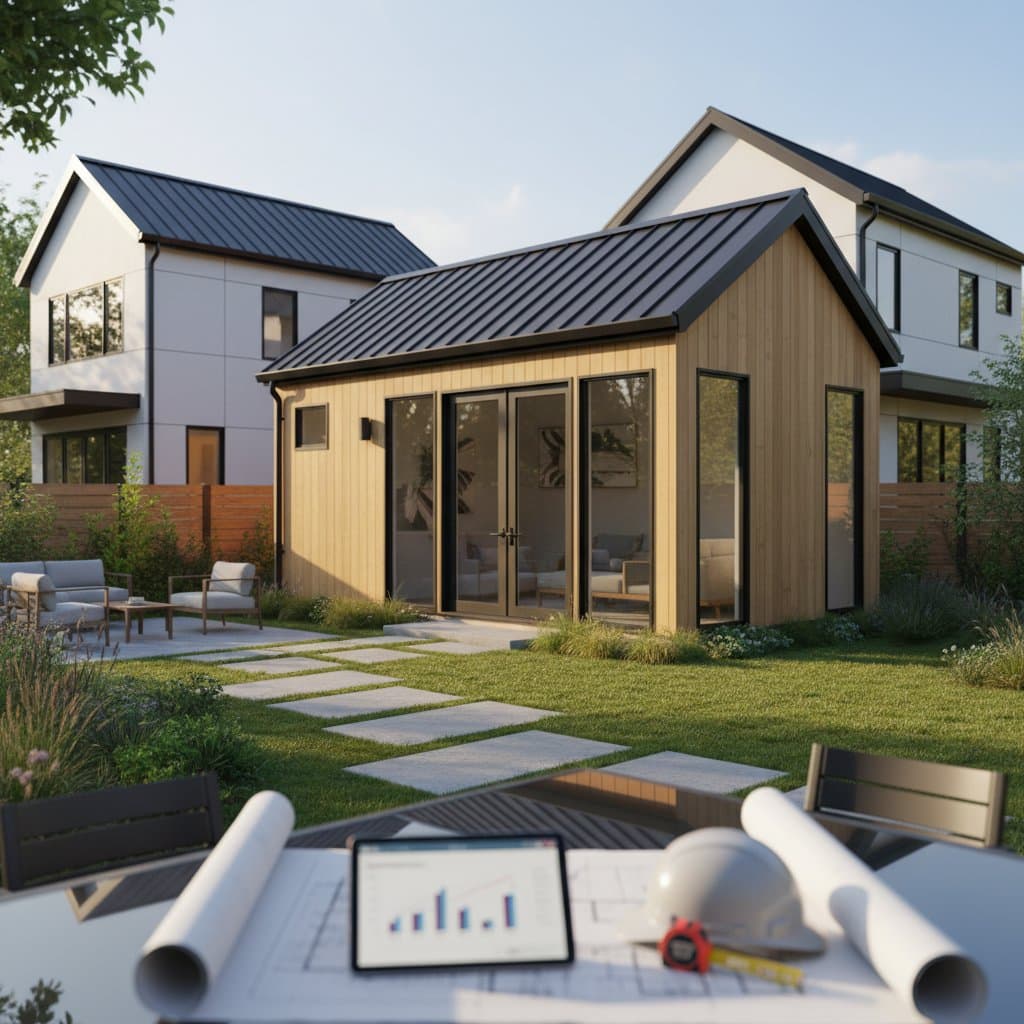
Building a granny flat expands livable space, increases property value, and creates opportunities for rental income. Professional construction of a granny flat typically ranges from $120,000 to $280,000. Most homeowners invest approximately $210,000 in a standard 500-square-foot unit. Compact studio designs begin at $95,000, whereas premium configurations with high-end finishes and two bedrooms surpass $300,000.
Three primary factors shape the final expense: size, materials, and site complexity. Regional labor rates and permit fees also affect the total. Data from the National Association of Home Builders indicates that a thoughtfully designed accessory dwelling unit increases property value by 25 to 35 percent, particularly in areas with housing shortages. Such an investment provides flexibility and sustained financial benefits, positioning it among the most efficient home enhancements.
Detailed Cost Breakdown
Primary Pricing Structure
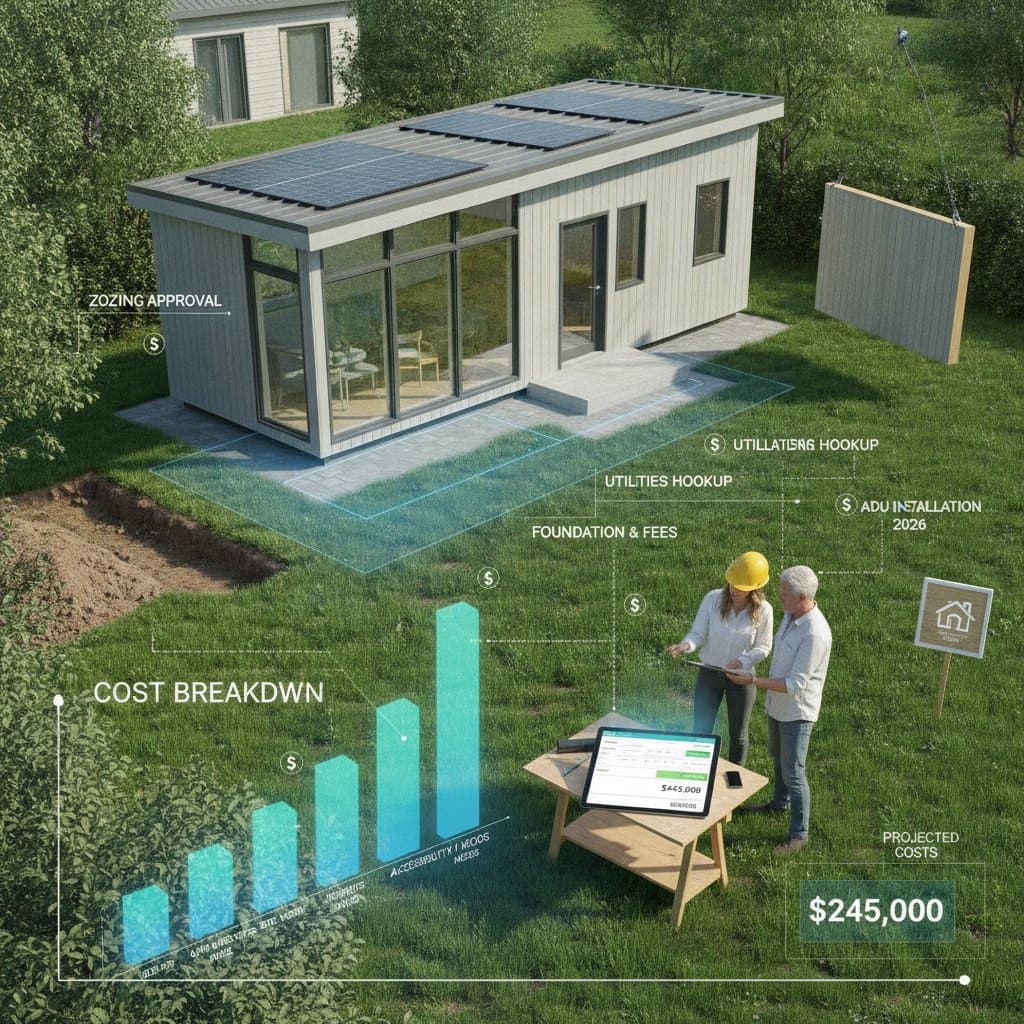
Granny flat costs adhere to a per-square-foot framework, typically between $250 and $500 per square foot, based on design, materials, and site access. Detached units include a minimum project fee of $90,000, which encompasses foundational elements and basic utilities. Nationally, the 25th percentile falls at $150,000, the median reaches $210,000, and the 75th percentile arrives at $275,000 for complete builds.
Regional differences emerge clearly. Homeowners on the West Coast face premiums of up to 20 percent from elevated labor and rigorous codes. In the South and Midwest, expenses drop 10 to 15 percent due to economical permits and lower material transport fees.
Size and Scope Factor
Size directly impacts expenses. A 400-square-foot studio requires about $120,000, while a 600-square-foot one-bedroom unit averages $180,000. Adding 100 square feet generally increases costs by $20,000 to $30,000. For instance, a homeowner in Austin spent $195,000 on a 620-square-foot accessory dwelling unit featuring mid-range materials and a compact kitchen. BuildZoom data reveals that multi-room layouts demand intricate utility installations and framing, elevating labor by 15 to 25 percent.
Material and Quality Tiers
Entry-level options incorporate vinyl flooring, standard cabinetry, and laminate counters, priced at $250 to $300 per square foot with a 20-year service life before significant renovations. Mid-range selections employ fiber cement siding, quartz surfaces, and efficient windows from manufacturers such as Andersen or Milgard, costing $350 to $425 per square foot for optimal durability and livability.
Premium builds integrate solid wood floors, bespoke cabinetry, and appliances from brands like Bosch or Thermador, averaging $450 to $500 per square foot. These choices generate up to 20 percent more rental revenue and extend maintenance cycles. Reputable builders often provide 10-year structural guarantees and 5-year appliance protections, enhancing overall worth and reliability.
Complexity Variables
Site features significantly alter budgets. Sloped terrain or unstable soil necessitates $8,000 to $20,000 in grading and foundation adjustments. Restricted vehicle access raises labor by 10 to 15 percent. Upgrading or extending utilities adds $5,000 to $12,000, while urban code adherence demands extra inspections and certifications costing $2,000 to $5,000. Houzz contractors note that older areas may require complete electrical overhauls for compliance, adding up to 8 percent to the total.
Service Types and Comprehensive Pricing
Basic or Standard Granny Flat Package
Standard packages cover site preparation, foundation, framing, roofing, insulation, basic plumbing and electrical systems, kitchenette and bathroom setup, plus simple interior finishes and painting. Projects span 10 to 14 weeks, with labor comprising 35 percent of expenses. Prices range from $150,000 to $210,000, offering 90 percent reliability for guest accommodations, family quarters, or modest rentals without extravagance.
Premium or Comprehensive Service Package
Premium offerings build on standards with architectural planning, permit management, superior materials, full kitchens, laundry provisions, efficient heating and cooling systems, solar compatibility, and landscape improvements. These elevate costs by 20 to 30 percent, reaching $220,000 to $280,000. Benefits include 30 percent greater resale potential and 15 percent quicker timelines through streamlined approvals. Rental-focused owners recoup investments in 6 to 8 years, aligned with local markets.
Add-On Services and Bundled Savings
Optional enhancements encompass:
- Detached garage additions: $25,000 to $40,000
- Deck or patio constructions: $5,000 to $12,000
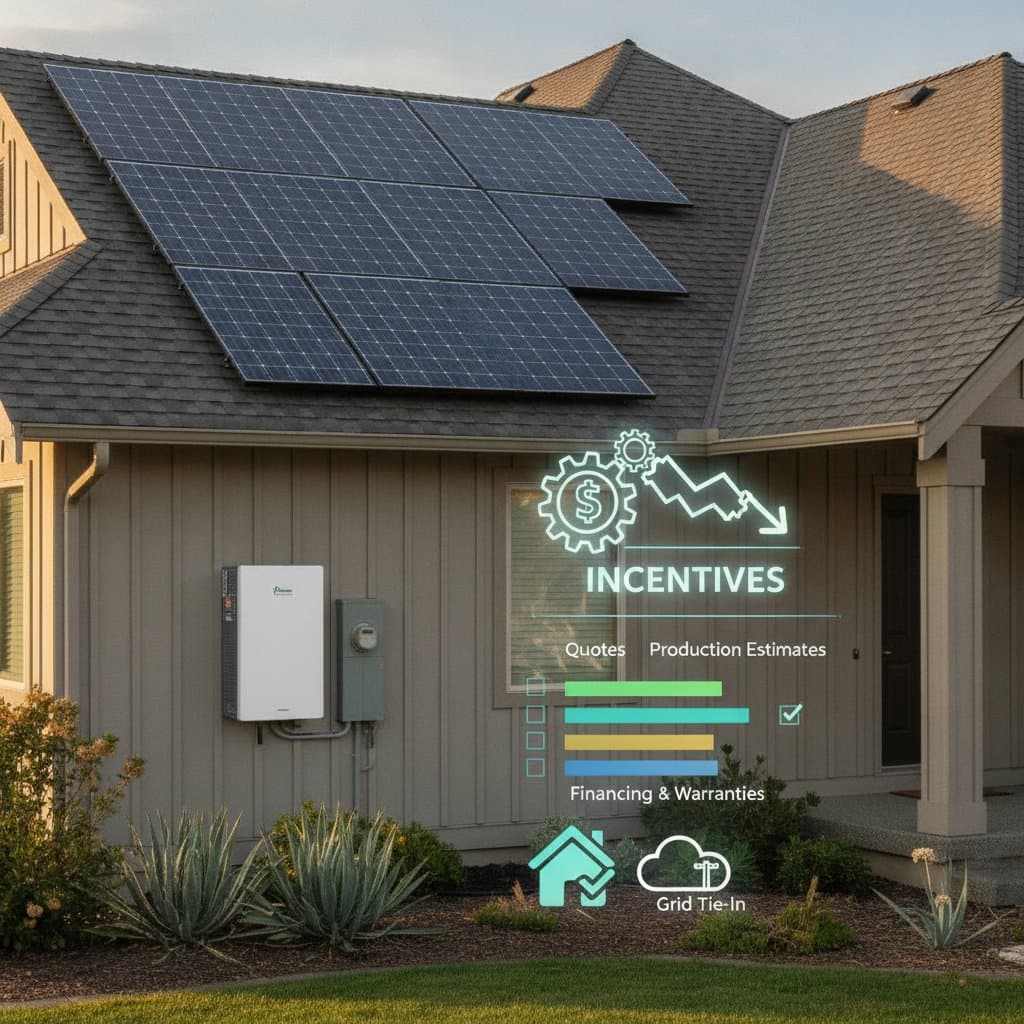
- Solar panel integrations: $10,000 to $18,000
- Smart home configurations: $3,000 to $7,000
Coordinating services through one provider secures 5 to 10 percent reductions. Platforms like Angi and Thumbtack advise obtaining three itemized bids and confirming licenses via state databases for precision. Aligning outdoor tasks with favorable weather minimizes disruptions and waste.
Professional vs. DIY Analysis
DIY Cost Breakdown
Prefabricated or modular kits for self-builds cost $65,000 to $110,000, varying by dimensions and quality. Tools such as power saws, concrete mixers, and nailers add $2,000 to $4,500 in rentals or purchases. Plumbing, electrical, permits, inspections, and connections contribute $5,000 to $8,000 plus $10,000 to $15,000.
Overall DIY totals span $85,000 to $145,000, omitting labor, and demand 400 to 600 hours over months. Unforeseen issues like inspection failures or drainage errors often inflate budgets by $10,000 or more.
Professional Advantages
Licensed professionals finish projects 40 percent faster, ensure regulatory adherence, and achieve superior craftsmanship. Coverage and warranties equate to $5,000 in safeguards against defects. Access to bulk material deals saves 8 to 12 percent over retail.
This expertise justifies the premium through minimized risks and extended durability, adding 10 to 15 years to the structure's life versus self-built versions. Professionals deliver superior returns for most scenarios.
Decision Framework
Opt for professionals when facing intricate foundations, utility demands, or rental intentions. DIY suits straightforward prefab units with straightforward guides. Weigh error costs against savings; professional reliability and protections yield the greatest long-term advantages.
Actionable Cost-Saving Strategies
Timing Optimization
Initiate during off-peak periods to cut labor by 5 to 10 percent. Midweek launches curb delays, and early-year reservations fix rates before material hikes. Builders extend early discounts to fill quieter schedules.
Smart Shopping Tactics
Secure three detailed proposals and scrutinize specifics. Cash payments sometimes earn minor rebates. Select builder-standard fixtures over custom to conserve $3,000 to $7,000 while preserving utility. Local material procurement lowers transport and accelerates progress.
Preparation Actions
Perform preliminary tasks like vegetation removal, minor leveling, or debris clearance to trim $1,000 to $3,000. Define access, parking, and storage with teams upfront to avoid costly revisions.
Market Dynamics and Considerations
Geographic Variations
Costs differ by location. Cities like Los Angeles and Seattle average $275,000 from stringent rules and wages. Rural settings approach $160,000 with simpler processes. Urban markups hit 30 percent; remote areas may see 10 percent increases from sparse labor pools.
Market Timing
Supplies affect pricing: lumber and steel steady, electronics up slightly. Annual inflation adds 3 to 5 percent; early contracts hedge rises. Labor gaps in hot markets prolong schedules and expenses.
Value Indicators
Integrate designs boost resale by 20 to 35 percent per neighborhood fit. Efficient units slash utilities 25 percent yearly. Routine upkeep sustains low costs and steady income or utility.
Maximizing Your Investment
Strategic planning, multiple bids, and apt package choices yield resilient, revenue-generating granny flats. Prioritize robust materials, efficiency, and vetted builders. Track phases through documentation for oversight.
Executed properly, a granny flat enlarges space and fortifies finances. It serves family, visitors, or renters, providing enduring adaptability to evolving requirements.