How Much Does a Multi-Gen Home Renovation Cost? Complete Pricing Guide
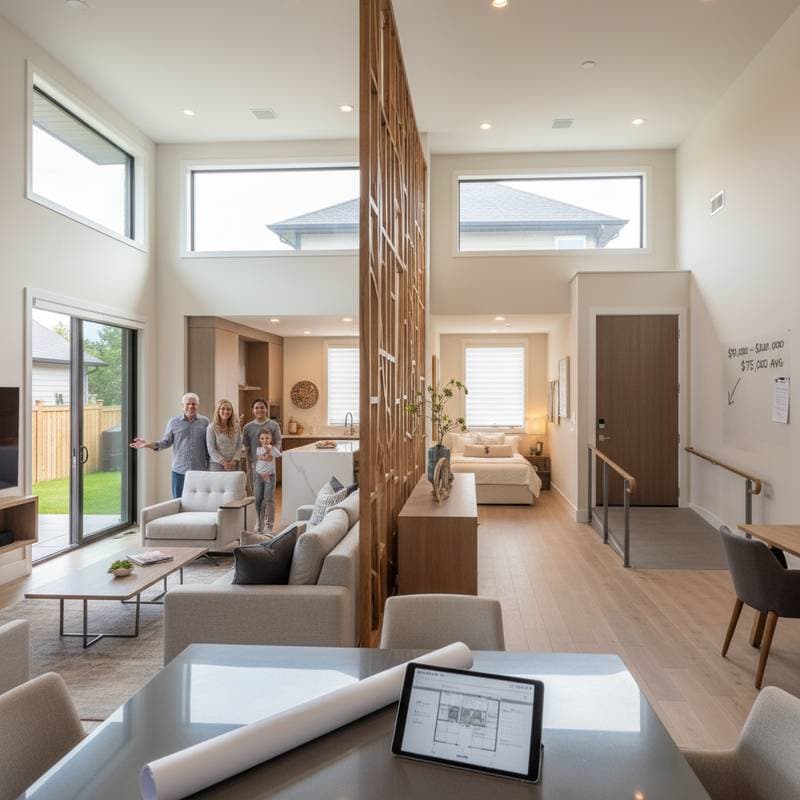
Multi-generational home renovations convert a typical house into a unified space that accommodates aging parents, adult children, and other relatives living together. These projects range from $90,000 to $280,000, and most owners invest about $175,000 for a complete overhaul that adds a separate suite, an accessible bathroom, and modifications to shared kitchen areas.
Three key elements drive the overall expense: the size of the project, the quality of materials selected, and the level of design intricacy involved. Variations in local labor costs and adherence to building codes can alter the total by up to 25 percent. Data from the National Association of Home Builders indicates that well-executed multi-generational designs enhance property value by 7 to 12 percent on average, thanks to expanded usable space and better accessibility features. Such investments deliver financial gains alongside emotional benefits, fostering independence while keeping family members close.
Detailed Cost Breakdown
Pricing for multi-gen renovations varies based on the project's scale and intended uses. Simple partial updates begin around $90,000, whereas comprehensive dual-living setups surpass $280,000 if they involve major structural alterations and new utility installations. The national average stands at $175,000, encompassing labor, planning, permits, and supplies.
Projects in the 25th percentile hover near $120,000 and typically involve converting spaces like basements or garages. Those at the 50th percentile average $175,000 and include full suite additions. At the 75th percentile, costs climb to $240,000, often for standalone accessory dwelling units or luxury finishes.
Size and Scope
Adding 100 square feet generally increases construction expenses by $9,000 to $12,000. For instance, a compact 400-square-foot in-law suite runs $65,000 to $95,000. A 600-square-foot expansion with a kitchenette and complete bathroom falls between $110,000 and $150,000. Expansive two-bedroom suites or separate ADUs frequently top $200,000, influenced by structural demands.
Insights from contractor experiences on platforms like HomeAdvisor highlight these patterns. Developments exceeding 800 square feet usually necessitate enhanced HVAC setups and reinforced foundations, which improve long-term efficiency despite the higher upfront outlay.
Material and Quality Tiers
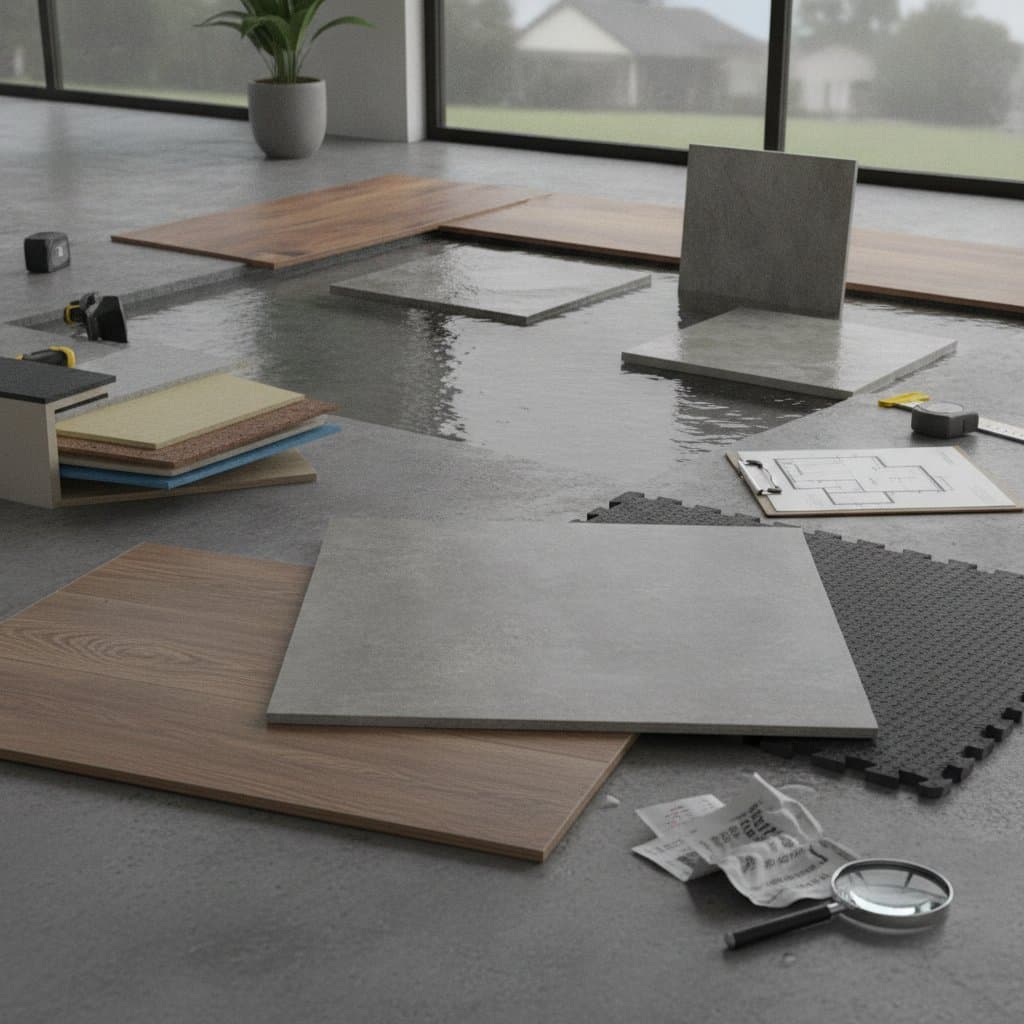
Entry-level options with laminate countertops, vinyl floors, and basic cabinetry total $90,000 to $130,000. These choices deliver essential functionality for seniors or young adults but offer modest impact on future sales.
Mid-range selections, including quartz counters, durable engineered wood floors, and semi-custom cabinets from manufacturers like KraftMaid, elevate prices to $140,000 to $200,000. Such materials enhance longevity and integrate seamlessly with the primary residence.
Premium selections from suppliers like Kohler, Cambria, and Pella drive costs above $240,000, especially with inclusive design features such as seamless-entry showers and automated lighting. These high-end approaches often come with warranties and energy-saving benefits that lower ongoing costs.
Complexity and Accessibility
Incorporating accessibility modifications raises budgets by 5 to 15 percent. Reinforcing structures for wheelchairs or expanding corridors to support aging-in-place guidelines demands extra resources compared to basic reconfiguration.
Properties in areas with rigorous energy or construction regulations, like California or seaside locations, incur additional engineering assessments of $2,000 to $5,000. Pre-existing issues, such as obsolete wiring or limited plumbing, necessitate updates that add $10,000 to $25,000. Contractors emphasize that addressing these elements ensures safety and regulatory approval.
Service Types and Comprehensive Pricing
Standard Multi-Gen Remodel Package
This package covers:
- Construction of one extra bedroom and bathroom
- A connecting entryway or hallway
- Installation of a basic kitchenette or wet bar
- Connections to existing utilities and code revisions
Work spans eight to twelve weeks, with expenses from $120,000 to $180,000. This configuration suits families desiring combined living spaces that preserve individual privacy.
Premium or Comprehensive Package
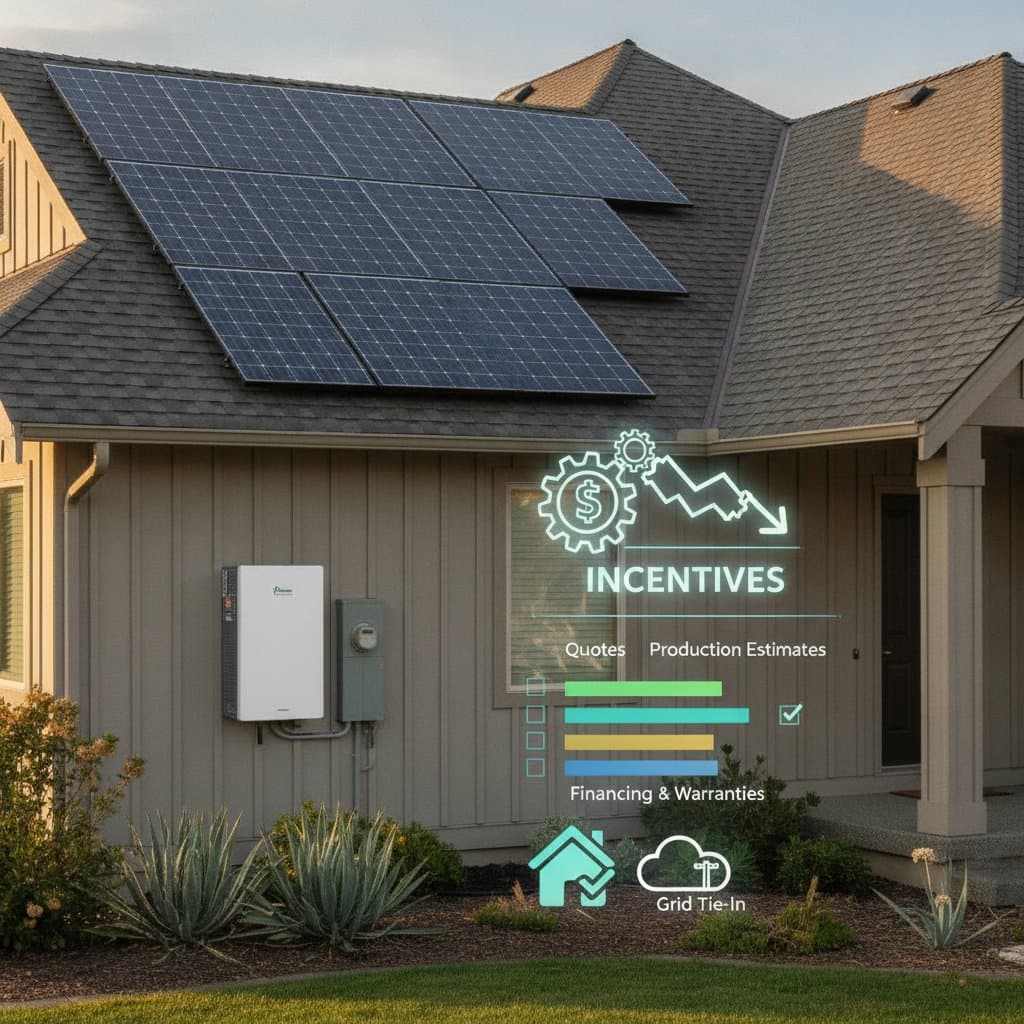
Expansive additions featuring private access, a complete kitchen, laundry facilities, and noise insulation cost $200,000 to $280,000. Integrations like intelligent home automation, solar compatibility, and fully compliant bathrooms justify the premium. Remodeling Magazine's analyses show these can increase home worth by up to 15 percent.
Add-On Services Matrix
| Add-On Feature | Average Cost | Bundle Savings | Benefit |
|---|---|---|---|
| Separate HVAC zone | $6,000 | 5% | Independent temperature control |
| Private entrance with ramp | $4,500 | 7% | Enhanced access and seclusion |
| Kitchenette upgrade | $8,000 | 10% | Greater daily utility |
| Laundry installation | $3,500 | 8% | Added ease for longer visits |
Coordinating several add-ons through one contractor via services like Angi or Thumbtack yields 5 to 10 percent in savings by minimizing administrative overhead.
Professional vs. DIY Analysis
DIY Approach
Owners tackling partial conversions manage surface-level tasks like painting, installing floors, or swapping fixtures. Key material expenses include:
- Vinyl plank flooring at $2.50 per square foot
- Standard cabinets at $175 per linear foot
- Plumbing sets from Delta or Moen ranging $300 to $1,000
Renting tools for framing, tiling, or drywall runs $75 to $200 daily. Although DIY cuts labor fees, net reductions seldom surpass 15 percent after accounting for errors and effort. Partial DIY efforts total $40,000 to $70,000 but forgo professional assurances.
Professional Advantage
Certified professionals offer structural warranties, liability protection, and coordination among specialists in plumbing and electrical work. Their involvement shortens timelines by 30 to 40 percent and guarantees adherence to local zoning and efficiency standards. The added $20,000 to $40,000 for expertise facilitates faster permits and bolsters market appeal. Only professional execution secures official approvals and proper valuation.
Actionable Cost-Saving Strategies
Plan renovations for slower seasons to reduce labor by up to 10 percent, as crews fill schedules with midweek incentives.
Solicit bids from at least three providers; comparisons via HomeAdvisor or Houzz yield 8 to 12 percent discounts. Opt for phased payments to negotiate further reductions.
Handle preliminary tasks like demolition or site clearing personally to save $2,000 to $5,000. Maintain open dialogue with your team to avoid revisions that inflate costs by 10 percent.
Market Dynamics and Considerations
In high-cost cities such as San Francisco or New York, labor premiums reach 25 to 30 percent due to elevated living expenses. Rural or suburban settings may incur transport charges for materials, yet totals remain more affordable overall.
Supply chain steadiness influences rates; lumber and sheetrock prices have evened out, but qualified workers stay in demand. Reserving slots early in the year locks in reliable schedules and steady pricing.
Strategies to Maximize Renovation Returns
Focus on versatile designs that adapt to evolving family needs, ensuring the space supports both current residents and future sales. Prioritize energy-efficient systems to qualify for incentives and cut utility bills over time. Consult local real estate trends to align upgrades with buyer preferences, securing the highest possible return on your investment.