2026 Costs: Multi-Generational Home Renovations Breakdown
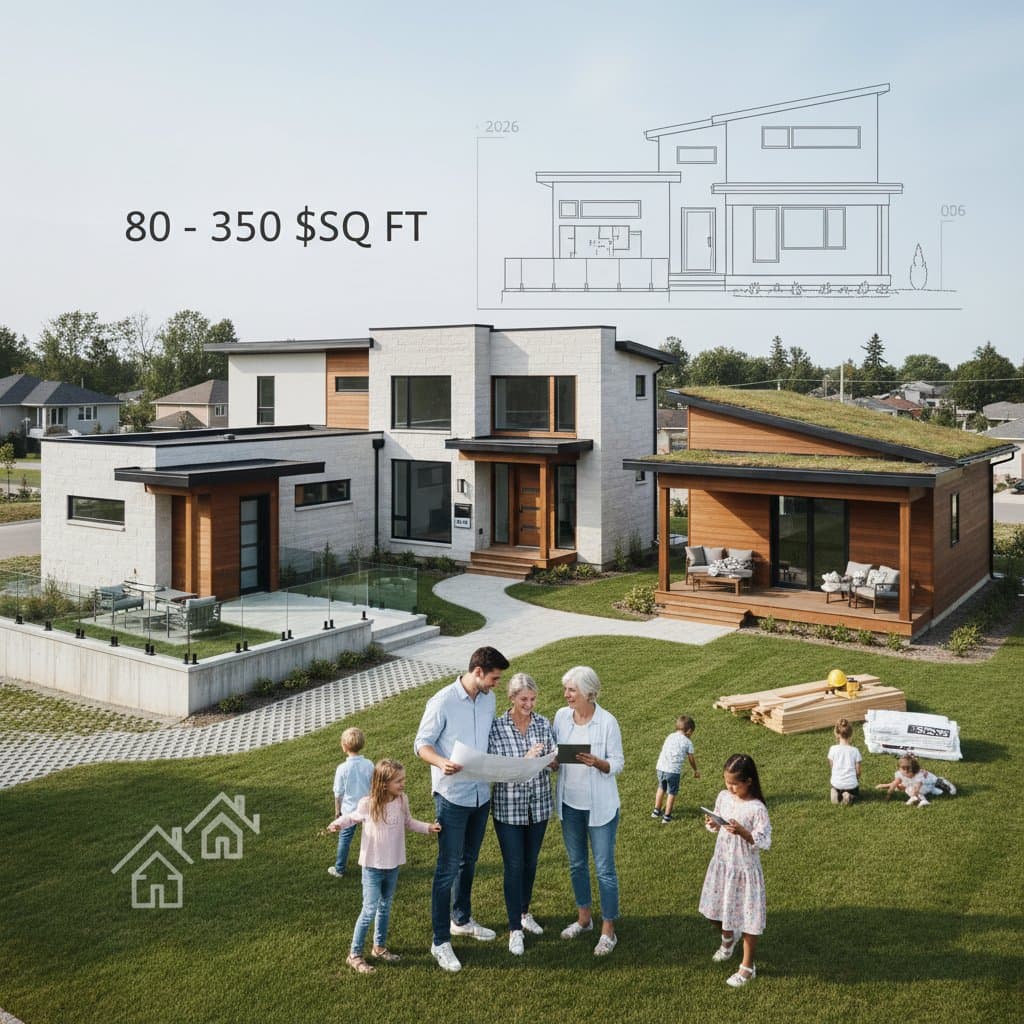
Multi-generational home renovations enable families to live together while maintaining personal space. These projects range widely in cost based on location, materials, and complexity. In 2026, expect averages of $80 to $350 per square foot, influenced by labor rates and design choices.
Quick Overview
- Renovations average $80 to $350 per square foot, varying by project scope, layout, and material quality.
- Adding an accessory dwelling unit (ADU) or in-law suite enhances resale value but involves zoning approvals and utility expansions.
- Total expenses typically fall between $25,000 and $300,000 or more, depending on square footage, finishes, and regional labor costs.
Key drivers include structural changes, such as opening walls or extending foundations, and high-end features like custom cabinetry or smart home integrations. Local factors, including permit fees and supply chain dynamics, also play a role. Planning early helps control these variables.
Benefits and Challenges
Multi-generational living fosters family bonds and financial efficiency. However, it demands thoughtful design to address potential drawbacks.
Benefits
- Reduces long-term housing expenses by consolidating living arrangements.
- Promotes family closeness with options for individual privacy.
- Boosts property value, appealing to diverse buyers in the resale market.
- Enhances accessibility features, supporting aging family members over time.
Challenges
- Involves substantial initial investments and extended permitting timelines.
- May require zoning evaluations for occupancy limits or property setbacks.
- Increases utility consumption and strain on shared infrastructure.
- Poses privacy concerns without adequate soundproofing or dedicated entrances.
Balancing these elements through professional consultation ensures a harmonious outcome. Families often find the investment worthwhile for emotional and economic gains.
Alternatives to Full-Scale Renovations
Not every home suits a complete overhaul. Consider these targeted options based on property constraints and family needs.
Basement Suite Conversion
Suitable for properties with finished or unfinished basements of full height. This approach keeps generations connected yet distinct. Essential elements include egress windows for safety and soundproofing materials to minimize noise transfer.
Garage Transformation
Ideal for compact lots where space is premium. Conversion occurs relatively quickly but eliminates parking spots. It serves well for young adults or temporary stays, with provisions for heating and ventilation.
Detached Accessory Dwelling Unit (ADU)
Best when maximum independence is priority. Upfront costs are higher due to site preparation and separate utilities. Benefits include strong resale appeal and opportunities for rental income.
Each alternative aligns with different budgets and lifestyles. Evaluate site specifics, such as soil conditions or sunlight access, to select the optimal path.
Step-by-Step Planning and Execution
Successful renovations follow a structured process. This guide outlines phases from assessment to completion, emphasizing practical considerations.
Essential Tools and Materials
- Measuring tape, stud finder, power drill, and spirit level for precise work.
- Architectural plans or 3D modeling software for visualization.
- Framing lumber, drywall panels, insulation batts, and electrical conduit.
- Plumbing pipes, flooring materials, and lighting fixtures.
Projects span 3 to 9 months, with difficulty rated moderate to high based on structural involvement.
- Evaluate Current Layout. Measure rooms accurately and identify load-bearing walls, existing plumbing, and entry points.
- Design Functional Zones. Divide spaces for sleeping, cooking, and gathering. Allocate at least one private bathroom per generation.
- Secure Permits Early. Consult the local building department prior to any design finalization or demolition. Separate approvals often apply to ADUs or additional kitchens.
- Incorporate Privacy Features. Install acoustic insulation in common walls. Opt for solid-core doors and independent exterior access where feasible.
- Enhance Infrastructure. Upgrade electrical panels, extend plumbing lines, and implement zoned HVAC to accommodate increased demand.
- Construct or Adapt Spaces. Erect new walls, install utilities, apply drywall, and fit fixtures systematically.
- Conduct Inspections. Arrange checks for framing integrity, electrical safety, plumbing functionality, and final habitability.
- Complete Finishing Touches. Apply paint, lay flooring, and select furnishings that prioritize comfort and ease of use.
- Verify Systems. Test water flow, electrical loads, and air circulation before occupancy.
- Manage Cleanup. Haul debris to designated facilities and organize all project records for future reference.
Expert Advice: Integrate at least one fully accessible bathroom and entry from the outset. Such foresight provides enduring adaptability and prevents costly retrofits.
DIY Approaches Versus Professional Services
Determine involvement level by assessing skills and project scale. Some tasks suit homeowners, while others necessitate experts.
Suitable for DIY with Experience
- Fundamental carpentry, such as installing drywall or basic framing.
- Simple electrical additions, like outlet wiring, under supervised permits.
- Minor plumbing tasks, including sink or shower connections.
Require Professional Expertise
- Removing load-bearing walls or modifying foundations.
- Expanding electrical service or replacing breaker panels.
- Configuring HVAC zones, installing gas lines, or connecting to sewers.
- Implementing code-compliant accessibility adaptations.
Professionals excel in orchestrating multiple trades, navigating regulations, and providing insurance coverage. They also optimize utility separations to support resale or leasing potential. Engaging a licensed contractor streamlines the process and mitigates risks.
Preparation Checklist
Organize your project with this comprehensive list to stay on track.
- Measure existing areas and identify potential expansion opportunities.
- Review local zoning regulations regarding ADUs and secondary kitchens.
- Establish a budget that incorporates a 10 percent contingency for unforeseen adjustments.
- Determine shared versus independent systems for utilities and appliances.
- Incorporate accessibility enhancements from the planning stage.
- Obtain bids from at least three qualified contractors.
- Calendar inspections for every major phase.
- Retain all permits, blueprints, and documentation for property transactions.
Compliance and Safety Essentials
Adhering to codes safeguards health and avoids penalties. Focus on these standards throughout construction.
- Ensure living spaces maintain a minimum ceiling height of 7 feet.
- Equip each sleeping area with an egress window or exterior door.
- Install ground-fault circuit interrupter (GFCI) outlets in wet zones like kitchens and bathrooms.
- Place interconnected smoke detectors and carbon monoxide alarms strategically.
- Observe required setbacks between buildings as dictated by municipal rules.
Regular compliance checks during builds prevent rework and ensure inspector approval.
Sustainability and Efficiency Considerations
Incorporate eco-friendly practices to enhance longevity and reduce operating costs.
- Select low-flow faucets and toilets to conserve water resources.
- Integrate energy-efficient HVAC units with individual zone controls.
- Apply spray foam or rigid board insulation to partition walls.
- Equip with LED bulbs and weather-tight windows for optimal efficiency.
- Direct debris to recycling facilities or approved disposal sites.
These measures improve indoor air quality, elevate comfort levels, and yield substantial savings on utilities over time.
Realizing Your Vision for Shared Living
Embarking on a multi-generational renovation transforms a house into a supportive family hub. By addressing costs, designs, and regulations thoughtfully, you create spaces that nurture relationships and adapt to evolving needs. The result is a valuable asset that serves generations with practicality and warmth.