Understanding Greywater Systems and 2026 Installation Costs
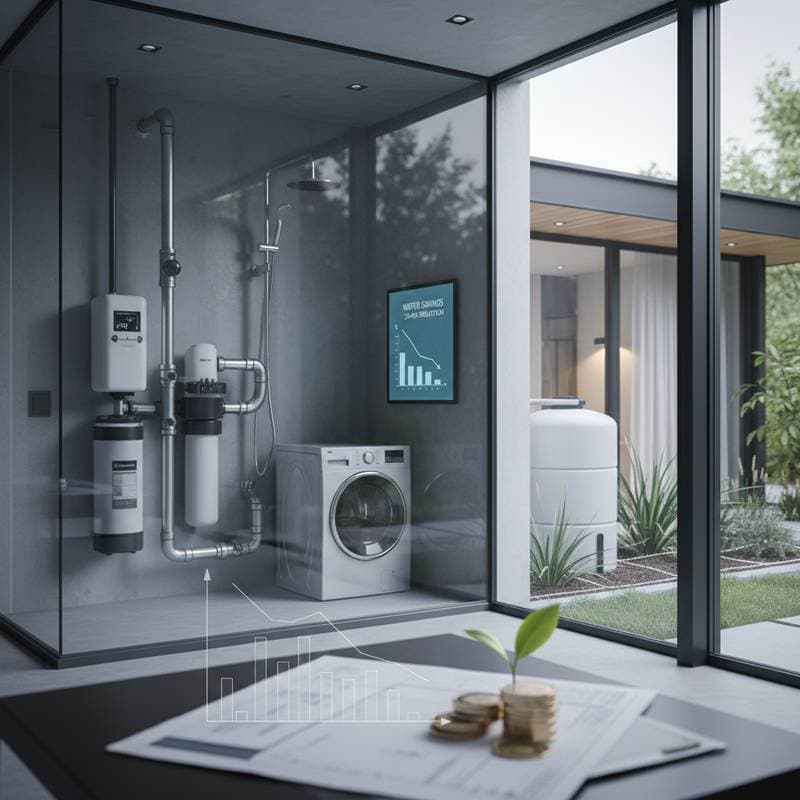
Greywater systems capture and repurpose mildly used household water from sources such as laundry machines, showers, and sinks for irrigation or other non-potable applications. These setups address rising water costs and conservation needs, particularly as projections indicate average household water bills will increase by 15 percent in 2026 due to climate pressures and infrastructure demands. Homeowners who install these systems often achieve reductions in water expenses ranging from 25 to 40 percent, depending on usage patterns and local rates.
Installation costs vary based on system complexity and regional factors. A simple laundry-to-landscape diversion, which redirects washer outflow directly to garden beds, typically ranges from $500 to $1,500 in materials and labor. More advanced configurations, including full-house collection with filtration and pumps for subsurface irrigation, can cost between $5,000 and $15,000. These figures account for 2026 material price adjustments, such as a 10 percent rise in plumbing components due to supply chain stabilization. Factors like property size, soil type, and integration with existing plumbing influence the final price, but strategic planning minimizes expenses.
Before committing, evaluate your home's water consumption. Households with high outdoor irrigation needs, such as those maintaining lawns or gardens in arid climates, benefit most. Tools like online water usage calculators help estimate annual savings; for instance, a family of four might conserve 20,000 gallons yearly, translating to $300 to $600 in bill reductions at typical urban rates.
Advantages, Drawbacks, and Ideal Applications
Greywater systems offer several compelling benefits that extend beyond immediate financial gains. They reduce outdoor water consumption by up to 50 percent by reusing water that would otherwise enter sewer systems. This approach eases the burden on septic tanks or municipal sewers, potentially extending their lifespan and lowering long-term repair costs. Many municipalities provide rebates covering 20 to 50 percent of installation expenses, while drought-prone areas grant additional incentives for water-wise technologies. Furthermore, these systems build household resilience against water shortages or restrictions, ensuring landscapes remain viable without tapping potable supplies.
Despite these upsides, challenges exist. Systems require regular servicing of filters and diverter valves, typically two to four times annually, to prevent clogs from soap residue or debris. Retrofitting older homes may involve invasive work, such as opening walls or floors to reroute pipes, which adds $1,000 to $3,000 to the budget. Regulatory hurdles also apply; while shower and sink water diversion is widely permitted for irrigation, reusing greywater for toilet flushing demands advanced treatment and approval in most jurisdictions.
These systems suit properties with straightforward plumbing access. Single-story homes or those with crawl spaces facilitate easier installation. Homes featuring separate drain lines for laundry and bathrooms represent prime candidates, as they avoid complex rerouting. In contrast, multi-story structures on slab foundations pose greater difficulties, often requiring professional excavation and increasing costs by 30 to 50 percent.
Detailed Installation Process
Proper installation ensures system longevity and compliance. Begin by shutting off the main water supply and equipping yourself with protective gear, including gloves, safety goggles, and a respirator, especially during pipe cutting or material handling.
-
Design the system configuration. Map out greywater sources, such as the washing machine outlet or shower drain, and designate reuse areas like garden beds or a storage tank. Consider flow rates; a standard washer produces 15 to 30 gallons per load.
-
Verify local regulations and secure permits. Contact your building department, as nearly all areas mandate a plumbing permit and final inspection. Some regions classify simple diversions as exempt, but documentation remains essential.
-
Position diverter valves. Install these three-way valves adjacent to the source drain, allowing manual or automatic switching between sewer discharge and greywater reuse. Opt for corrosion-resistant models rated for household pressures.
-
Lay the discharge piping. Extend pipes from the valve to irrigation zones or a holding tank, ensuring a consistent 2 percent downward slope to promote gravity-fed flow. Use schedule 40 PVC pipe, buried at least 6 inches below grade to protect against damage.
-
Incorporate filtration components. For applications involving edible plants or toilet reuse, add primary filters to remove lint and solids, followed by secondary treatment like sand or bio-filters for pathogen reduction. Basic subsurface irrigation often requires only a simple screen filter.
-
Conduct thorough testing. Run multiple cycles to check for leaks, verify flow rates, and confirm diverter functionality before concealing any openings. Pressure-test lines at 50 psi to simulate real conditions.
-
Label all elements. Affix durable tags to valves, filters, and access points, noting maintenance schedules and shutoff procedures for future reference.
A basic do-it-yourself laundry diversion project requires 4 to 8 hours, assuming basic plumbing skills. Professional full-system installations span 2 to 5 days, incorporating design consultations, material sourcing, and regulatory inspections.
Common Pitfalls and Prevention Strategies
Avoiding errors preserves system efficiency and avoids costly fixes. Do not integrate kitchen sink drains, as oils, grease, and food particles rapidly foul filters and promote bacterial growth. Reserve greywater for ornamental plants or subsurface lawn irrigation; surface application on vegetables risks contamination unless drip lines maintain soil-level delivery.
Neglecting filtration leads to frequent blockages from hair, lint, or sediment, potentially halting flow and damaging pumps. In colder climates, failure to winterize exposes lines and tanks to freeze damage; drain all components and add insulation or heat tape before the first frost, typically by mid-November in temperate zones.
Overlooking soil percolation tests can result in waterlogging; perform a simple dig-and-soak assessment to ensure greywater absorbs without pooling. Finally, select plants tolerant of mild soaps, such as native shrubs or drought-resistant grasses, to maximize benefits without stressing vegetation.
Guidelines for Choosing Professional Installation or DIY
Assess your skills and project scope to decide between self-installation and hiring experts. Pursue a DIY approach if the task limits to a single laundry line diversion, plumbing remains exposed or easily accessible, and local codes permit unpermitted simple systems.
Engage a licensed professional for more intricate setups, such as integrating multiple fixtures like showers and sinks, or incorporating pumps and storage tanks for elevated landscapes. Mandatory requirements for engineered plans or inspections in your area also necessitate expert involvement to ensure compliance and warranty eligibility.
Professionals bring specialized tools, such as pipe locators and leak detectors, reducing risks. Expect to pay $75 to $150 per hour for labor, but their efficiency often offsets costs through fewer errors and faster permitting.
Exploring Rebates and Maximizing Savings
Financial incentives make greywater adoption more accessible in 2026. Utility companies in water-stressed regions, such as the southwestern United States, offer rebates up to $2,000 for certified installations, often requiring proof of water savings via pre- and post-meter readings. Federal programs through the Environmental Protection Agency provide grants for low-income households, covering up to 75 percent of costs for systems that meet efficiency standards.
State-level initiatives vary; for example, coastal areas emphasize rebate stacking with solar or rainwater harvesting projects for compounded discounts. To qualify, submit applications pre-installation, including system blueprints and contractor bids. Processing times average 4 to 6 weeks, so factor this into timelines.
Savings extend beyond rebates. Annual maintenance costs $100 to $300, far outweighed by bill reductions. Track usage with sub-meters to quantify impacts; many systems achieve payback in 3 to 7 years, accelerating with rising water rates projected at 5 percent annually through 2030.
Implementing Your Greywater Project
Take these steps to launch your installation confidently. First, research rebate programs through your utility provider or state environmental agency to confirm eligibility and application details. Obtain quotes from at least three certified contractors, requesting itemized breakdowns for materials, labor, and contingencies.
Allocate funds for upfront costs plus ongoing upkeep, aiming for a buffer of 20 percent to cover surprises like soil amendments. Arrange for inspections at key stages, such as rough plumbing and final activation, to prevent compliance issues. Once operational, monitor monthly water bills and system performance to validate savings and refine usage.
By integrating a greywater system, you not only lower expenses but also contribute to sustainable water management, securing long-term benefits for your home and community.