Understanding Greywater Systems and Their Costs in 2026
Homeowners seeking to lower water expenses and embrace sustainable practices frequently consider greywater systems. These setups collect water from sources like showers, sinks, and washing machines for reuse in tasks such as garden irrigation or toilet flushing. Although the ecological advantages stand out, a thorough examination of expenses proves essential before proceeding with installation.
Greywater systems handle water that lacks heavy contaminants from sewage. The process involves filtration, occasional disinfection, and redirection to suitable applications. Options range from basic gravity-fed designs to advanced automated units that link directly to landscaping or plumbing networks.
Key Components of a Greywater Installation
Effective greywater systems incorporate several elements to ensure safe and efficient operation. Plumbing modifications route water from fixtures to a central collection point. Filtration components remove debris and sediments, while pumps and storage tanks manage distribution.
Advanced models include sensors for real-time monitoring of water quality and volume. These features enhance performance but increase upfront expenses. Property size and water usage patterns influence the scale of components needed.
Detailed Cost Breakdown for 2026 Installations
Expenses for greywater systems fluctuate according to design intricacy, site conditions, and local codes. Budgeting requires accounting for each phase of the project. The following categories outline typical ranges based on current market data.
- Design and Consultation Fees: Professionals conduct site evaluations, calculate water volumes, and review regulatory compliance. Expect charges from $300 to $800 for this initial step.
- Equipment and Materials: Essential items include tanks, filters, pipes, and valves. Prices span $1,500 to $4,000, scaling with system capacity and technological integrations.
- Labor and Installation Charges: Licensed plumbers handle connections and testing. This labor typically costs $1,000 to $3,500, depending on the extent of retrofitting required.
- Permitting and Inspection Fees: Authorities impose fees for plan reviews, testing, and approvals. These range from $200 to $1,000, varying by jurisdiction.
- Ongoing Maintenance Expenses: Regular servicing of filters and pumps runs $100 to $300 annually. Factors like water hardness and usage intensity affect these costs.
A complete residential setup often totals $3,000 to $8,000. Additional elements, such as soil amendments for irrigation or digital controls, can elevate the figure. Homeowners benefit from obtaining multiple quotes to identify cost-effective options.
Navigating Permits and Regulations
Regulatory oversight ensures greywater systems safeguard health and the environment. Most areas mandate permits prior to any work. Submit comprehensive documentation, including plumbing schematics, filtration specifications, and site diagrams.
Approvals hinge on factors like soil percolation rates, terrain slopes, and distances from wells or structures. Many locales limit applications to below-ground irrigation to minimize exposure risks. Engage local building departments early to clarify requirements.
Inspections confirm adherence to standards, often involving water sampling for clarity and microbial content. Non-compliance risks penalties, including fines up to several thousand dollars or mandatory dismantling. Proactive planning streamlines the process and avoids delays.
Calculating Financial Returns and Incentives
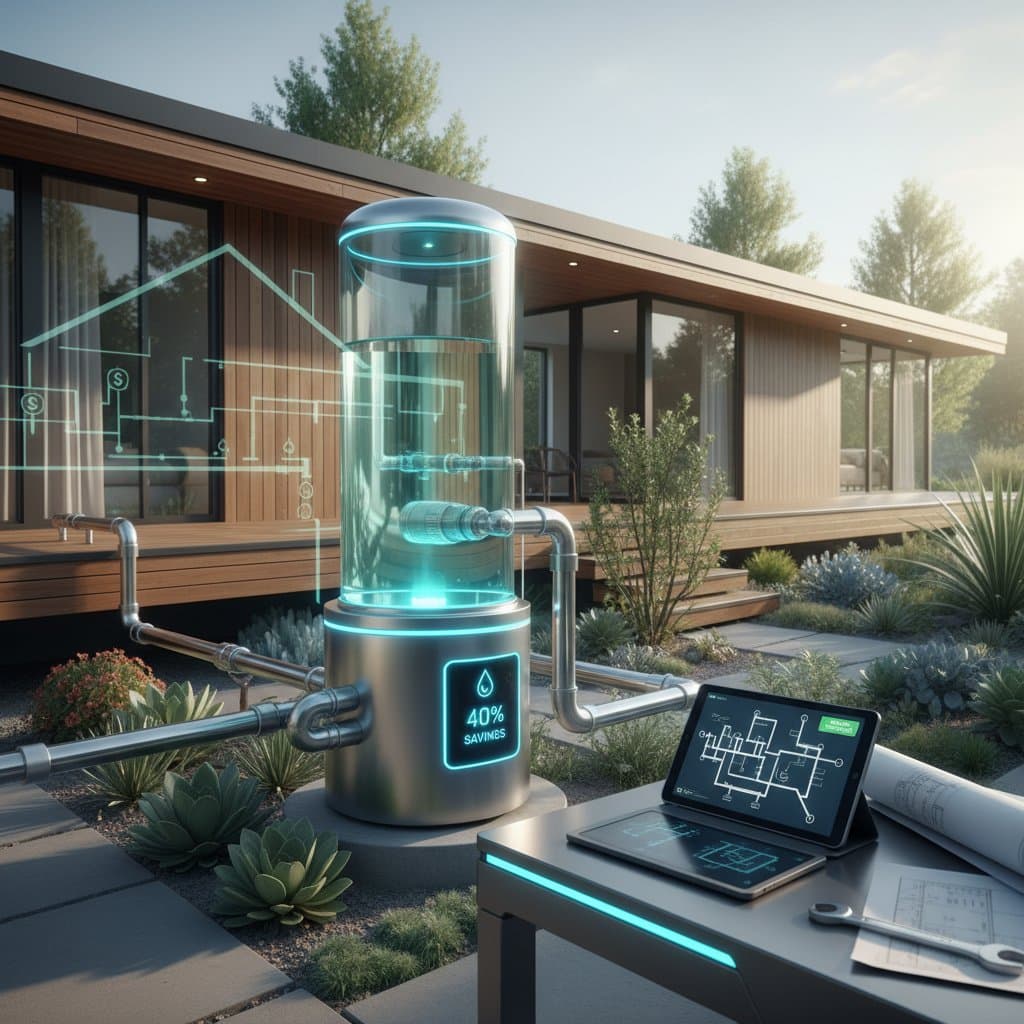
Greywater systems deliver value through substantial water bill reductions. Households can conserve 20 to 40 percent of usage, translating to hundreds of dollars saved yearly in high-cost regions. Payback periods vary from three to seven years, influenced by initial outlays and local rates.
Consider incentives that lower barriers to entry. Certain municipalities provide rebates covering up to 50 percent of installation costs or expedited permitting for eco-friendly projects. Tax deductions for energy-efficient home improvements may also apply.
The table below compares basic and advanced systems to aid decision-making:
| System Type | Upfront Cost Range | Annual Maintenance | Daily Capacity | Notable Limitations |
|---|---|---|---|---|
| Basic | $3,000 to $4,500 | $100 to $300 | Up to 500 gallons | Lacks advanced filtration for laundry water |
| Advanced | $5,000 to $8,000 | $250 to $400 | Up to 1,000 gallons | Requires compatible, low-sudsing detergents |
Verify eligibility for local programs through utility providers or environmental agencies. These supports accelerate financial recovery and amplify sustainability impacts.
Maintenance Strategies for Optimal Performance
Sustained efficiency demands routine care. Schedule filter cleanings every three months and full system inspections biannually. Monitor for signs of blockages, such as reduced flow or unusual odors, and address them promptly.
Use approved cleaners to prevent damage from chemicals. Pair the system with water-efficient appliances for compounded benefits. Professional servicing ensures longevity, often extending equipment life beyond a decade.
Weighing Greywater Against Alternatives
Traditional watering methods, like municipal supply for lawns, incur ongoing fees that greywater offsets. During shortages, these systems provide independence from restrictions. Integration with rainwater harvesting further diversifies water sources.
Assess total ownership costs, including potential repairs. Reliable systems minimize surprises, offering predictable savings. Consult certified experts to tailor solutions to specific needs.
Securing Reliable Installation and Support
Choose contractors with verified plumbing licenses and greywater expertise. Review portfolios of completed projects and solicit client feedback. Clear contracts should detail timelines, warranties, and post-installation support.
Examine terms for exclusions, such as misuse-related issues. Establish a maintenance log to track servicing and preserve warranty validity. These steps protect the investment and ensure seamless operation.
Realizing Sustainable Savings Through Greywater
Greywater adoption aligns fiscal prudence with environmental stewardship. Detailed cost awareness, regulatory navigation, and diligent upkeep unlock enduring benefits. Homeowners gain reduced utility burdens, resilient water management, and a greener footprint, justifying the commitment to this innovative approach.