Designing Future-Proof Layouts for Multigenerational Homes
Multigenerational homes represent a growing trend in modern housing, where multiple generations share a single living space. These designs accommodate parents, adult children, grandchildren, and even extended family members, fostering close relationships while respecting individual privacy. As families evolve and demographics shift, creating a layout that adapts over time becomes essential for long-term comfort and functionality.
The appeal of such homes lies in their ability to support independence alongside connection. Families choose this arrangement to provide care for aging relatives, reduce housing costs, or simply maintain strong bonds. However, success depends on thoughtful planning that anticipates changes in mobility, health, and family dynamics. By prioritizing flexibility from the outset, homeowners can avoid expensive renovations later.
Assessing Current and Future Family Needs
Begin the design process with a thorough evaluation of your family's requirements. Consider the ages, health conditions, and lifestyles of all residents. For instance, young children may need play areas near main living spaces, while elderly members require easy access to bathrooms and bedrooms without steep stairs.
Project future scenarios as well. Will a family member develop mobility issues in the next decade? Do grown children plan to return with their own families? Document these insights in a family meeting to ensure everyone contributes. This step prevents oversights and aligns the home with real-life progression.
Consult with family members individually to uncover preferences. One generation might value communal kitchens for shared meals, while another seeks quiet retreats for work or rest. Balancing these inputs creates a harmonious foundation for the layout.
Core Principles of Flexible Design
Flexibility forms the cornerstone of a future-proof multigenerational home. Incorporate spaces that serve multiple purposes, such as a home office that converts to a guest room. Use movable partitions or sliding doors to redefine areas as needs change, allowing a playroom to become a hobby space or nursery.
Privacy ranks equally high. Design separate wings or suites with private entrances to give each generation autonomy. Soundproofing in shared walls minimizes disturbances, ensuring restful nights despite lively daytime activities.
Accessibility ensures safety and ease for all ages. Install wide doorways, lever handles, and non-slip flooring from the start. Even if ramps or grab bars remain unused initially, their inclusion simplifies future adaptations without structural alterations.
Practical Layout Configurations
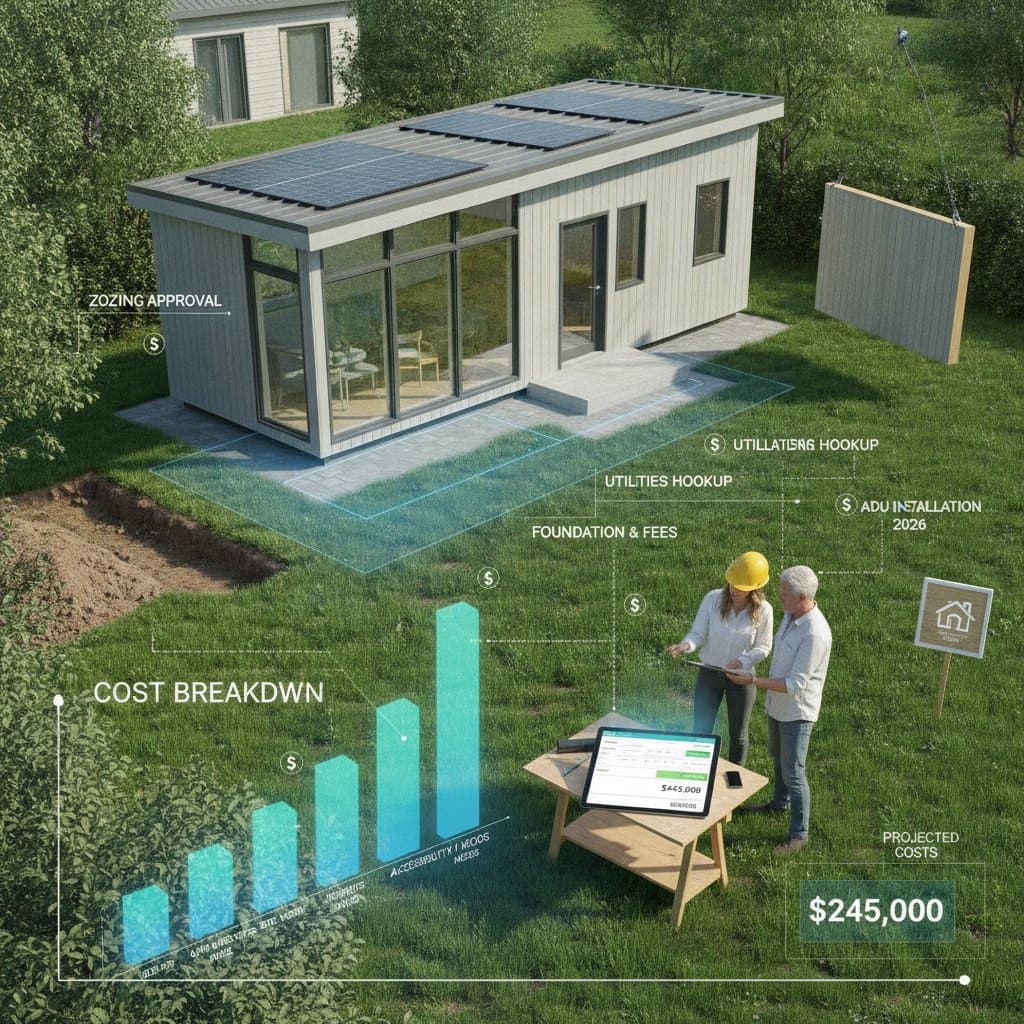
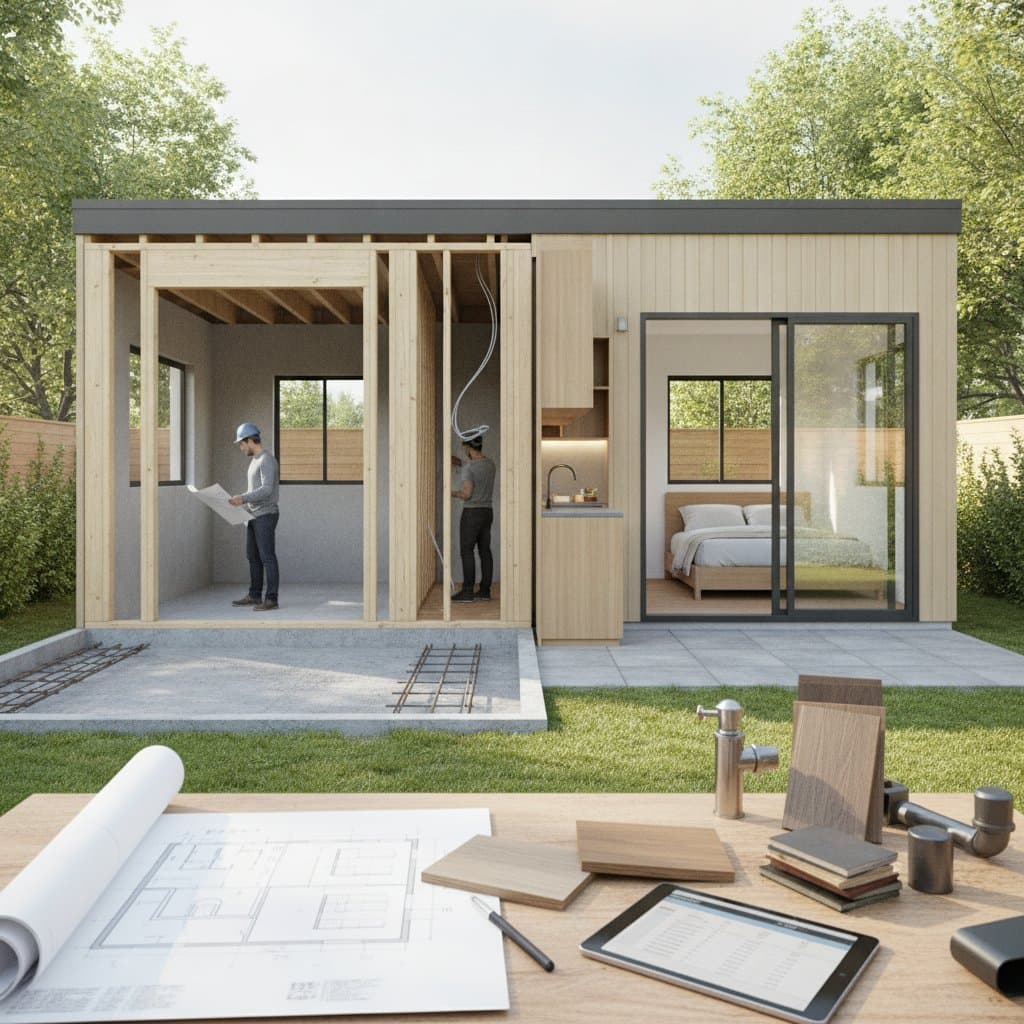
Explore configurations that suit various lot sizes and budgets. A popular option involves a main house with an attached accessory dwelling unit (ADU), providing a self-contained space for one generation. This setup includes its own kitchenette, bathroom, and entry, connected via a covered walkway for easy interaction.
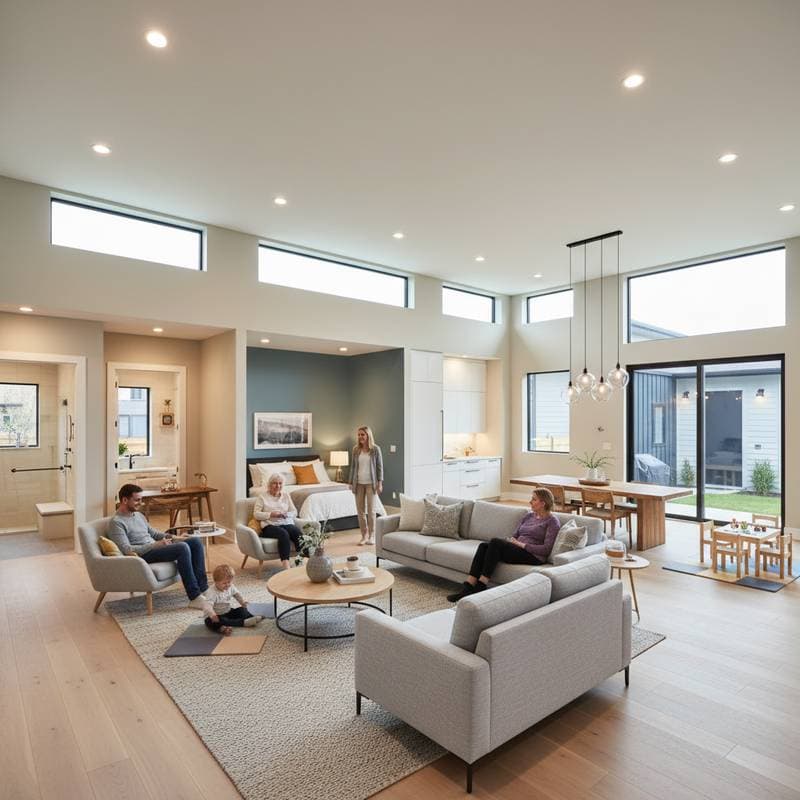
For larger properties, consider a U-shaped layout with a central communal area flanked by private pods. The communal hub might feature an open-plan kitchen and living room for family gatherings, while pods offer bedrooms with en-suite facilities. This arrangement promotes togetherness without intrusion.
In urban settings with limited space, vertical designs work well. Ground-floor master suites cater to those preferring single-level living, with upper levels for younger, more mobile residents. Elevators or stairlifts can integrate seamlessly, future-proofing against mobility declines.
- Entry Points: Provide multiple access doors to reduce congestion and enhance independence.
- Kitchen Zones: Divide into prep, cooking, and dining areas to accommodate simultaneous use by different groups.
- Bathroom Distribution: Aim for at least one full bath per two bedrooms, with universal design elements like walk-in showers.
Integrating Accessibility Features
Universal design principles make homes inclusive without sacrificing aesthetics. Opt for zero-threshold entries and adjustable-height counters that serve wheelchair users and standing cooks alike. Lighting should include motion sensors in hallways to prevent falls during nighttime wanderings.
Plan for technology integration early. Smart home systems can control lighting, temperature, and security from any room, benefiting tech-savvy youth and those with limited mobility. Voice-activated controls add convenience for all.
Anticipate health-related needs by including space for medical equipment storage. Wide corridors, at least 36 inches, allow for safe passage of walkers or hospital beds. These features not only support aging in place but also enhance daily life for everyone.
Budgeting and Cost Management
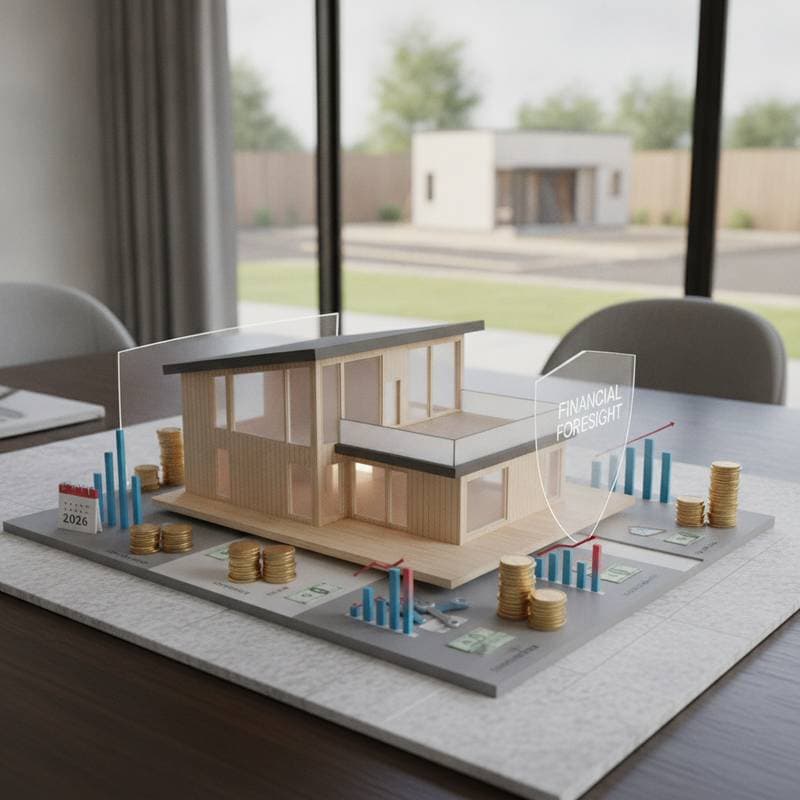
Building or renovating for multigenerational living involves upfront investment, but strategic choices yield savings over time. Allocate funds across structure, accessibility, and flexible elements. For example, investing in durable, low-maintenance materials like vinyl plank flooring reduces long-term expenses.
Compare costs of new construction versus additions to existing homes. An ADU might range from $100,000 to $200,000 depending on size and location, while reconfiguring interiors could cost less. Seek energy-efficient options, such as solar panels or insulation upgrades, to lower utility bills in a larger household.
Factor in ongoing expenses like utilities and maintenance. Shared resources, such as a single HVAC system with zoned controls, optimize efficiency. Consult financial advisors to explore grants for aging-in-place modifications, which can offset costs.
Complying with Local Building Codes
Local regulations shape every aspect of the design. Research zoning laws that permit ADUs or multi-family dwellings in your area. Some municipalities require minimum square footage per occupant or setbacks for separate entries.
Engage architects and builders familiar with accessibility codes, such as the Americans with Disabilities Act (ADA) guidelines. Permits ensure compliance, avoiding fines or forced changes. Early involvement of professionals streamlines the process and uncovers incentives like tax credits for green building.
Stay informed on evolving standards. By 2026, many regions will mandate more inclusive features in new homes, making proactive planning advantageous. Document all approvals to maintain records for future sales or insurance.
Maintenance Strategies for Longevity
Routine upkeep preserves the home's adaptability. Schedule annual inspections for structural integrity, especially in flexible areas like movable walls. Clean and test accessibility features, such as automatic doors, to ensure reliability.
Educate all residents on simple tasks, like filter changes for air systems, to distribute responsibilities. Invest in quality appliances designed for heavy use, extending their lifespan in a bustling household.
Plan for periodic updates every five to ten years. Refresh paint, update fixtures, or reconfigure spaces based on shifting needs. This approach keeps the home vibrant and functional across generations.
Sustaining Family Harmony Through Design
A well-designed multigenerational home strengthens bonds by addressing practical and emotional needs. It allows space for shared traditions, like holiday meals in the communal kitchen, while offering retreats for personal time. Over decades, this balance cultivates independence and support, creating a legacy of comfort.
Families who invest in future-proof layouts report higher satisfaction and lower stress. The home becomes a resilient foundation, adapting to life's stages without disruption. Embrace this approach to build not just a house, but a enduring family haven.