Understanding Granny Pods in 2026: Costs and Zoning Essentials
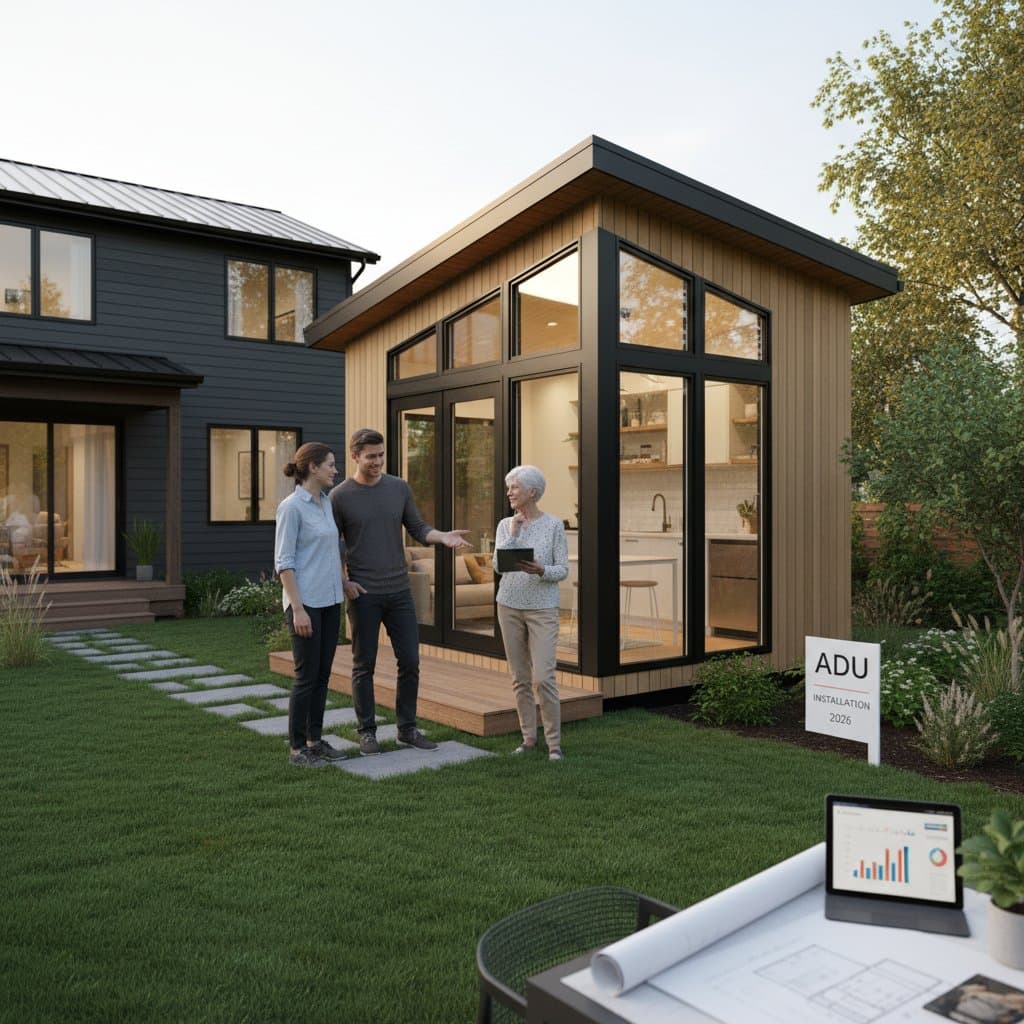
Granny pods, also known as accessory dwelling units or backyard cottages, have evolved into a viable option for multigenerational households. These compact structures allow aging family members to maintain autonomy while remaining near loved ones. Families considering this addition must assess financial commitments, regulatory requirements, and ongoing responsibilities to ensure a successful implementation.
Homeowners benefit from granny pods by addressing the rising demand for affordable senior housing without the expense of separate properties. The structures typically range from 300 to 800 square feet, accommodating essential daily needs. Proper evaluation prevents unexpected challenges during the project lifecycle.
What Constitutes a Granny Pod and Its Build Options
A granny pod functions as a complete residential unit with sleeping quarters, a full bathroom, a compact kitchen, and features promoting accessibility, such as wider doorways and non-slip flooring. Prefabricated models arrive nearly complete, requiring only utility connections for operation. These units install in weeks and suit budgets focused on efficiency.
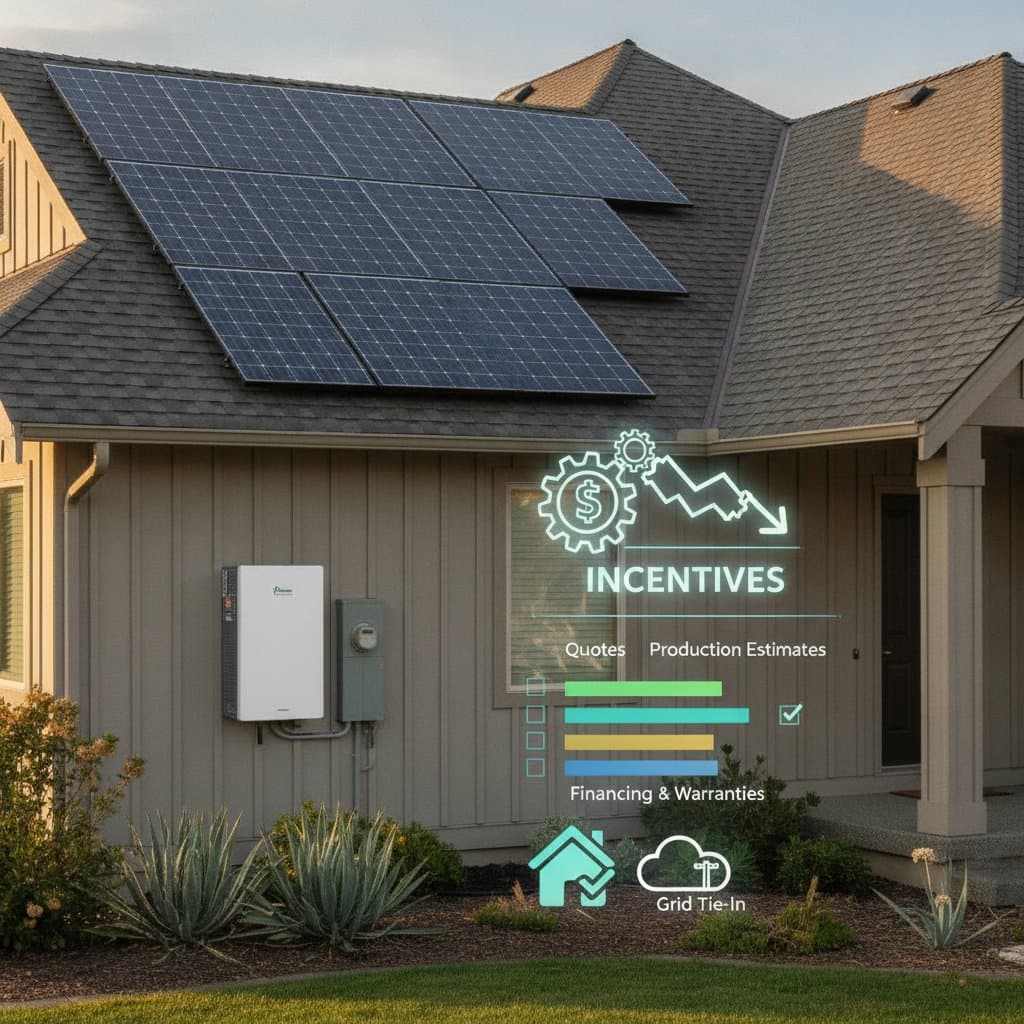
Site-built granny pods offer greater customization, incorporating specific materials like energy-efficient insulation or solar panels. Construction demands detailed blueprints and adherence to building codes from the outset. Each approach influences timelines, expenses, and regulatory approvals, so families select based on property constraints and design preferences.
Professionals recommend consulting certified architects early to align the pod with the primary home's aesthetic and functional needs. This step ensures seamless integration and avoids costly modifications later.
Breaking Down Granny Pod Expenses
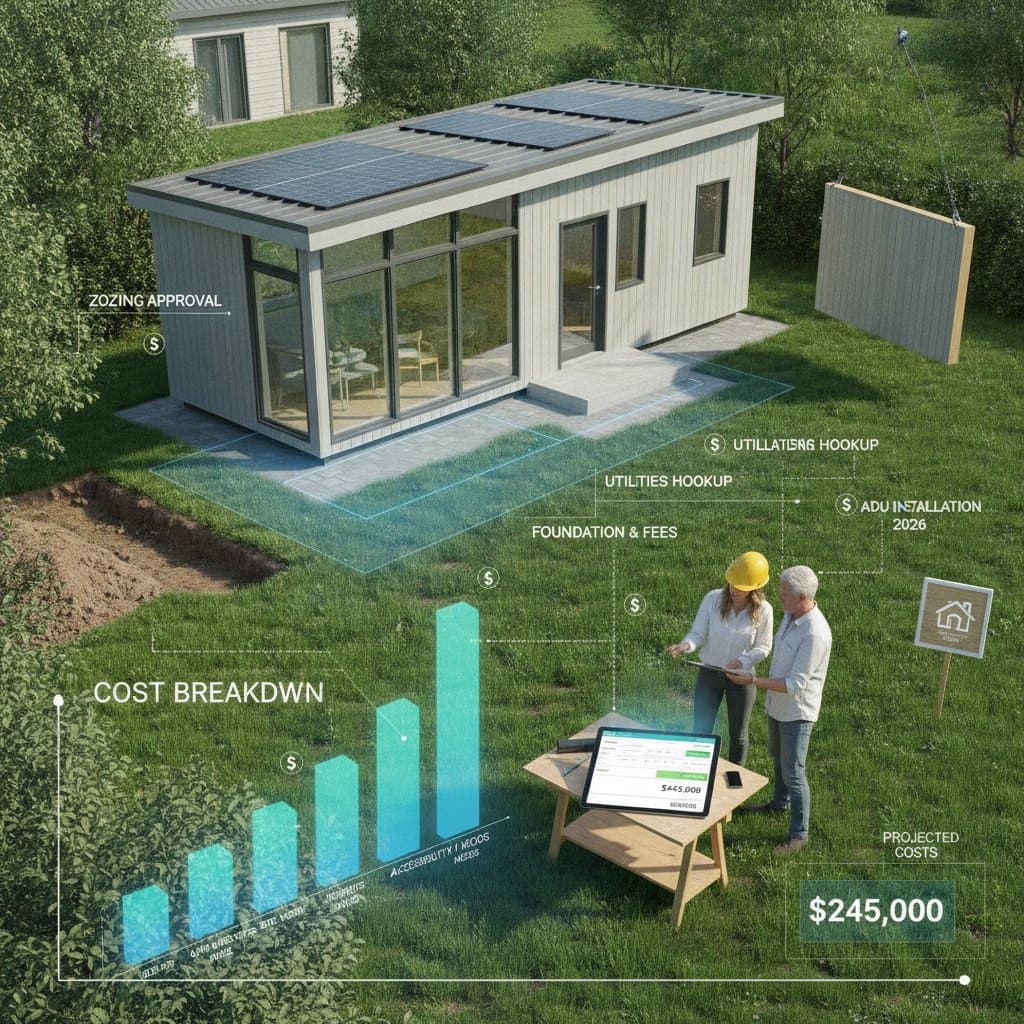
Costs for granny pods fluctuate based on size, materials, and location-specific factors. Basic prefabricated units begin at $80,000, covering a 400-square-foot model with standard appliances and basic finishes. Larger or upgraded prefabs, including energy-efficient systems, reach $120,000 before installation.
Site-built options start at $150,000, encompassing foundation work, framing, and interior outfitting. Premium choices with custom cabinetry, advanced HVAC, or smart lighting push totals to $200,000 or more. Labor rates vary by region, with urban areas adding 20 to 30 percent to base estimates.
Additional expenses include $10,000 to $20,000 for permits, site preparation, and utility extensions like water lines or electrical panels. Landscaping to restore the yard and accessibility additions, such as wheelchair ramps, contribute another $5,000 to $15,000. Property insurance adjusts upward by 5 to 10 percent annually to account for the new structure, while maintenance budgets should allocate $1,000 to $2,000 yearly for upkeep like gutter cleaning and system checks.
Step-by-Step Guide to Building a Granny Pod
-
Assess Zoning and Site Feasibility: Contact the local planning department to review property zoning. Confirm if accessory units qualify under existing codes or need variance applications. Measure lot dimensions against minimum size requirements, often 7,000 square feet or more.
-
Develop Design Plans: Engage an architect to draft layouts emphasizing universal design principles. Incorporate elements like zero-step entries and lever-handled fixtures to support future mobility needs. Obtain engineering stamps for structural integrity.
-
Secure Permits and Approvals: Submit applications for building, electrical, and plumbing permits. Address septic or sewer connections if the property lacks municipal services. Expect review periods of 4 to 12 weeks, depending on local workloads.
-
Execute Construction or Delivery: For prefabs, schedule crane delivery and foundation setup. Site builds proceed with excavation, pouring concrete slabs, and erecting walls over 2 to 4 months. Coordinate subcontractors for specialized tasks like roofing or insulation.
-
Conduct Inspections and Finalize Occupancy: Arrange for official walkthroughs to verify code adherence. Install smoke detectors, carbon monoxide alarms, and emergency exits as required. Issue a certificate of occupancy to enable legal use.
This sequence demands coordination among stakeholders, with delays possible from weather or supply issues. Budget extra time for revisions during permitting.
Navigating Zoning Regulations and Legal Constraints
Zoning laws pose significant obstacles, as many areas cap accessory units at 50 percent of the primary home's size or enforce 5-foot setbacks from property lines. Some districts mandate owner-occupancy in the main house and limit pods to family use only. Smaller lots under half an acre frequently face outright prohibitions.
To proceed, review municipal ordinances online or via direct inquiry. Districts permitting units by right simplify the process, while conditional uses involve public hearings and neighbor notifications. Legal consultations, costing $500 to $2,000, clarify ambiguities and prepare appeals if denials occur.
Noncompliance risks fines starting at $1,000 per day or demolition orders. Families mitigate this by documenting all communications and retaining approved plans for future reference.
Evaluating Financial Aspects and Sustained Benefits
Granny pods enhance property appraisals by 10 to 20 percent, reflecting added living space, though they elevate annual taxes by $500 to $1,500. Financing through home equity loans or construction lines offers rates around 6 to 8 percent, distinct from standard mortgages. Explore grants for aging-in-place modifications via state housing agencies.
Compared to assisted living costs averaging $4,000 monthly, a granny pod recoups investment within 3 to 5 years through shared expenses and avoided facility fees. Rental potential, where allowed, generates $800 to $1,500 monthly income, but verify lease restrictions in zoning codes.
Long-term, these units promote family well-being and reduce healthcare burdens. Track equity growth via annual assessments to gauge returns.
Steering Clear of Typical Challenges
Overlooking zoning pre-approvals leads to project halts after significant spending. Underestimating utility upgrades, such as trenching for gas lines, inflates budgets by 15 percent. Ignoring accessibility from the design phase necessitates expensive alterations post-construction.
Counter these by obtaining itemized bids from multiple contractors, specifying inclusions like soil testing or erosion control. Assign clear roles in contracts for permit handling and change order approvals. Conduct site visits during key phases to monitor progress.
Safeguarding and Maintaining Your Granny Pod
Treat the granny pod as a durable asset by scheduling biannual professional inspections for structural and system health. Update warranties on appliances and roofing materials promptly. Keep digital files of all documentation for resale or insurance claims.
Through diligent upfront research and ongoing care, families realize the full potential of this housing solution. It fosters secure, connected living arrangements that adapt to evolving needs over decades.