2026 Modular Home Additions: Costs Compared to Traditional Builds
Project Overview
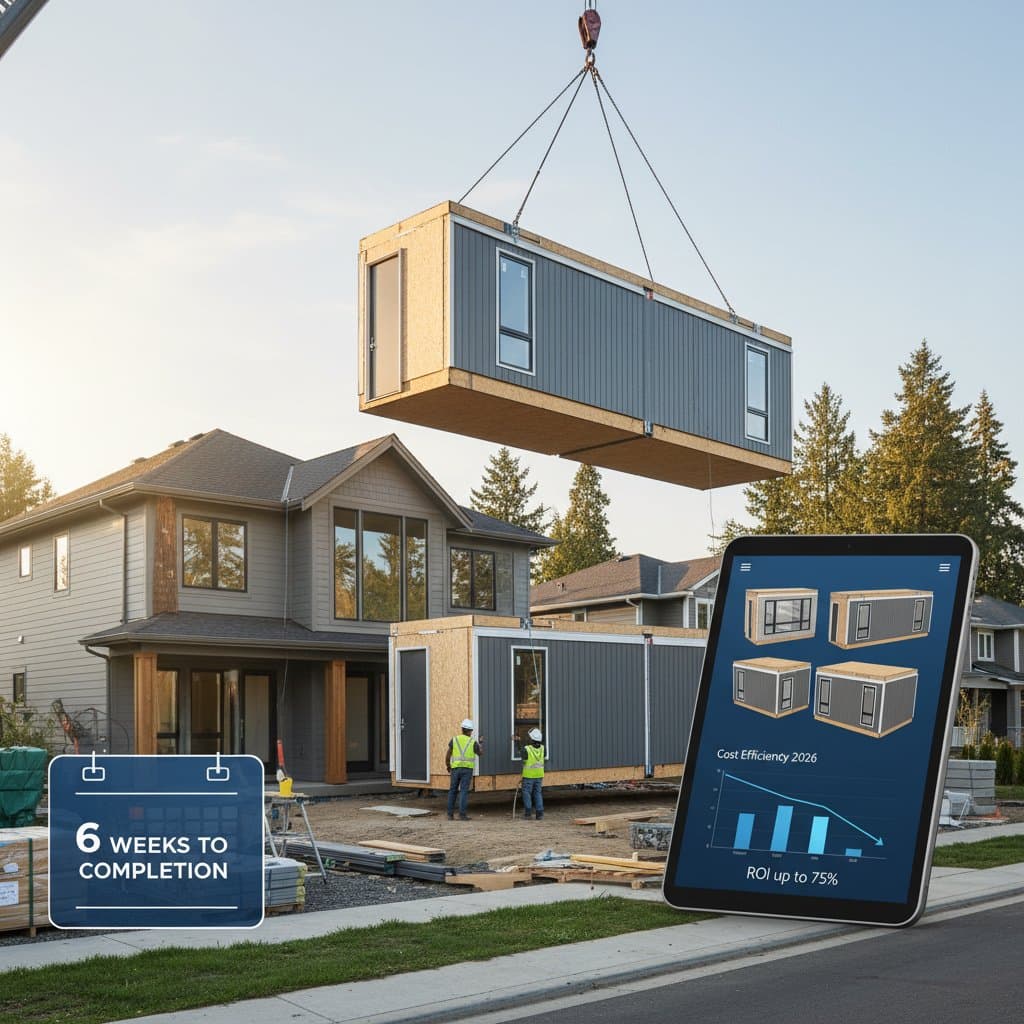
Modular additions represent a efficient alternative to traditional construction methods. These prefabricated structures arrive nearly complete from the factory, reducing onsite labor and weather-related delays. Homeowners gain expanded living space with minimal disruption, while achieving quality comparable to site-built extensions.
Key Project Metrics
National average cost: $155,000
Typical range: $90,000 to $220,000
Low end and high end: $60,000 for a small modular suite to $350,000 for a high-end custom addition
Time to complete: 6 to 16 weeks onsite following factory fabrication
DIY or Pro: Professional installation required
ROI or resale impact: 55 to 75 percent return on investment upon seamless integration with the existing home
Updated: March 2026
Detailed Cost Breakdown
The total expense for a modular addition depends on several components, from fabrication to final connections. Below is a representative breakdown for a 600-square-foot project.
| Item | Unit Cost | Typical Quantity | Line Total | Notes |
|---|---|---|---|---|
| Modular unit fabrication | $110 to $190 per sq ft | 600 sq ft | $66,000 to $114,000 | Assembled in controlled factory environment |
| Site preparation and foundation | $30 to $60 per sq ft | 600 sq ft | $18,000 to $36,000 | Options include slab or crawlspace foundations |
| Transportation and crane installation | $8,000 to $20,000 | 1 delivery | $8,000 to $20,000 | Costs vary with travel distance and access |
| Utility connections | $5,000 to $15,000 | 1 installation | $5,000 to $15,000 | Covers water, sewer, and electrical hookups |
| Interior finishing to match existing home | $25 to $60 per sq ft | 600 sq ft | $15,000 to $36,000 | Includes trim, flooring, and paint coordination |
| Permits and inspections | Flat fee | — | $2,000 to $6,000 | Determined by local regulations |
| Debris disposal and site cleanup | Flat fee | — | $1,000 to $2,000 | Handles removal of construction waste |
Overall installed cost per square foot generally falls between $180 and $350.
Influences on Total Expenses
Project scale plays a significant role in per-square-foot pricing. Larger additions benefit from economies of scale, as fixed factory setup costs distribute across more area. Material selections, such as premium cabinetry or energy-efficient windows, can increase finishing expenses by 20 to 30 percent.
Site-specific challenges also affect budgets. Properties with steep slopes or restricted access demand additional grading or temporary support structures. Regional labor markets influence connection costs; urban areas with high demand often command premium rates for skilled trades.
Customization further elevates prices. Efforts to align rooflines with the main house or incorporate unique layouts may add 25 percent or more to the total. Homeowners should evaluate these elements during initial planning to align expectations with budget constraints.
Professional Installation Guidelines
While homeowners may handle preliminary site clearing or basic landscaping, core structural and systems work requires certified professionals. Modular units arrive pre-wired and insulated, yet local building codes mandate licensed electricians and plumbers for all tie-ins.
Improper handling of gas lines or electrical systems risks warranty invalidation and safety hazards. Select a modular provider partnered with a general contractor experienced in code compliance. This ensures smooth coordination of inspections and adherence to standards.
Strategies to Optimize Costs
Homeowners can reduce expenses through deliberate choices without compromising quality. Opt for standard module dimensions, which streamline production and avoid custom engineering fees. Select durable yet affordable finishes, such as painted drywall paired with luxury vinyl plank flooring, over pricier alternatives like natural stone or solid wood.
Integrate the addition with concurrent home improvements to share costs for mobilization and utilities. Schedule during slower seasons, like late fall or winter, when factories offer competitive pricing due to reduced demand.
Obtain multiple bids to identify value. Use this evaluation framework:
Essential Quote Review Elements
- Detailed scope and floor plan specifications
- Specific brands and quality grades for all materials
- Inclusive pricing for site preparation and crane operations
- Itemized charges for permits and post-installation cleanup
- Clear warranty provisions and payment schedule outlines
Construction Timeline Essentials
The process begins with factory fabrication, spanning four to eight weeks depending on complexity. Concurrently, site preparation and foundation installation require one to two weeks, allowing alignment with module readiness.
Upon delivery, crane placement and initial connections take two to four weeks. Factors like inclement weather or inspection backlogs may extend this phase. Anticipate two key inspections: one for the foundation and another for final utility integrations.
Final interior adjustments, including paint matching and fixture installations, add up to one additional week. Early coordination with local authorities prevents bottlenecks and supports a timely move-in.
Long-Term Care and Durability
When anchored to a stable foundation, modular additions endure as long as conventional structures, often exceeding 50 years with proper upkeep. Annual roof inspections identify potential flashing issues at seams. Exterior joints benefit from resealing every five to seven years to maintain weather resistance.
Routine maintenance mirrors that of the primary home. Replace HVAC filters quarterly if the addition features a dedicated system. Address flooring wear and repaint as needed to preserve aesthetics and functionality.
Well-maintained modular extensions hold resale value on par with site-built additions, appealing to buyers seeking modern, efficient spaces.
Steps to Launch Your Project
Modular additions provide consistent budgeting and shortened timelines compared to traditional methods. They suit expansions like additional bedrooms, home offices, or guest suites, provided the site accommodates crane access.
Success hinges on thorough preparation. Confirm all measurements, specify desired finishes upfront, and book inspections well in advance. This approach minimizes surprises and maximizes the addition's contribution to your home's overall appeal and utility.
Data Sources
Estimates derive from national cost averages, insights from contractor consultations, and records from leading modular producers. Actual figures fluctuate based on geographic location, workforce availability, and material supply trends.