2026 ADU Costs: Essential Insights for Your Investment
Project Overview
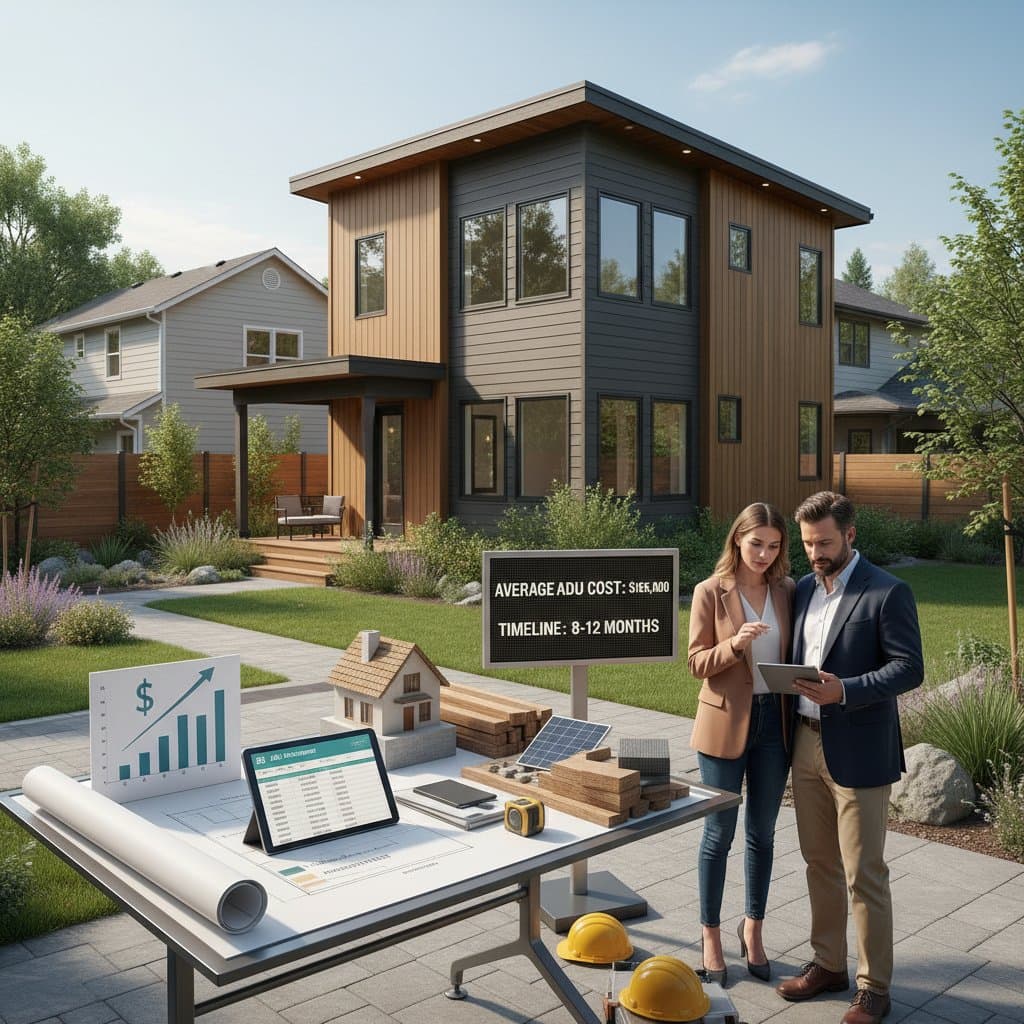
Building an accessory dwelling unit (ADU), often called a granny flat, represents a strategic way to expand living space or generate rental income. National averages place the cost at $165,000 for a standard 400-square-foot detached unit, with variations driven by location, design, and materials. This guide details the financial aspects, timelines, and practical steps to ensure a successful project.
Key Project Metrics
- National average cost: $165,000
- Typical range: $95,000 to $260,000
- Low end: $55,000 for prefab units or garage conversions
- High end: $400,000 for custom detached structures
- Completion time: 3 to 9 months
- Construction approach: Professional oversight with selective DIY elements
- Return on investment: 50 to 80 percent upon resale, higher in rental-demand areas
- Data update: March 2026
Detailed Cost Breakdown
The following table outlines typical expenses for a 400-square-foot detached ADU. Costs reflect mid-range materials and standard labor rates in suburban settings.
| Item | Unit Cost | Typical Quantity | Line Total | Notes |
|---|---|---|---|---|
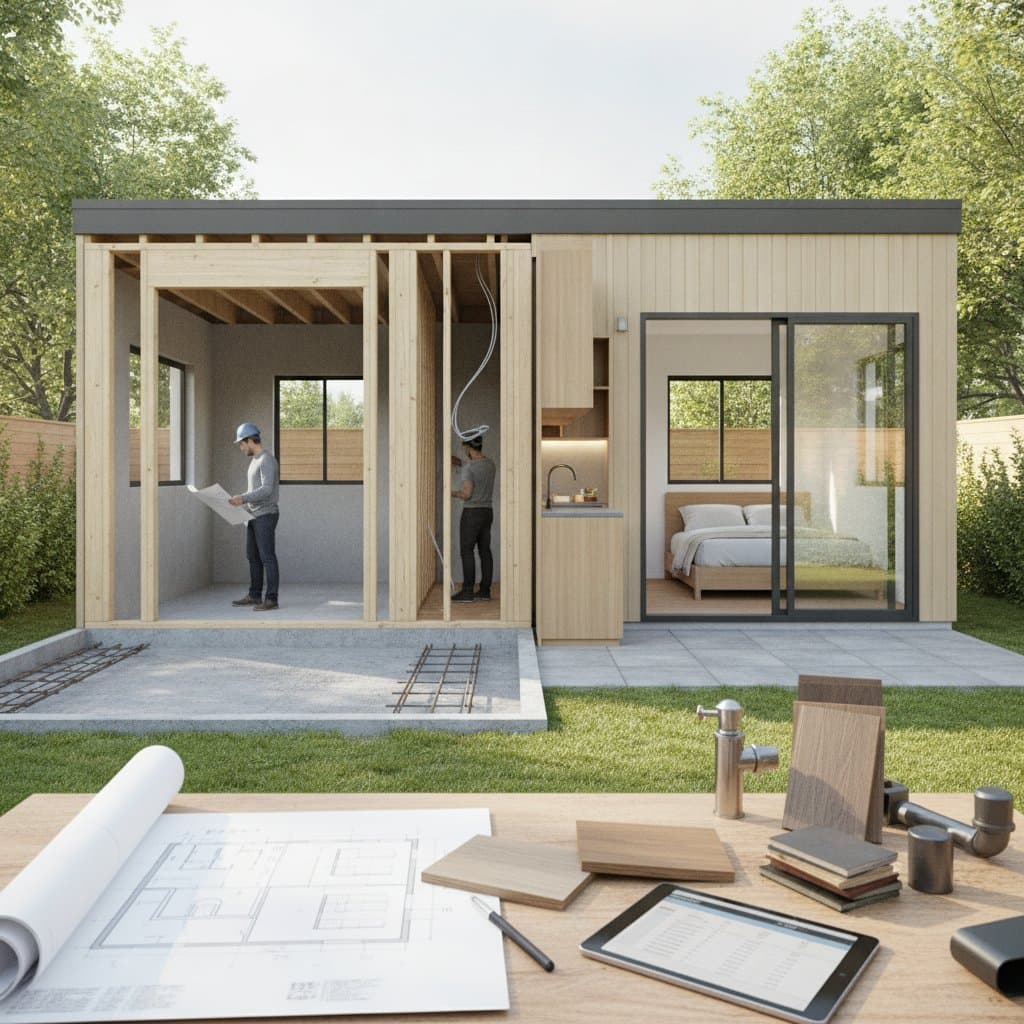
| Concrete slab foundation | $8 to $12 per sq. ft. | 400 sq. ft. | $3,200 to $4,800 | Provides stable base for detached units; includes rebar and forms |
| Framing and sheathing | $25 to $40 per sq. ft. | 400 sq. ft. | $10,000 to $16,000 | Covers wall studs, roof decking, and exterior sheathing |
| Roofing and siding | $18 to $35 per sq. ft. | 400 sq. ft. | $7,200 to $14,000 | Options include asphalt shingles, fiber cement, or wood siding |
| Windows and doors | $500 to $1,200 per opening | 6 openings | $3,000 to $7,200 | Select energy-efficient models for long-term savings |
| Electrical and plumbing rough-in | $20 to $40 per sq. ft. | 400 sq. ft. | $8,000 to $16,000 | Encompasses wiring, piping, and connections to main services |
| Interior finishes | $35 to $70 per sq. ft. | 400 sq. ft. | $14,000 to $28,000 | Includes flooring, drywall installation, painting, and trim work |
| Kitchen and bathroom | Lump sum | - | $15,000 to $30,000 | Covers cabinets, fixtures, countertops, and basic appliances |
| HVAC system | Lump sum | - | $4,000 to $8,000 | Mini-split units offer efficient heating and cooling |
| Permits and design fees | 8 to 15 percent of build cost | - | $8,000 to $20,000 | Accounts for architectural plans, engineering, and municipal approvals |
| Utility hookups and site preparation | Lump sum | - | $7,000 to $18,000 | Involves sewer, water, electrical lines, and basic grading |
| Waste disposal and cleanup | Lump sum | - | $1,200 to $2,500 | Includes dumpster rentals and debris removal fees |
Estimated total for 400 sq. ft. unit: $150,000 to $190,000
Optional Enhancements
Consider these additions to customize your ADU while managing expenses.
- Solar panel installation: $6,000 to $12,000, based on system size and roof compatibility
- Accessibility modifications: $5,000 to $10,000 for ramps, widened doorways, and support features
- Exterior landscaping and fencing: $3,000 to $7,000 to integrate with property aesthetics
- Smart home integration: $1,500 to $4,000 for automated lighting, security, and thermostats
Permitting and Waste Management
Local regulations typically mandate building permits, plan reviews, and utility approvals, totaling $4,000 to $12,000. Waste disposal depends on project volume; a standard 20-yard dumpster rental ranges from $500 to $800 weekly, including haul-away services.
Factors Influencing Total Expenses
Several elements determine the final price tag for your ADU.
Unit Size and Layout:
Smaller studios or one-bedroom designs under 500 square feet align with lower budgets. Larger two-bedroom configurations exceeding 700 square feet often double the investment due to increased materials and labor.
Material Quality:
Budget-friendly choices such as laminate countertops, stock cabinetry, and fiberglass fixtures maintain affordability. Premium selections like hardwood floors, quartz surfaces, and custom tiling elevate costs substantially.
Site-Specific Challenges:
Even terrain with nearby utilities minimizes expenses. Sloped properties, reliance on septic systems, or extended utility runs necessitate additional excavation and equipment, adding significant labor charges.
Regional Labor and Timing:
High-demand urban areas inflate rates by 15 to 25 percent. Scheduling during slower seasons, such as winter, may lower contractor fees, though delays from weather or inspections could occur.
Design Complexity:
Unique features like vaulted ceilings, intricate roofing, or custom millwork extend construction time and material needs. Mid-project alterations can increase overall costs by 10 percent or greater.
Professional Construction Versus DIY Involvement
Engaging professionals ensures compliance and quality, but targeted DIY efforts can trim expenses.
Suitable DIY Tasks:
- Apply interior paint and install trim molding
- Assemble ready-to-install cabinetry
- Lay resilient flooring such as vinyl planks
- Construct basic exterior decks, if permitted by code
Specialized Work Requiring Experts:
- Electrical panel installations and service connections
- HVAC refrigerant lines and gas piping
- Structural integrations with the primary residence
- Plumbing connections to sewer or septic systems
Risks of Improper Execution:
Faulty electrical setups, gas line issues, or inadequate foundations may fail inspections and pose safety hazards. Consult local building codes prior to any hands-on work, and employ licensed specialists for all electrical, mechanical, and plumbing components.
Warranty Considerations:
Self-performed structural or systems work might invalidate manufacturer guarantees. Retain detailed records of purchases and inspections to safeguard future property value.
Strategies to Control Costs Effectively
Implement these approaches to optimize your budget without compromising quality.
Smart Material Choices:
Opt for a simple shed roof over complex gables to reduce framing efforts. Install vinyl-framed windows in place of more expensive wood varieties. Allocate higher-grade finishes to visible areas and standard ones to utility spaces.
Preparation to Minimize Labor:
Prepare the site thoroughly before contractors arrive, including clearing vegetation and marking utility paths. Secure material deliveries in advance to prevent work stoppages.
Timing and Negotiation Tactics:
Target off-peak periods in your region for discounted rates. Combine the ADU project with home renovations to consolidate permitting and setup expenses.
Bid Evaluation Essentials:
Solicit proposals from at least three contractors and inquire about:
- Foundation specifications and inclusions
- Comprehensive utility pricing, covering excavation and restoration
- Insulation levels and window energy ratings
- Scope of design and permitting services
- Payment structures linked to inspection milestones
Guide to Execution
Selecting and Managing a Contractor
- Identify licensed ADU specialists through state licensing boards.
- Obtain detailed bids specifying site preparation, structural work, interior elements, and trade services.
- Review references, including site visits to finished and ongoing projects.
- Verify insurance coverage for general liability and workers' compensation.
- Establish phased payments: 10 percent initial deposit, 40 percent post-framing, 30 percent after finishes, and 20 percent upon final approval.
- Negotiate warranty details, aiming for one year on labor and extended coverage for structural components.
- Document all agreements, including protocols for modifications and timelines.
Project Scope Clarification
Specify contractor responsibilities for permits, architectural design, and utility integrations. Ambiguities in scope frequently lead to unexpected expenses.
Essential Tools for DIY Phases
Core Equipment: Circular saw, cordless drill, spirit level, measuring tape, safety eyewear, and respiratory protection.
Advanced Options: Compound miter saw, pneumatic nailer, and digital laser level for precision.
Protective Gear: Work gloves, hearing defenders, and particulate masks for dust-heavy tasks.
Project Timeline Management
Material Procurement Delays:
Custom elements like windows or cabinetry require 6 to 10 weeks lead time. Order promptly to maintain crew productivity.
On-Site Construction Duration:
A compact unit demands 60 to 90 labor days, distributed over months. Factors such as weather, regulatory reviews, and utility coordination extend the schedule.
Critical Inspection Stages:
Anticipate four primary checks: foundation pour, structural framing, mechanical installations, and occupancy certification. Organize documentation meticulously for financing or sales purposes.
Long-Term Upkeep and Durability
Routine Maintenance Practices:
Examine roofing and drainage systems biannually. Wash exterior surfaces yearly using gentle cleaners. Replace HVAC filters quarterly to sustain efficiency.
Indicators of Potential Issues:
Water accumulation near walls or entries suggests drainage problems. Intermittent lighting signals circuit overloads. sluggish drainage indicates pipe restrictions.
Repair Versus Replacement Decisions:
Address isolated siding wear or window failures through targeted fixes. Opt for complete overhauls on aging roofs or compromised plumbing mains.
Regional Cost Variations
Expenses fluctuate by geography due to labor availability, material transport, and regulatory stringency. Coastal regions often exceed national averages by 20 percent from seismic reinforcements and elevated utility standards. Midwest areas benefit from lower labor costs, potentially reducing totals by 10 to 15 percent. Always consult local builders for precise estimates tailored to zoning and climate demands.
Advancing Your ADU Project
To initiate construction, assemble a preliminary budget incorporating the breakdowns provided. Engage a preliminary site assessment to identify unique challenges early. Select designs that align with your goals, whether rental income or family housing, and proceed with contractor selection. This structured approach positions your investment for maximum financial and functional returns, enhancing property utility for years ahead.
Data Foundation
This analysis draws from aggregated industry reports, contractor surveys, and regional building data as of March 2026. Figures represent median values for standard projects and may vary based on specific circumstances.