Granny Pod Costs: $85,000 to $180,000 Range in 2026
Granny pods represent an innovative approach to senior care, allowing elderly family members to maintain independence while staying close to loved ones. These compact, accessory dwelling units install in backyards and feature universal design elements for accessibility. As demand grows with an aging population, understanding the financial commitment becomes essential for families planning ahead.
In 2026, the total investment for a granny pod ranges from $85,000 to $180,000. This figure includes base construction, necessary permits, site preparation, and basic finishes. Families often choose this option to avoid the higher costs and emotional strain of nursing homes, which can exceed $100,000 annually.
What Defines a Granny Pod
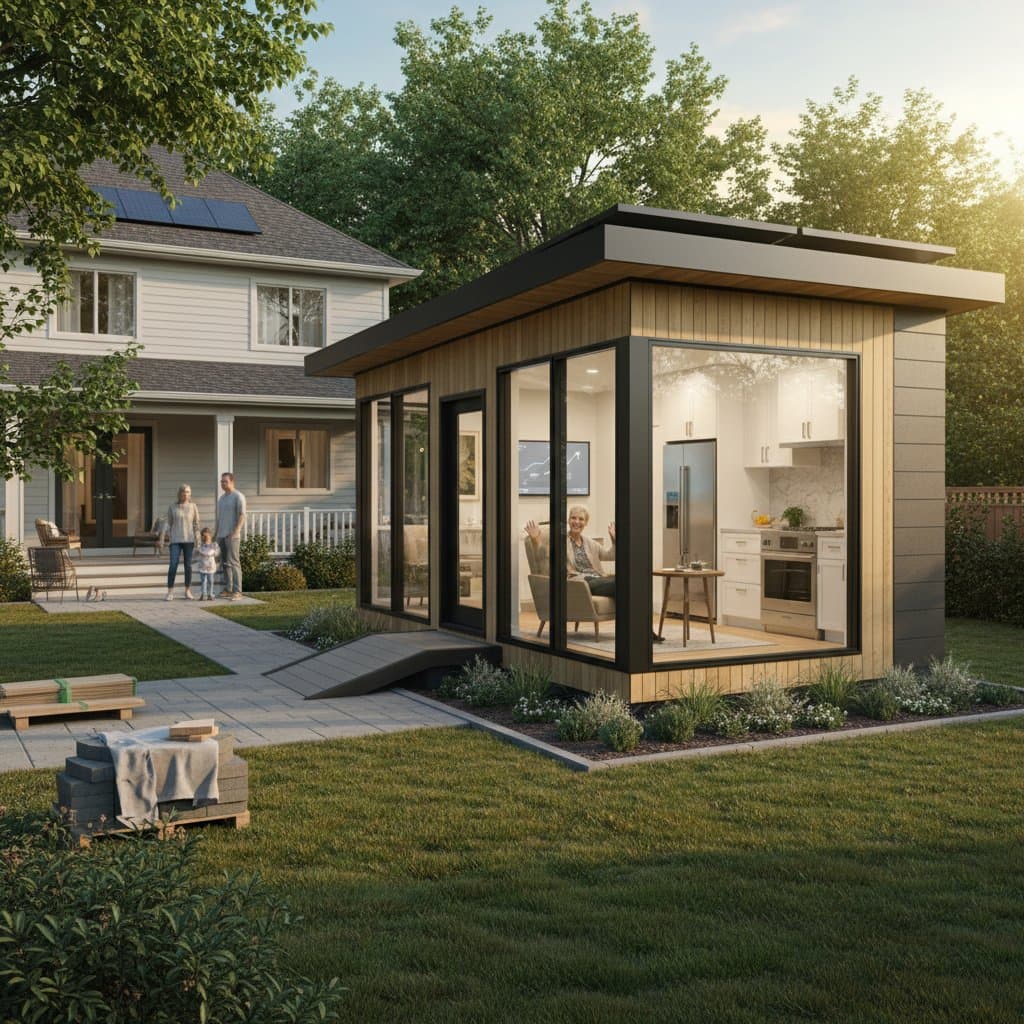
A granny pod functions as a self-contained home, typically spanning 300 to 800 square feet. It includes a bedroom, bathroom, kitchenette, and living area, all adapted for mobility challenges such as wider doorways and grab bars. Manufacturers prefabricate these units for quick assembly, reducing on-site disruption.
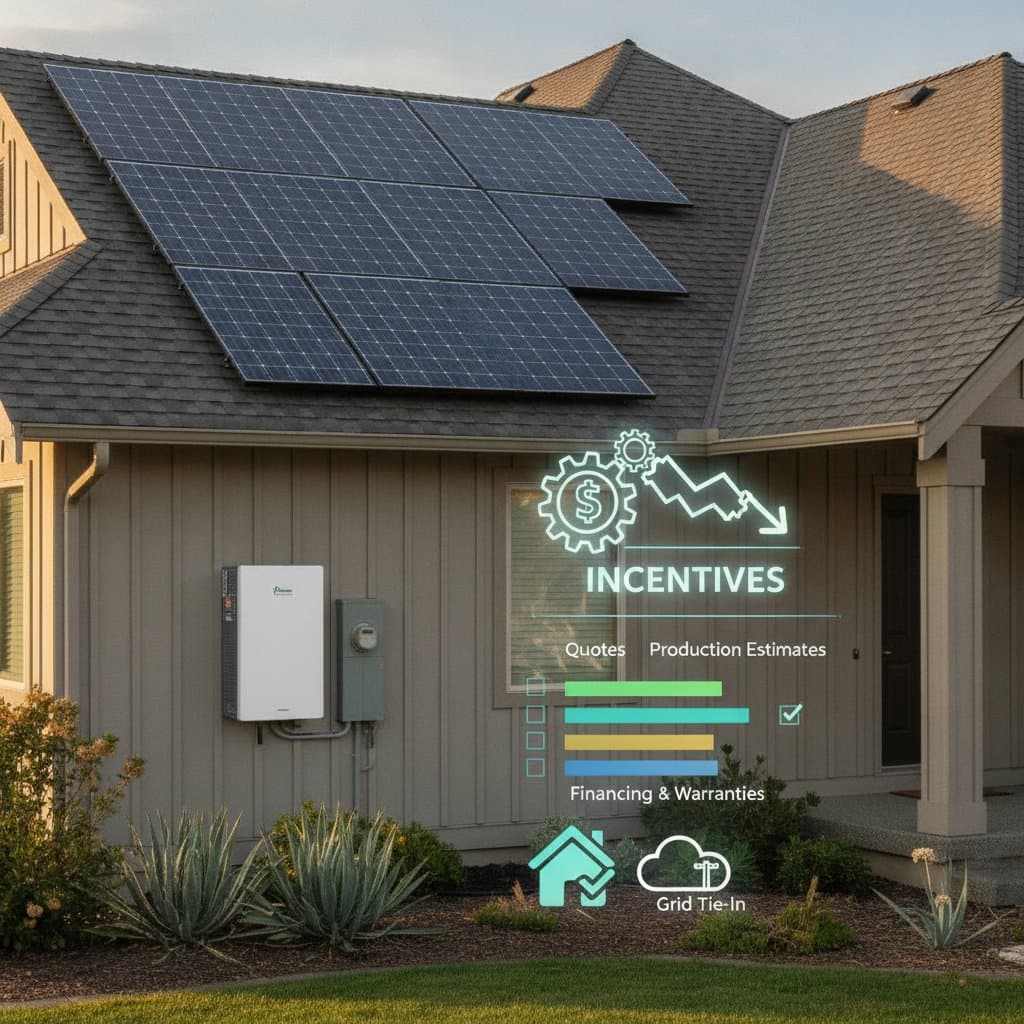
These structures comply with building codes for accessory dwelling units, ensuring safety and energy efficiency. Solar panels and smart home integrations often come standard, aligning with 2026 sustainability trends. The design emphasizes comfort, with options for climate control and medical alert systems.
Breakdown of Cost Components
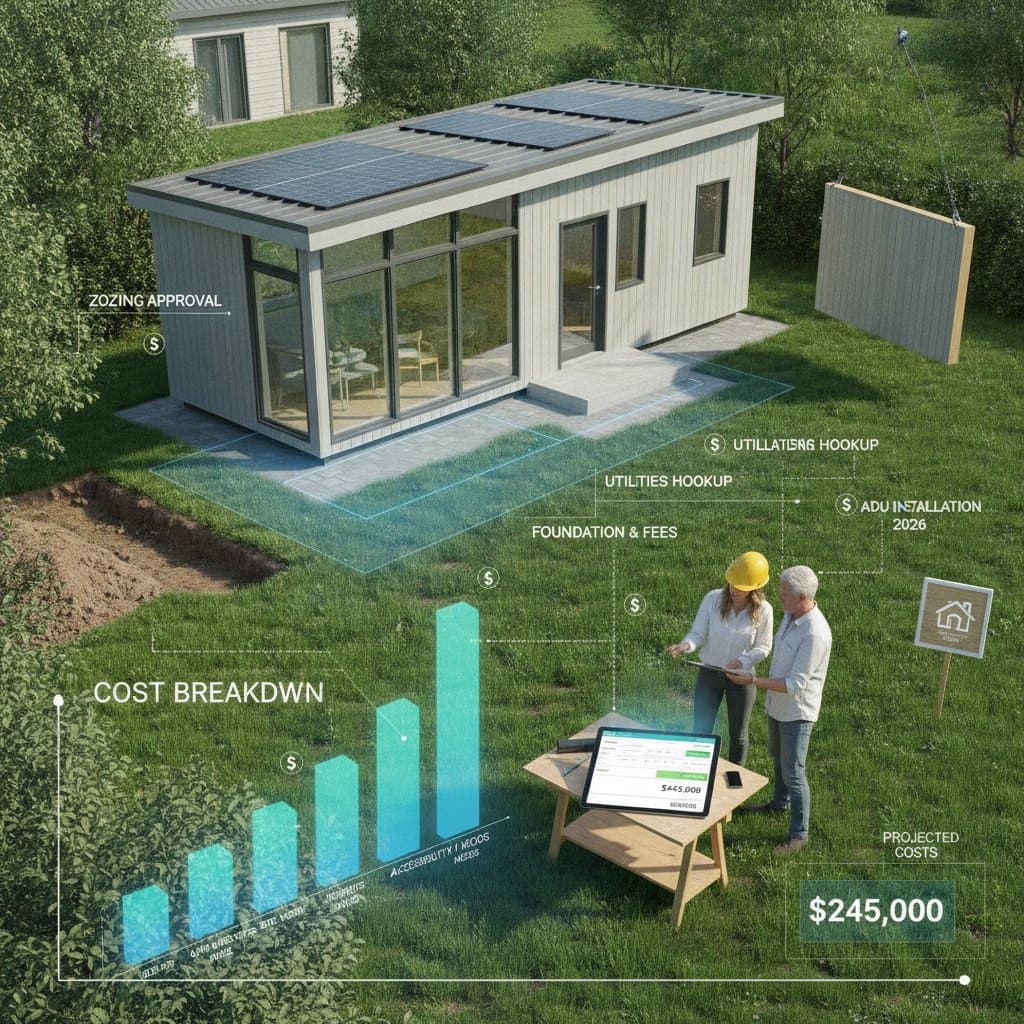
The price spectrum reflects variations in size, materials, and location. Base models start at $85,000 for a 400-square-foot unit with essential features. Higher-end versions reach $180,000 when incorporating luxury elements like expanded layouts or advanced automation.
Construction and Materials
Prefabricated shells account for 40 to 50 percent of the budget, around $35,000 to $90,000. Steel or wood frames provide durability, while insulation meets modern energy standards. Roofing and siding options influence longevity; metal roofs add $5,000 but resist weather better than asphalt.
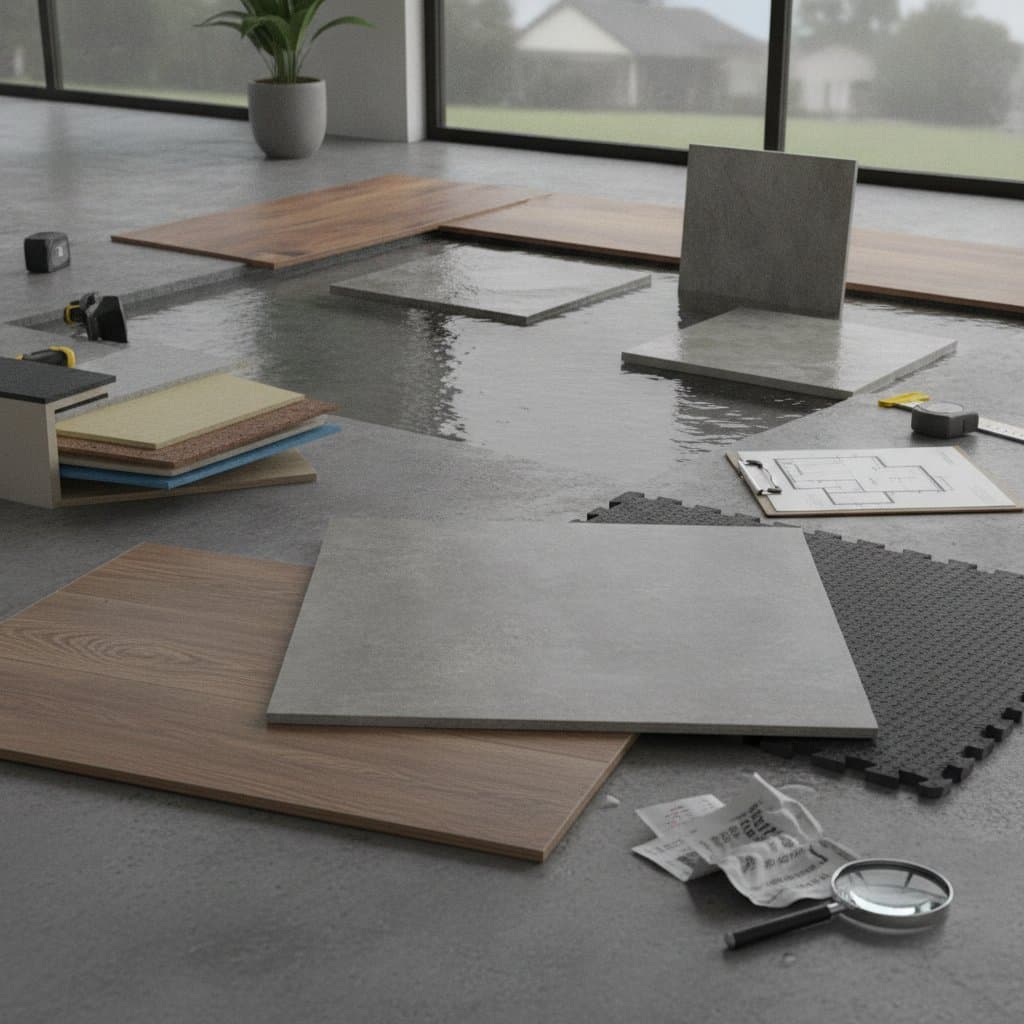
Interior finishes contribute $20,000 to $40,000. Vinyl flooring and laminate countertops keep costs low, whereas hardwood and granite elevate expenses. Electrical and plumbing installations require professional oversight to integrate with the main home's utilities.
Site Preparation and Permits
Site work, including foundation and grading, ranges from $10,000 to $25,000. A concrete slab foundation suits most yards, but uneven terrain may necessitate additional excavation. Utility connections for water, sewer, and electricity add $5,000 to $15,000, depending on distance from the primary residence.
Permits vary by municipality but typically cost $2,000 to $10,000. Zoning laws dictate setbacks and size limits; urban areas impose stricter regulations than rural ones. Approval processes take 4 to 12 weeks, so early consultation with local authorities prevents delays.
Additional Features and Customizations
Accessibility modifications, such as ramps and zero-threshold entries, add $5,000 to $15,000. Technology upgrades like voice-activated controls or telemedicine setups contribute another $3,000 to $10,000. Landscaping around the pod enhances privacy and costs $2,000 to $8,000.
Ongoing expenses include property taxes, potentially increasing by 5 to 10 percent, and utilities averaging $200 monthly. Insurance adjustments cover the new structure under the homeowner's policy for an extra $500 annually.
Factors Influencing Pricing in 2026
Regional differences significantly impact totals. Coastal or high-demand areas see 20 to 30 percent premiums due to labor and material costs. Inflation projections for 2026 suggest a 3 to 5 percent rise over current figures, driven by supply chain improvements in modular housing.
Design choices play a key role. A basic single-bedroom pod stays under $100,000, while two-bedroom models with patios approach $150,000. Energy-efficient certifications, like LEED standards, qualify for rebates up to $10,000, offsetting initial outlays.
Zoning and environmental regulations add complexity. Some locales require impact studies for water usage, extending timelines by months. Families in flood-prone zones invest in elevated foundations, adding $8,000 to $12,000.
Setup Timeline and Process
Installation unfolds in phases, spanning 8 to 16 weeks from order to occupancy. Initial consultations and permit applications consume the first 4 to 6 weeks. Site preparation follows, taking 1 to 2 weeks for clearing and foundation work.
Delivery and assembly occur over 3 to 5 days, with cranes positioning the prefabricated unit. Final connections and inspections wrap up within 2 weeks. Professional crews handle most tasks, though families can save on minor landscaping.
Delays arise from weather or supply shortages, common in peak seasons. Scheduling during off-peak months, like winter, reduces wait times and costs by 10 percent.
Strategies for Smart Budgeting
Assess family needs first: Determine required space and features through consultations with seniors. Compare quotes from multiple providers; certifications from the Modular Building Institute ensure quality.
Explore financing options, including home equity loans with rates around 5 percent in 2026 or grants for aging-in-place modifications. Bulk purchasing for utilities integration lowers per-unit expenses.
- Conduct a yard survey to identify site challenges early.
- Review local zoning online or via planning departments.
- Prioritize essential features to avoid overspending on luxuries.
- Factor in long-term savings, such as reduced care facility fees.
- Plan for maintenance reserves, allocating 1 to 2 percent of cost annually.
Realizing Long-Term Benefits
Investing in a granny pod fosters family bonds and supports independent living, potentially saving $50,000 yearly compared to assisted facilities. The structure retains value, appreciating with property improvements. Families gain peace of mind knowing loved ones reside safely nearby, enhancing overall well-being.
As 2026 approaches, proactive planning positions households to navigate costs effectively. This approach not only addresses immediate housing needs but also builds a foundation for multigenerational harmony.