Whole-Home Generator Costs Jump to $11,200 in 2026
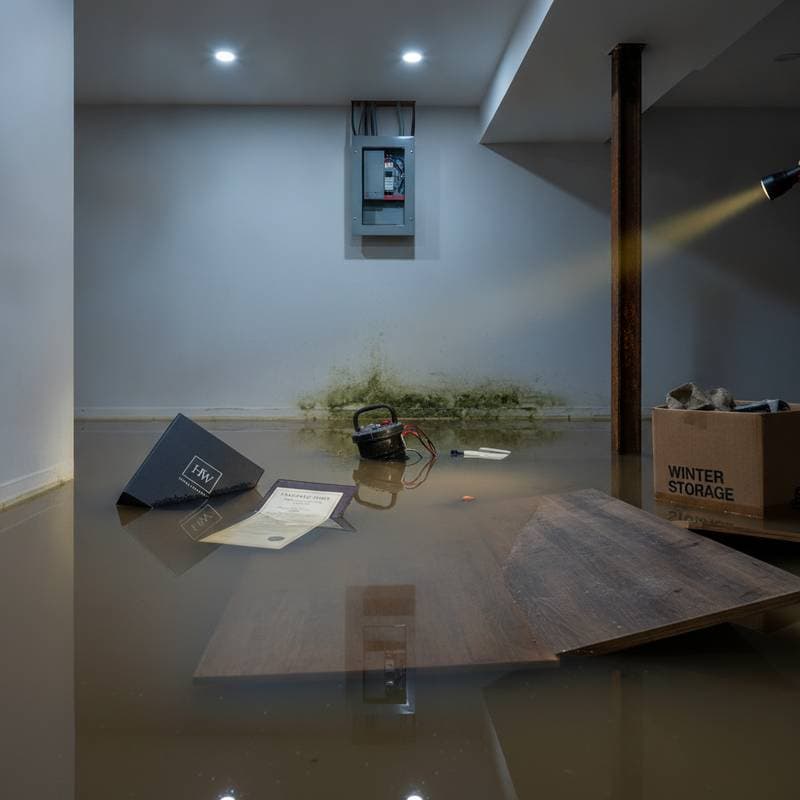
Rising concerns over power outages have prompted many homeowners to consider whole-home generators. These systems provide seamless backup power during grid failures, keeping essential appliances and systems operational. In 2026, the average cost for installation reaches $11,200, reflecting increased demand and material prices.
What Is a Whole-Home Generator?
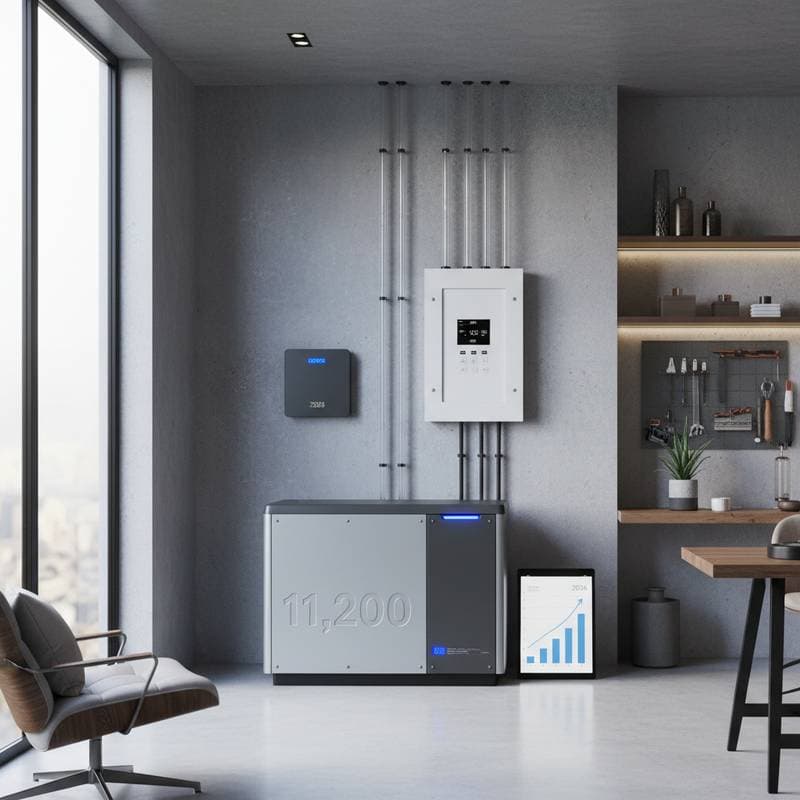
A whole-home generator automatically activates when utility power fails, supplying electricity to your entire house. Unlike portable units, these systems connect directly to your home's electrical panel and run on natural gas, propane, or diesel. They ensure uninterrupted power for lights, refrigerators, HVAC units, and medical devices, offering peace of mind in areas prone to storms or blackouts.
Homeowners select these generators based on their property size and energy needs. A typical 20-kilowatt model powers a 3,000-square-foot home effectively. Professional assessment determines the right capacity to avoid under- or over-sizing, which impacts both performance and costs.
Key Factors Driving Costs in 2026
Several elements contribute to the $11,200 average price tag. Generator size remains the primary driver; larger units capable of handling high-demand appliances cost more. Fuel type also plays a role, with natural gas models often cheaper to install but requiring gas line connections.
Site conditions influence expenses significantly. Homes in remote locations or those with challenging terrain may incur higher labor fees for setup. Local labor rates vary by region, with urban areas typically charging 20 to 30 percent more than rural ones. Material costs, including concrete pads and electrical wiring, have risen due to supply chain issues.
Regulatory requirements add to the total. Permits from local authorities ensure compliance with building codes, while safety inspections verify proper grounding and ventilation. Environmental standards in some states mandate low-emission models, increasing upfront investment.
Detailed Cost Breakdown
The generator unit itself accounts for 50 to 70 percent of the total, ranging from $5,000 for a basic 10-kilowatt model to $15,000 for advanced 30-kilowatt systems. Brands like Generac or Kohler offer reliable options, with premium features such as remote monitoring adding $1,000 or more.
Installation labor constitutes 20 to 30 percent, averaging $3,000 to $5,000. This covers site preparation, electrical integration, and fuel line adjustments. Permits and inspections contribute another $500 to $1,500, depending on jurisdiction.
Additional upgrades, such as automatic transfer switches or battery backups, can push costs higher. For a standard setup in 2026, expect $8,000 for the unit, $2,500 for installation, and $700 for permits, totaling the $11,200 average. Homeowners should obtain multiple quotes to identify savings opportunities.
The Installation Process Step by Step
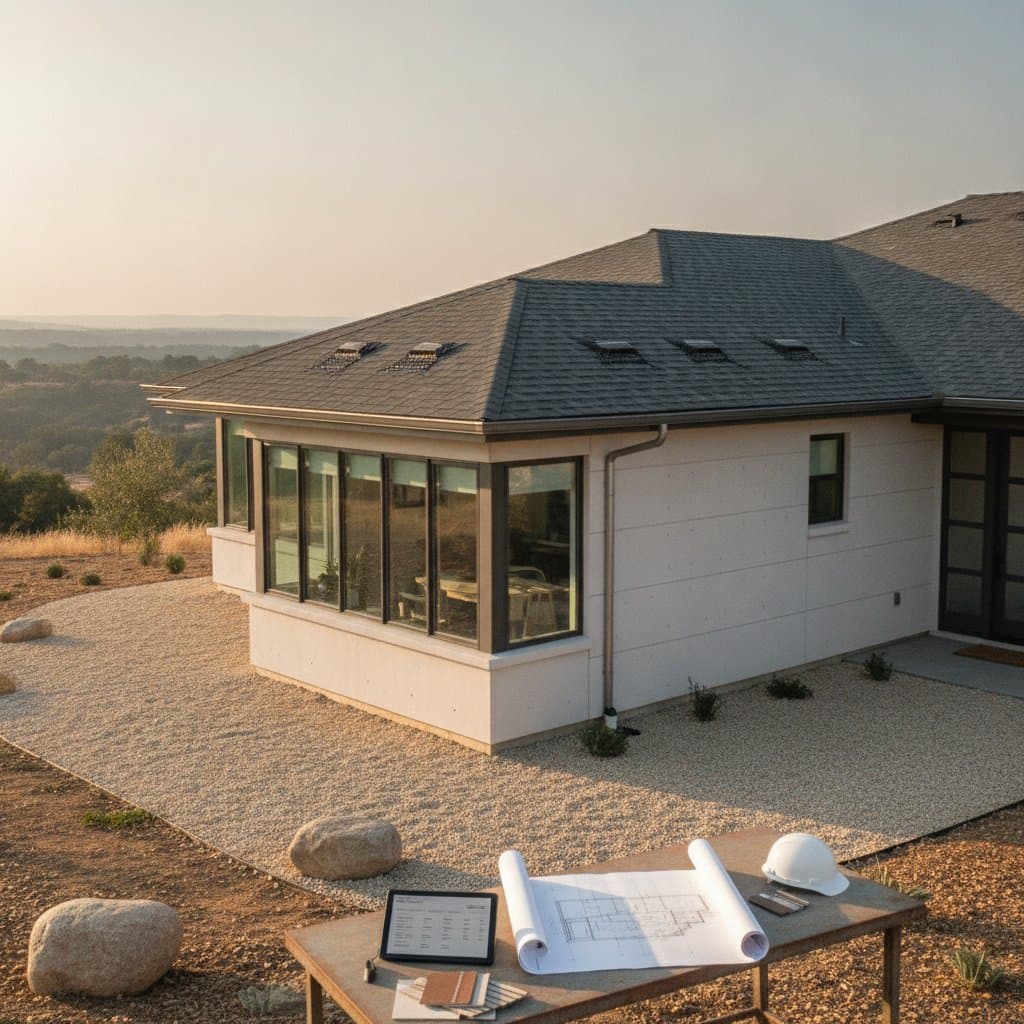
Installation begins with a professional site evaluation to assess electrical load and fuel availability. Technicians measure your home's power requirements using tools like load calculators. This step ensures the generator matches your needs without excess capacity.
Next, secure necessary permits from local building departments. These documents confirm adherence to safety and zoning regulations. Delays here can extend timelines, so apply early.
Site preparation follows, including excavating for a concrete pad and routing fuel lines. Electricians then connect the unit to your main panel via a transfer switch, which isolates the generator from the grid to prevent backfeeding. Testing verifies seamless operation, with final inspections confirming code compliance.
The entire process typically spans one to three days, depending on complexity. Schedule during off-peak seasons like fall or spring to avoid weather-related interruptions and secure lower rates.
Strategies to Lower Installation Costs
Shop around for competitive bids from certified installers. Compare at least three quotes to negotiate better pricing on labor and materials. Opt for mid-range models that balance features and affordability.
Consider energy-efficient upgrades that qualify for rebates. Some utilities offer incentives for natural gas systems that reduce overall emissions. Off-season installations often yield 10 to 15 percent discounts, as demand drops.
Evaluate partial-home options if full coverage exceeds your budget. These standby units power critical circuits only, cutting costs by 30 to 50 percent. Maintenance plans bundled with installation provide long-term savings on servicing.
Calculating Return on Investment
Whole-home generators protect against financial losses from outages, which average $1,500 per event in spoiled food and lost productivity. In regions with frequent storms, recovery occurs within five years through avoided damages. Enhanced home value adds another layer of return, with properties featuring backups selling 3 to 5 percent higher.
Insurance premiums may decrease by 5 to 10 percent for homes with generators, offsetting initial costs. Reliable power supports remote work and medical needs, delivering intangible benefits like security. Track energy usage post-installation to maximize efficiency and ROI.
Securing Reliable Power for Your Future
As grid challenges intensify, investing in a whole-home generator safeguards your lifestyle. The $11,200 average cost in 2026 reflects quality and reliability worth the expense. Start by consulting local experts to tailor a solution that fits your home and budget, ensuring resilience against power disruptions.