2026 Home Elevation Costs by Region
Summary Box
National average cost: $145,000
Typical range: $100,000 to $200,000
Low end: $40,000 for a small wood-frame home on a crawl space
High end: $350,000 for a large masonry structure with complex utilities
Time to complete: 6 to 12 weeks per house
DIY or Pro: Pro only
ROI or resale impact: Up to 75 percent in flood-prone zones
Updated: March 2026
Key Cost Factors
Scope and Size
Homes smaller than 1,000 square feet often incur higher costs per square foot, as the setup for lifting remains comparable to larger properties. Two-story or split-level designs demand advanced engineering and reinforced steel beams, which can increase expenses by $20,000 or more. Larger structures, such as those exceeding 2,500 square feet, benefit from economies of scale but require additional shoring to maintain stability during the lift.
Material Grade and Finish
Opting for concrete foundations with deep piers elevates costs compared to basic block walls, due to the need for specialized pouring and curing processes. Premium finishes like stucco or brick veneer add to the total, as crews must carefully demolish and reattach these elements without damage. Selecting durable, low-maintenance materials can balance upfront investment with long-term savings on repairs.
Site Conditions and Accessibility
Properties on tight lots or near obstacles like overhead wires face delays and higher mobilization fees. Challenging soil, such as expansive clay or loose sand, necessitates helical piers or drilled shafts, boosting foundation expenses by 30 to 50 percent. Proximity to water features, including seawalls or ditches, may require enhanced drainage solutions to prevent future erosion.
Labor Market and Season
Demand for experienced lifting crews remains high, particularly in coastal areas, leading to premium rates. Following significant flood events, local labor costs can surge by 20 percent or more due to backlogs. Scheduling during off-peak seasons, such as late fall or early spring, often yields savings of 10 to 15 percent, provided weather permits uninterrupted work.
Custom Work and Change Orders
Incorporating additions like a new garage or expanded deck transforms a standard lift into a comprehensive renovation, extending timelines by several weeks. Unforeseen structural modifications during the project can introduce substantial fees, often in the range of $10,000 to $50,000. Defining all custom elements in the initial contract minimizes these risks and keeps the budget on track.
DIY Versus Professional Services
Preparatory Tasks for Homeowners
Capable individuals can manage initial steps, such as clearing out furniture, removing exterior skirting, and disconnecting basic plumbing lines. After the lift, homeowners might handle cosmetic updates including painting, installing new skirting, and restoring landscaping. These efforts reduce overall labor costs while allowing personal input on finishes.
Specialized Requirements
Core operations like the actual structural lift and new foundation installation demand certified professionals with hydraulic equipment and engineering oversight. Reconnecting electrical, gas, and HVAC systems requires licensed electricians and plumbers to ensure compliance and safety. Obtaining permits and designing the elevation plan also falls under expert purview, avoiding costly revisions.
Potential Hazards and Compliance
Lifting involves immense hydraulic forces, where even minor misalignments in support cribbing can lead to wall collapses or worker injuries. Improper handling of utilities risks fires or gas leaks, underscoring the need for licensed trades. All work must align with local building codes and elevation certificates for flood zones to secure insurance validity.
Warranty Considerations
Using unlicensed workers often invalidates structural warranties and lender protections, exposing owners to full liability for defects. Engage a general contractor experienced in elevations, backed by verifiable project portfolios and comprehensive insurance. This approach safeguards investments and ensures reliable post-project support.
Guide to Selecting Contractors
Essential Vetting Steps
Start by confirming the contractor's state license, bonding, and liability insurance through official registries. Request references from at least three recent projects in your area, focusing on similar home types and challenges. Review photographs or site visits of past elevations to assess quality in foundation work and finishes.
Contract Essentials
The agreement must detail the exact lift height, foundation specifications, and material selections for all finishes. Include provisions for unexpected issues, such as soil anomalies or hidden utilities, with predefined rates for additional work. Have an independent engineer validate the proposed lift plan prior to commitment.
Standard Payment Structure
Initiate with a deposit not exceeding 20 percent upon permit approval. Release progress payments at key milestones, like after the house is securely lifted. Withhold the final 10 percent until a thorough inspection confirms completion and curing. Consider escrow accounts to align with insurer or lender guidelines.
Long-Term Maintenance
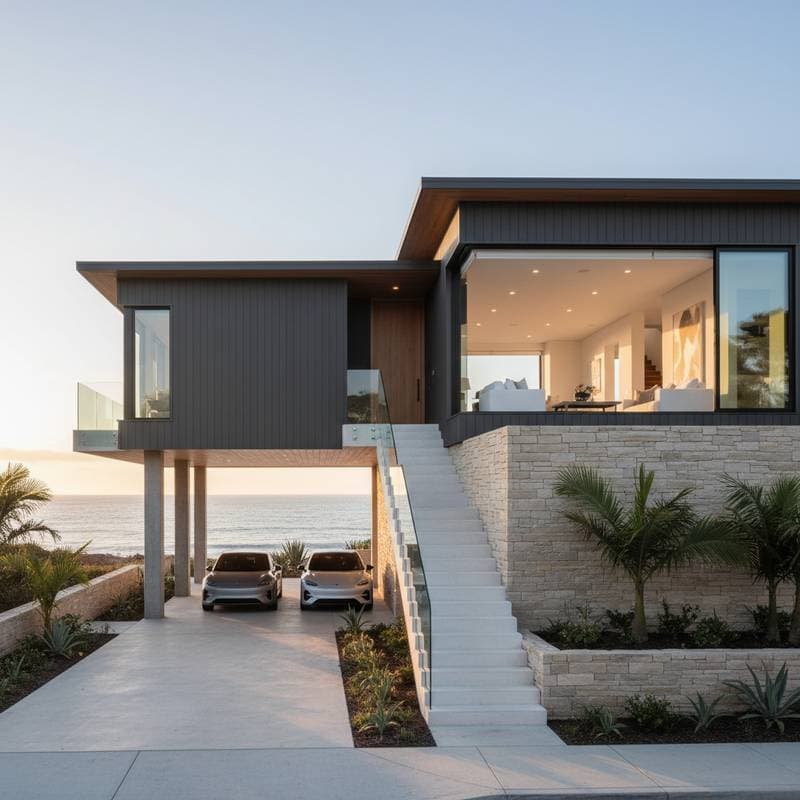
Elevated foundations, when properly constructed, endure for 50 years or longer with consistent upkeep. Conduct annual inspections of flood vents, access steps, and surrounding grading to detect early signs of wear. Address settlement cracks exceeding one-quarter inch promptly, as they may indicate shifting soils requiring professional reinforcement.
Maintain clearance around piers and vents by trimming vegetation, which promotes proper airflow and deters moisture buildup. Apply fresh sealant or paint to wooden steps every three to five years to combat rot and weathering. After the first year, monitor for minor adjustments as the soil settles, consulting specialists for any persistent issues.
Planning Your Elevation Project
Elevating your home represents a proactive step toward resilience in vulnerable areas, potentially boosting property value through enhanced flood protection. Begin by consulting local engineers to assess site-specific needs and explore financing options tailored to disaster mitigation. With careful planning and trusted professionals, you can achieve a secure, elevated living space that withstands future risks while preserving your home's character.