DIY Versus Professional: Perform light cleaning independently; hire professionals for comprehensive inspections
Impact on ROI and Resale: Properly maintained systems retain 5 to 10 percent higher production capacity and increase property appeal
Last Updated: August 2026
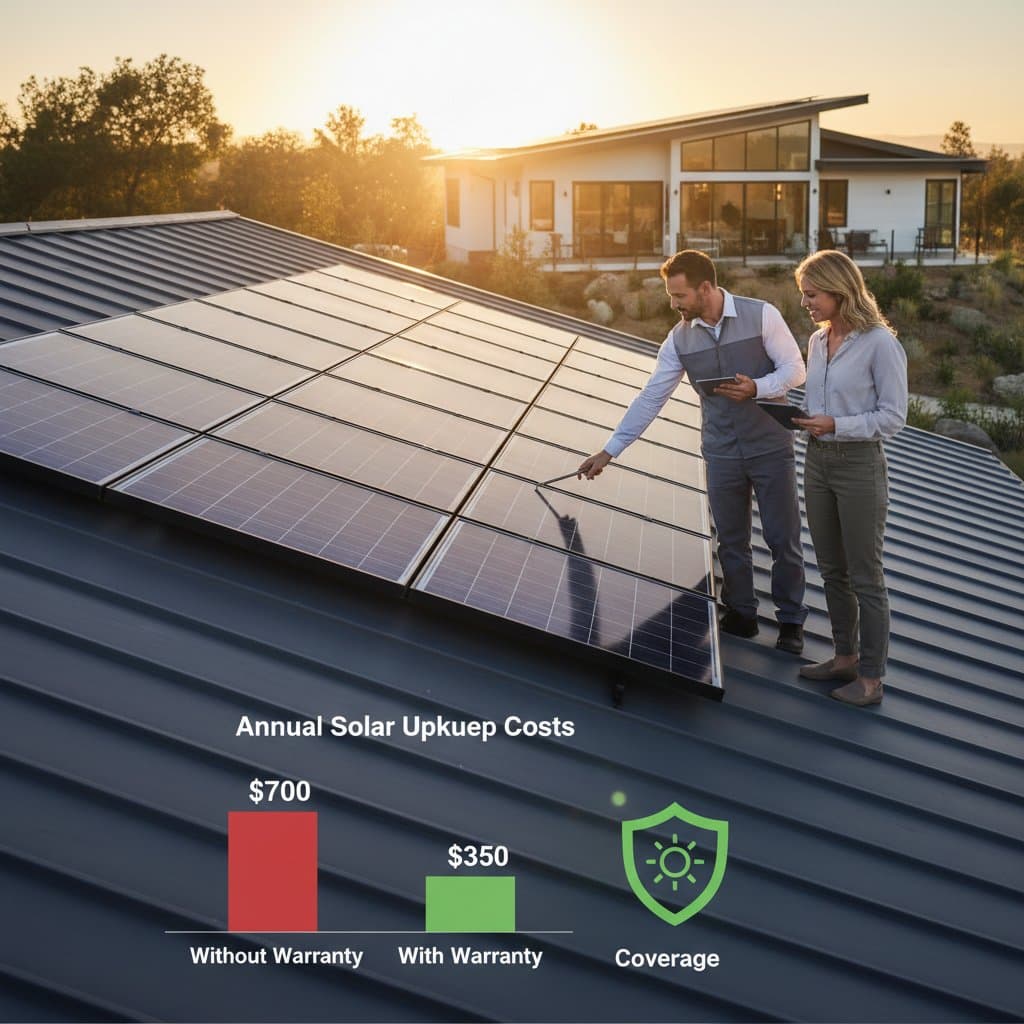
Solar panel systems demand regular attention to sustain optimal performance, but warranties serve as a powerful tool to offset associated expenses. These protections often cover manufacturing defects, performance degradation, and key component failures, potentially halving out-of-pocket costs for homeowners. By understanding warranty terms and integrating them into maintenance routines, owners can achieve substantial savings while ensuring longevity.
Key Factors Influencing Maintenance Costs
The expense of solar upkeep varies based on several elements, each of which interacts with warranty coverage to influence overall financial impact.
System Size and Scope: Larger installations require more extensive cleaning and inspection efforts. For every additional 10 panels, expect an increase of $100 to $200 in annual costs. Warranties typically scale with system size, providing broader coverage that mitigates these incremental expenses through covered repairs.
Panel Material and Design Quality: High-grade panels featuring anti-reflective coatings resist dirt accumulation, which reduces the need for frequent cleanings and lowers total costs. Such premium materials often come with extended warranties, guaranteeing output levels for 25 years or more and shielding against premature degradation.
Installation Site and Accessibility: Ground-mounted arrays prove easier and less costly to service compared to rooftop systems. Factors like steep roof pitches or elevated building heights demand additional safety equipment and labor, driving up prices. Site-specific warranties may include provisions for access-related damages, further reducing owner liability.
Regional Labor Rates and Seasonal Demand: Costs escalate during peak periods for solar services, such as spring and summer, when installers handle both new projects and maintenance. Opting for off-peak scheduling, like late fall or early winter, can yield savings of 10 to 15 percent. Many warranties require annual professional inspections to remain valid, so timing these services strategically aligns with cost-saving opportunities.
Custom Components and Modifications: Non-standard elements, such as specialized racking or microinverters, can elevate part replacement fees and extend wait times. Warranties from reputable manufacturers often encompass these custom features, preventing unexpected expenses and ensuring quick resolutions through authorized service networks.
Strategies to Reduce Costs Effectively
Homeowners can implement targeted approaches to trim maintenance budgets without compromising system integrity, particularly by maximizing warranty benefits.
Cost-Effective Alternatives: Employ deionized water via a simple garden sprayer for cleaning instead of engaging expensive pressure-washing professionals. Bundle solar panel maintenance with other home tasks, like gutter clearing, to consolidate labor and equipment use. Inquire with your original installer about bundled maintenance packages, which frequently incorporate discounted annual inspections under warranty terms.
Preparation Steps to Minimize Labor Time: Remove surrounding vegetation or debris from the installation area prior to technician arrival. Ensure convenient access to water sources and electrical outlets for performance monitoring. Time cleanings to follow natural events like heavy pollen seasons or prolonged dry periods, avoiding the challenges of winter ice or mud.
Optimal Scheduling and Group Services: Solar service providers experience lulls in late summer and midwinter; booking during these windows secures lower rates. Collaborate with neighbors on shared maintenance appointments to split travel and mobilization fees, amplifying savings while fulfilling warranty-mandated professional oversight.
Essential Questions for Quotes: When soliciting bids from at least three providers, clarify if roof or ladder access incurs separate charges. Confirm whether inverter diagnostics fall under standard service or require hourly billing. Verify that technicians hold insurance tailored to solar installations. Ask about billing for minor part replacements and whether service updates warranty documentation promptly.
Warranties play a pivotal role here: many cover labor for covered repairs, effectively nullifying costs that might otherwise arise from diagnostics or part swaps. Reviewing policy details ensures you select services that preserve warranty validity.
Comprehensive Maintenance Protocol
Establishing a structured care plan empowers homeowners to handle routine tasks safely while knowing when to invoke professional or warranty support.
Essential Tools for DIY Efforts: A soft-bristle brush or extendable mop, a garden hose equipped with a low-pressure nozzle, deionized or distilled water, a stabilized ladder, non-slip footwear, a safety harness for elevated work, and protective gloves with eyewear.
Detailed Procedure:
- Disconnect the system at the primary shutoff switch to eliminate electrical hazards.
- Allow panels to cool completely, avoiding thermal stress that could crack glass surfaces.
- Apply a gentle rinse with clean water to dislodge surface dust and loose particles.
- Use the soft brush to address persistent dirt, applying minimal pressure to prevent scratches.
- Perform a final rinse and permit natural air drying to avoid streaks.
- Visually examine wiring, connections, and mounting hardware for signs of corrosion or wear.
- Reconnect the system and verify production levels align with historical averages via your monitoring interface.
- Document the service date, environmental conditions, and any observations in a dedicated log for warranty claims and resale purposes.
Should you detect issues like scorched connectors, fractured panels, or unstable mounts, cease activities immediately. Contact a certified solar professional, as warranties generally mandate licensed intervention for structural or electrical concerns. Avoid tampering with sealed components like junction boxes or inverters to uphold coverage terms.
Sustaining Performance and Extending System Life
Consistent care routines form the foundation of a durable solar investment, with warranties providing a safety net against unforeseen failures.
Recommended Routines: Schedule panel cleanings one to two times yearly, adjusted for local dust or pollution levels. Track energy output monthly using integrated apps to spot trends early. Maintain clear sightlines by pruning overhanging branches, preventing shade-induced efficiency losses.
Warranties typically guarantee 80 to 90 percent output retention over 25 years, but regular upkeep accelerates this assurance. Inverter warranties, often lasting 10 to 12 years, cover replacements that could cost $2,000 or more, directly halving potential annual expenses when claims succeed. Professional annual inspections, frequently subsidized or required under warranty, detect micro-cracks or hotspots before they escalate.
Unlocking Long-Term Value Through Proactive Management
By prioritizing warranty-aware maintenance, solar owners not only curb costs but also amplify returns. Systems under diligent care produce reliably, enhancing energy independence and property equity. Homeowners who document services meticulously position themselves for seamless warranty activations and stronger resale negotiations, transforming routine upkeep into a strategic advantage for decades of savings and performance.