Understanding Solar Panel Warranties in 2026: Coverage Essentials for Homeowners
Solar panel warranties serve as a critical safeguard for homeowners investing in renewable energy systems. These agreements outline protections against defects, performance declines, and installation issues, offering peace of mind over decades of use. As technology advances and regulations evolve, understanding the specifics of 2026 warranties becomes essential for informed decision-making.
Key Coverage Overview
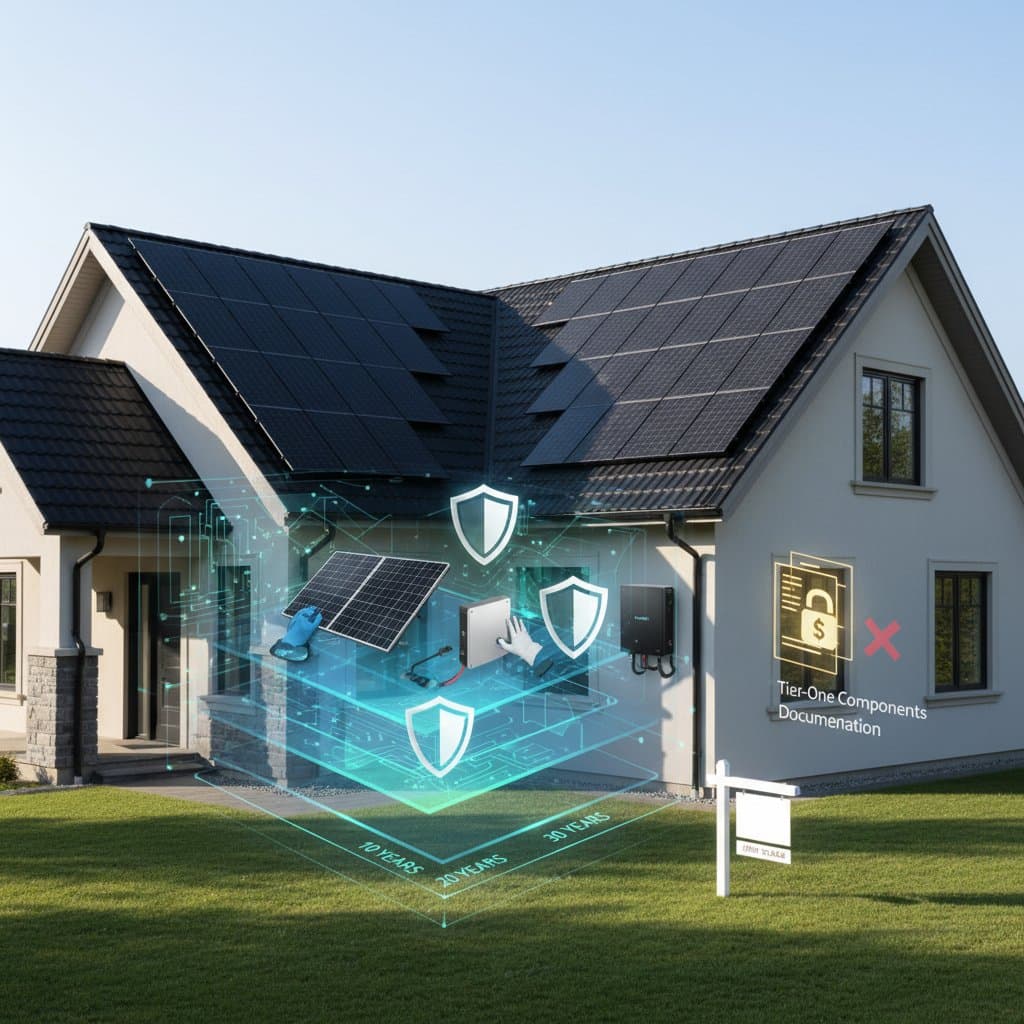
Warranties in 2026 typically divide into three main categories: product warranties for panels and inverters, performance guarantees, and workmanship coverage for installation. Panel warranties often span 20 to 30 years, guaranteeing at least 80 to 90 percent output by the end of the term. Inverter warranties generally last 10 to 15 years, addressing failures in power conversion components. Workmanship warranties, provided by installers, cover labor and system integration for 1 to 10 years, depending on the provider.
Premium manufacturers emphasize tier-one components with enhanced durability, such as resistance to micro-cracks and PID (potential induced degradation). Homeowners benefit from these layered protections, which mitigate risks from environmental factors like hail, wind, or UV exposure. Always review fine print for exclusions, such as acts of God or improper maintenance.
Summary Box
National average cost: Included in the solar system purchase price; no separate fee
Typical range: Panel warranties from 20 to 30 years; inverter warranties from 10 to 15 years; workmanship coverage from 1 to 10 years
Low end and high end: Basic systems offer 10-year terms; advanced setups extend to 30 years or beyond with performance clauses
Time to complete: Warranty activation occurs during or immediately after professional installation
DIY or Pro: Professional installation by certified experts is mandatory to maintain warranty validity
ROI or resale impact: Robust warranties increase home value by 3 to 5 percent and reduce lifetime ownership costs
Updated: February 2026
Factors Influencing Warranty Scope and Costs
Several elements determine the breadth and implications of solar warranties. System size plays a significant role; larger arrays with integrated batteries generate more paperwork and potential service expenses due to increased complexity. For instance, a 10-kilowatt system might require separate registrations for each module.
Equipment grade directly affects coverage duration and strength. High-end panels from established brands include linear performance warranties, ensuring gradual degradation rates below 0.5 percent annually. In contrast, lower-grade options may limit guarantees to basic defect coverage without output assurances.
Installer certification remains a non-negotiable requirement for most manufacturers. Systems installed by unauthorized professionals risk warranty invalidation, leaving owners liable for all repairs. Verify credentials through manufacturer portals before proceeding.
Site-specific conditions, such as extreme temperatures or seismic activity, can modify terms. Coastal installations may face exclusions for salt corrosion, while rooftop systems in hurricane-prone areas require reinforced mounting to qualify for full protection.
Regional labor markets influence out-of-pocket expenses. In high-cost areas like California, labor for warranty repairs might exceed $200 per hour, even if parts are provided free. Upgrades or modifications, such as adding smart monitors, often necessitate warranty riders to avoid voids.
Strategies to Maximize Warranty Value
Selecting tier-one equipment forms the foundation of effective warranty utilization. These components not only extend coverage periods but also demonstrate superior resilience, minimizing the frequency of claims and associated disruptions.
Prioritize certified installers by cross-referencing manufacturer-approved lists. This step ensures compliance and access to streamlined claim processes. Bundling extended labor coverage proves invaluable; without it, homeowners face substantial fees for diagnostics and reinstallations, potentially totaling $500 to $1,000 per incident.
Meticulous record-keeping safeguards against claim denials. Retain all invoices, equipment serial numbers, installation photos, and digital certificates in a secure file. Digital tools, like manufacturer apps, facilitate easy access during disputes.
Obtain and compare at least three detailed quotes to identify optimal coverage. Use this structured checklist to evaluate proposals thoroughly:
Quote Comparison Checklist
- Itemized coverage scope for each system component
- Specific equipment brands and models with warranty details
- Explicit workmanship warranty duration and inclusions
- Confirmation of permit, inspection, and interconnection fees
- Verification of labor cost coverage for warranty-related services
- Clear payment milestones linked to project completion stages
Warranty Activation and Management Timeline
Prompt registration solidifies warranty protections. Complete online forms for panels and inverters within 90 days of installation to activate full terms. Delays can result in partial coverage or outright denials.
Secure documentation from post-installation inspections, including electrical permits and utility approvals. These records prove adherence to building codes, a common prerequisite for claims.
Anticipate processing times for warranty requests, which range from two to six weeks. Major failures, like inverter malfunctions, may cause brief system outages; consider backup solutions such as portable generators for critical needs.
Replacements follow a coordinated process: manufacturers ship parts to installers, who handle removal, testing, and reinstallation. This phase adds one to two weeks, influenced by supply chain logistics and local availability.
Securing Long-Term Benefits Through Proactive Steps
A well-managed solar warranty hinges on thorough preparation and ongoing vigilance. Scrutinize contract language to clarify responsibilities for shipping, diagnostics, and incidental damages. Establish direct contacts with manufacturer support teams and installer service departments for efficient resolutions.
For relocations, initiate warranty transfers promptly; most allow one transfer within five to ten years, preserving value for new owners. Regular maintenance, documented through annual inspections, upholds claim eligibility and extends system longevity.
By integrating these practices, homeowners transform warranties into reliable assets that lower energy costs, enhance sustainability, and fortify financial security over the system's lifespan.