Understanding Whole-Home Air Systems
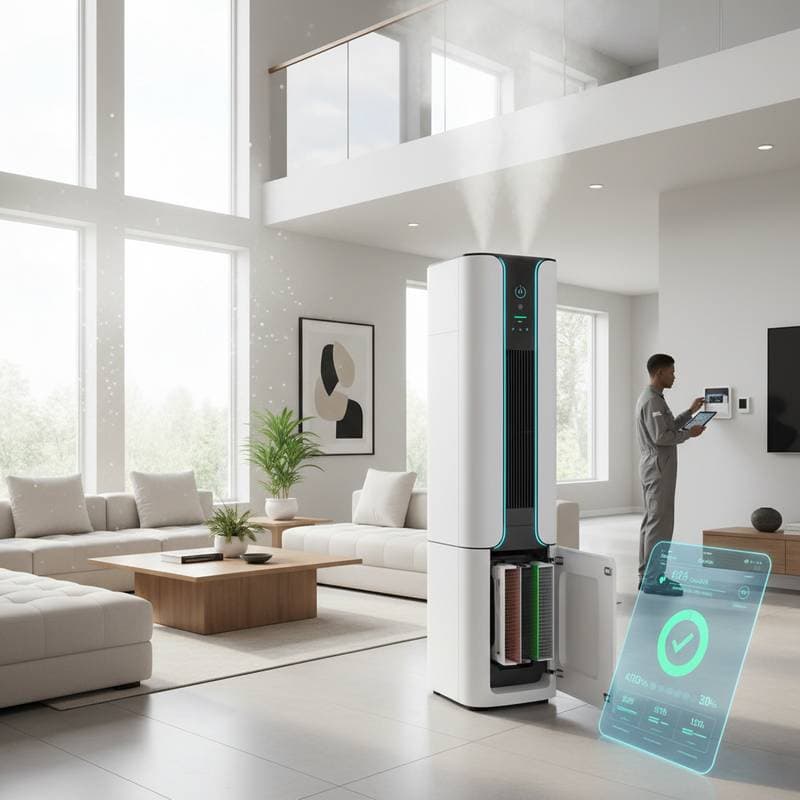
Whole-home air systems represent an integrated approach to indoor air management. These systems connect directly to existing HVAC infrastructure, providing comprehensive coverage throughout the residence. By addressing contaminants at the source, they enhance overall air quality and system performance.
Traditional HVAC setups often circulate dust, pollen, and mold spores without adequate removal. In contrast, modern whole-home units employ multi-stage filtration to capture particles as small as 0.3 microns. This capability significantly lowers allergen exposure, benefiting individuals with respiratory sensitivities.
Beyond purification, these systems optimize energy use. They regulate airflow and humidity levels, which prevents strain on heating and cooling components. Homeowners typically observe reduced utility bills and prolonged equipment lifespan after installation.
Key Benefits for Health and Efficiency
Improved air quality stands as the primary advantage. Advanced filters trap allergens such as pet dander, dust mites, and volatile organic compounds. Clinical observations indicate that such systems can decrease asthma symptoms by up to 50 percent in affected households.
Efficiency gains arise from integrated controls. Sensors monitor air conditions in real time, adjusting operations to maintain optimal settings. This precision reduces the workload on the central HVAC unit, potentially extending its service life by several years.
Humidity management further contributes to comfort. Excess moisture fosters mold growth, while dry air irritates skin and airways. Whole-home systems balance these factors, creating a stable indoor climate year-round.
Cost savings accumulate over time. Initial investments yield returns through lower energy consumption and fewer repairs. Many units qualify for rebates from utility providers, offsetting upfront expenses.
How 2026 Models Advance the Technology
The 2026 lineup introduces smart connectivity features. Integration with home automation platforms allows remote monitoring via mobile applications. Users receive alerts for maintenance needs, ensuring consistent performance.
Filtration technology evolves with hybrid media that combines mechanical and electrostatic capture. This design achieves higher efficiency without restricting airflow, a common issue in older systems. Air scrubbing components neutralize odors and pathogens using UV light or ionization.
Energy standards comply with updated regulations, incorporating variable-speed fans that adapt to demand. Such innovations minimize electricity draw during low-usage periods, aligning with sustainable living goals.
Durability improves through corrosion-resistant materials. Components withstand humid environments, reducing failure rates in diverse climates.
Evaluating Costs and Return on Investment
Pricing varies based on system size and features. Basic models for smaller homes start at $1,500, while comprehensive units for larger spaces reach $5,000. Installation adds $500 to $2,000, depending on existing ductwork complexity.
Ongoing expenses include filter replacements every six months, costing $50 to $150 per cycle. Professional servicing annually runs $200 to $400. These figures compare favorably to standalone air purifiers, which require multiple units for whole-home coverage.
Return on investment materializes within three to five years. Energy savings average 15 to 25 percent on HVAC bills. Health improvements reduce medical visits, adding indirect financial benefits.
To assess suitability, calculate your home's square footage and current energy costs. Consult local incentives to refine the financial picture.
Installation Process: Step-by-Step Guidance
Professional installation ensures optimal performance and safety. Begin by selecting certified contractors experienced in HVAC integrations. Request detailed proposals outlining equipment specifications, timelines, and guarantees.
Preparation Requirements
Clear a four-foot radius around the air handler for access. Remove nearby obstructions to facilitate tool movement. Schedule work during dry weather with moderate temperatures to allow sealants to cure properly.
Gather essential safety gear: gloves protect against sharp edges, respirators guard respiratory health during dusty phases, and goggles shield eyes from debris.
Permit and Compliance Steps
Obtain mechanical and electrical permits in most jurisdictions. These documents verify adherence to building codes. Contact local authorities early to avoid delays.
Inspectors review wiring and duct connections post-installation. Compliance prevents future issues and maintains warranty validity.
On-Site Installation Phases
Technicians first assess the HVAC setup, identifying integration points. They install the purification unit inline with the main ductwork, securing connections with insulated seals.
Electrical integration follows, linking the system to power sources and controls. Smart features require network setup for full functionality.
Testing concludes the process. Professionals run the system through cycles, measuring airflow and filtration efficiency. Adjustments fine-tune performance before final handover.
Homeowners receive operational manuals and scheduling tips at completion.
Maintenance Essentials for Longevity
Regular upkeep sustains system effectiveness. Replace filters according to manufacturer schedules, typically biannually. Inspect for clogs that could impede airflow.
Annual professional inspections check for wear on components like fans and sensors. Clean accessible areas, such as intake vents, to prevent buildup.
Monitor humidity and air quality via built-in displays or apps. Address deviations promptly to avoid efficiency losses.
Track energy usage patterns post-installation. Compare bills to baselines for performance validation.
Realizing the Full Value in Your Home
Adopting a whole-home air system elevates daily living through cleaner air and smarter energy management. Families experience fewer allergy episodes and consistent comfort levels. HVAC reliability increases, deferring major replacements.
Consider your specific needs, such as household size or environmental factors, when planning. This upgrade not only addresses immediate concerns but also future-proofs the residence against rising energy demands.
Professional guidance tailors the solution to your setup, maximizing benefits. With proper care, these systems deliver enduring improvements to health and home efficiency.