Kitchen Islands: Achieving 60-80% ROI in 2026
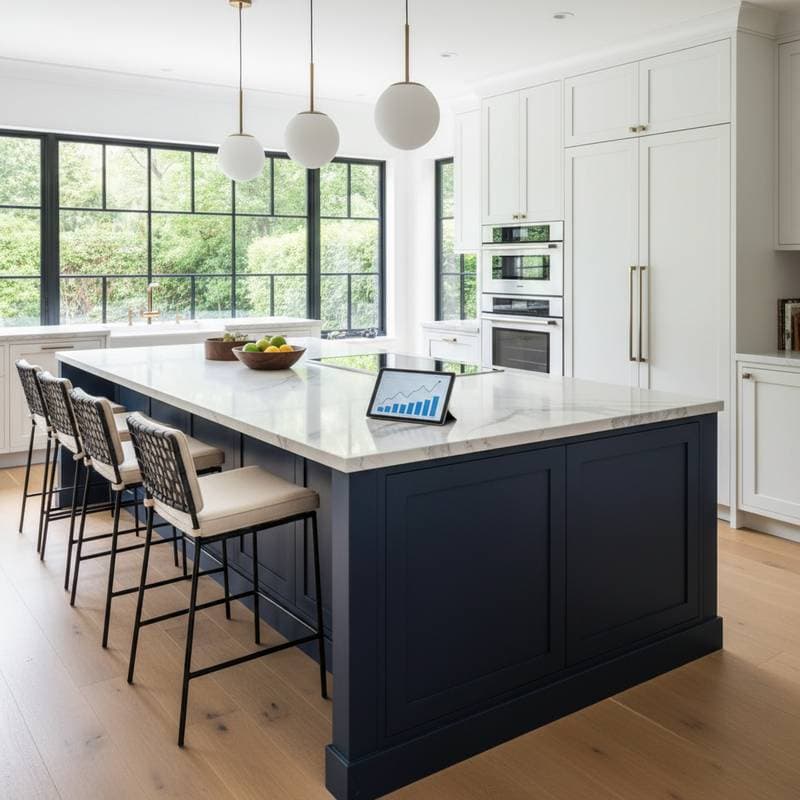
Kitchen islands continue to rank among the top home upgrades for 2026, offering a compelling blend of practicality and aesthetic appeal. Homeowners who invest in this feature often see a return on investment between 60 and 80 percent upon resale, according to industry forecasts. This high ROI stems from the island's ability to enhance kitchen functionality, create additional workspace, and appeal to modern buyers seeking open-concept living spaces.
The value addition comes not just from the island itself but from how it integrates with the overall kitchen design. Well-placed islands improve traffic flow, provide casual dining options, and increase storage capacity. In competitive real estate markets, such upgrades can differentiate a property and justify a higher asking price.
Understanding Costs and ROI Factors
Installation costs for a kitchen island typically range from $3,000 to $15,000, depending on size, materials, and features. Basic models using stock cabinets and laminate countertops fall on the lower end, while custom designs with granite surfaces and integrated appliances push toward the higher spectrum. Utilities like plumbing for sinks or electrical for lighting add $1,000 to $5,000 more.
Several elements influence the ROI. Islands that align with current trends, such as sustainable materials or smart storage solutions, perform best. Timing the project for 2026 aligns with projected housing market recovery, where buyers prioritize versatile kitchens. Professional design consultation ensures the island complements the home's architecture, avoiding costly overhauls later.
To maximize returns, focus on durable, timeless finishes. Avoid overly trendy elements that may date quickly. Data from recent remodeling reports indicates that islands under 10 feet in length in medium-sized kitchens yield the highest resale value, as they enhance usability without overwhelming the space.
Design Tips for Maximum Appeal
Select an island size proportional to your kitchen. In spaces under 150 square feet, opt for a compact 4-by-6-foot unit to maintain openness. Larger kitchens benefit from extended islands that double as breakfast bars, seating up to four people comfortably.
Material choices impact both cost and longevity. Quartz or granite countertops resist stains and heat, justifying their premium price through enduring style. Pair them with solid wood or shaker-style cabinets for a classic look that appeals broadly to buyers.
Incorporate multifunctional elements to boost value. Add pull-out drawers for utensils, integrated trash bins, or even wine racks. Lighting under cabinets or pendant fixtures above the island elevates the ambiance, making the space feel luxurious and inviting.
Consider the island's role in daily life. If your family entertains frequently, prioritize a spacious overhang for stools. For cooking enthusiasts, include a built-in cutting board or herb planter. These thoughtful additions not only enhance enjoyment but also signal quality craftsmanship to potential buyers.
If the project involves wiring, plumbing, or gas lines, consult a licensed professional immediately. The following guidance applies to standalone islands without integrated utilities.
Essential Tools for DIY Installation
Required Tools
- Tape measure for precise dimensions
- Level to ensure even surfaces
- Drill with appropriate bits for assembly
- Circular saw for cutting materials
- Screwdriver set for securing components
- Clamps to hold pieces steady during joining
Optional Tools
- Power driver to speed up fastening
- Cabinet jack or adjustable support for lifting
- Trim nailer for finishing edges
Safety Gear
- Gloves to protect hands
- Eye protection against dust and debris
- Hearing protection for power tool use
Step-by-Step Installation Guide
-
Measure and Plan the Layout.
Begin by assessing your kitchen's dimensions. Maintain at least 36 inches of clearance around all sides for safe movement. If including seating, allocate 44 inches behind stools to allow comfortable passage. -
Mark the Outline on the Floor.
Apply painter's tape to outline the island's position. Verify it does not interfere with door swings, cabinet openings, or appliance access. Adjust as needed to optimize flow. -
Prepare the Flooring.
Extend or patch flooring to cover the island's footprint if necessary. Use shims or leveling compound to create a flat base, preventing future instability. -
Assemble the Base Cabinets.
Refer to the manufacturer's guidelines for construction. Connect cabinets side by side using screws, and use a square to confirm alignments remain true. -
Anchor Securely to the Floor.
Attach L-brackets or wood cleats to the cabinet base, fastening them into floor joists or the subfloor. Test for stability by applying pressure; the unit should remain firm. -
Install the Countertop.
Position the countertop for a dry fit before permanent attachment. Secure with manufacturer-recommended adhesive or mechanical fasteners. Only cut openings for fixtures if they form part of the original plan. -
Apply Trim and Finishes.
Install toe kicks for a finished base, add end panels for seamless edges, and perform any required painting. For wooden surfaces, apply a food-safe sealant to protect against spills. -
Conduct Final Inspection.
Verify all surfaces are level, drawers glide smoothly, and anchoring holds under load. Test with weights or appliances to ensure reliability before full use.
Project Timeline and Logistics
Material Lead Times
- Stock cabinets arrive in 1 to 2 weeks.
- Semi-custom options require 4 to 6 weeks.
- Custom pieces may take 8 weeks or longer.
- Stone countertops need 2 to 3 weeks post-templating.
On-Site Installation Duration
- Basic islands complete in 2 to 3 days.
- Units with utilities demand 5 to 10 days.
Key Inspection Milestones
For projects involving plumbing or electrical, arrange rough-in inspections early. Follow with final checks to comply with local codes and prevent setbacks.
Ongoing Maintenance for Longevity
Establish daily cleaning habits using mild soap and water on countertops. Reseal natural stone or wood surfaces according to product specifications, typically every six to twelve months. Annually inspect hinges, slides, and screws on cabinets, tightening any that loosen.
Monitor for early signs of issues. Wobbling indicates loose anchors; reinforce brackets promptly. Leaks around fixtures can warp bases, so caulk and seals require regular attention. Address chips in stone by professional filling to avoid deeper damage.
Evaluate replacement needs based on functionality. If the island no longer accommodates current appliances or seating, a full redesign may prove worthwhile. Minor cosmetic issues often resolve through refinishing or repainting at a fraction of replacement costs.
Regional Considerations
Expenses fluctuate by location. Urban and coastal regions command 20 to 40 percent higher labor fees due to demand for expertise. Rural areas offer lower rates but limited contractor availability, potentially extending timelines.
Shipping costs elevate prices for heavy items like stone slabs. In humid environments, choose sealed plywood or medium-density fiberboard to resist moisture. Dry climates benefit from oiled wood tops to counteract shrinkage and maintain joint integrity.
Realizing the Full Potential
Integrating a kitchen island elevates everyday routines while strengthening market position. Prioritize scale and harmony with existing elements to avoid spatial constraints that deter buyers. With strategic planning, this investment delivers lasting utility and substantial financial returns in 2026.