
Articles tagged with kitchen-island-costs

Learn exact kitchen island costs in 2026. This guide details material choices, labor fees, and hidden expenses so you can budget accurately and protect long term value.
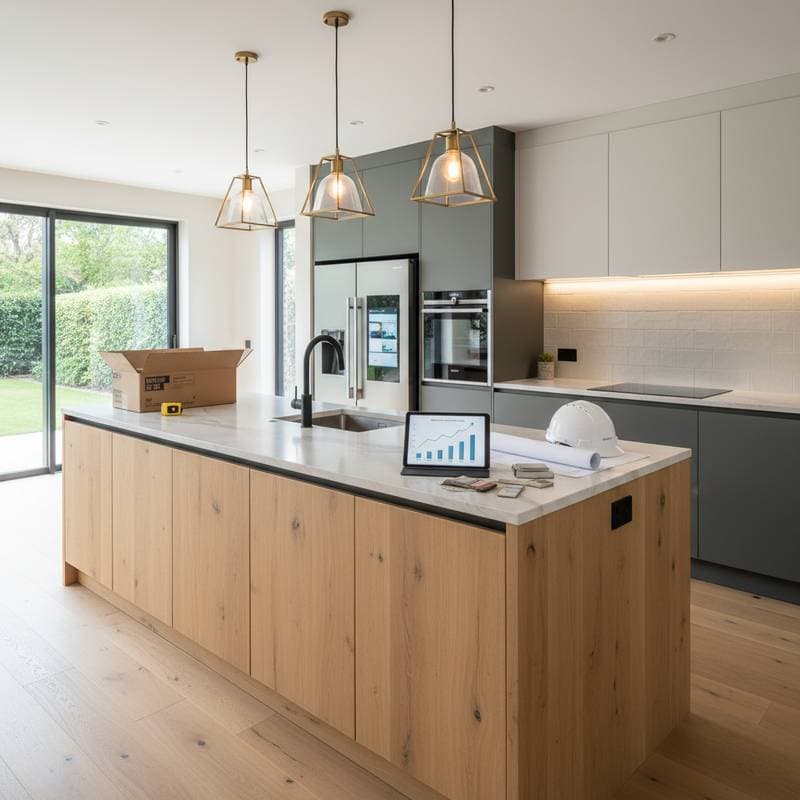
In 2026, a kitchen island enhances aesthetics and utility, yet strategic choices dictate its return. Ranging from $1,200 to $18,000 with 60-75% ROI, focus on materials, labor, and features to balance expense and benefit. This guide covers budgeting, DIY versus professional options, and ways to amplify functionality affordably.
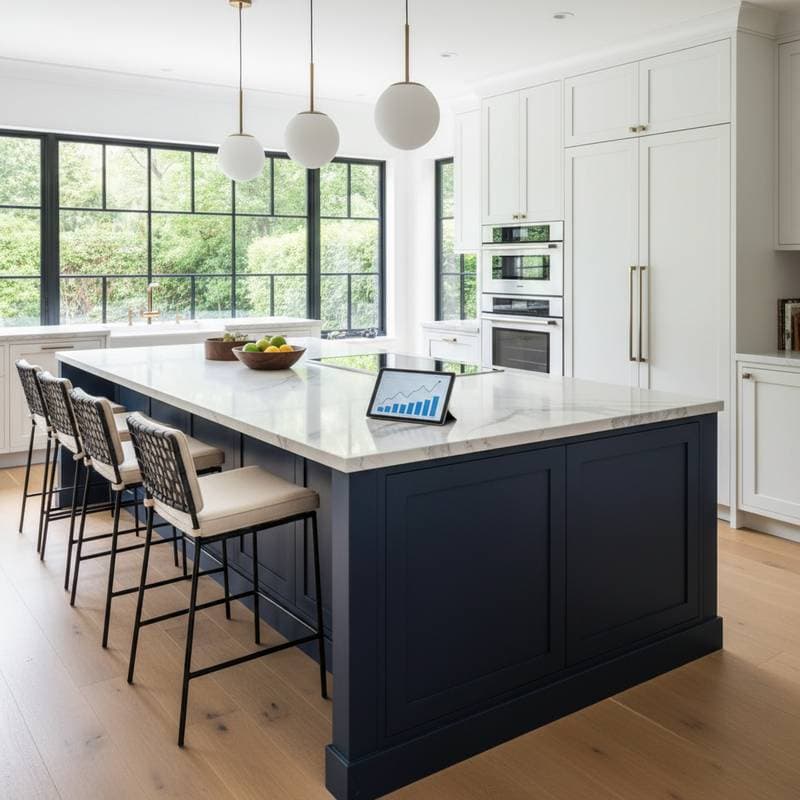
Kitchen islands stand out as a high-ROI upgrade for 2026 renovations, delivering 60-80% cost recovery through improved utility and appeal. From budgeting and design to installation and upkeep, discover how to implement this feature effectively for optimal home value.
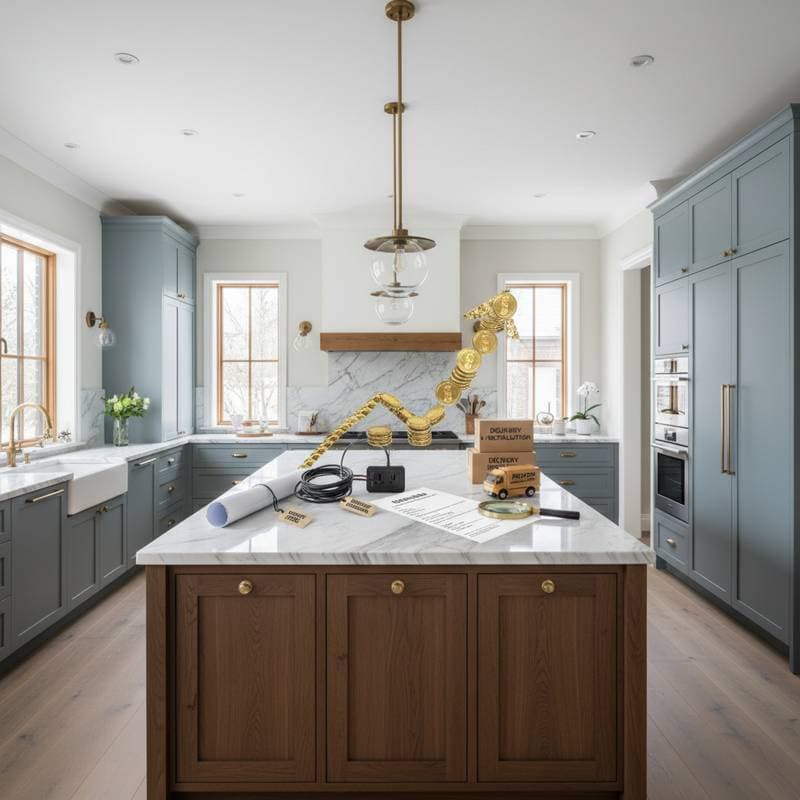
Kitchen islands add style and utility to any home, yet hidden fees from delivery to electrical work can derail budgets.
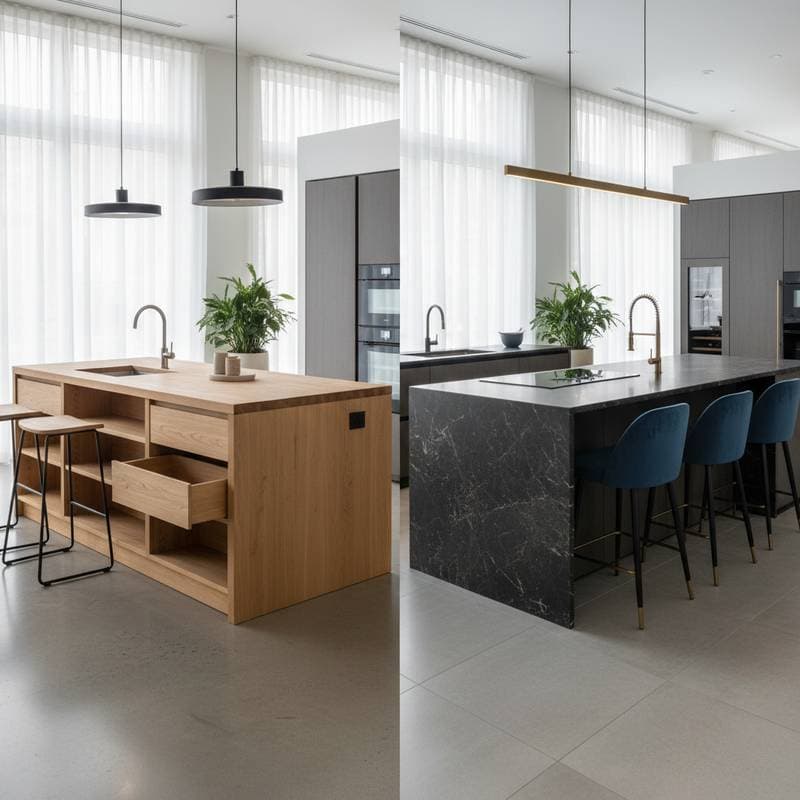
In 2025, kitchen islands continue to rank among the most popular home upgrades, offering enhanced functionality, stylish appeal, and strong return on investment up to 80 percent. Typical mid-range projects cost between $3,000 and $8,000, influenced by materials, utilities, and custom features. This guide details pricing factors, design considerations, and strategies for maximizing durability, sustainability, and resale value through DIY or professional approaches.
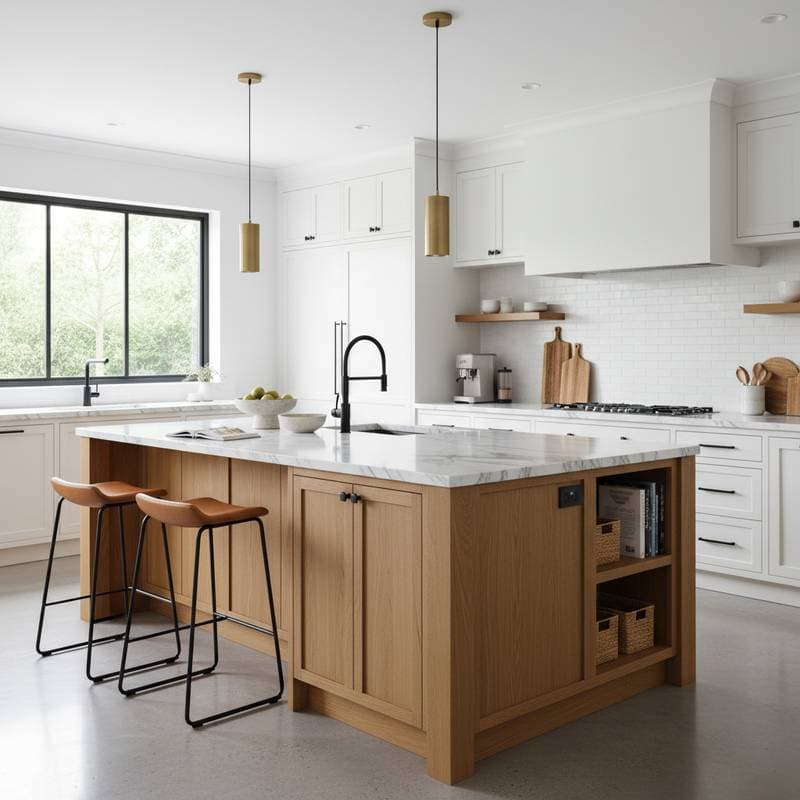
A thoughtfully designed kitchen island enhances home value and daily usability. Homeowners typically recover 60 to 80 percent of the $3,000 to $10,000 investment through improved workflow, added storage, and seating options. Proper integration into the kitchen layout ensures it serves as both a practical asset and an attractive focal point.
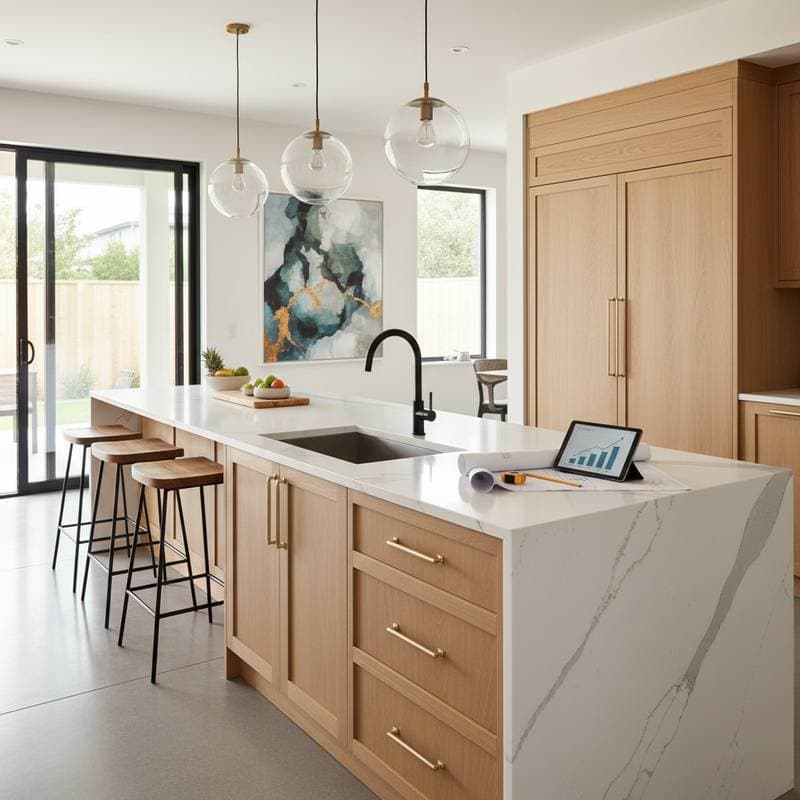
Installing a kitchen island typically costs between $3,000 and $10,000, yet it delivers a strong resale return of 60 to 80 percent when executed thoughtfully. This addition expands storage options, improves workflow, and elevates aesthetic appeal. Opt for prefabricated components or do-it-yourself approaches to reduce expenses, and engage professionals for installations involving utilities to guarantee compliance and durability.