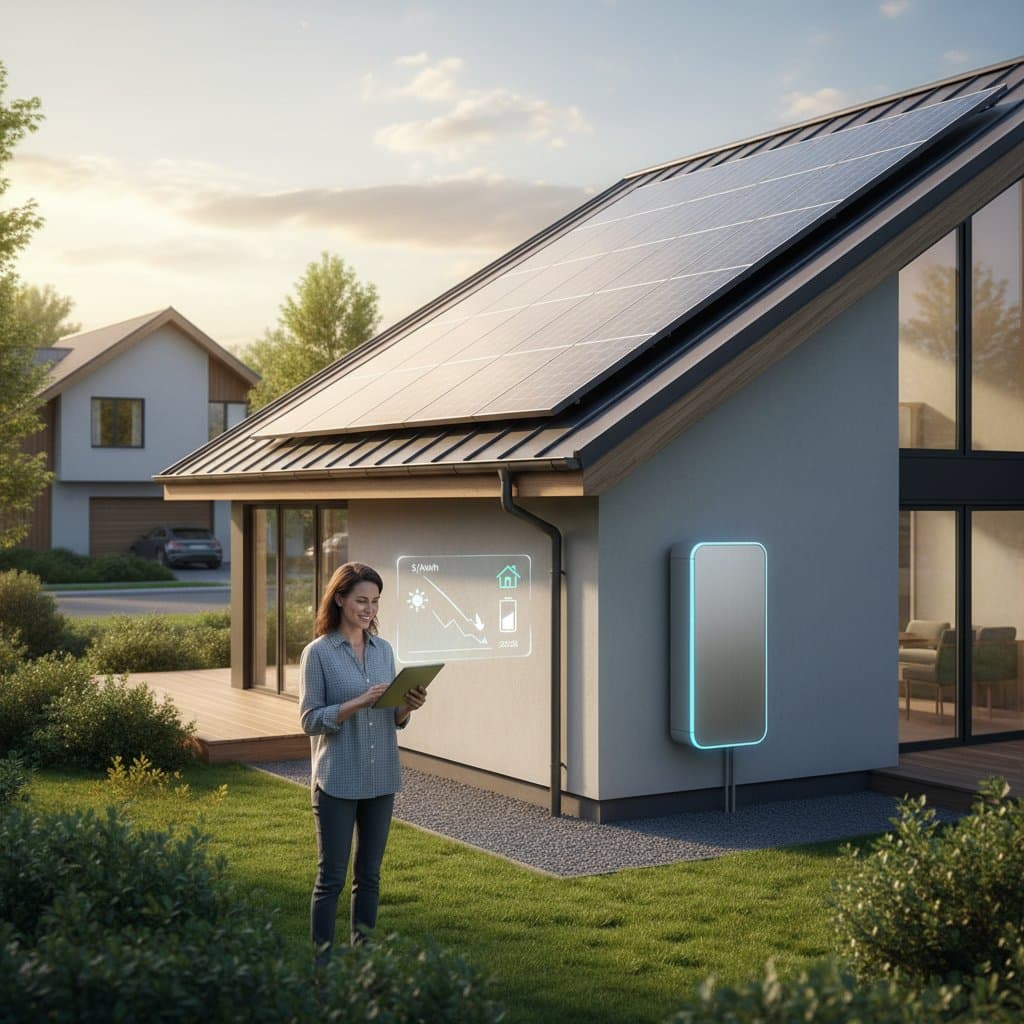
Understanding the Cost Decline in Solar and Battery Systems
Solar energy and battery storage technologies experience significant price reductions through 2026. Industry projections indicate that the cost per watt for solar panels will drop by approximately 20 to 30 percent from current levels. Battery storage prices follow a similar trajectory, with lithium-ion systems expected to become 15 to 25 percent cheaper due to advancements in manufacturing and economies of scale.
These declines stem from increased global production, improved supply chains, and ongoing innovations in materials and efficiency. For homeowners, this means lower barriers to entry for clean energy adoption. As prices fall, the overall return on investment improves, making solar and battery combinations a viable option for a broader range of households.
Key Factors Driving Price Reductions
Several elements contribute to the downward pricing trend. First, solar panel efficiency rises steadily, with new models converting more sunlight into usable electricity. This progress reduces the number of panels required for a given energy output, thereby lowering total system costs.
Battery technology advances include longer warranties and higher energy densities, which enhance performance without inflating prices. Government policies and international trade agreements further support affordability by subsidizing research and development. By 2026, these factors combine to make solar-plus-battery systems competitive with traditional utility bills in many regions.
Market competition plays a crucial role as well. Multiple manufacturers vie for dominance, leading to aggressive pricing strategies and frequent discounts. Homeowners benefit directly from this dynamic, as installers pass savings along to customers.
Impacts on Home Energy Savings
Lower costs translate into substantial savings for residential users. A typical 5-kilowatt solar system, paired with a 10-kilowatt-hour battery, might cost around 15,000 to 20,000 dollars today. Projections suggest this could decrease to 10,000 to 15,000 dollars by 2026, depending on location and system size.
Payback periods shorten accordingly. Current installations often recoup costs in 6 to 10 years through energy bill reductions and incentives. With price drops, payback times could compress to 4 to 7 years, accelerating financial benefits.
Beyond economics, these systems provide energy resilience. During power outages, batteries ensure continuous supply for essential appliances, adding value in storm-prone areas. Over time, cumulative savings from avoided utility increases compound, potentially reaching tens of thousands of dollars over a system's 25-year lifespan.
Navigating Incentives and Financing Options
Various incentives offset remaining costs. Federal tax credits, such as those covering 30 percent of installation expenses, remain available through 2026 in many countries. State and local rebates often supplement these, targeting regions with high solar potential.
Financing structures evolve to match affordability trends. Solar loans offer low-interest rates, sometimes below 4 percent, spreading payments over 10 to 20 years. Power purchase agreements allow homeowners to host systems without upfront investment, paying only for generated energy at reduced rates.
Leasing options provide another entry point, with monthly fees that undercut utility costs. Before committing, evaluate total ownership costs, including maintenance and potential escalators in lease terms. Consulting financial advisors ensures alignment with personal budgets and energy goals.
Step-by-Step Guide to Solar and Battery Installation
Assess Your Home's Suitability
Begin with a professional energy audit to determine your household's consumption patterns. Review past utility bills to identify peak usage times and total annual kilowatt-hours. Inspect your roof for south-facing orientation, minimal shading, and structural integrity to support panel weight.
Consider local climate factors, such as sunlight hours and weather extremes, which influence system sizing. Tools like online solar calculators provide initial estimates based on your address and usage data.
Research and Select Installers
Obtain quotes from at least three certified professionals. Verify credentials through organizations like the North American Board of Certified Energy Practitioners. Request detailed proposals outlining equipment brands, warranties, and projected savings.
Compare not only prices but also installer experience and customer reviews. Prioritize companies with proven track records in battery integration, as this adds complexity to the setup.
Plan for Permits and Incentives
Navigate permitting processes early, as timelines vary by locality. Submit applications for rebates and tax credits alongside your installation plans. Some incentives require pre-approval, so coordinate with installers to avoid delays.
Document all steps meticulously for compliance and future claims. This preparation ensures smooth execution and maximizes financial support.
Installation and Activation
The physical installation typically spans one to three days for solar panels, with batteries added in a subsequent phase. Technicians mount panels, wire the system, and integrate monitoring software for real-time performance tracking.
Post-installation testing confirms grid connectivity and battery functionality. Activation involves utility interconnection agreements, which allow excess energy export for credits. Full operation commences once all approvals clear.
Long-Term Maintenance and Optimization
Solar and battery systems demand minimal upkeep. Annual inspections check for debris, loose connections, and battery health. Most warranties cover 25 years for panels and 10 years for batteries, with performance guarantees ensuring at least 80 percent output over time.
Software updates enhance efficiency, enabling features like automated load shifting during peak pricing. Monitor system performance via apps to identify issues early and optimize energy use.
Realizing Benefits for Energy Independence
Investing in solar and batteries secures lasting advantages. Homeowners gain control over energy sources, reducing reliance on volatile utility rates. Environmental contributions include lower carbon emissions, aligning personal choices with sustainability goals.
As costs decline through 2026, the window for adoption widens. Act now to lock in current incentives while anticipating further savings. This strategic approach builds resilience, cuts expenses, and positions your home for a cleaner energy future.