Introduction to 2026 Solar Battery Investments
Solar energy paired with battery storage continues to gain traction as homeowners seek reliable, independent power sources. By 2026, advancements in technology and manufacturing will drive down costs, making these systems more accessible. This guide examines projected pricing, key components of expenses, and practical considerations to help you evaluate if a solar plus battery setup aligns with your needs.
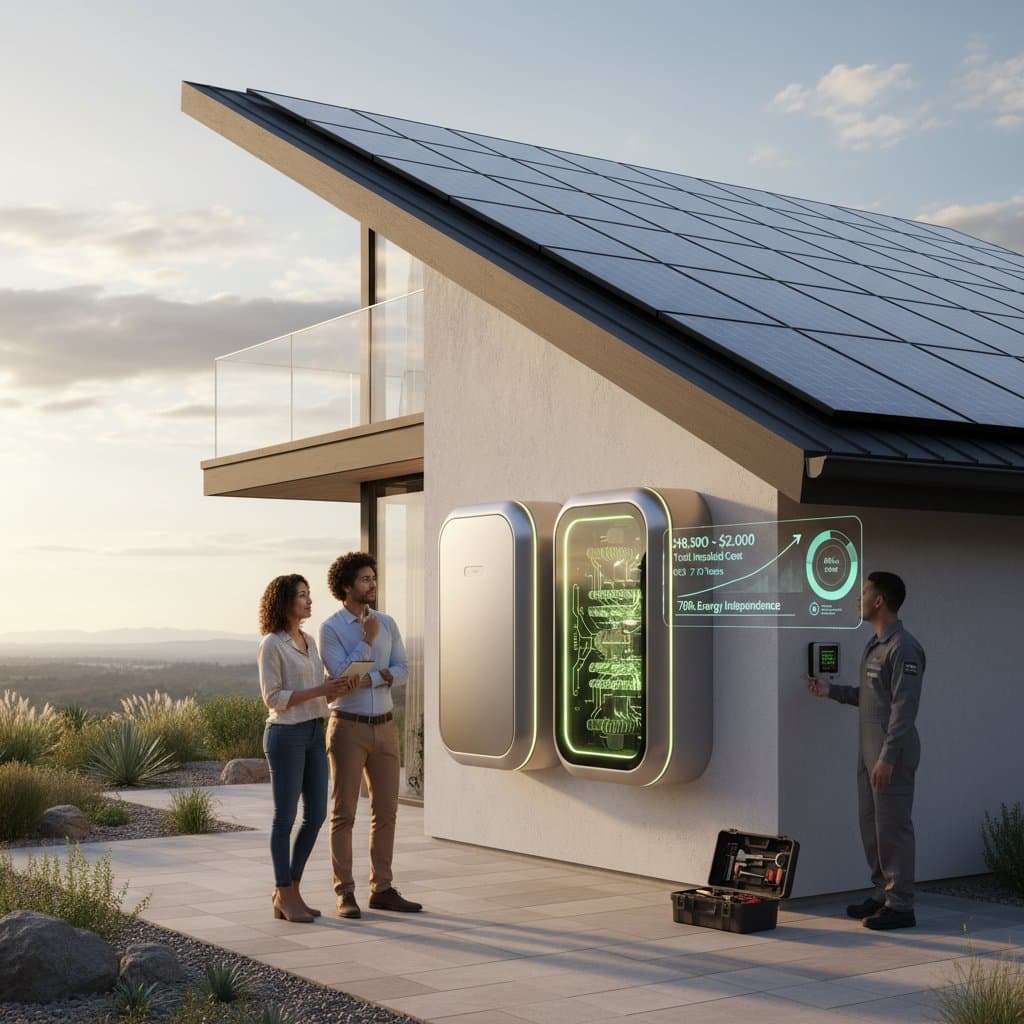
Expect national average costs for a typical 6 kW solar array with 10 kWh battery storage to range from $30,000 to $38,000 before incentives. These figures reflect a 15 to 20 percent decline from 2024 levels, thanks to improved lithium-iron-phosphate (LFP) batteries and efficient panels. Factors such as location, system size, and installation method significantly influence the final price.
Projected Costs and Pricing Trends
In 2026, solar panel prices will average $2.50 per watt, down from current $3.00 due to economies of scale in production. For a 6 kW system, this translates to $15,000 for the array alone. Battery costs will hover around $900 per kWh for LFP units, positioning a 10 kWh battery at approximately $9,000. These projections account for global supply chain efficiencies and increased competition among manufacturers.
Inverters, essential for converting DC to AC power, will cost $3,000 to $4,000 for hybrid models that integrate batteries seamlessly. Labor expenses vary by region but typically add $7,000 to $8,500 for professional installation. Additional fees for permitting, inspections, and grid interconnection may contribute another $1,000 to $2,000. Homeowners in sunny states like California or Arizona often see lower per-watt costs due to established installer networks.
Incentives play a crucial role in affordability. The federal solar tax credit, extended through 2032, covers 30 percent of costs, potentially reducing a $35,000 system to $24,500 net. State rebates and utility programs further offset expenses, with some areas offering up to $5,000 for battery additions. Track local policies, as they evolve to promote clean energy adoption.
The Installation Process Step by Step
Installing a solar battery system requires careful planning to ensure safety and efficiency. Professionals follow a structured sequence to minimize disruptions and comply with codes.
-
Site Evaluation: A licensed installer assesses roof integrity, shading from trees or buildings, and electrical panel capacity. This step identifies potential issues early, preventing costly rework.
-
System Design: Engineers calculate the optimal array size and battery capacity based on your energy usage patterns and priority loads, such as refrigerators or medical devices.
-
Permitting: Detailed drawings go to local building and electrical authorities. Approval timelines range from one to three weeks, depending on jurisdiction.
-
Installation: Crews secure mounting racks, install panels, connect inverters, and position batteries. A standard project spans three to five days.
-
Inspection and Interconnection: Inspectors confirm adherence to electrical codes. For grid-tied systems, utilities fit bi-directional meters to enable net metering.
-
Commissioning: The team activates the system, tests voltage and current levels, and verifies monitoring software connectivity.
DIY installations suit only experienced electricians or builders familiar with solar specifics. Most homeowners benefit from hiring certified contractors to avoid hazards and ensure warranty validity.
Common Pitfalls and How to Sidestep Them
Many projects falter due to overlooked details. Address these to protect your investment.
-
Underestimating Load Requirements: Select a battery that powers essential circuits for at least eight hours during outages. Review past utility bills to gauge needs accurately.
-
Neglecting Roof Assessments: Install on a sound roof to avoid removal and reinstallation costs later. Schedule a professional inspection if your roof exceeds 10 years old.
-
Selecting Incompatible Parts: Verify that inverters support your chosen battery type. Hybrid models prevent integration failures.
-
Overlooking Permits: Unpermitted setups complicate home sales and may invalidate insurance coverage. Factor in time for approvals upfront.
-
Inadequate Wiring Practices: Secure and protect all cables to reduce fire hazards. Follow National Electrical Code standards rigorously.
Deciding Between Professional and DIY Approaches
Choose your installation path based on expertise and resources. This DIY Gate framework aids the decision.
| Factor | DIY Suitability | Notes |
|---|---|---|
| Skill Fit | Requires electrical and load calculation knowledge | Errors nullify warranties |
| Safety Risk | Elevated from high-voltage DC | Use personal protective equipment and lockout procedures |
| Tool Availability | Needs torque wrenches, MC4 crimpers, conduit benders | Rentals increase overall expenses |
| Code Complexity | Moderate to high | Mandatory inspections apply to all projects |
| Permit Coordination | Involves utility approvals | Expect potential delays |
Professionals handle complexities, offer warranties, and navigate regulations efficiently. DIY saves on labor but demands significant time and skill.
Comparing Contractor Quotes
Shop around to secure competitive pricing. Request itemized bids for transparency.
| Line Item | Spec or Scope | Contractor A | Contractor B | Contractor C | Variance Notes |
|---|---|---|---|---|---|
| Solar Array | 6 kW, 18 panels | $14,800 | $13,600 | $15,200 | Evaluate panel efficiency ratings |
| Battery | 10 kWh LFP chemistry | $9,400 | $8,900 | $10,200 | Assess cycle life and warranties |
| Inverter | Hybrid 7.6 kW | $3,800 | $3,200 | $3,600 | Ensure battery compatibility |
| Labor | Full install | $8,200 | $7,400 | $8,000 | Inquire about permit fees |
| Total | Turnkey system | $36,200 | $33,100 | $37,000 | Compare timelines and guarantees |
Differences arise from supplier deals and regional labor rates. Prioritize contractors with strong references and proven track records.
Taking Action Toward Energy Independence
Start your project with these targeted steps to build confidence and control costs.
-
Solicit Three Quotes: Insist on breakdowns separating equipment from labor for clear comparisons.
-
Inquire About Specifications: Request panel efficiency percentages and battery cycle life counts, targeting over 6,000 cycles for longevity.
-
Secure Permit Details: Obtain written outlines of the process to anticipate timelines.
-
Verify Credentials: Review references, licenses, and insurance for each prospective installer.
-
Schedule Roof Checks: Conduct inspections prior to contracts; address any replacements first.
By 2026, solar battery systems promise reduced reliance on the grid and lower long-term energy bills. With informed planning, you position your home for resilience and savings in an era of rising utility rates.